
How to Grow Lantana from Seed — Complete Step-by-Step Guide
What is Lantana and why should you grow it?
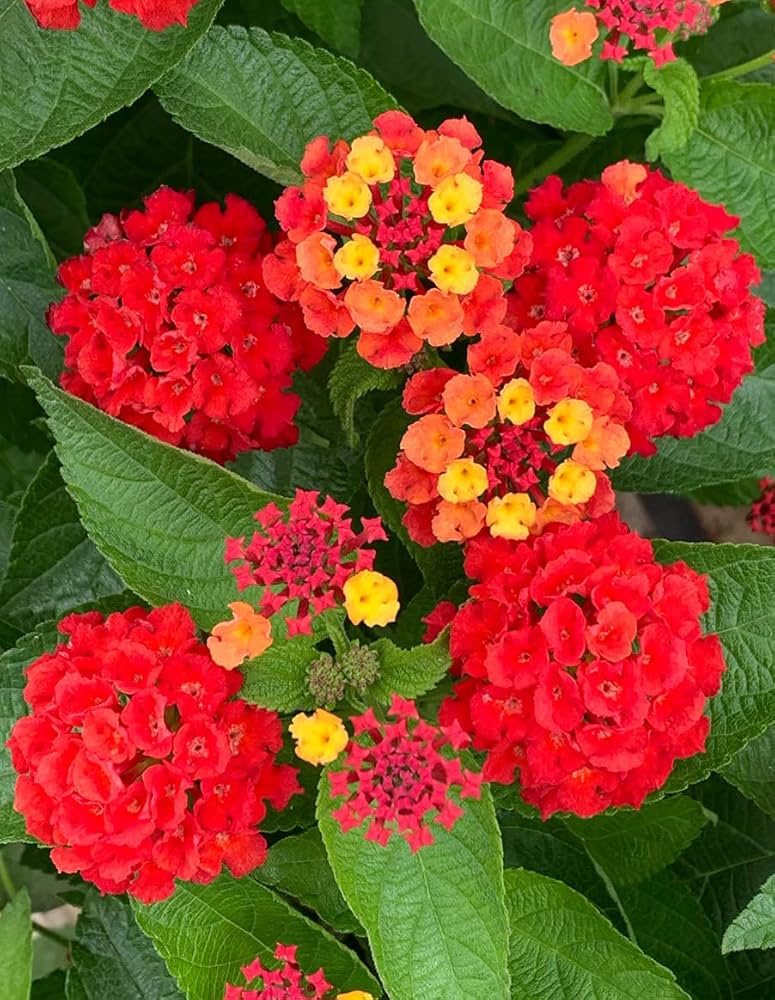
Lantana (Lantana camara) is one of the most colourful, heat-tolerant, and pollinator-friendly flowering plants you can grow from seed. It produces ball-shaped clusters of tiny flowers that change colour as they mature — giving each flower head a beautiful multicoloured appearance of yellow, orange, red, and pink at the same time. Butterflies, bees, and hummingbirds are irresistibly attracted to Lantana blooms.
Lantana is also remarkably easy to care for once established — it is drought-tolerant, sun-loving, and blooms continuously from summer through autumn. Whether you are growing in a garden bed, a large container, or a hanging basket, Lantana delivers colour and wildlife for months.
When to Sow Lantana Seeds
• Indoors: 10–12 weeks before last expected frost (typically January–March in the UK, February–April in the US)
• Outdoors direct sow: After all frost risk has passed and soil temperature is above 18°C
• Warm climates (zones 9–11): Sow outdoors year-round
Step-by-Step Germination Guide
1. Prepare your seeds: Lightly scarify the seed coating with fine sandpaper, or soak seeds in warm water for 24 hours. This softens the hard outer coat and dramatically improves germination rates.
2. Fill seed trays with moist, well-draining seed compost. Press seeds gently into the surface at a depth of 3–6mm.
3. Cover the tray with a clear propagator lid or cling film to retain moisture and warmth.
4. Place in a warm location at 21–24°C. A propagator or warm windowsill works well. Germination takes 14–21 days — be patient.
5. Once seedlings emerge, remove the cover and move to a bright position with indirect light.
6. When seedlings have 2–3 true leaves, transplant to individual 9cm pots using multi-purpose compost.
7. Harden off plants by placing outside for increasing periods over 7–10 days before transplanting to the garden.
Where to Plant Lantana
• Full sun — Lantana needs a minimum of 6 hours direct sunlight per day. More sun = more flowers.
• Sheltered position — protects from strong winds which can damage stems
• Well-draining soil — Lantana dislikes sitting in wet soil. Improve heavy clay soil with grit or sand.
• Containers — Lantana is excellent in large pots and hanging baskets on a sunny patio or balcony
Lantana Care — What to Do After Planting
8. Water regularly for the first 4–6 weeks until established. Once mature, Lantana is drought-tolerant — reduce watering.
9. Feed monthly with a balanced liquid fertiliser during the growing season to encourage continuous blooming.
10. Deadhead spent flower clusters to encourage new blooms, although Lantana will continue flowering without deadheading.
11. In frost-free areas, cut back by one-third in early spring to encourage bushy new growth.
12. In frost-prone areas, treat as an annual and replant from fresh seed each spring.
Frequently Asked Questions About Growing Lantana from Seed
Why are my Lantana seeds not germinating?
The most common reason is insufficient warmth. Lantana needs soil temperatures of 21–24°C for reliable germination. If your room temperature is below 20°C, use a heated propagator. Also ensure you have pre-treated seeds by soaking or scarifying before sowing.
How long does it take Lantana to flower from seed?
Lantana grown from seed typically flowers in 90–120 days (3–4 months) from germination, usually beginning in mid-summer. Seeds started indoors in late winter will flower from July onwards in temperate climates.
Is Lantana annual or perennial?
In frost-free climates (USDA hardiness zones 9–11, average minimum temperature above -6°C), Lantana is a perennial shrub that returns each year. In colder climates it is grown as a tender annual — new plants are grown from seed each spring.
Is Lantana toxic to dogs and cats?
Yes — the berries of Lantana plants are toxic to dogs, cats, and horses. The leaves and flowers are less toxic but should still be kept away from pets. Plant in raised beds or areas pets cannot access if you have animals.
What are the best companion plants for Lantana?
Lantana pairs beautifully with other sun-loving plants: Verbena, Salvia, Zinnia, Marigold, and ornamental grasses. It also works well as a border planting alongside Lavender and Catmint.
Where can I buy Non-GMO Lantana seeds online?
Non-GMO Lantana flower seeds with worldwide shipping are available directly at evergrowseeds.com — in the Flower Seeds collection.
%20is%20one%20of%20the%20most%20colourful,%20heat-tolerant,%20and%20pollinator-friendly%20flowering%20plants%20you%20can%20grow%20from%20seed.%20It%20produces%20ball-s...)