
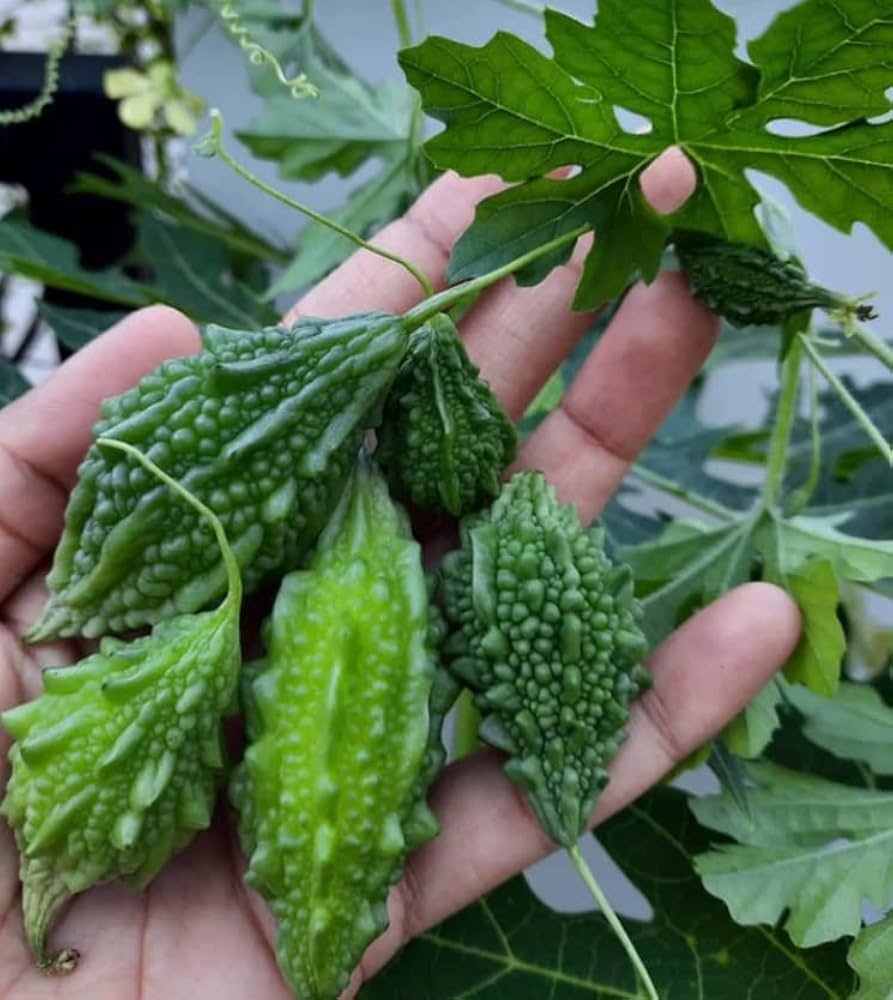
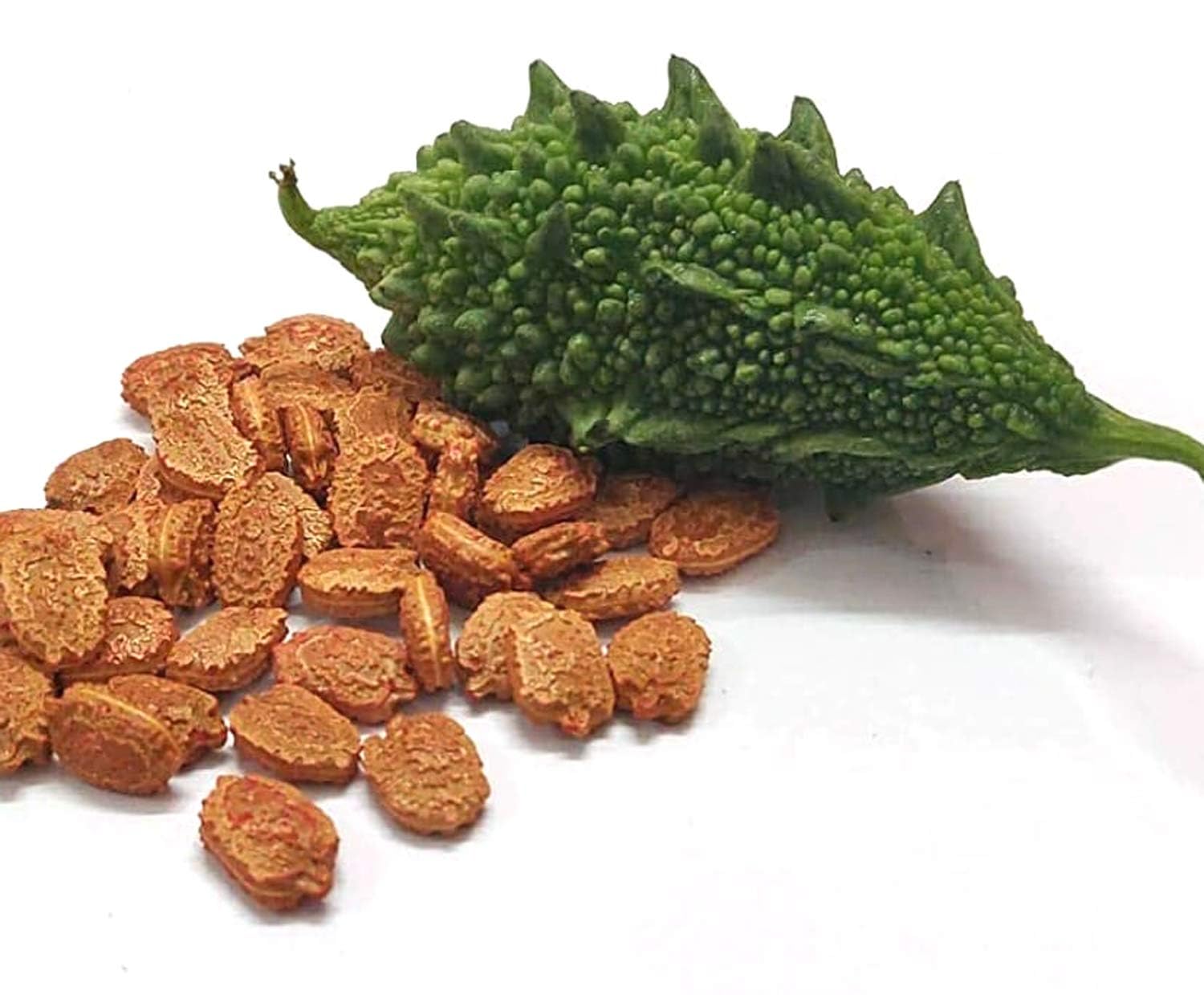
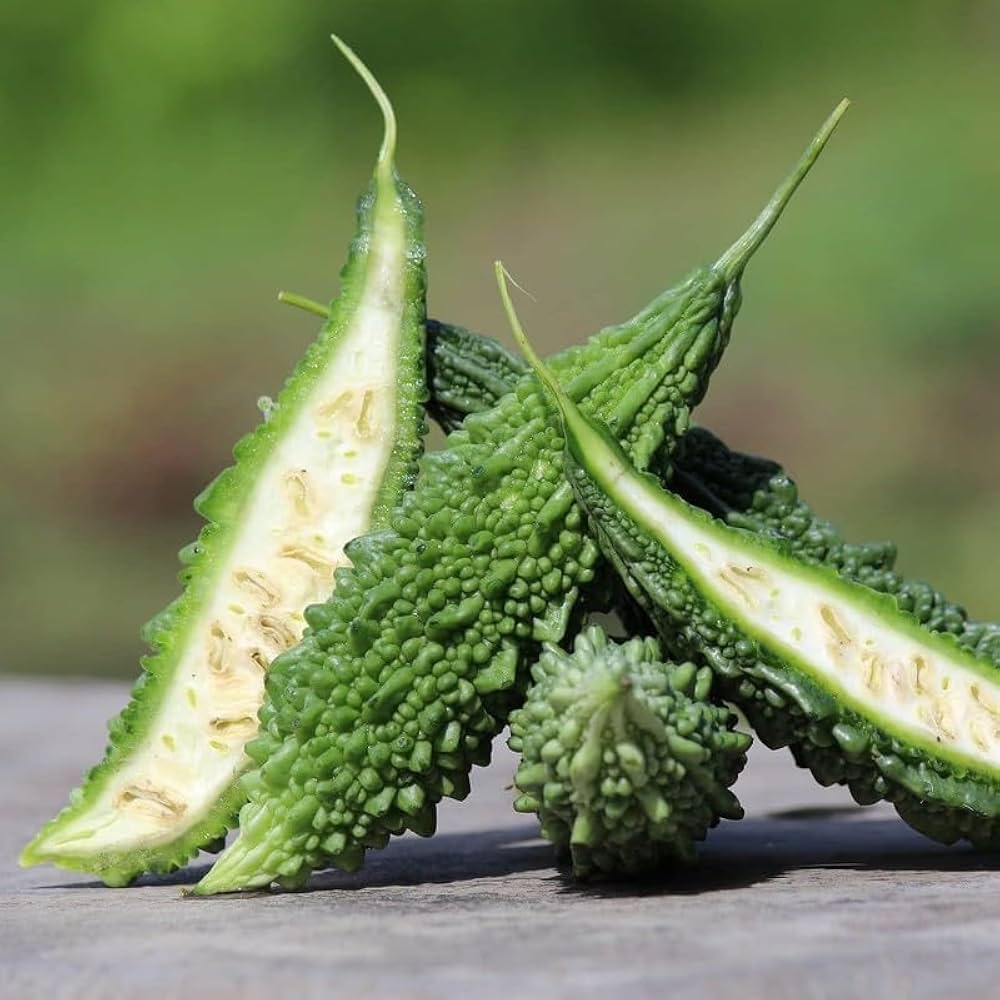
Bitter Gourd Seeds for Planting Momordica Charantia vegetable patch healing garden
Free Shipping on all Orders
Bitter Gourd Seeds are a trusted choice for gardeners looking to grow vigorous climbing plants with reliable production throughout the warm season. This Momordica charantia variety performs exceptionally well in vegetable patches, healing gardens, trellis systems, and container setups.
These Non-GMO seeds are valued for their strong germination, adaptable growth habits, and steady fruit production. Bitter gourd thrives in full sun with nutrient-rich, well-draining soil and is ideal for vertical gardening due to its natural climbing ability. Popular search terms such as “bitter gourd seeds for planting,” “Momordica charantia seeds,” and “high yield bitter gourd” reflect its popularity among home gardeners.
Whether you’re a beginner or experienced grower, this classic variety offers dependable growth and consistent warm-season performance.
Features
- Non-GMO, high-quality seeds
- Vigorous climbing growth
- Reliable warm-season performance
- Suitable for vegetable patches, healing gardens, and vertical gardening
- High yield potential throughout the season
- Beginner-friendly and adaptable to various garden setups
Specifications
Seed Type: Bitter Gourd (Momordica charantia)
Common Name (US): Bitter Gourd Seeds
Plant Type: Warm-season annual vine
Seed Quality: Non-GMO
Growth Habit: Climbing plant
Sun Exposure: Full sun
Soil Type: Fertile, well-draining soil
Soil pH: 6.0–6.8
Hardiness Zones: USDA Zones 7–11 (grown as annual)
Season of Sowing: Late spring or early summer after frost
Days to Germination: 7–14 days
Days to Maturity: 55–70 days
Plant Height: 6–10 feet with support
Plant Spacing: 12–18 inches
Row Spacing: 36–48 inches
Water Requirements: Moderate, consistent moisture
Temperature Requirements: 75–90°F ideal
Container Friendly: Yes, with trellis or vertical support
Planting Guide
- Soak seeds for 12–24 hours before sowing to speed up germination.
- Plant seeds 0.5–1 inch deep in warm, well-draining soil.
- Provide a trellis, fence, or vertical frame for climbing.
- Ensure full sun exposure for strong growth.
- Water consistently while avoiding oversaturation.
- Harvest fruits when green and firm for best quality.
- Prune vines to maintain airflow and encourage more flowering.
Choose options