
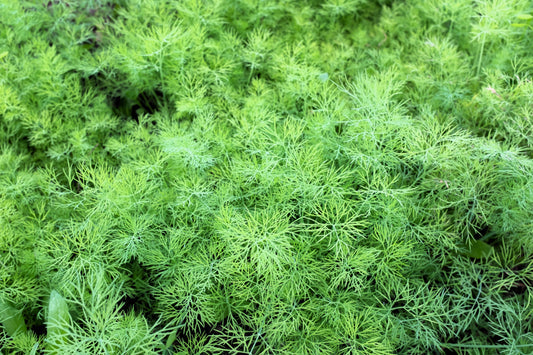
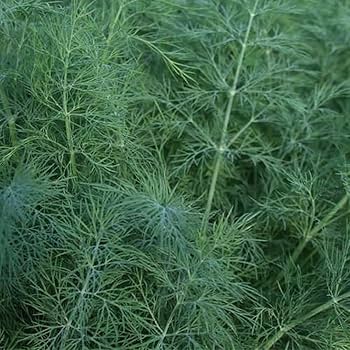
Bouquet Dill (Anethum graveolens) Herb & Flower Seeds
Free Shipping on all Orders
Discover the rich aroma and versatile uses of Bouquet Dill Seeds, a popular herb variety prized by gardeners and home cooks across the United States. Known for its vibrant green foliage and umbrella-like flower clusters, Bouquet Dill offers excellent flavor for pickling, cooking, and fresh salads.
These non-GMO seeds thrive in full sun and well-drained soil, making them an easy-choice herb for both beginner and experienced gardeners. With quick germination and robust growth, Bouquet Dill is suitable for various climates and is adaptable as both a garden and container plant.
Bouquet Dill is not only culinary but also beneficial in the garden as a pollinator attractor and companion plant. Use in sauces, dips, fish dishes, and homemade pickles for a bold, refreshing flavor.
Features
- Heirloom quality Dill with strong aroma and flavor
- Excellent for pickling and cooking
- Fast-growing and easy to cultivate
- Attracts pollinators and beneficial insects
- Suitable for garden beds and containers
Non-GMO seeds for clean, natural growth
|Specifications
- Seed Type: Bouquet Dill (Anethum graveolens)
- Common Name: Dill
- Plant Type: Annual Herb
- Plant Height: 2 – 3 feet tall
- Zones: USDA Zones 3–11
- Light Requirement: Full Sun
- Soil Type: Well-draining, moderately rich soil
- Germination Time: 7 – 14 days
- Days to Maturity: 40 – 60 days
- GMO Status: Non-GMO
- Season: Spring and Fall (best planted after frost)
- Planting Depth: 1/4 inch
- Spacing: 12 – 15 inches apart
- Optimal Temperature: 60°F to 70°F (16°C to 21°C)
- Watering: Moderate, keep soil consistently moist
- Companion Plants: Cabbage, Onions, Lettuce, Cucumbers, Basil
- Harvest Window: Leaves: Young and tender, before flowering
- Uses: Culinary, pickling, pollinator support
-
Storage: Store in cool, dry place until planting
Planting Guide
- Prepare Soil: Choose a sunny spot with fertile, well-draining soil. Loosen the soil to a depth of 8–10 inches.
- Sow Seeds: Plant seeds directly outdoors after the last frost or indoors 4–6 weeks before transplanting.
- Water: Keep soil moist but not waterlogged during germination and early growth.
- Thin Plants: Once seedlings are 2–3 inches tall, thin to allow proper spacing.
- Harvest: Cut fresh leaves when young for best flavor. Harvest seed heads once they turn brown for drying.Specifications
Choose options