
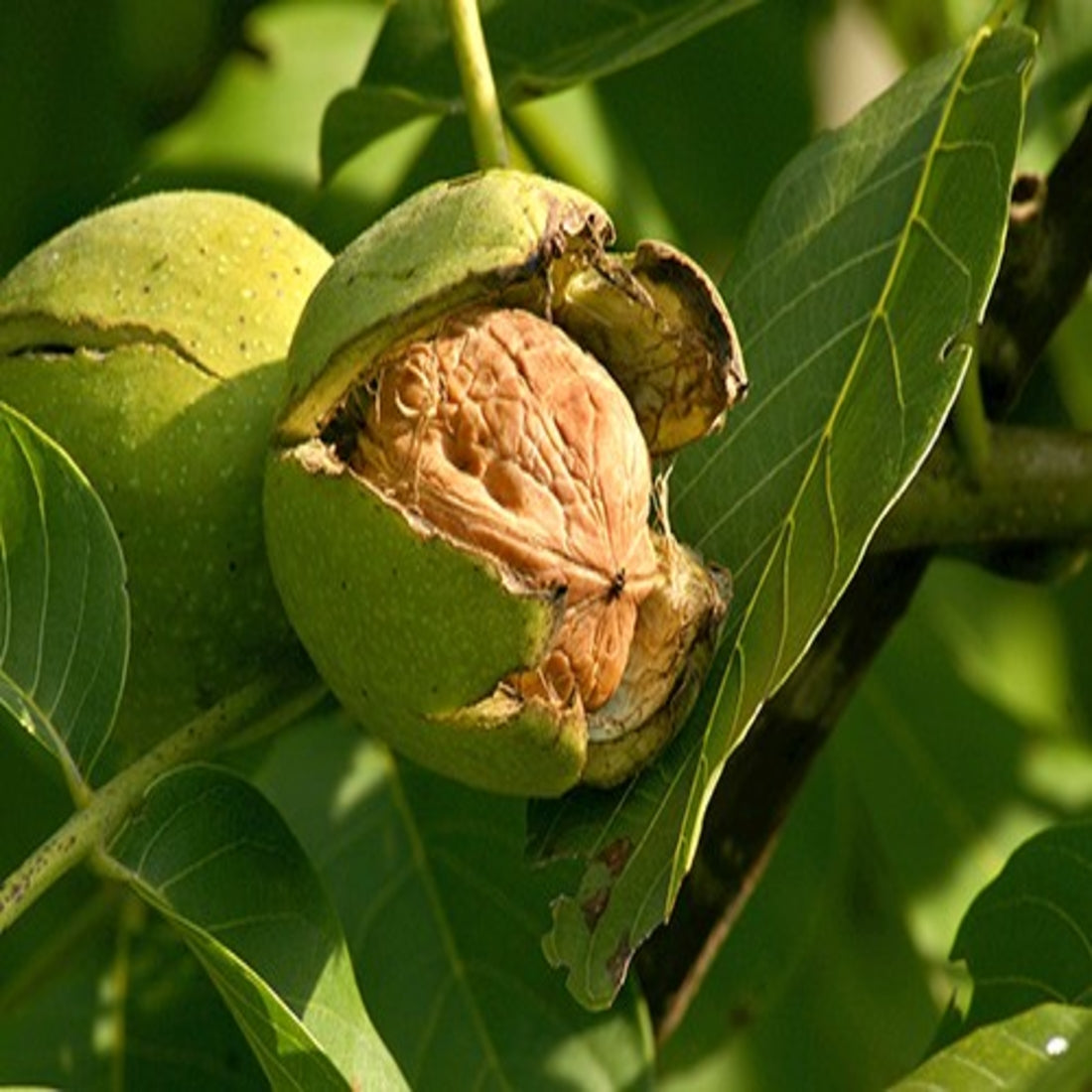


Green Walnut Fruit Planting Seeds - Nutritious Seeds for Home Gardening & Sustainable Planting
Free Shipping on all Orders
Experience the satisfaction of growing your own walnut trees with our premium Green Walnut Seeds. Known for their rich nutritional value and sturdy growth, these Non-GMO seeds are ideal for home gardeners and sustainable farming enthusiasts alike.
Walnut trees not only provide delicious, protein-rich nuts but also enhance your garden’s shade and landscape appeal. With proper care, these trees become a rewarding addition to your edible garden or orchard for generations.
Features
- Premium Non-GMO Seeds: Natural, untreated seeds perfect for sustainable planting.
- High Germination Rate: Ensures consistent and healthy seedling development.
- Nutritious Yield: Produces nutrient-rich, flavorful walnuts for home use.
- Long-Lived Trees: Ideal for long-term cultivation and reforestation projects.
- Adaptable Growth: Thrives in a range of soil and climate conditions.
Specifications
- Scientific Name: Juglans regia
- Common Name: Walnut
- Plant Type: Deciduous tree
- Seed Type: Non-GMO, untreated
- Growth Habit: Large, spreading canopy
- Sun Exposure: Full sun
- Soil Type: Deep, well-drained loamy soil
- Soil pH: 6.0–7.5
- Watering Needs: Regular watering during establishment; drought-tolerant when mature
- USDA Hardiness Zones: 5–9
- Planting Season: Late winter to early spring
- Temperature Range: 60°F–85°F (15°C–29°C)
- Germination Time: 4–6 weeks (cold stratification recommended)
- Maturity Period: 5–7 years for nut production
- Planting Depth: 1–2 inches (2.5–5 cm)
- Spacing: 25–30 feet apart
- Fertilization: Use balanced NPK fertilizer in early spring
- Pollination: Partially self-pollinating; better yield with multiple trees
- GMO Status: Non-GMO
- Special Feature: Produces high-quality hardwood and edible nuts
- Lifespan: Can live over 100 years with proper care
Planting Guide
- Cold Stratification: Refrigerate seeds for 60–90 days in moist sand to improve germination.
- Soil Preparation: Choose deep, fertile soil with good drainage.
- Sow Seeds: Plant 1–2 inches deep in early spring after stratification.
- Watering: Keep soil moist but avoid overwatering.
- Sunlight: Place in a full-sun location for best growth.
- Mulching: Add organic mulch around seedlings to retain moisture.
- Fertilization: Apply balanced fertilizer annually during the growing season.
- Maintenance: Prune during dormancy to shape the tree and promote healthy branching.
Green Walnut Fruit Planting Seeds - Nutritious Seeds for Home Gardening & Sustainable Planting
Sale price$16.10
Choose options