
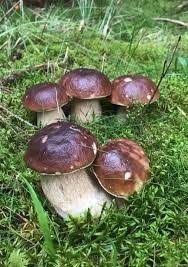
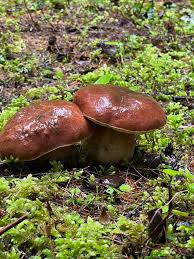
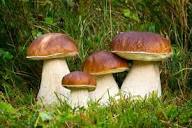
Slippery Jack Mushroom Vegetable Seeds for Planting
Free Shipping on all Orders
Grow your own Slippery Jack mushrooms (Suillus luteus) using premium spores designed for planting outdoors near pine trees. This edible wild mushroom is known for its smooth cap, slimy skin, and long-lasting productivity once established in a suitable environment.
Slippery Jack is a mycorrhizal mushroom, meaning it grows in partnership with tree roots. Once inoculated, the spores naturally form a beneficial bond with pine trees, producing mushrooms seasonally for many years. Perfect for edible forest gardens, woodland landscapes, and natural mushroom cultivation.
These non-GMO Slippery Jack mushroom spores are ideal for long-term mushroom production in outdoor settings where pine trees already exist or will be planted.
Features
- Edible mycorrhizal mushroom that grows with pine roots.
- Suitable for outdoor planting in woodland gardens.
- Long-lasting seasonal production once established.
- Non-GMO mycelium culture designed for outdoor use.
- Great for forest landscaping and natural cultivation.
- Thrives in cool to temperate climates.
- Ideal for gardeners wanting low-maintenance edible fungi.
Specifications
- Product Type: Slippery Jack Mushroom Spores
- Scientific Name: Suillus luteus
- Growth Type: Mycorrhizal mushroom (partners with pine trees)
- Planting Partner Required: Must be planted with pine tree roots (e.g., Pinus species)
- Non-GMO: Yes
- Heirloom: Wild culture type
- USDA Zones: Best in Zones 3–9
- Ideal Environment: Woodland, outdoor shaded areas
- Fruiting Season: Late summer to fall, annually after establishment
- Soil Preference: Moist, well-drained, organic forest soil
- Water Requirement: Maintain soil moisture; do not saturate
- Establishment Time: 1–2 years before fruiting begins
- Life Span: Multi-year production once established
Planting Guide
- Identify or plant pine trees in suitable outdoor soil.
- Apply spores directly into moist soil at the base of pine trees.
- Cover lightly with forest soil, mulch, or composted organic matter.
- Keep soil consistently moist but never waterlogged.
- Avoid using chemicals in the area (they harm mycorrhiza).
- Maintain natural leaf litter or mulch around the tree base.
- Fruiting typically begins 1–2 years after successful inoculation.
- Harvest mushrooms in late summer to fall when caps are fully mature.
- Allow spores to drop to encourage long-term colony growth.
Choose options