

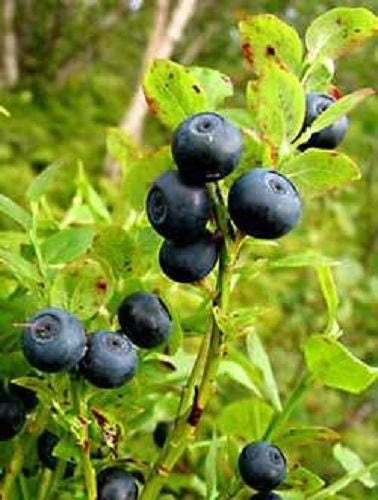
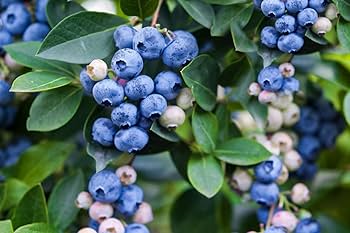
Common Bilberry (Vaccinium myrtillus) Fruit Shrub European Blueberry Seeds
Free Shipping on all Orders
Bring the taste of Europe’s forests to your backyard with the Common Bilberry, also known as the European Blueberry. This compact, deciduous shrub produces deep blue, sweet-tart berries prized for their rich flavor and high antioxidant content. Perfect for fresh eating, baking, or preserves, bilberries are a nutrient-dense addition to any home garden.
Native to Northern and Central Europe, Bilberry plants thrive in cool climates and acidic, well-drained soils. Their delicate pinkish-white flowers bloom in spring, followed by small, dark blue fruits in summer. These hardy, non-GMO seeds produce shrubs that are ideal for edible landscaping, borders, or container growing.
Features
- 🫐 Delicious European Blueberries: Produces small, sweet-tart berries rich in flavor and antioxidants.
- 🌿 Compact Shrub: Perfect for gardens, edible landscapes, or container growing.
- ❄️ Cold-Hardy Variety: Grows well in northern climates and tolerates frost.
- 🌸 Ornamental Appeal: Pinkish-white spring blooms attract pollinators.
- 🌱 Non-GMO Seeds: Naturally sourced and untreated for healthy growth.
- 🍰 Culinary Uses: Ideal for jams, pies, juices, and fresh snacking.
Specifications
- Common Name: Common Bilberry / European Blueberry
- Scientific Name: Vaccinium myrtillus
- Plant Type: Deciduous fruit shrub
- Zones: USDA 3–7
- Growth Habit: Low-growing, spreading
- Height: 8–18 inches
- Spread: 1–2 feet
- Sunlight: Full sun to partial shade
- Soil Type: Acidic, well-drained sandy or loamy soil
- Soil pH: 4.5–5.5
- Watering: Moderate; prefers consistent moisture
- Temperature Range: 45–75°F (7–24°C)
- Days to Germination: 30–90 days (requires cold stratification)
- Maturity: 2–3 years to fruit production
- Bloom Time: Spring
- Harvest Season: Summer
- Pollination: Self-fertile but benefits from cross-pollination
- GMO Status: 100% Non-GMO
- Uses: Edible fruits, medicinal use, ornamental planting
Planting Guide
- Cold Stratification: Mix seeds with damp peat moss and refrigerate for 60–90 days before planting.
- Prepare Soil: Use acidic, well-draining soil enriched with organic matter.
- Sow Seeds: Sprinkle seeds on soil surface; lightly cover with peat or fine sand.
- Water: Keep soil consistently moist but not waterlogged.
- Light: Provide full sun to partial shade.
- Germination: Expect sprouts within 1–3 months.
- Transplanting: Move seedlings outdoors after last frost, spacing 18–24 inches apart.
- Mulching: Add pine needles or peat mulch to retain acidity and moisture.
- Fertilization: Use fertilizer formulated for acid-loving plants (like blueberries).
- Harvest: Collect ripe berries in mid to late summer when dark blue and easily detach.
Care Tips
- Maintain acidic soil using organic mulches such as pine needles or peat.
- Avoid overwatering; ensure good drainage to prevent root rot.
- Prune old stems in late winter to encourage new growth.
- Protect ripening fruit from birds with netting.
- Companion plant with blueberries or cranberries for visual appeal and soil compatibility.
Choose options