
Conehead Thyme (Thymus capitatus syn. Thymbra capitata) Mediterranean Herb with Purple Flowers Seeds
Free Shipping on all Orders
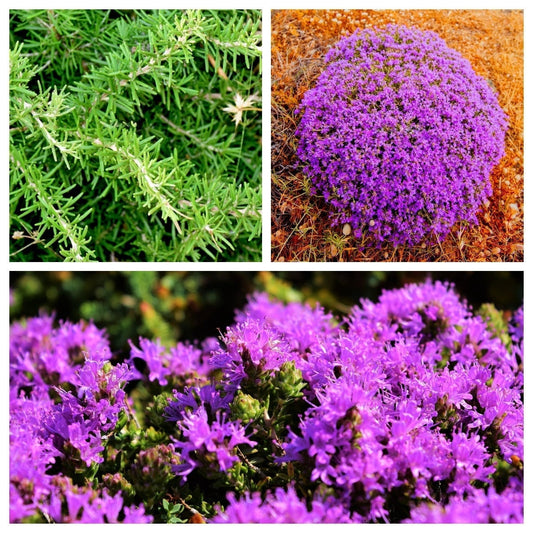
Conehead Thyme (Thymus capitatus, syn. Thymbra capitata) is a resilient Mediterranean herb known for its aromatic foliage and stunning cone-shaped clusters of purple flowers. A favorite in Mediterranean cuisine, this hardy perennial herb offers both ornamental beauty and culinary versatility.
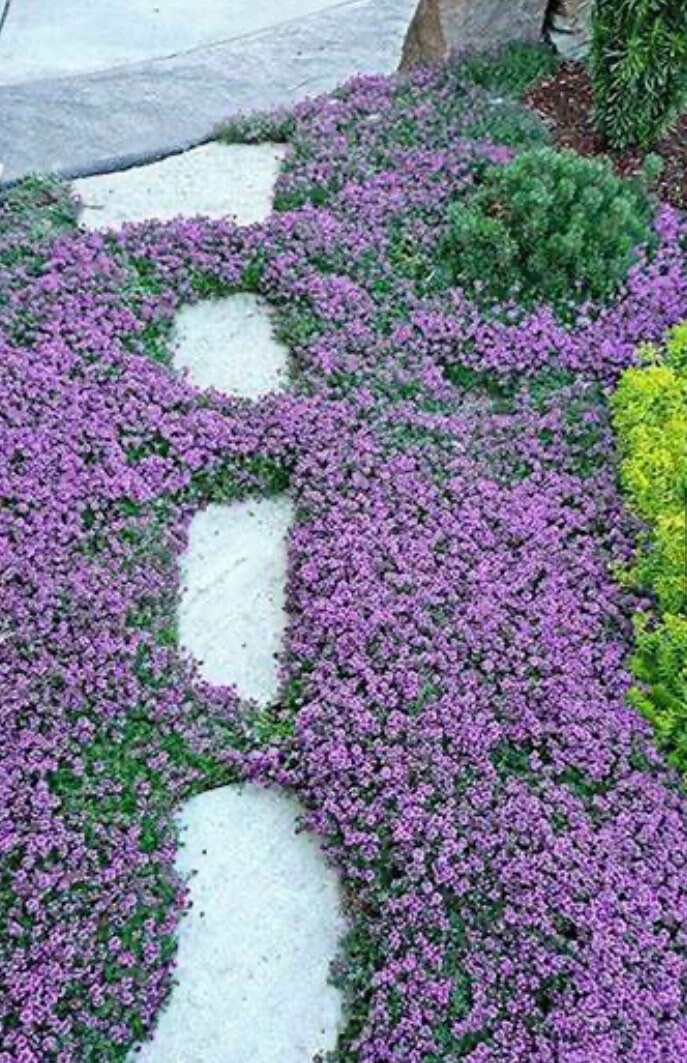
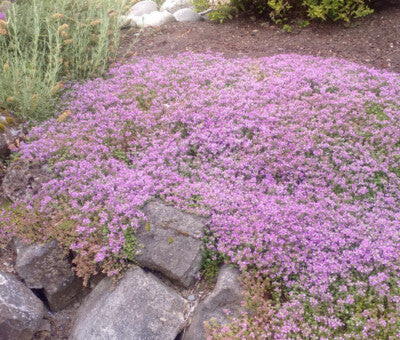
Forms compact, low-growing mounds that thrive in full sun and poor, rocky soils, making it perfect for xeriscaping, herb rock gardens, and container planting. Its rich, peppery aroma and high essential oil content make it an exceptional herb for cooking or drying. As a pollinator magnet, it attracts bees and beneficial insects, enhancing biodiversity in your garden.
Non-GMO and easy to care for, Conehead Thyme is ideal for gardeners interested in drought-resistant herbs that offer both beauty and utility.
Features
- Aromatic culinary herb with intense thyme flavor
- Produces beautiful purple cone-shaped flowers
- Drought-tolerant and heat-loving Mediterranean native
- Excellent for rock gardens, herb borders, and containers
- Non-GMO heirloom seeds
- Attracts bees and beneficial insects
Specifications
- Seed Type: Conehead Thyme (Thymus capitatus)
- Common Name: Conehead Thyme
- Plant Type: Perennial Herb
- Plant Height: 8 – 12 inches
- Zones: USDA Zones 7–10
- Light Requirement: Full Sun
- Soil Type: Well-draining, sandy or rocky soil
- Germination Time: 14 – 21 days
- Days to Maturity: 85 – 100 days
- GMO Status: Non-GMO
- Season: Spring planting (after frost)
- Planting Depth: Surface sow; lightly press into soil
- Spacing: 8 – 10 inches apart
- Optimal Temperature: 65°F to 75°F (18°C to 24°C)
- Watering: Low; drought-tolerant once established
- Companion Plants: Sage, Rosemary, Lavender
- Bloom Time: Mid to late summer
- Pollinator Support: Highly attractive to bees and butterflies
- Uses: Culinary, rock gardens, borders, ornamental
- Storage: Store seeds in a cool, dry place until planting
Planting Guide
- Start Indoors: Sow seeds indoors 6–8 weeks before last frost.
- Transplant: Move outdoors after frost in full sun.
- Soil Prep: Use gritty or sandy soil with excellent drainage.
- Watering: Water sparingly once established; avoid overwatering.
- Harvest: Cut stems for fresh use or drying when in full growth.
Choose options