
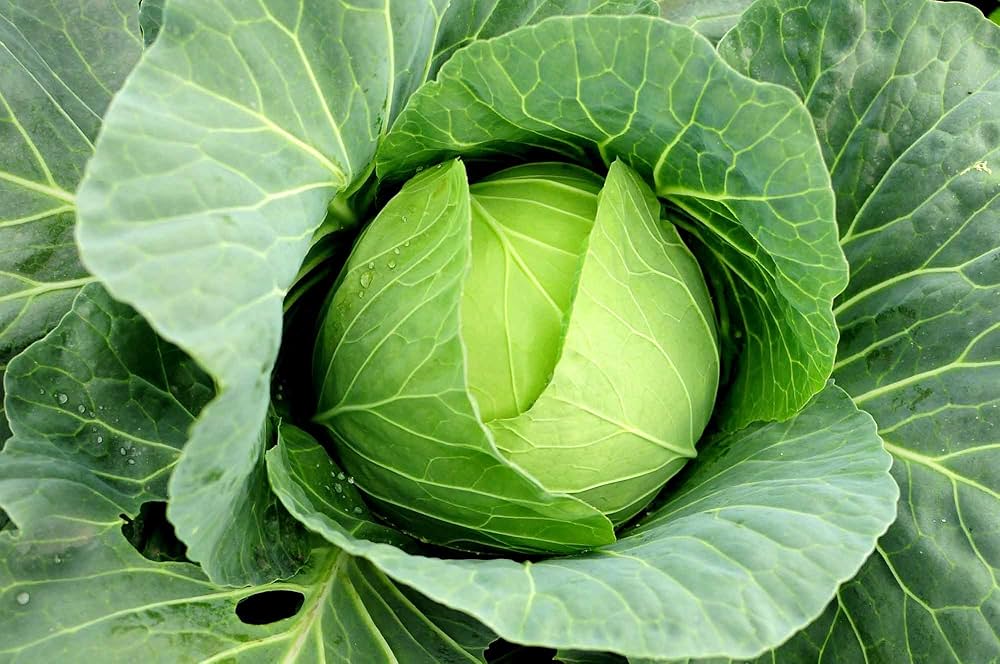
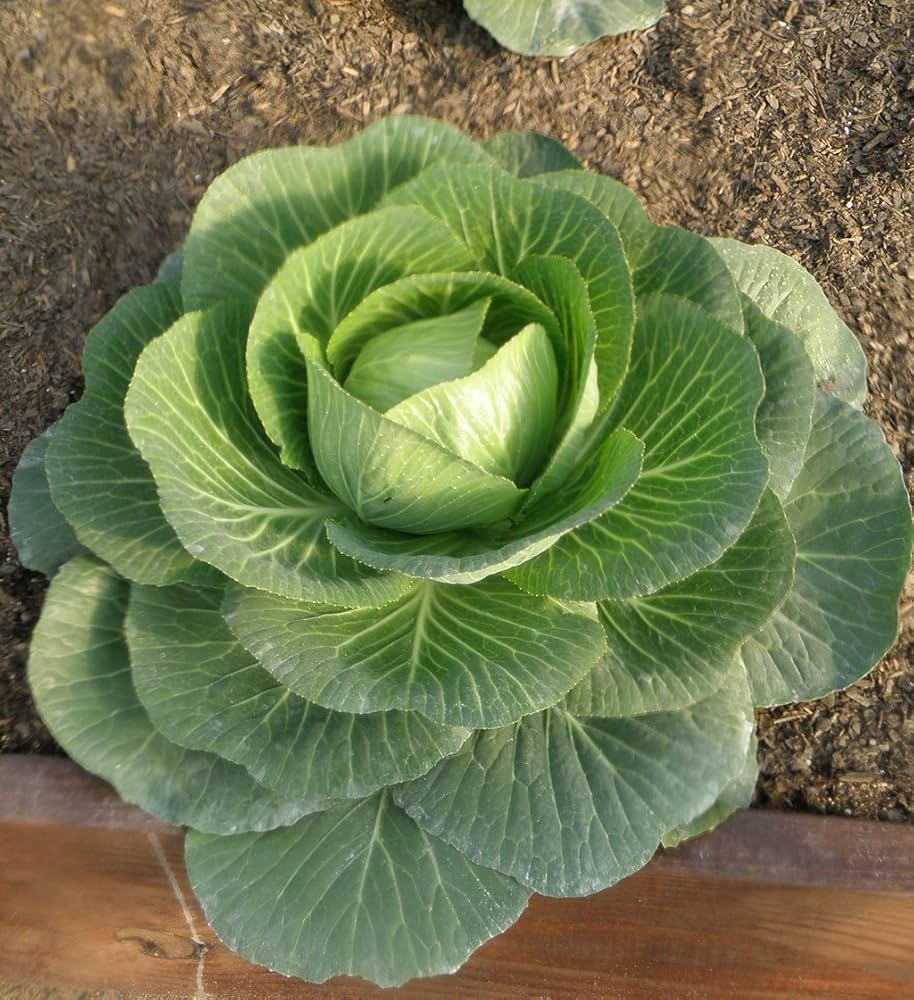
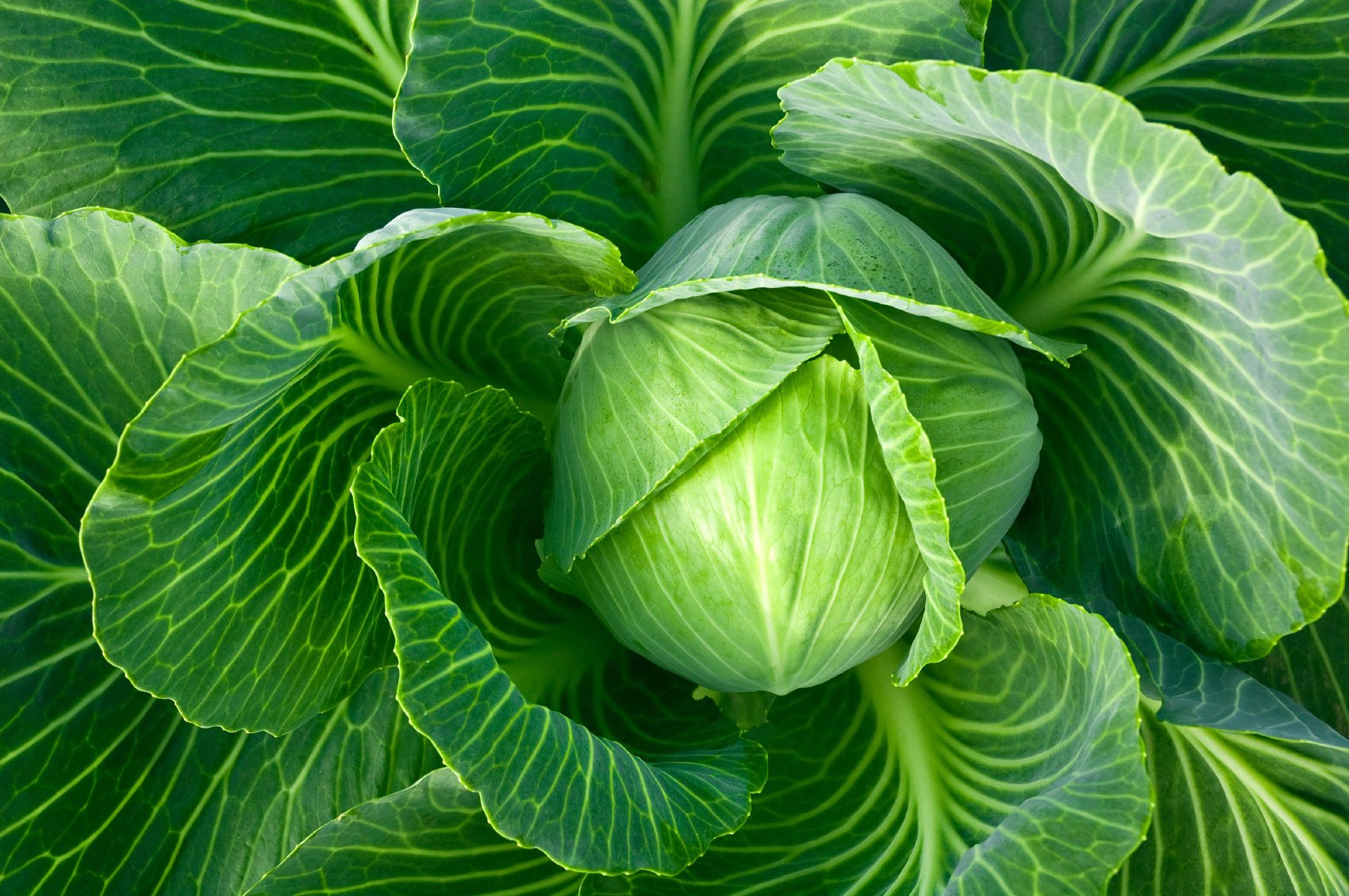
Macaroni Seeds for Planting Brassica Oleracea vegetable patch school garden
Free Shipping on all Orders
Macaroni Seeds (Brassica oleracea) are perfect for gardeners and educational projects aiming to grow productive, healthy plants in vegetable patches and school gardens. These Non-GMO seeds offer reliable germination and vigorous growth, making them ideal for hands-on gardening experiences and small-space planting.
Brassica oleracea is a versatile plant that thrives in fertile, well-draining soil and full sunlight. It is often grown in educational gardens due to its quick growth and high yield, allowing students to observe the full plant lifecycle. Popular search terms include “Macaroni seeds,” “Brassica oleracea seeds,” and “school garden seeds,” making this an excellent choice for home, urban, and educational garden setups.
With proper care, Macaroni plants develop strong stems, vibrant foliage, and consistent productivity throughout the growing season, making them both practical and visually appealing in any vegetable patch.
Features
- Non-GMO, high-germination seeds
- Vigorous growth in school and home gardens
- Ideal for vegetable patches and educational gardening
- Performs well in full sun and fertile soil
- Strong stems and consistent production
- Easy-to-grow variety suitable for beginners
Specifications
- Scientific Name: Brassica oleracea
- Common Name: Macaroni Seeds
- Seed Type: Non-GMO
- Plant Type: Annual or biennial vegetable
- Growth Habit: Upright, bushy growth
- Sun Exposure: Full sun
- Soil Type: Fertile, well-draining soil
- Soil pH Range: 6.0–7.0
- Water Requirements: Moderate, consistent moisture
- USDA Zones: 4–10
- Temperature Preference: Cool to moderate climates
- Days to Germination: 7–14 days
- Days to Maturity: 50–70 days
- Plant Height: 12–24 inches
- Plant Spacing: 12–18 inches
- Sowing Depth: ¼–½ inch
- Planting Season: Spring and early summer
- Container Friendly: Yes, small raised beds and pots
- Fertilizer Needs: Benefits from compost or balanced nutrients
- Maintenance Level: Low to moderate
- Climate Suitability: Warm-season growth in temperate climates
- Garden Uses: School gardens, home vegetable patches, urban gardens
- Support Needed: None required
- Special Features: Quick germination and growth for educational purposes
- Seed Quality: High viability, Non-GMO
Planting Guide
- Sow seeds ¼–½ inch deep in fertile, well-draining soil.
- Maintain consistent moisture until germination occurs.
- Provide full sun for best growth and productivity.
- Thin seedlings to 12–18 inches apart for optimal spacing.
- Apply mulch to maintain soil moisture and reduce weeds.
- Fertilize lightly with compost or balanced fertilizer every 3–4 weeks.
- Harvest when plants reach full size or desired maturity.
Choose options