


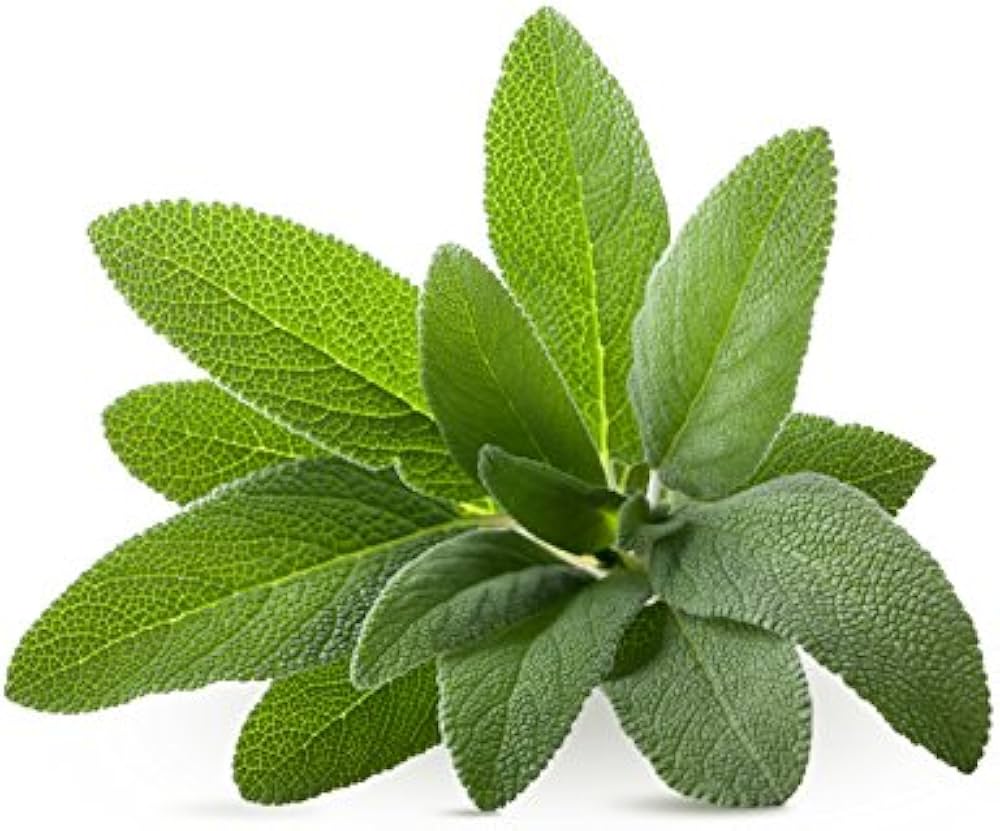
Sage Plant Seeds Salvia officinalis for Planting in Home Garden
Free Shipping on all Orders
Sage Plant Seeds
Characteristics and Uses of Sage
Sage (Salvia officinalis) is an aromatic herb widely used for culinary and medicinal purposes. Known for its strong flavor and fragrant leaves, Sage is a staple in Mediterranean cuisine and is also known for its health benefits.
Growing Conditions for Sage
- Light Requirements: Full sun
- Soil Type: Well-drained, slightly alkaline soil
- pH Range: 6.0–7.0
- Temperature: Prefers moderate temperatures, ideal for warm climates
Planting Tips for Sage
Plant Sage seeds in a sunny location after the last frost. Space the plants about 18 inches apart to allow for proper air circulation. Sage prefers dry, well-drained soil and can tolerate periods of drought.
Watering Instructions and Tips
Water Sage plants sparingly, as they do not like to sit in wet soil. Water when the soil feels dry to the touch, but avoid overwatering.
Growing Zones
USDA Zones: 4–8
Global Zones: Suitable for temperate climates.
Key Benefits & Uses
- Perfect for culinary uses, including meats, stews, and soups
- Medicinal properties for digestive and anti-inflammatory benefits
- Attractive plant with soft, gray-green foliage
Best Uses in the Garden & Landscape
- Great for herb gardens, containers, and raised beds
- Ideal for culinary herb gardens
- Used in companion planting to repel certain pests
Conclusion
Grow your own fresh, flavorful Sage with seeds from Dhara Seeds, offering premium, non-GMO varieties for home gardeners.
FAQ
Can Sage be grown indoors?
Yes, Sage can be grown indoors in containers if it receives plenty of sunlight.
How long does it take for Sage to grow from seed?
Sage seeds usually take 2–3 weeks to germinate and can be harvested in about 3–4 months.
Choose options