

Seagrape Fruit Cocoloba uvifera Seeds for Planting in Coastal Garden & Landscape
Free Shipping on all Orders
Seagrape Fruit Seeds
Characteristics and Uses of Seagrape Fruit Plants
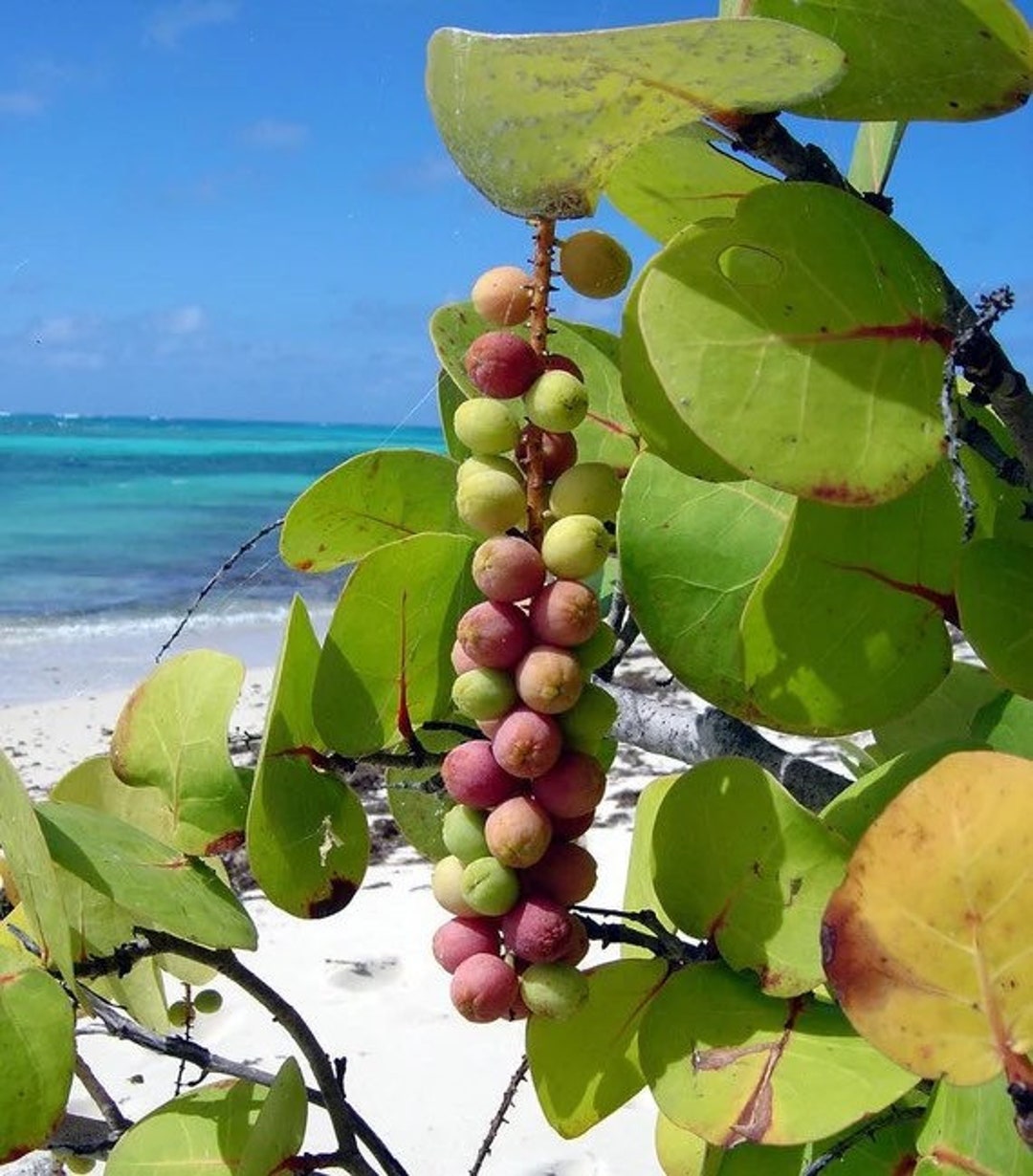
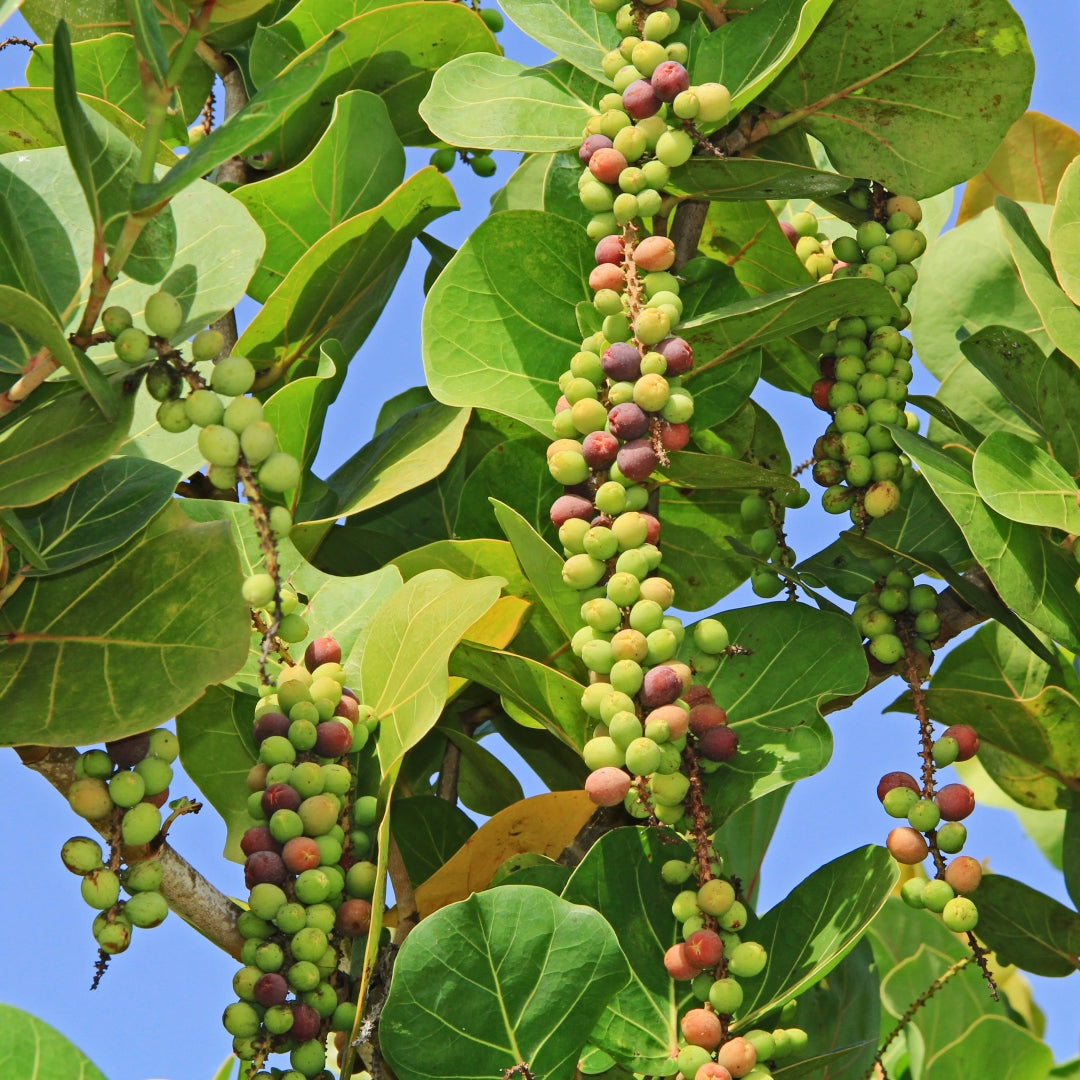
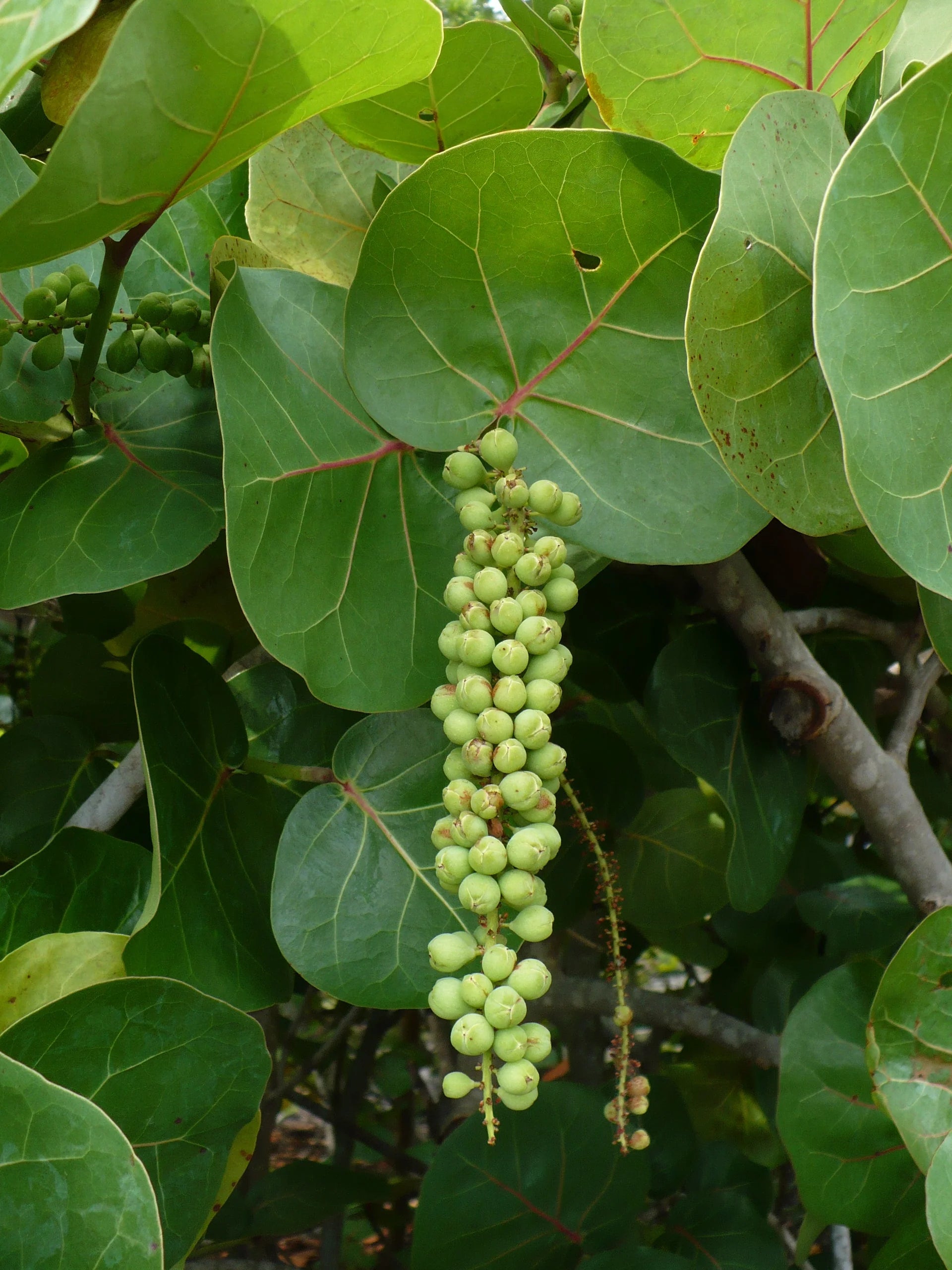
Seagrape (Coccoloba uvifera) is a tropical plant that produces small, round fruits resembling grapes. These fruits are often used to make jams, jellies, and beverages. The plant is known for its attractive, leathery leaves and sprawling nature, making it an ideal choice for coastal landscapes, where it thrives in salty environments.
Growing Conditions for Seagrape Fruit Plants
- Light Requirements: Full sun
- Soil Type: Sandy, well-draining soil
- Temperature: Prefers warm temperatures between 70-95°F (21-35°C)
- Humidity: Tolerant of high humidity and salt spray
Planting Tips for Seagrape Fruit Plants
- Plant in a sunny, well-drained coastal or tropical garden location.
- Space plants at least 10-15 feet apart to allow for growth.
- Ensure that the soil has good drainage to prevent root rot.
Watering Instructions and Tips
Seagrapes are drought-tolerant once established but benefit from occasional watering, especially during dry spells. Ensure that the soil does not remain too wet for long periods.
Growing Zones
- USDA Zones: 10-11
- Global Zones: 10-11
Key Benefits & Uses
- Produces unique, edible fruit used in various culinary applications.
- Attractive plant for coastal gardens, offering both ornamental and functional benefits.
- Resilient to salt and high humidity, ideal for coastal landscaping.
Best Uses in the Garden & Landscape
Seagrape plants are ideal for coastal and tropical gardens, providing shade and producing edible fruit. They are perfect for planting near the beach or in areas exposed to saltwater.
Conclusion
Dhara Seeds is a big, trusted name in the USA seed market with a vast, high-quality selection. Seagrape plants offer gardeners a low-maintenance, ornamental plant that produces delicious fruit.
FAQ
How long does it take for Seagrape plants to bear fruit?
Seagrape plants typically take 2-3 years to start producing fruit after planting.
Can Seagrape grow in containers?
Yes, Seagrape plants can be grown in large containers, but they require space for their root systems and thrive in sandy, well-draining soil.
What is the best soil for Seagrape plants?
Seagrape plants prefer well-draining, sandy soils, but they can tolerate a variety of soil types as long as drainage is good.
Choose options