
Trailing Blackberry (Rubus ursinus) Vining Shrub Fruit Berry Seeds – Pacific Blackberry
Free Shipping on all Orders
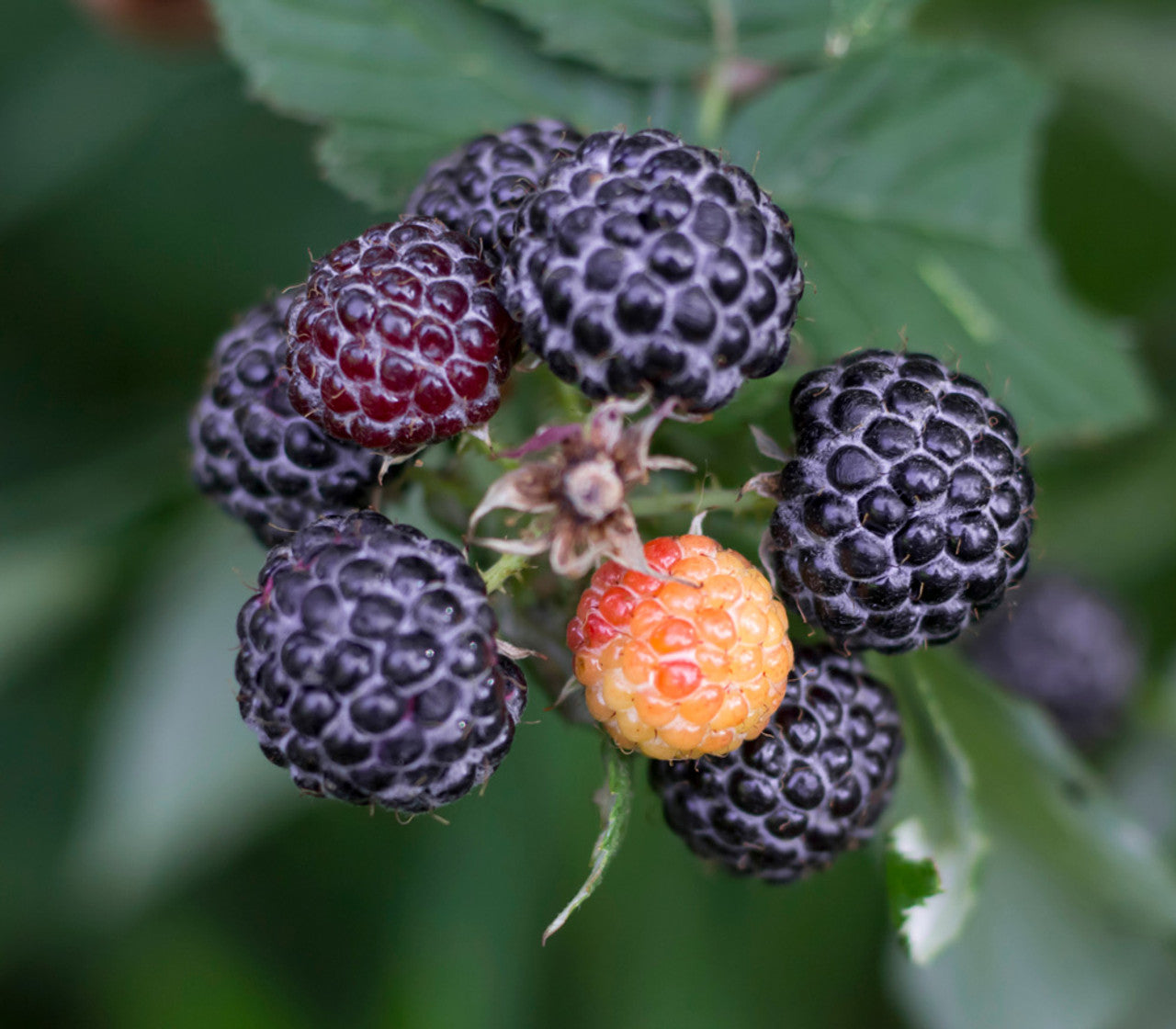
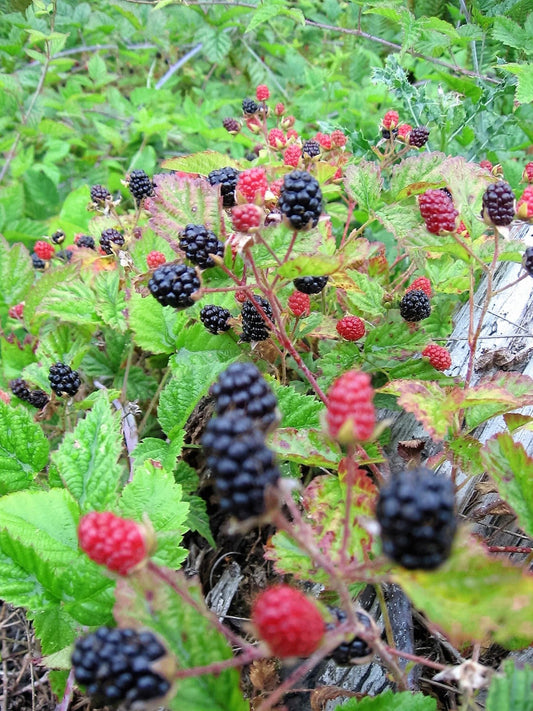
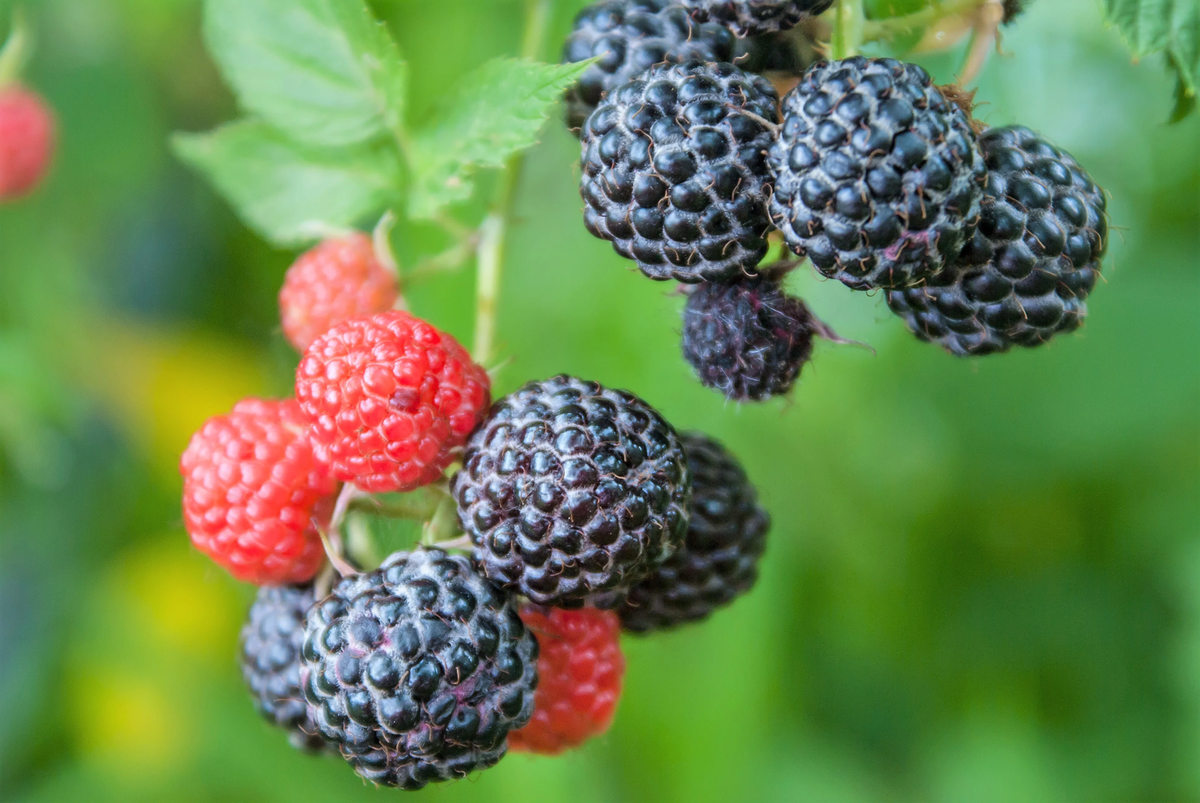
Bring the flavor of the wild to your garden with the Trailing Blackberry (Rubus ursinus), also known as the Pacific Blackberry. This hardy, vining shrub produces clusters of juicy, sweet-tart blackberries that are rich in antioxidants and vitamins. A native species to North America’s west coast, it is ideal for naturalizing landscapes, creating edible hedges, or training along trellises and fences.
The Rubus ursinus vine is low-growing and spreading, making it a great choice for groundcover in sunny or partially shaded areas. Its white spring flowers attract pollinators, while its dark, glossy berries provide delicious summer harvests. Whether you’re looking for a wild, natural aesthetic or a productive berry crop, this hardy plant is a must-have for fruit lovers.
Features
- Sweet Wild Berries: Produces flavorful blackberries perfect for eating fresh or preserving.
- Native and Hardy: Adapted to diverse climates; drought-tolerant once established.
- Pollinator Friendly: Attracts bees and butterflies with its small white flowers.
- Vining Growth Habit: Excellent for groundcover, trellises, or wild garden edges.
- Nutrient-Rich Fruit: Packed with antioxidants, fiber, and vitamins A and C.
Specifications
- Common Name: Trailing Blackberry / Pacific Blackberry
- Scientific Name: Rubus ursinus
- Plant Type: Perennial vining shrub
- USDA Zones: 5–9
- Growth Habit: Trailing or low climbing; 3–6 ft spread
- Light Requirements: Full sun to partial shade
- Soil Type: Well-draining, fertile soil
- Soil pH: 5.5–7.0
- Watering: Keep soil moist, especially during fruiting
- Temperature Range: 60–85°F (15–30°C)
- Germination Time: 2–6 weeks
- Bloom Time: Spring (white flowers)
- Fruit Harvest: Summer to early fall
- GMO Status: 100% Non-GMO
- Organic Status: Naturally grown, untreated seeds
- Uses: Fresh eating, preserves, pies, smoothies, and wildlife gardens
Planting Guide
- Cold Stratification: Refrigerate seeds in moist sand for 30–60 days before sowing.
- Sowing Depth: Plant ¼ inch deep in well-draining seed mix.
- Light: Place in bright, indirect sunlight or a greenhouse.
- Temperature: Maintain 65–75°F for germination.
- Watering: Keep soil evenly moist but not soggy.
- Transplanting: Move seedlings outdoors after last frost.
- Support: Train vines along a trellis or allow them to trail naturally.
- Pruning: Prune older canes annually to encourage new growth.
- Harvest: Pick berries when fully black and glossy for peak flavor.
Care Tips
- Space plants 3–4 feet apart for optimal growth.
- Mulch around base to retain moisture and prevent weeds.
- Protect from birds during fruiting season.
- Apply compost or balanced fertilizer in spring.
- Water regularly during dry periods for consistent fruiting.
Choose options