
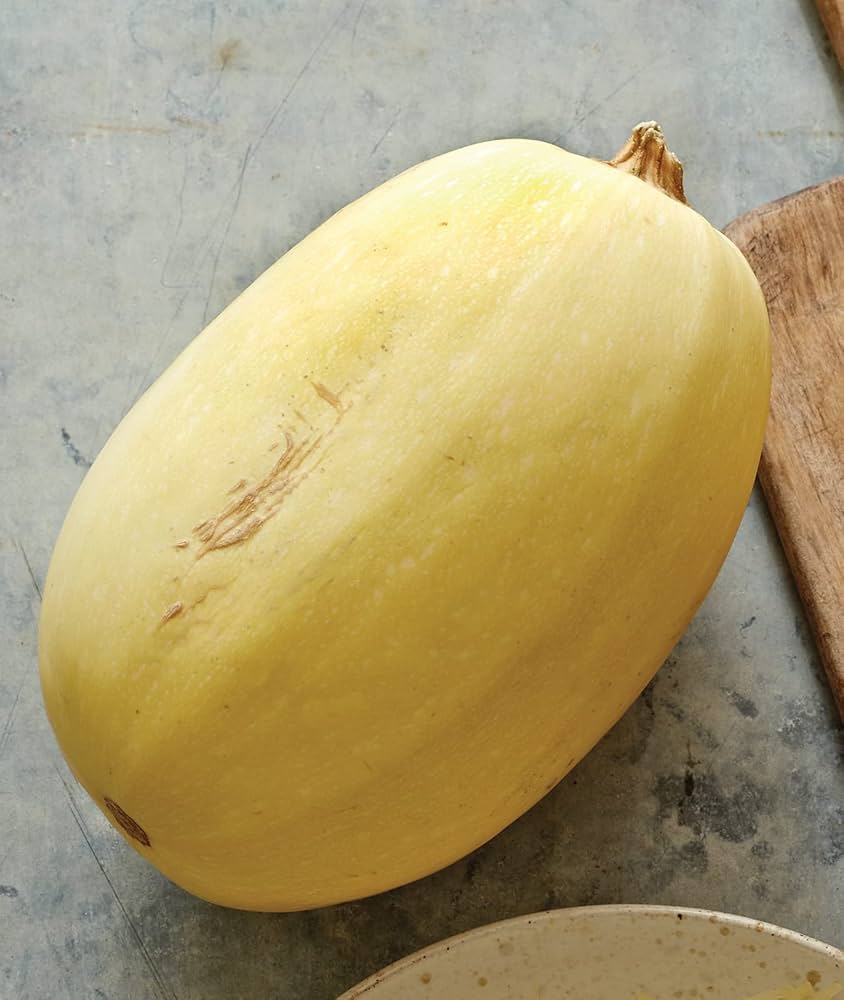
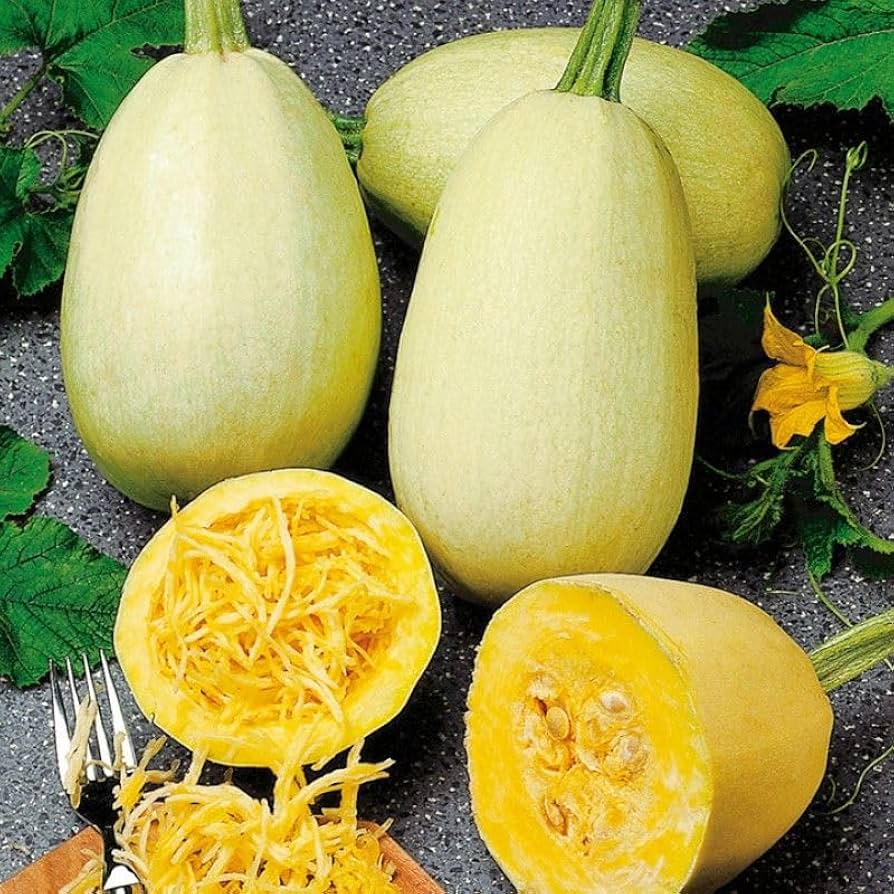
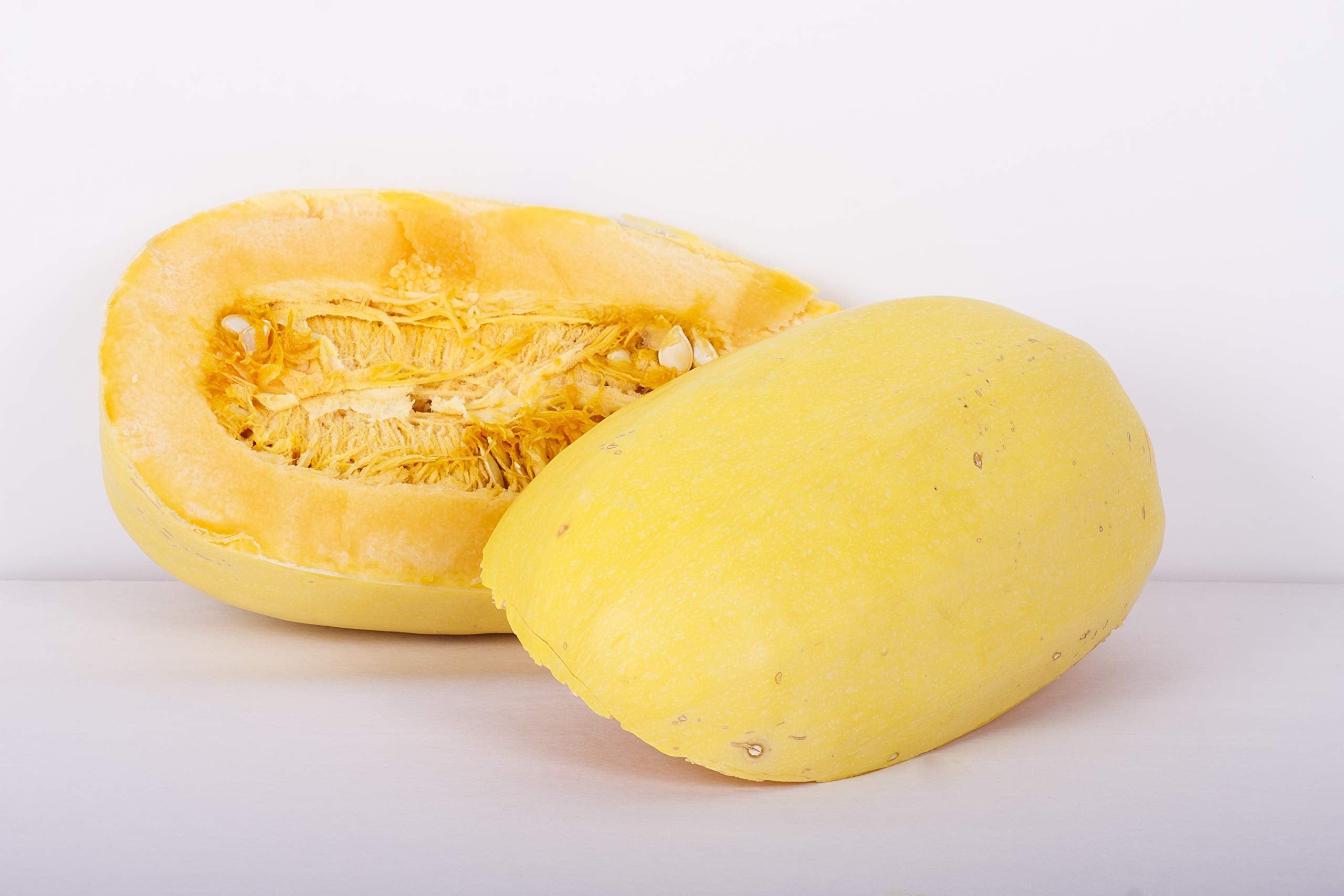
Vegetable Spaghetti Squash Seeds – Unique Stringy-Flesh Variety
Free Shipping on all Orders
Spaghetti Squash Seeds produce a unique winter squash variety known for its stringy, noodle-like flesh that separates easily when cooked. This Non-GMO variety is perfect for home gardeners looking for a versatile, nutritious, and easy-to-grow squash.
The plants are vigorous, sprawling, and produce medium to large fruits with tender, mildly sweet flesh. Ideal for roasting, baking, or as a healthy pasta alternative, this variety offers gardeners a fun and functional addition to their vegetable patches.
Features
- Unique spaghetti squash with stringy, noodle-like flesh
- Non-GMO seeds for reliable, healthy plants
- Produces medium to large, tender, and mildly sweet fruits
- Suitable for home gardens, raised beds, and small plots
- Vigorous growth with high productivity
- SEO keywords included: spaghetti squash seeds, stringy-flesh squash seeds, winter squash seeds, Non-GMO squash seeds, home garden squash seeds
Specifications
- Botanical Name: Cucurbita pepo
- Common Name (U.S.): Spaghetti Squash
- Variety: Stringy-Flesh
- Seed Type: Non-GMO
- Season: Warm-season planting, harvest in fall
- Zones: USDA Zones 3–10
- Plant Type: Annual vegetable
- Fruit Characteristics: Medium to large, stringy flesh, mild sweet flavor
- Maturity: 90–110 days
- Light Requirements: Full sun
- Soil Requirements: Fertile, well-drained soil; pH 6.0–7.0
- Watering: Moderate, consistent watering
- Sowing Depth: 1 inch
- Spacing: 36–48 inches between plants
- Germination: 7–12 days
- Temperature Range: 70–95°F
- Special Notes: Benefits from mulching; stores well in cool, dry conditions; ideal for healthy cooking and low-carb meals.
Planting Guide
- Sow seeds directly outdoors after the last frost or start indoors 3–4 weeks early.
- Plant 1 inch deep in fertile, well-drained soil.
- Space seedlings 36–48 inches apart to allow for sprawling growth.
- Water consistently to keep soil evenly moist without waterlogging.
- Mulch around plants to retain moisture and reduce weeds.
- Fertilize during flowering and fruiting for optimal yield and fruit quality.
- Harvest when skin is firm and deeply colored; store in a cool, dry place for extended use.
Vegetable Spaghetti Squash Seeds – Unique Stringy-Flesh Variety
Sale price$17.24
Choose options