
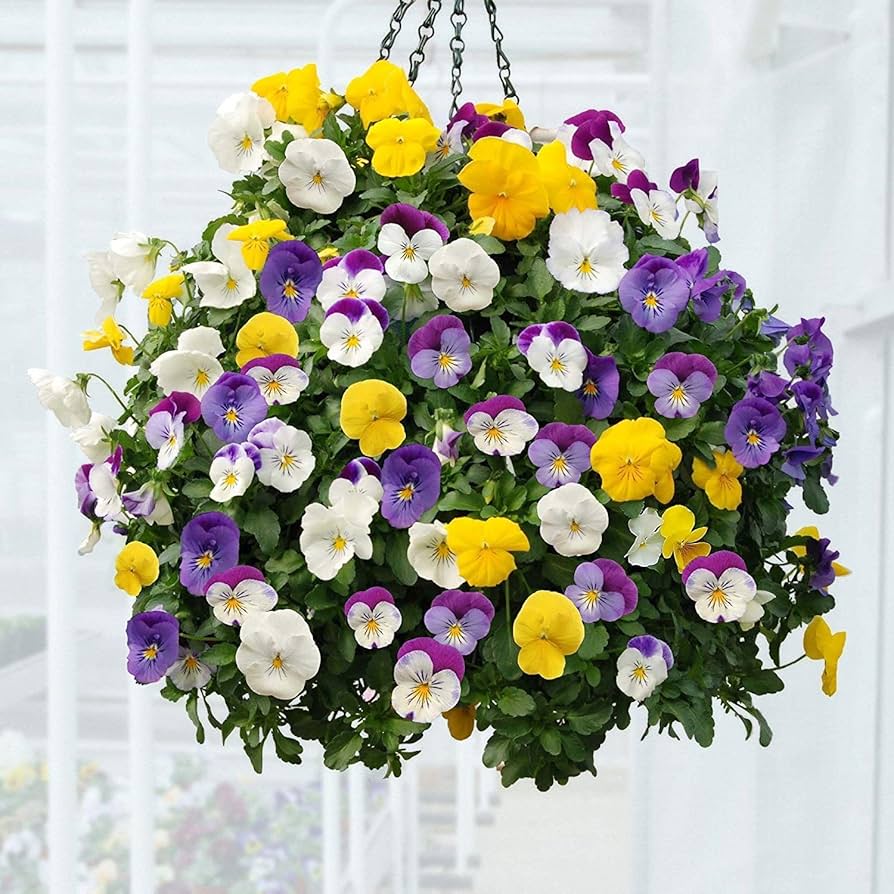
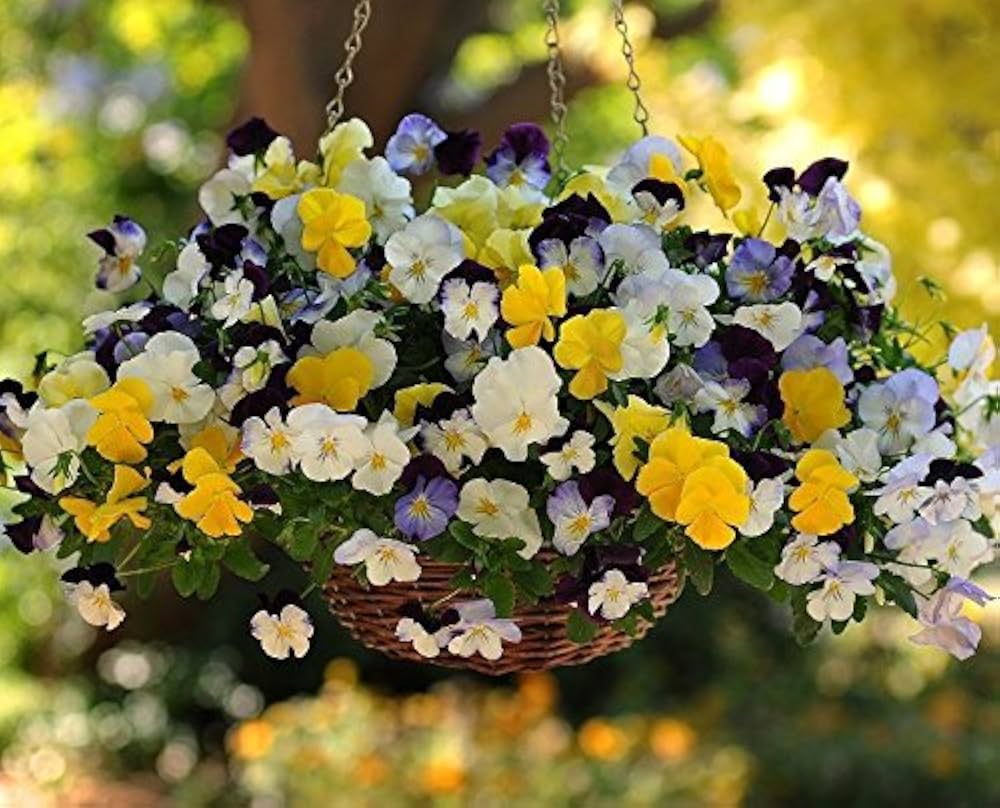
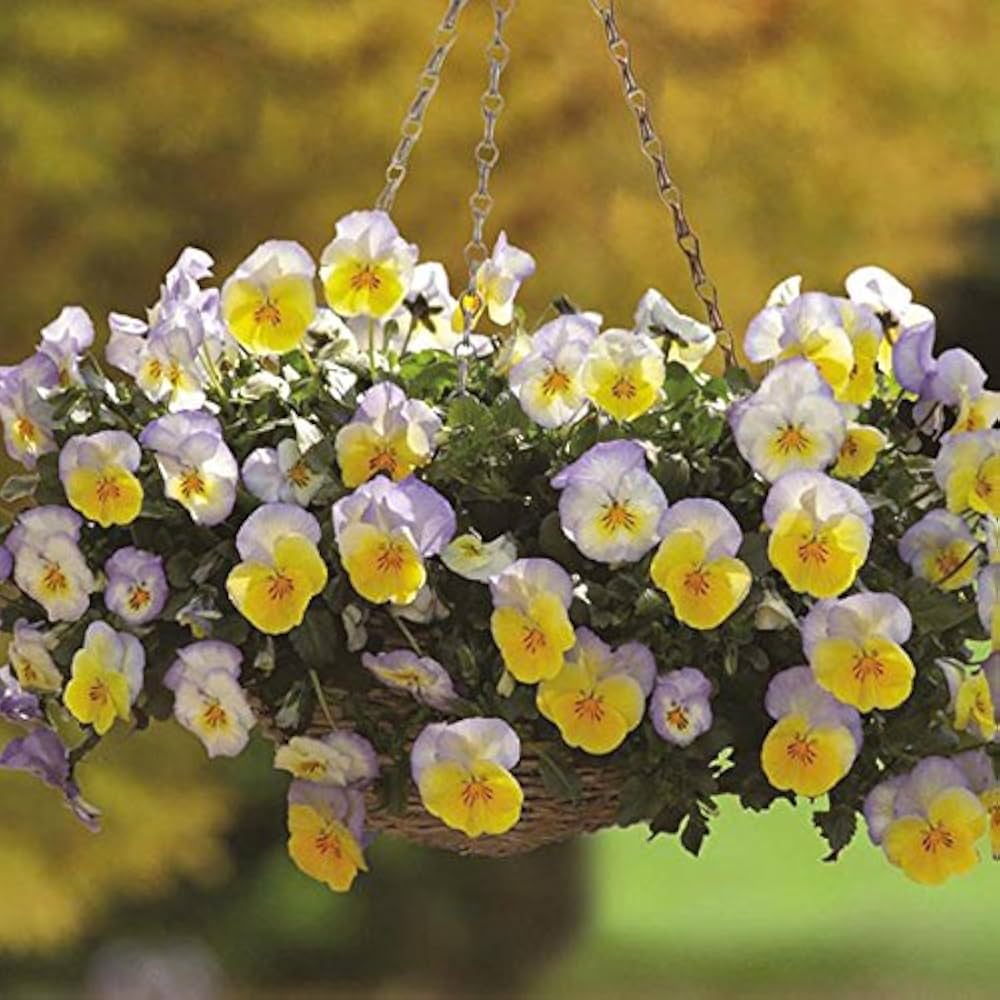
Viola Arvensis Field Pansy Seeds for Planting - Ideal for Flower Bed & Garden
Free Shipping on all Orders
Viola Arvensis Field Pansy Seeds
Characteristics and Uses of Viola Arvensis Field Pansy
Viola Arvensis, commonly known as Field Pansy, produces charming small flowers in shades of yellow, white, and purple. These hardy, low-growing plants are perfect for wildflower meadows, garden borders, or as a charming ground cover. The blooms attract pollinators and make for a lovely addition to both ornamental and edible gardens.
Growing Conditions for Viola Arvensis Field Pansy
- Light Requirements: Full sun to partial shade
- Soil Type: Well-draining, moderately rich soil
- Temperature: Thrives in cooler temperatures, ideally between 50–70°F
Planting Tips for Viola Arvensis Field Pansy
- Sow seeds directly outdoors in spring or fall, or start indoors 6–8 weeks before the last frost date.
- Space plants 6–12 inches apart to allow for good air circulation.
Watering Instructions and Tips
- Water regularly, especially during dry spells, but avoid overwatering.
- Ensure the soil remains moist but not soggy to avoid root rot.
Growing Zones
- USDA Zones: 4–8
- Global Zones: Suitable for temperate climates
Key Benefits & Uses
- Charming, colorful flowers that add beauty to gardens and attract pollinators.
- Low-growing and perfect for ground cover or wildflower meadows.
- Easy to grow in a variety of garden settings, including containers and borders.
Best Uses in the Garden & Landscape
- Ideal for wildflower gardens, ground covers, or mixed borders.
- Great for attracting beneficial pollinators to your garden.
Conclusion
Viola Arvensis Field Pansy Seeds from Dhara Seeds bring a touch of beauty and charm to any garden with their colorful blooms and pollinator-friendly qualities.
FAQ
How often should I water Viola Arvensis Field Pansy?
Water regularly but ensure the soil is well-drained to avoid waterlogging. Water deeply during dry spells.
When is the best time to plant Field Pansy seeds?
Plant in spring or fall when temperatures are cooler, or start seeds indoors before the last frost.
Viola Arvensis Field Pansy Seeds for Planting - Ideal for Flower Bed & Garden
Sale price$17.24
Choose options