
Viola Philippica Flower Seeds for Planting
Free Shipping on all Orders
Viola Philippica Flower Seeds
Characteristics and Uses of Viola Philippica Plants
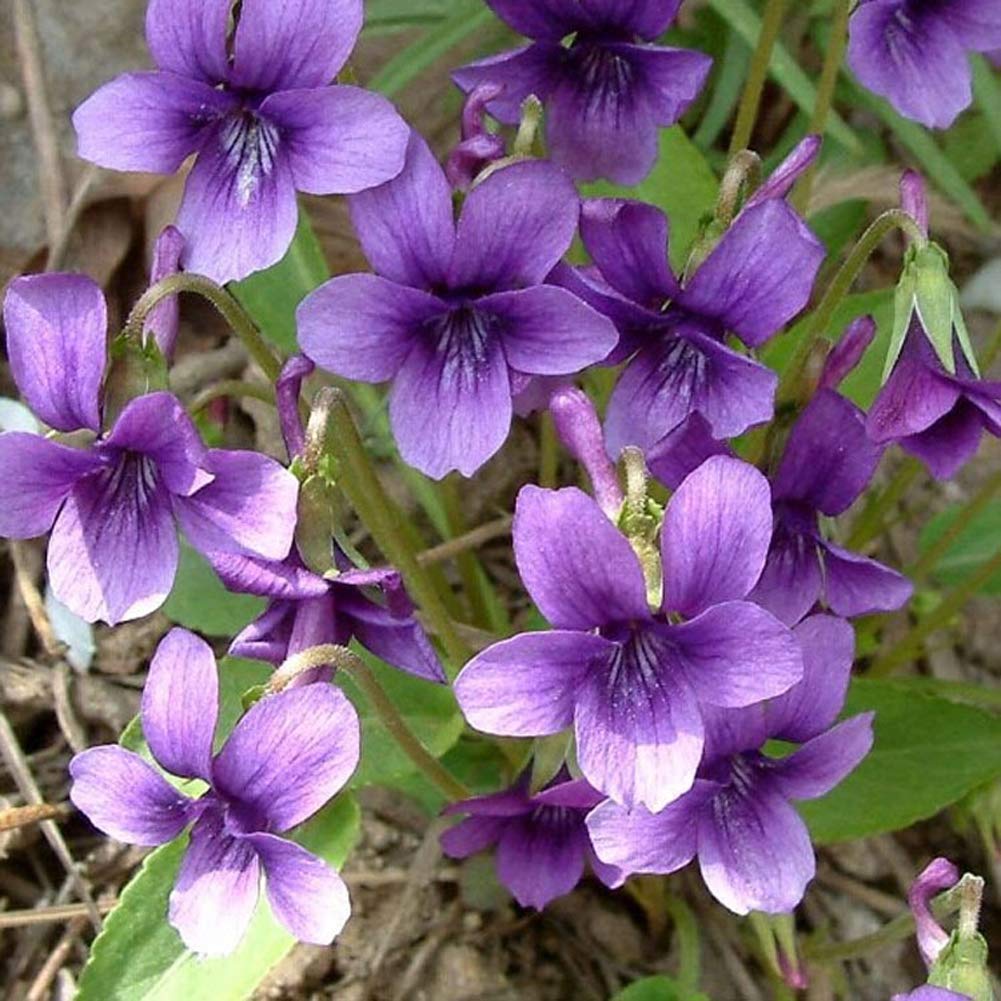
Discover the understated beauty of Viola Philippica, also known as Chinese Violet. This charming perennial herb typically grows to a height of 4-14 cm, sometimes reaching up to 20 cm when fruiting. It features delicate purple-violet or purplish flowers, occasionally white, with light coloring and purple stripes at the throat. The flowers, while not large, appear in abundance and bring a touch of subtle elegance to the garden. Beyond its ornamental appeal, Viola Philippica has a significant history in traditional Chinese medicine, where it is a key ingredient in preparations like Zi Hua Di Ding, used for various therapeutic purposes, including the treatment of beriberi.
Growing Conditions for Viola Philippica Plants
- Light Requirements: Prefers full sun to partial shade. In hotter climates, afternoon shade can be beneficial.
- Soil Preferences: Thrives in moist, well-drained soil that is fertile and rich in organic matter. A slightly acidic to neutral pH (5.5 to 7.0) is ideal.
- Climate Tolerance: Generally hardy and adaptable, suitable for USDA zones 6-9. It can also thrive in various non-native territories with similar environmental conditions to its native East Asian habitat.
Planting Tips for Viola Philippica
- Starting Indoors: Sow flower seeds indoors 8-10 weeks before the last expected frost. Use a fine, well-draining seed-starting mix, scatter seeds on the surface, and lightly press them in, covering with a thin layer of soil or vermiculite. Keep the soil consistently moist.
- Direct Sowing: In suitable climates, seeds for planting can be directly sown outdoors in late spring or early summer after the danger of frost has passed. Ensure the soil is well-prepared and keep it moist until germination.
- Seed Preparation: While not strictly required, stratifying the garden seeds by chilling them in the refrigerator for 2-4 weeks before planting can improve germination rates.
- Spacing: When transplanting seedlings, space them 6-8 inches apart to allow for adequate growth and air circulation.
Watering Instructions and Tips
- Watering Needs: Maintain consistently moist soil, but avoid waterlogging. Water deeply when the top inch of soil feels dry to the touch.
- Watering Technique: Water at the base of the plant to prevent foliage diseases. Avoid overhead watering.
- Frequency: Weekly watering is generally sufficient, especially in drier conditions. Container plants may require more frequent watering.
Growing Zones
Viola Philippica is typically hardy in USDA zones 6 through 9. Its adaptability allows it to potentially thrive in other global regions with similar temperate and tropical climates found in its native East Asia.
Key Benefits & Uses
- Attractive Flowers: Produces delicate purple-violet blooms that add charm to any garden.
- Attracts Pollinators: The flowers can attract beneficial insects like bees and butterflies.
- Versatile Planting: Suitable for garden beds, borders, containers, and as ground cover.
- Heirloom seeds: Allowing gardeners to cultivate a piece of botanical history.
- Medicinal Properties: Has a history of use in traditional Chinese medicine.
- Non-GMO seeds: Ensuring a natural and unmodified plant.
Best Uses in the Garden & Landscape
Viola Philippica's low growth habit makes it an excellent choice for edging pathways and borders. Its delicate flowers add a touch of color to rock gardens and can create a lovely ground cover. They also perform well in containers and window boxes, bringing their subtle beauty up close. Consider planting them in areas where their medicinal history can be appreciated, perhaps in a dedicated herb garden or alongside other traditional remedies. Their preference for partial shade makes them ideal for woodland gardens or shaded areas of a home garden.
Conclusion
Bring a touch of delicate beauty and historical significance to your garden with Viola Philippica flower seed from Dhara Seeds, a big, trusted name in the USA seed market with a vast, high-quality selection of non-GMO seeds. These versatile and relatively low-maintenance plants offer subtle yet captivating blooms and attract beneficial pollinators. Trust Dhara Seeds, a big, trusted name in the seed world, offering a wide range of high-quality, non-GMO varieties to gardeners everywhere, to enhance your flower garden with unique and valuable additions like Viola Philippica. Explore our selection of annual flowers and more to create the garden of your dreams.
FAQ
How to grow Viola Philippica from seed?
Sow seeds indoors 8-10 weeks before the last frost or direct sow outdoors in late spring/early summer. For indoor sowing, use a seed-starting mix, lightly cover the seeds, and keep the soil moist. Transplant seedlings after the last frost, spacing them 6-8 inches apart in a location with partial shade to full sun and well-draining soil.
When is the best time to plant Viola Philippica seeds?
For indoor starting, begin 8-10 weeks before the last expected frost. Direct sow outdoors after the soil has warmed up in the spring and the danger of frost has passed. The specific timing depends on your local climate.
Is Viola Philippica difficult to grow?
No, Viola Philippica is generally considered easy to grow. It prefers consistent moisture and well-drained soil and thrives in partial shade to full sun. Once established, it requires minimal maintenance, making it suitable for gardeners of all experience levels.
Choose options