
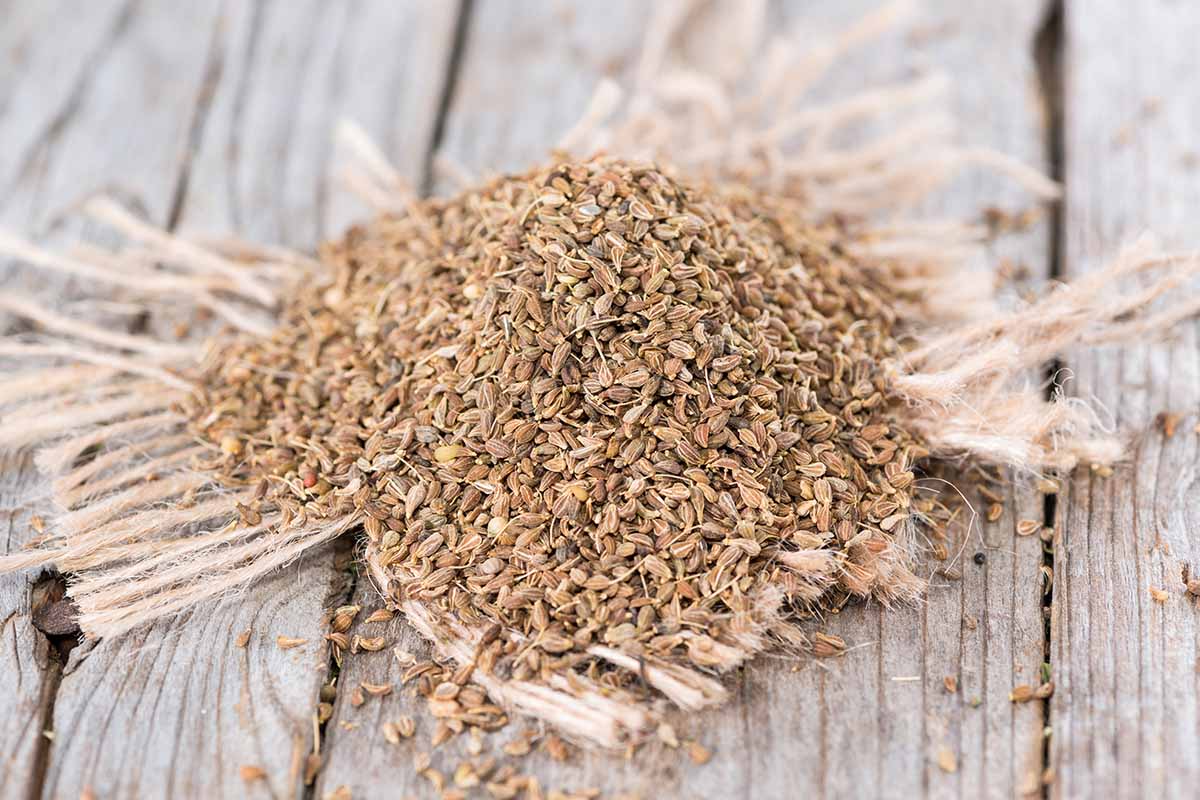
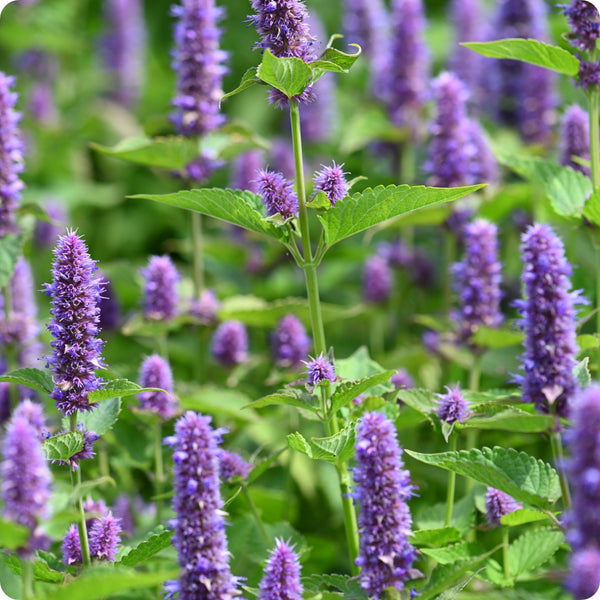
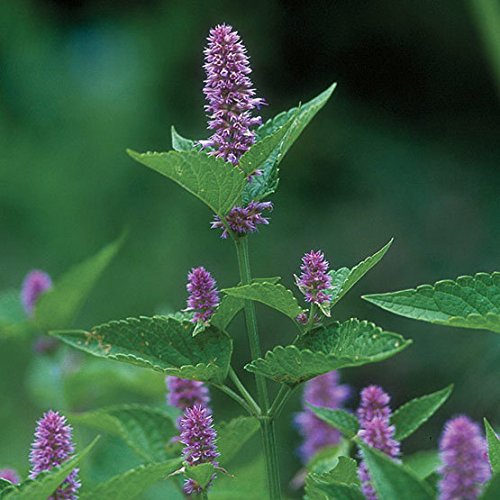
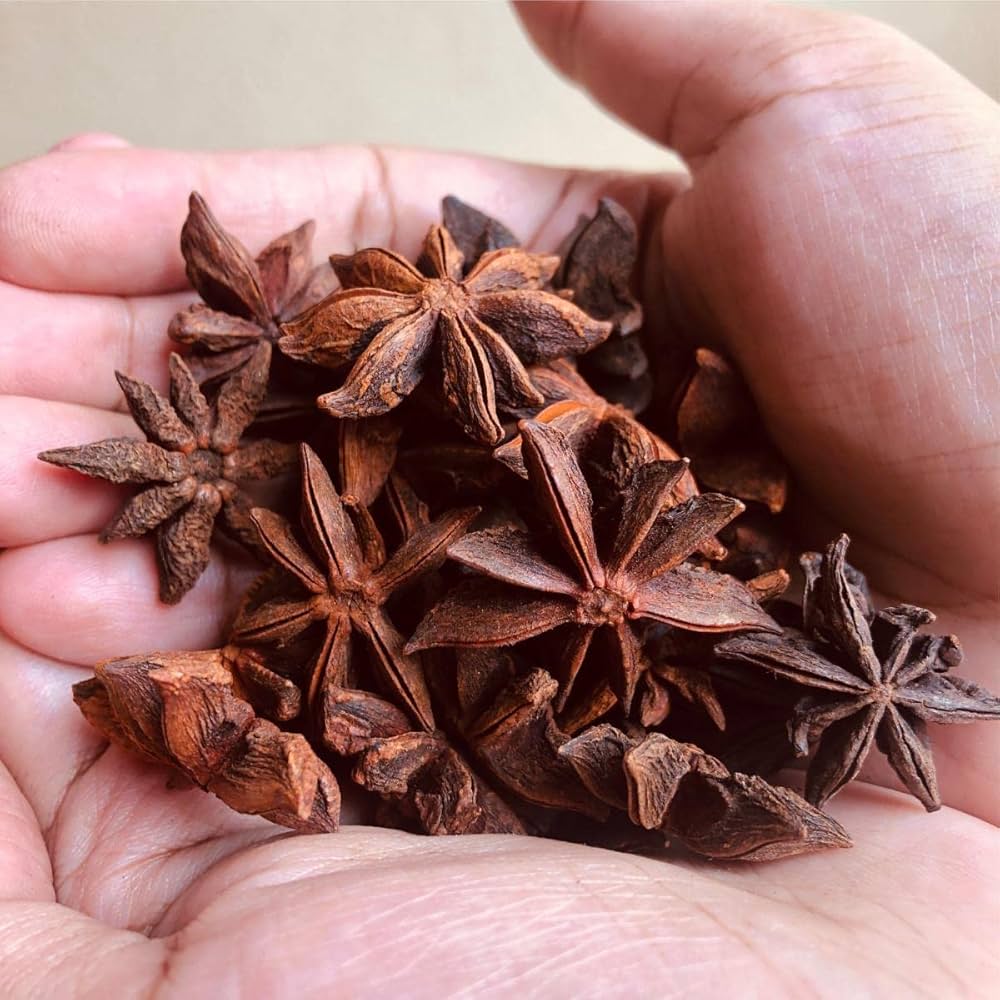
Anise Herb Seeds for Planting – Sweet Fragrance for a Romantic Cottage Garden
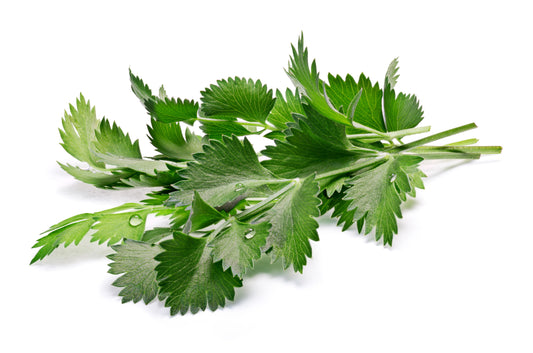
Anise brings the gentle character of an old-fashioned kitchen garden to the landscape, with delicate green foliage, slender stems, and airy flower clusters. Its distinctive licorice-like aroma adds sensory interest among traditional herbs, while its graceful form blends naturally into relaxed cottage-style plantings.
Anise Herb Seeds from Evergrow Seeds are available at evergrowseeds.com for US home gardeners seeking an aromatic culinary herb with ornamental appeal. Anise can add delicate texture to kitchen gardens, dedicated herb beds, edible landscapes, and informal cottage borders where useful herbs and flowering plants grow together.
Browse Our Anise Herb Seeds
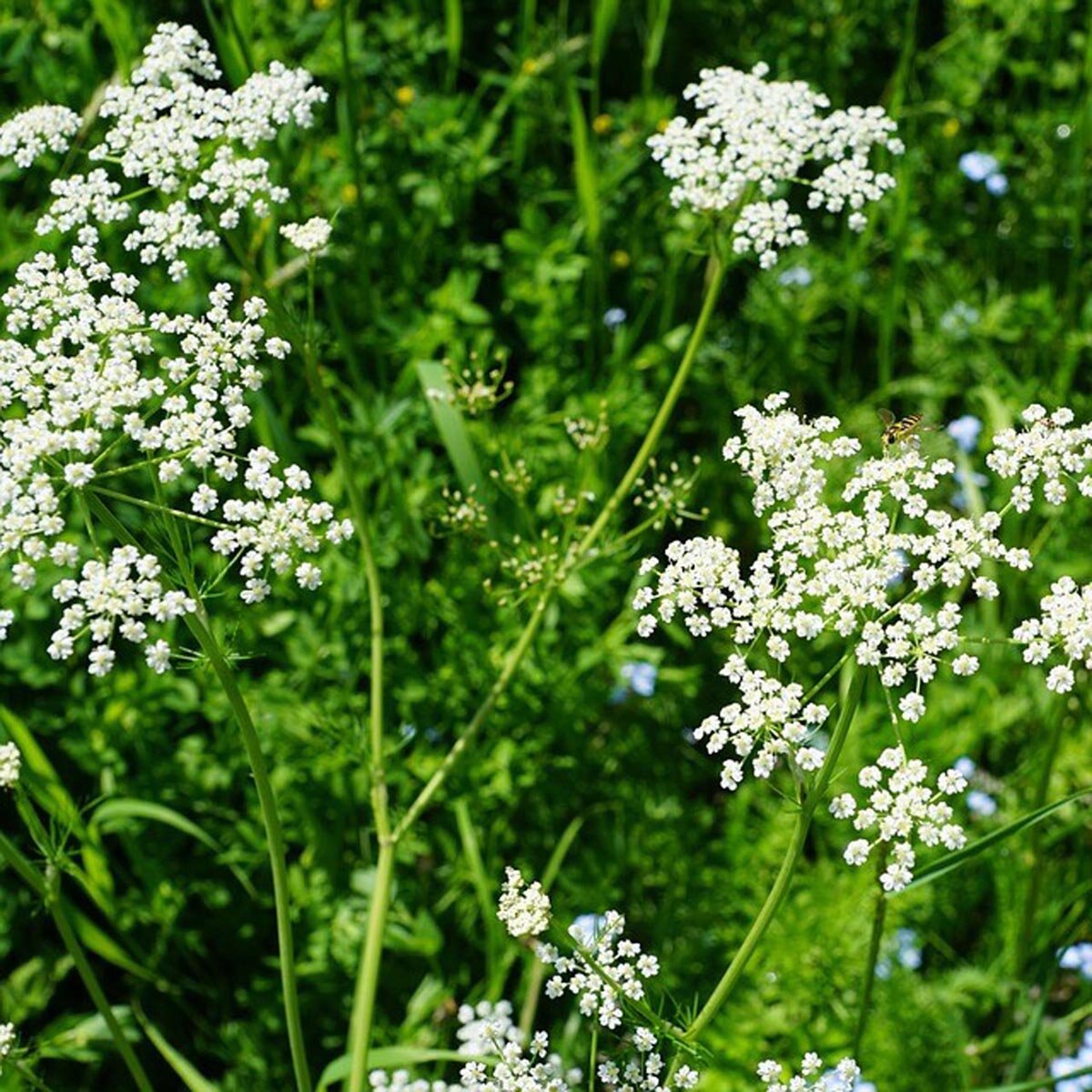
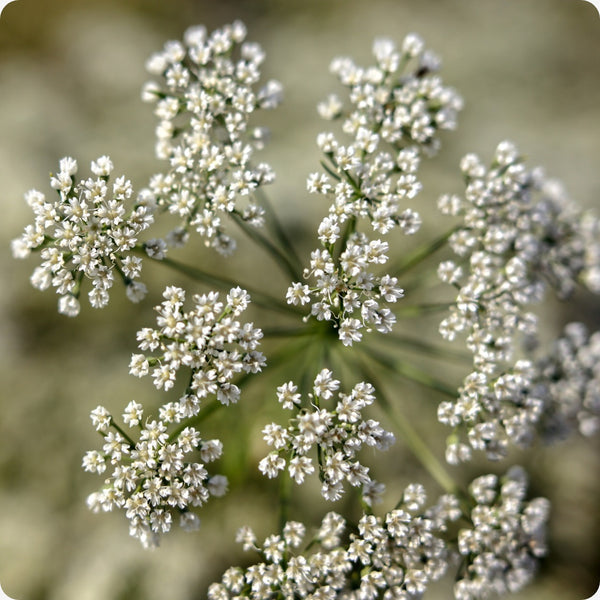
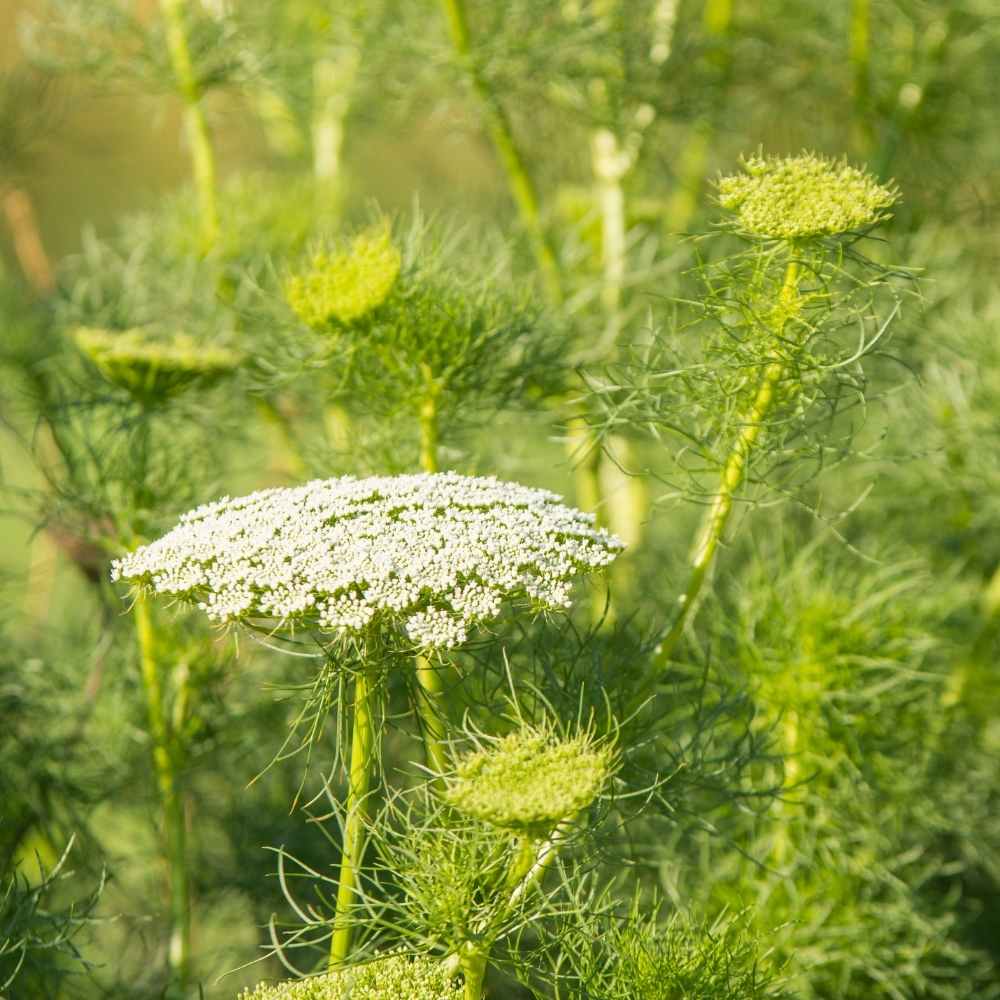
Anise, botanically known as Pimpinella anisum, develops fresh green foliage followed by delicate umbrella-shaped flower clusters. Its small flowers are typically white to creamy white, sometimes carrying subtle pale tones depending on maturity and growing conditions.
The airy blooms provide gentle contrast above the foliage and suit informal herb gardens beautifully. Anise can be incorporated into kitchen gardens, cottage-inspired beds, edible landscapes, and mixed herb plantings where its upright growth adds light texture without overwhelming neighboring plants.
Plant Care Insights
Sunlight
Anise generally prefers full sun, which encourages sturdy growth and healthy plant development.
Soil
Choose loose, fertile, well-drained soil with sufficient depth for healthy root growth.
Watering
Maintain moderate, consistent moisture during active growth while avoiding continuously saturated soil.
Companion Plants
Anise can share garden space with compatible culinary herbs and flowers that appreciate similar growing conditions.
Maintenance
Keep competing weeds controlled while plants establish. Remove damaged stems when necessary and provide adequate spacing for airflow.
Frequently Asked Questions
Can anise herb grow across different US climates?
Anise prefers warm growing seasons with protection from prolonged freezing conditions.
Regional planting periods vary according to local temperatures and frost patterns.
How large can mature anise herb plants become?
Anise develops upright branching stems topped with delicate flower umbels.
Mature size varies according to climate, soil, and growing conditions.
When does anise herb typically produce flowers?
Anise generally develops small white flowers during its mature seasonal growth.
Exact flowering time depends on climate, planting period, and plant development.
What pests may occasionally affect anise herb plants?
Aphids and other small insects may occasionally appear on anise plants.
Routine inspection helps gardeners identify potential pest activity early.
Shop By Category