

Tamarind Seeds – Feathery Tropical Beauty for the Cottage Fruit Garden
Tamarind brings the graceful beauty of an old-fashioned tropical shade tree into the home landscape. Its spreading branches, delicate feathery leaves, understated flowers, and rustic brown pods create a peaceful scene reminiscent of sunlit garden paths, quiet courtyards, and long summer afternoons beneath a broad green canopy.
Tamarind Seeds are available at evergrowseeds.com from Evergrow Seeds for gardeners who enjoy distinctive tropical fruit trees with impressive ornamental character. Botanically known as Tamarindus indica, tamarind is a long-lived evergreen to semi-evergreen tree that can eventually become a substantial landscape specimen in suitable climates.
Browse Our Tamarind Seeds
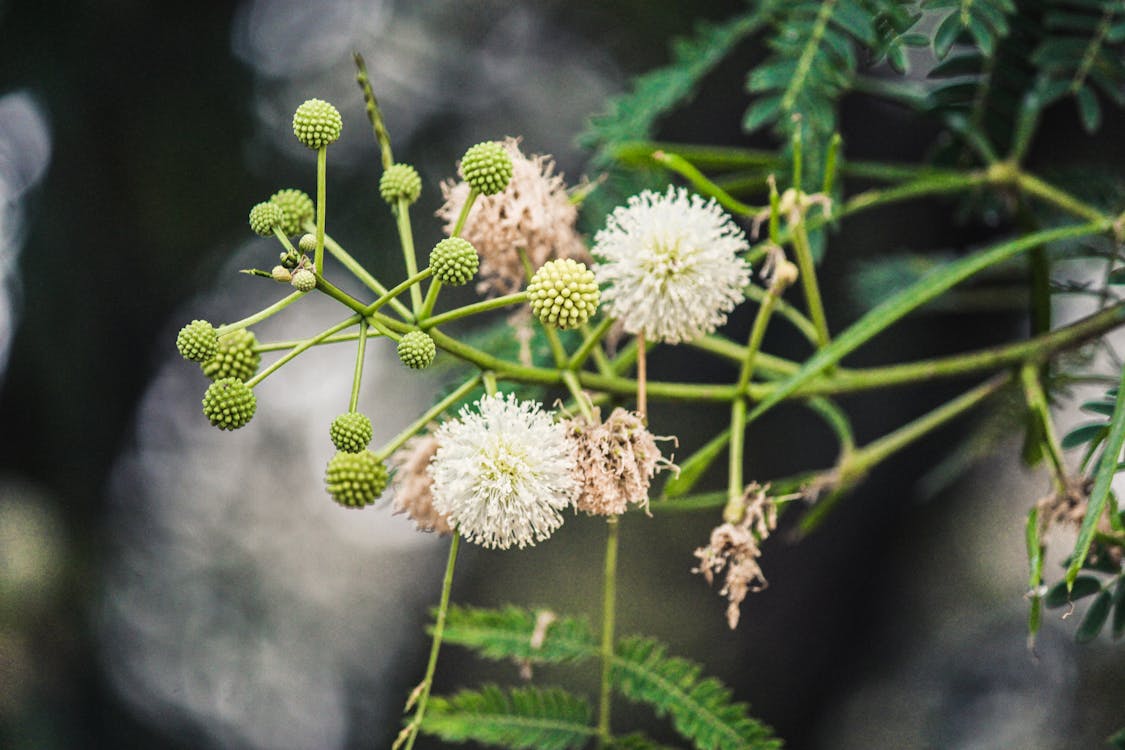
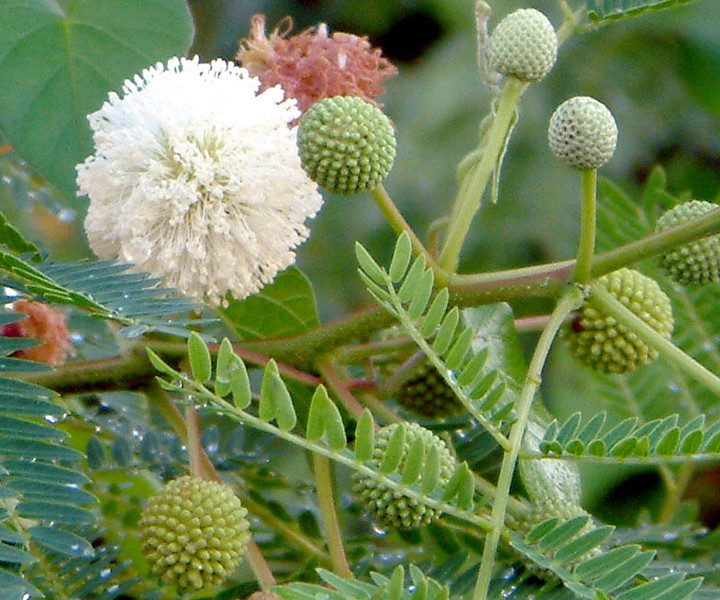
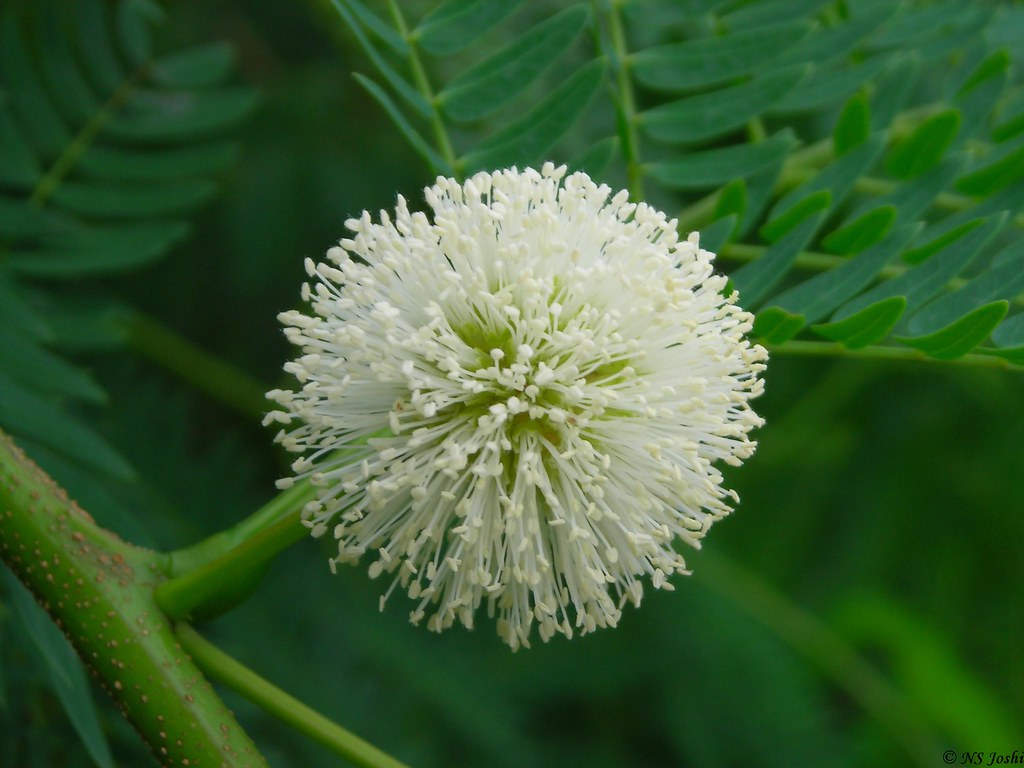
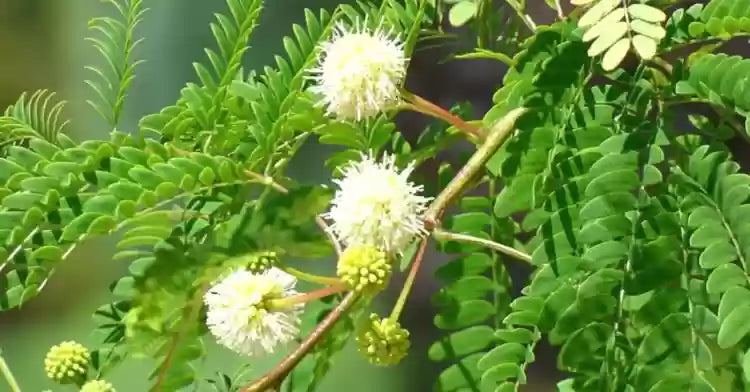
Tamarind trees produce delicate flowers arranged in small clusters. Blossoms are typically pale yellow, creamy yellow, or yellowish white and may display attractive red, orange, or reddish-brown streaks across their petals.
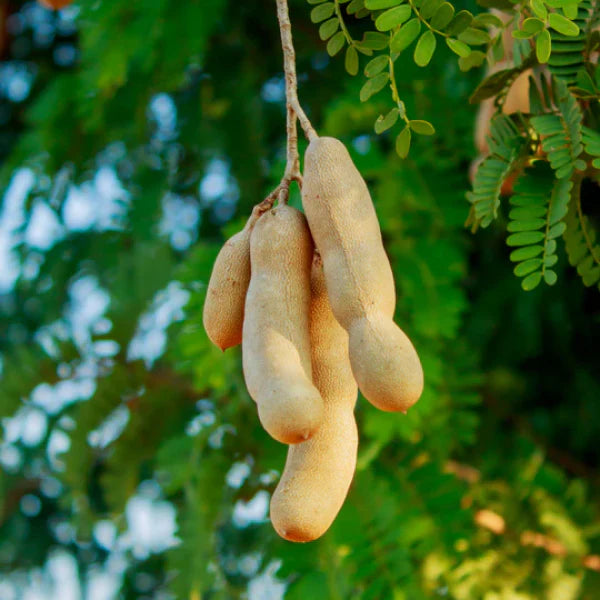
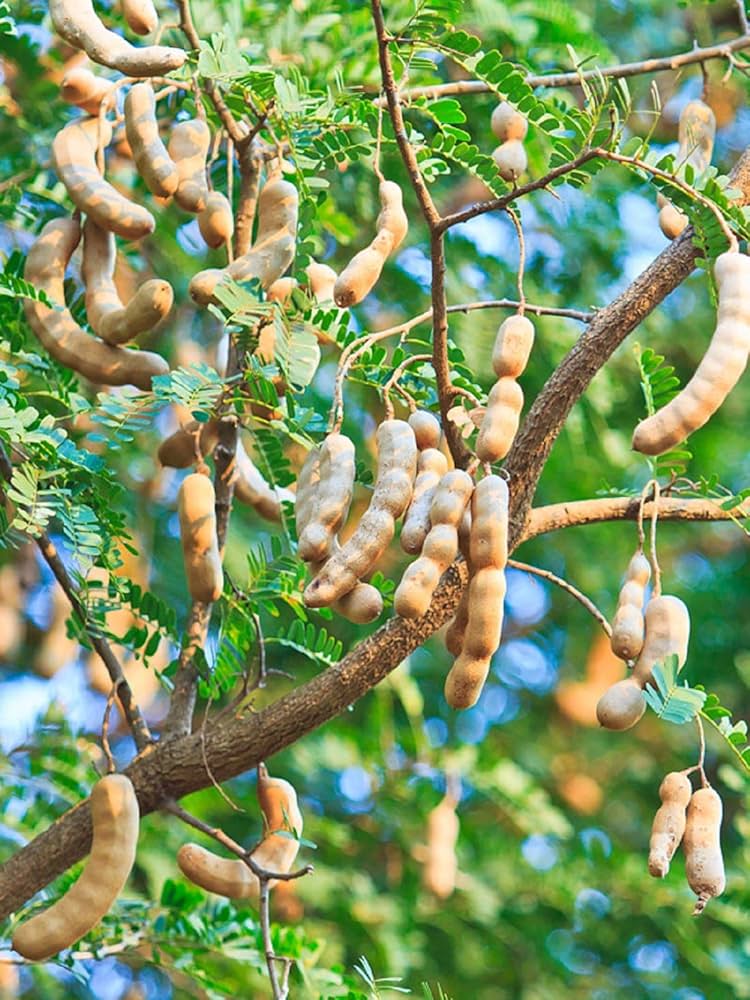
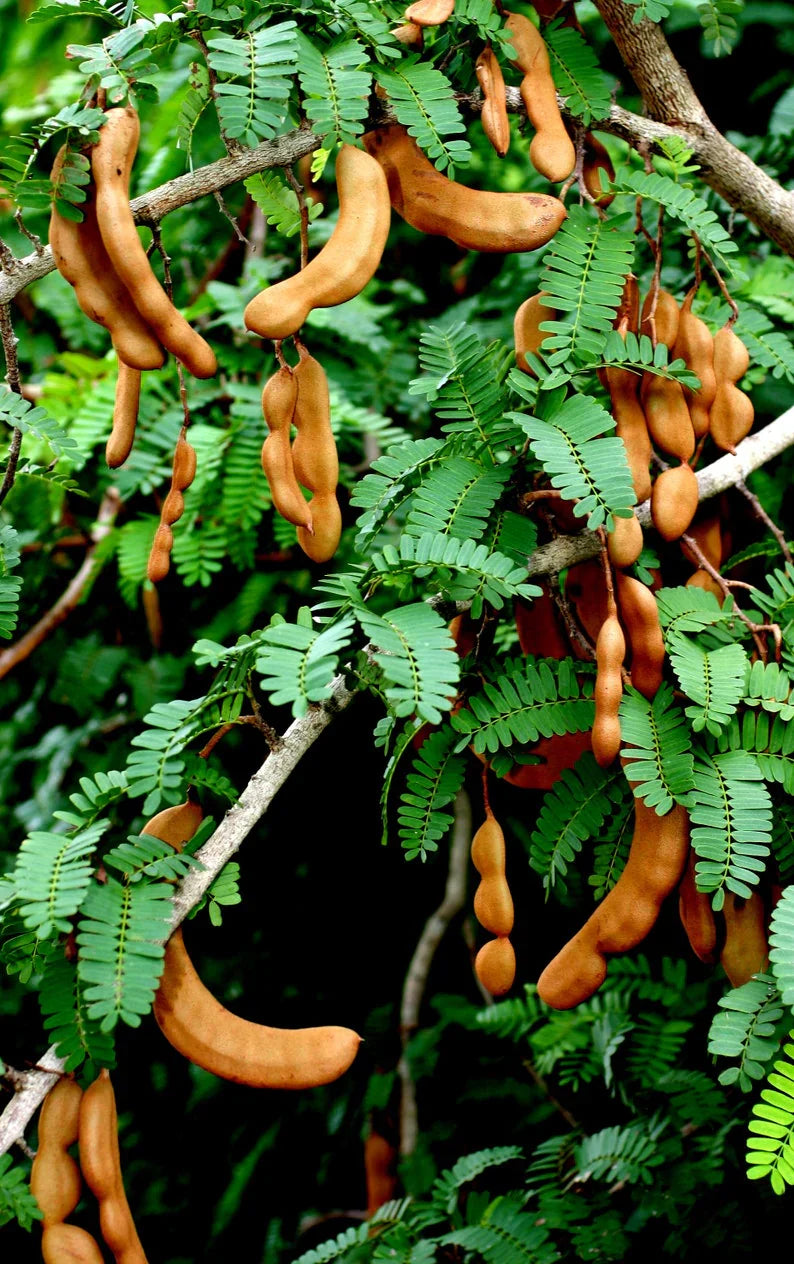
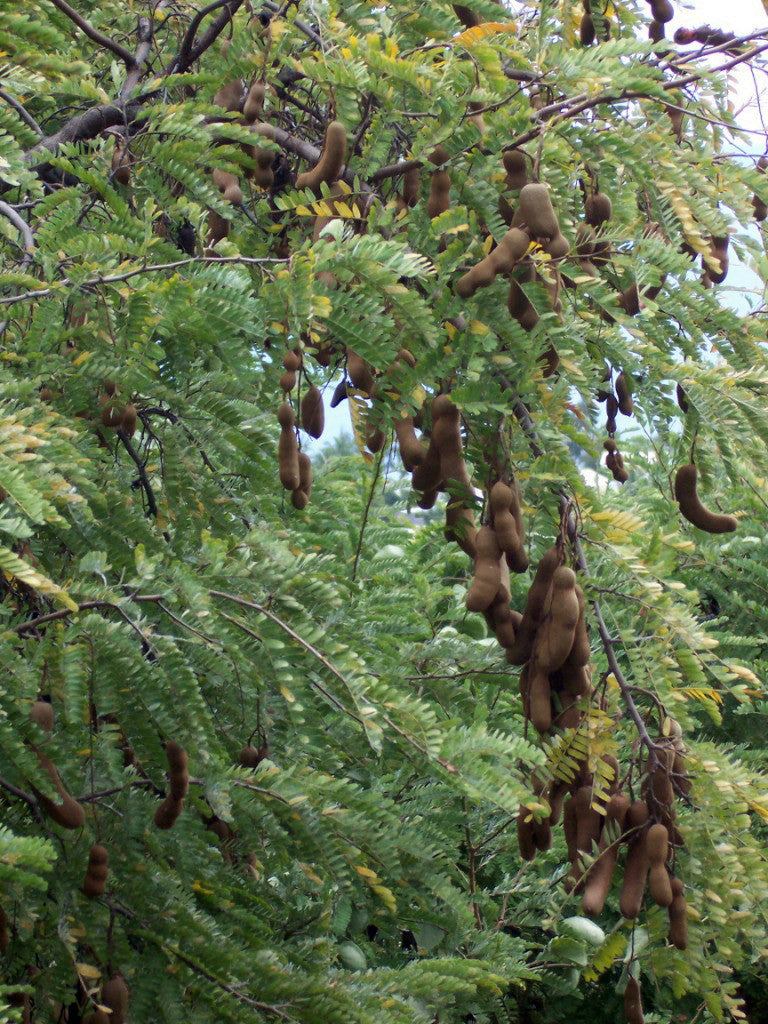
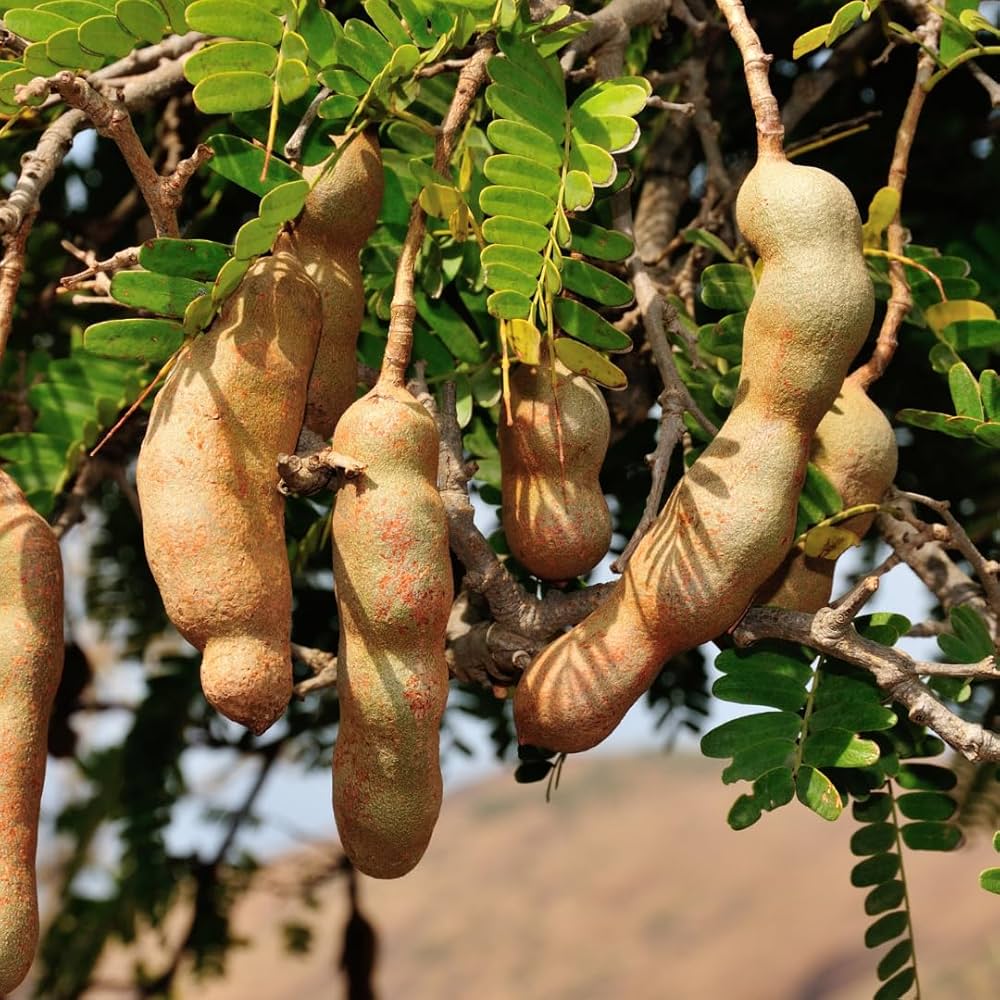
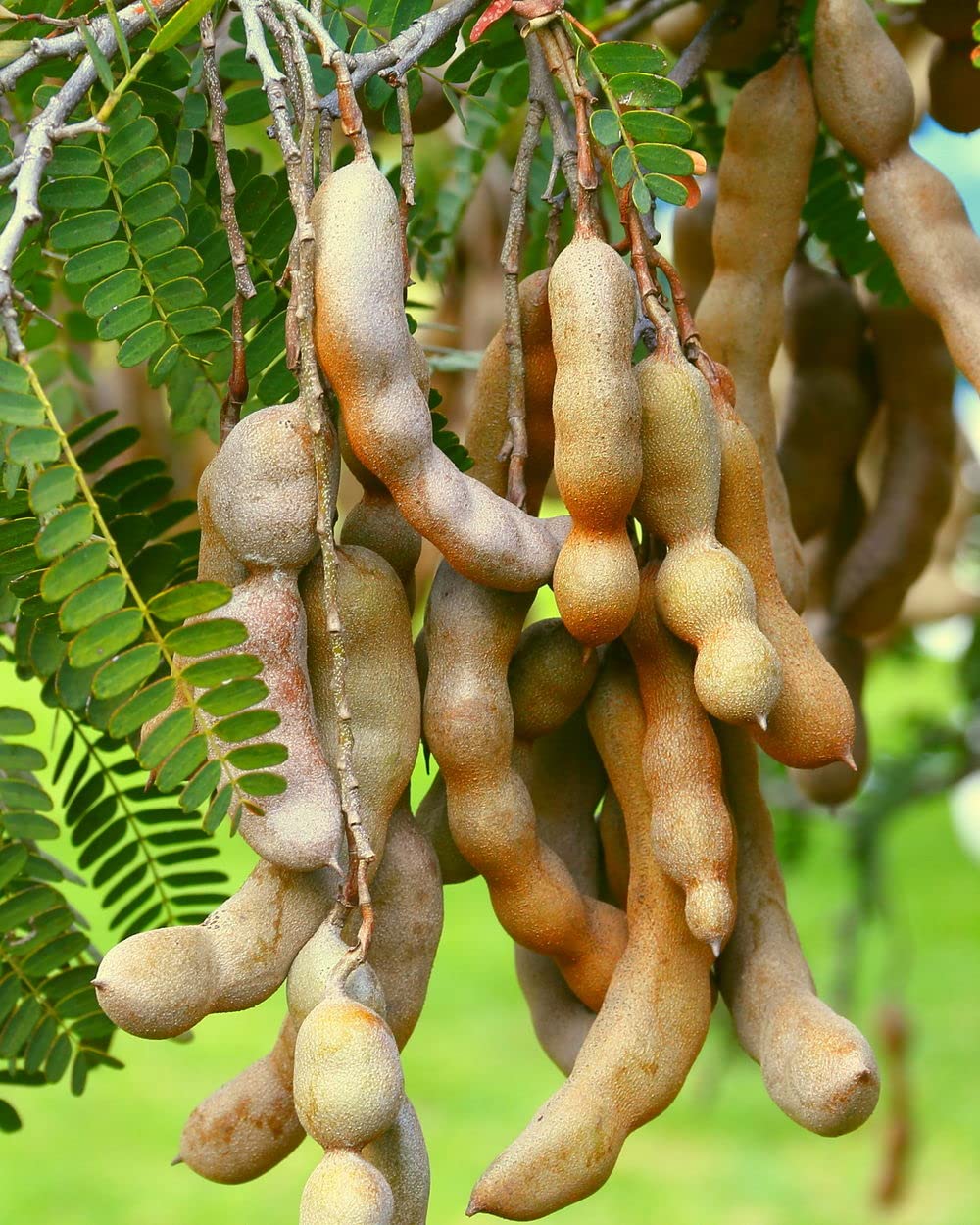
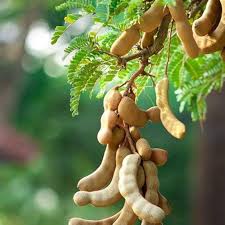
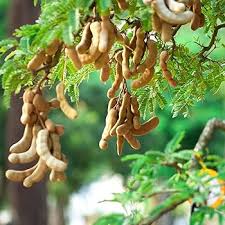
After flowering, elongated pods develop among the foliage. Young pods are generally green before gradually becoming tan, cinnamon-brown, or deep brown as they mature. Their brittle outer shells enclose sticky brown pulp surrounding glossy dark seeds.
The combination of softly textured foliage, delicately marked flowers, and rustic hanging pods makes Tamarind trees particularly attractive in spacious tropical gardens, edible landscapes, and cottage-inspired orchards.
Plant Care Insights
Sunlight: Choose a warm, open location receiving full sun for vigorous tree development.
Soil: Plant in deep, well-drained soil; established Tamarind trees can adapt to several soil types.
Watering: Provide consistent moisture while young, allowing the soil to drain freely between applications.
Companion Plants: Compatible herbs and low-growing tropical plants can grow nearby when generous root and canopy space is maintained.
Maintenance: Allow substantial room for long-term canopy development, protect young trees from severe cold, remove damaged or crossing branches when necessary, and avoid planting too close to buildings or confined spaces.
Frequently Asked Questions
What climate is suitable for Tamarind trees?
Tamarind generally favors tropical and warm subtropical growing conditions.
Established trees tolerate heat better than prolonged freezing temperatures.
How large do mature Tamarind trees become?
Tamarind can develop into a large tree with a broad spreading canopy.
Final mature size depends on climate, genetics, and long-term management.
Do Tamarind trees require pruning?
Young Tamarind trees can be selectively pruned for balanced structural development.
Mature trees generally need trimming mainly for damaged or problematic branches.
Will seed-grown Tamarind match the parent fruit?
Seed-grown Tamarind trees can show genetic variation from their parent plants.
Fruit characteristics and overall tree performance may differ among individual seedlings.
Shop By Category