

Elderberry Seeds – Billowing Blossoms for the Romantic Cottage Garden
Elderberries bring the gentle romance of an old-fashioned country hedgerow into the home landscape. Their graceful branches, lush compound leaves, broad clusters of delicate blossoms, and richly colored berries create a nostalgic scene reminiscent of winding cottage paths, weathered fences, and quiet garden corners filled with seasonal beauty.
Elderberry Seeds are available at evergrowseeds.com from Evergrow Seeds for gardeners who appreciate substantial fruiting shrubs with natural landscape character. Elderberries belong to the genus Sambucus, which includes several species and cultivars with differing mature sizes, berry colors, ornamental features, and regional adaptations.
Browse Our Elderberry Seeds
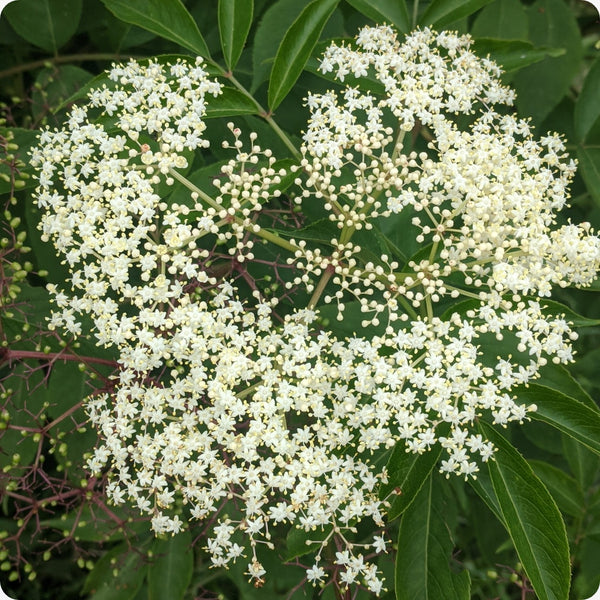
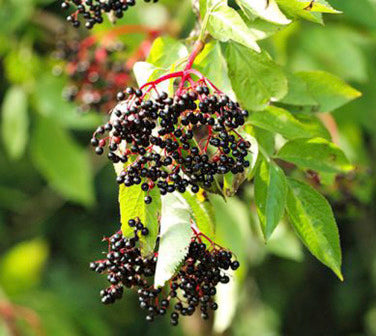
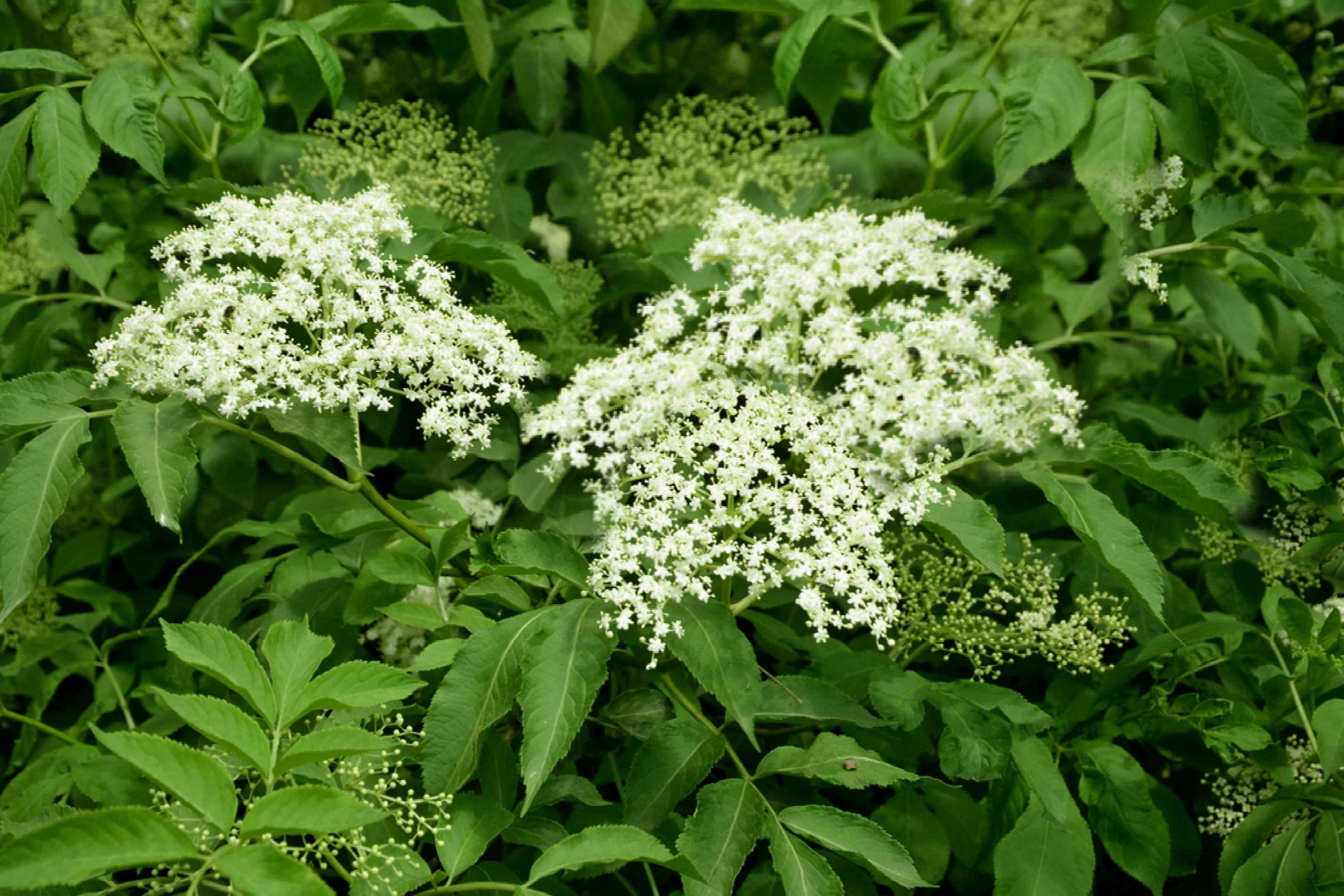
Elderberry shrubs are particularly attractive during flowering. Depending on the species and cultivar, their numerous tiny blossoms may appear creamy white, ivory, white, or softly pink, forming broad, eye-catching clusters above the foliage.
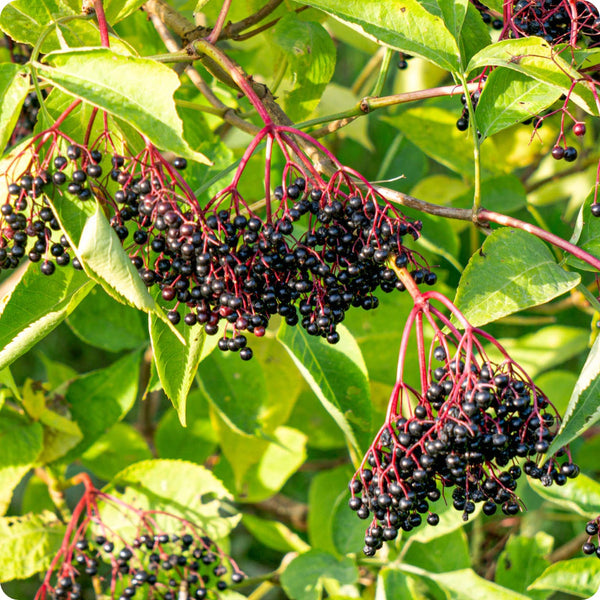
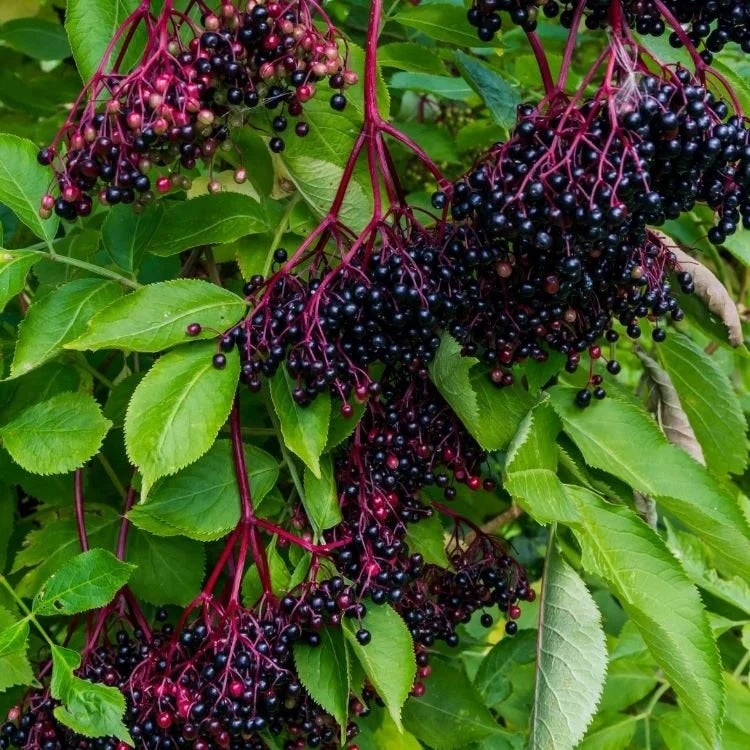
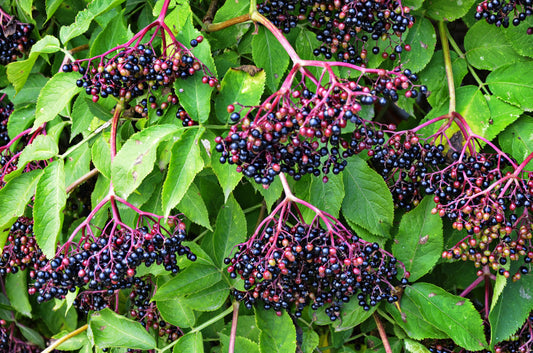
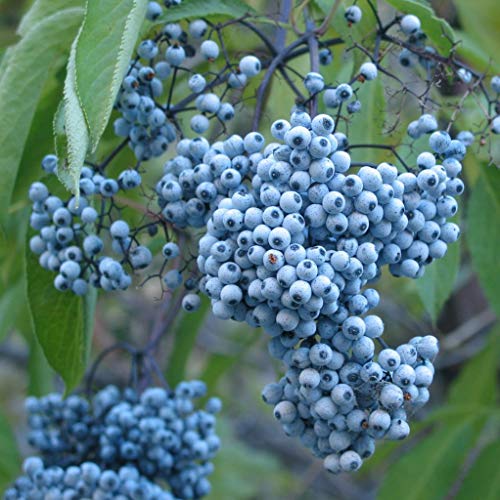
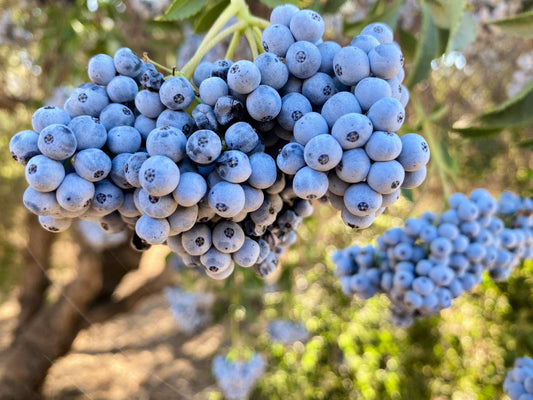
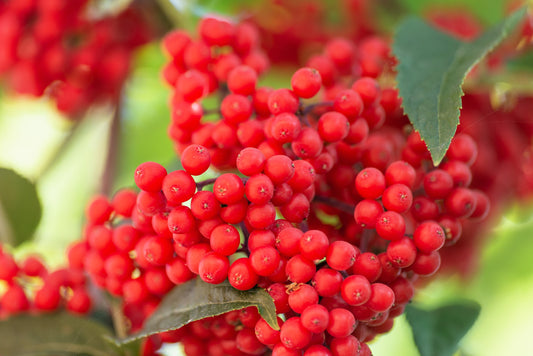
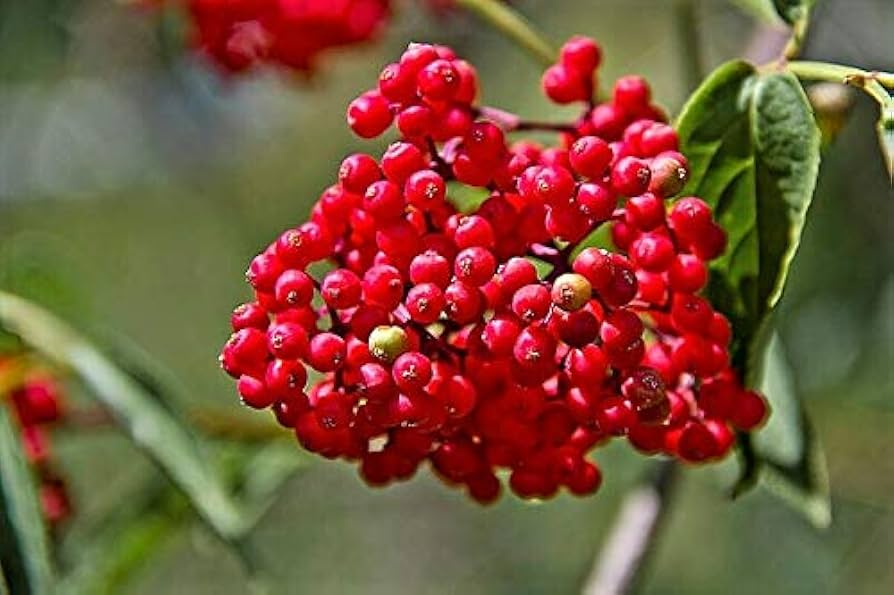
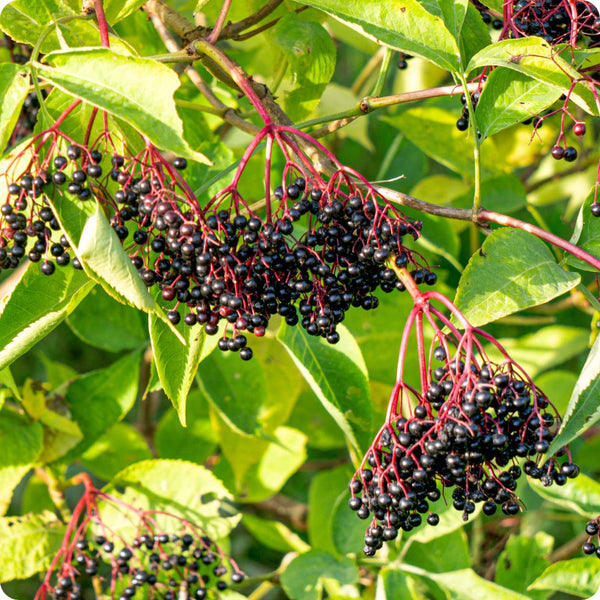
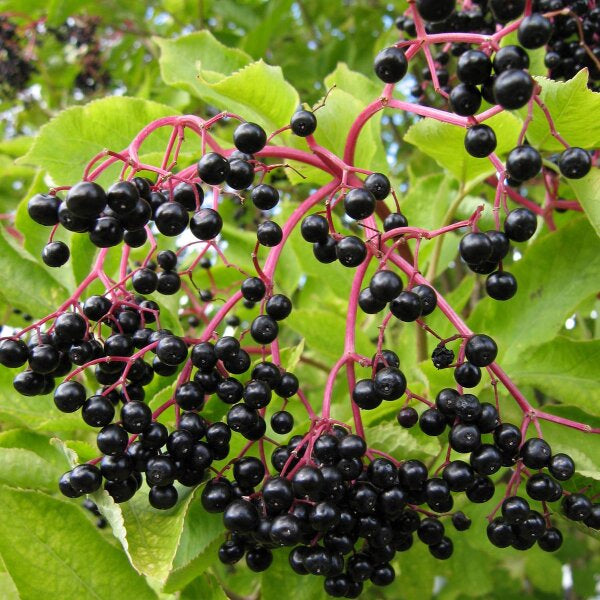
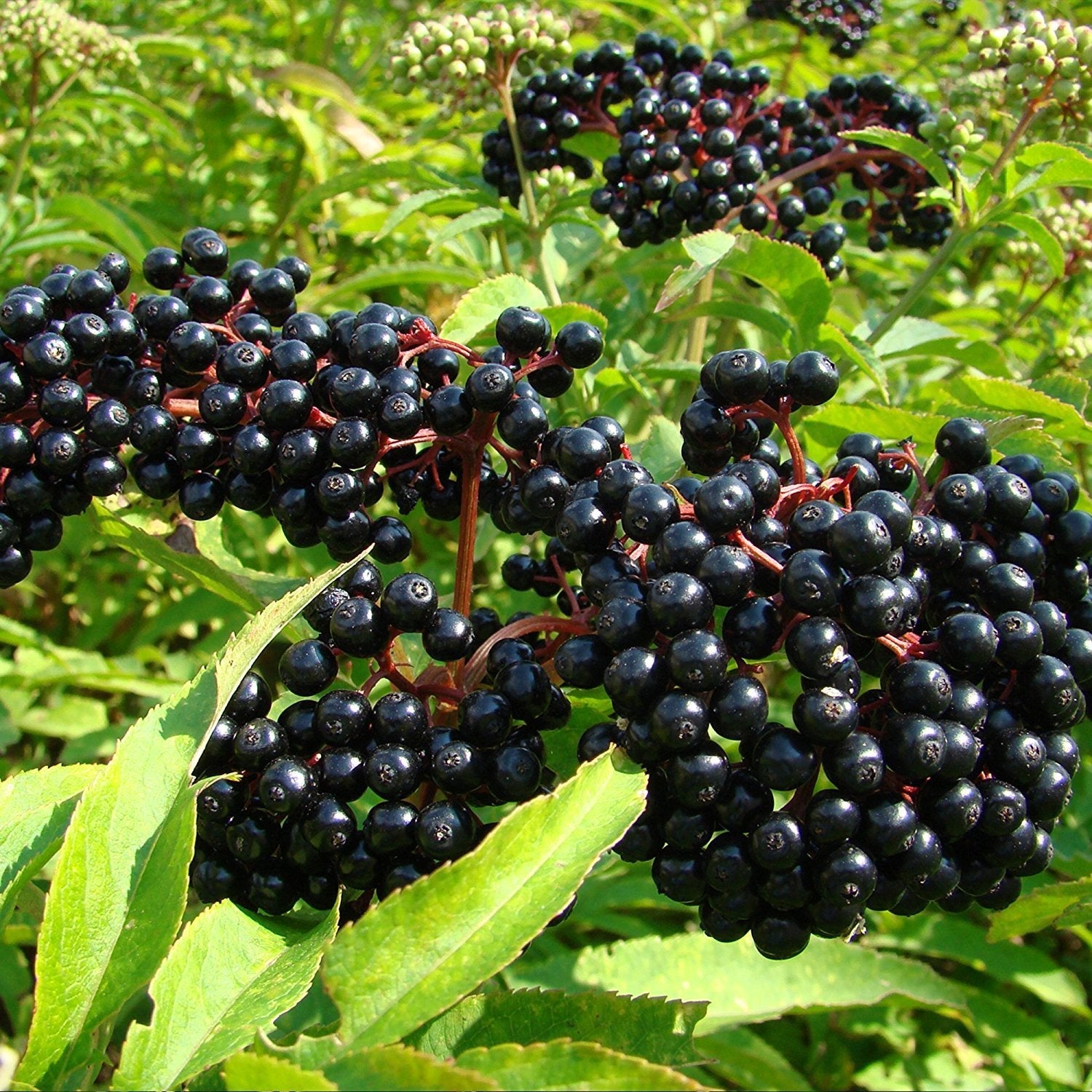
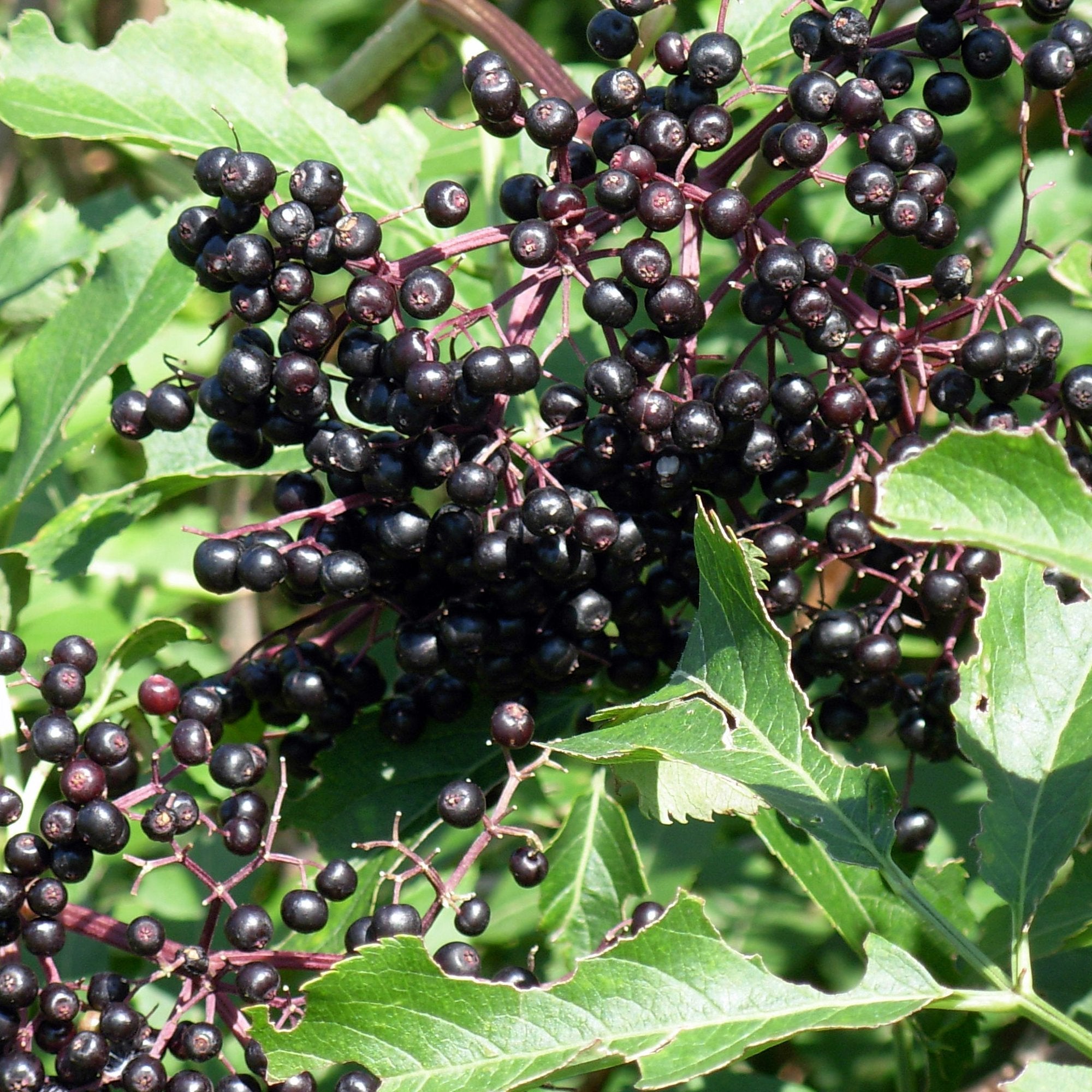
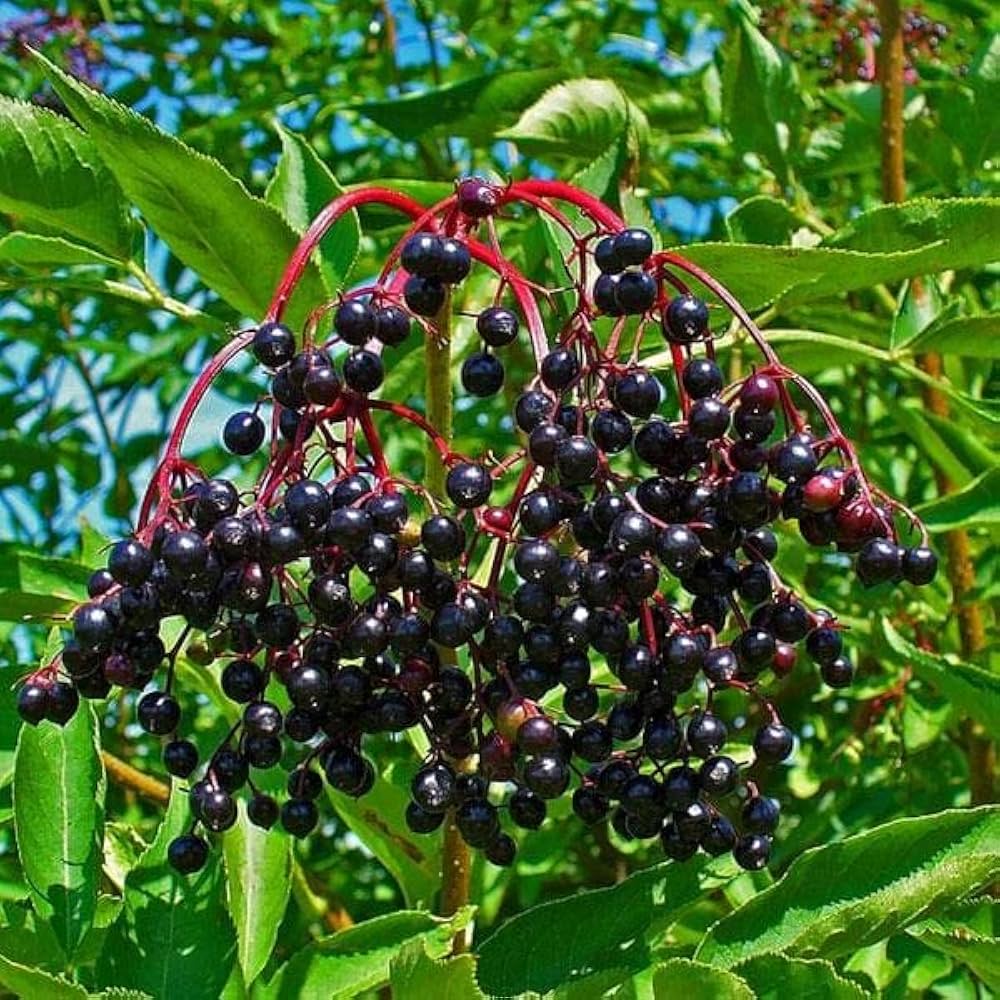
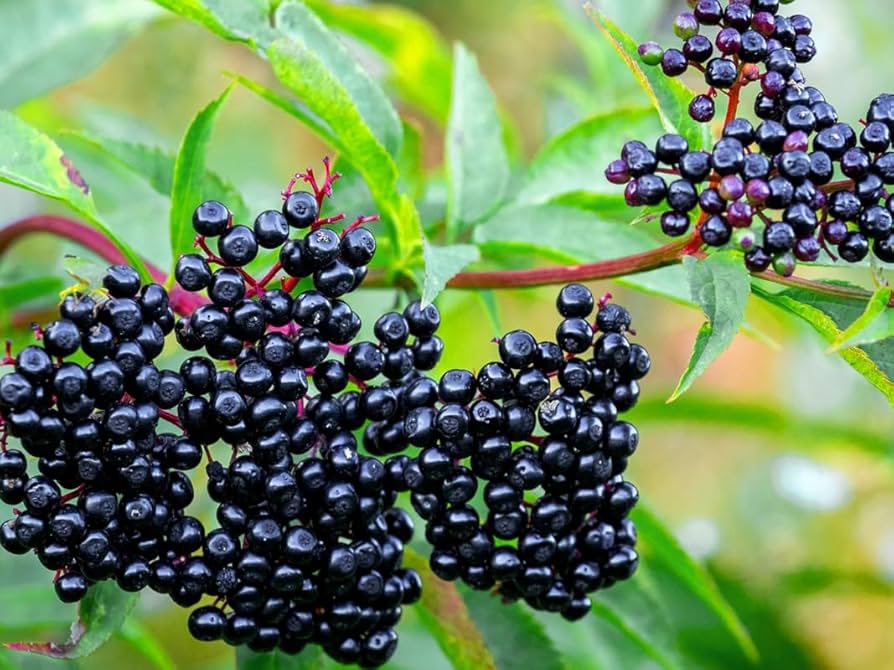
Berry color varies among elderberry species. American and European elderberries commonly develop deep purple to purple-black fruits, while some other species can produce bright red berries. Certain ornamental cultivars also feature purple, burgundy, golden, or finely divided foliage.
These differences make elderberries especially appealing for cottage-style borders, wildlife-friendly landscapes, hedgerows, and naturalized garden areas.
Not all elderberry species or plant parts are suitable for eating, and raw or improperly prepared elderberry material can contain potentially harmful compounds. Identify the exact species and follow reliable food-safety guidance before any culinary use.
Plant Care Insights
Sunlight: Many elderberries perform well in full sun to partial shade.
Soil: Plant in fertile, well-drained soil that can retain reasonable moisture.
Watering: Maintain consistent moisture while plants establish without creating prolonged waterlogged conditions.
Companion Plants: Compatible native flowers, herbs, and shrubs can grow nearby when adequate mature spacing is provided.
Maintenance: Allow generous room for mature growth, remove damaged or unwanted suckers when necessary, and thin overcrowded branches to maintain an open shrub structure.
Frequently Asked Questions
What climate is suitable for Elderberries?
Climate requirements vary considerably among Elderberry species and cultivars.
Choose a type suited to your USDA region and seasonal conditions.
How large do mature Elderberry plants become?
Elderberries generally develop into large, multi-stemmed shrubs or small trees.
Final height and spread depend strongly on species and cultivar.
Do Elderberry bushes require pruning?
Selective pruning can remove aging stems and maintain manageable shrub structure.
Pruning needs vary according to plant age and growth habit.
What pests may affect Elderberry plants?
Aphids, borers, mites, and other insects may occasionally affect Elderberry plants.
Regular inspections help gardeners identify potential pest activity early.
Shop By Category