Grow Taro Seeds for a Lush Cottage Garden
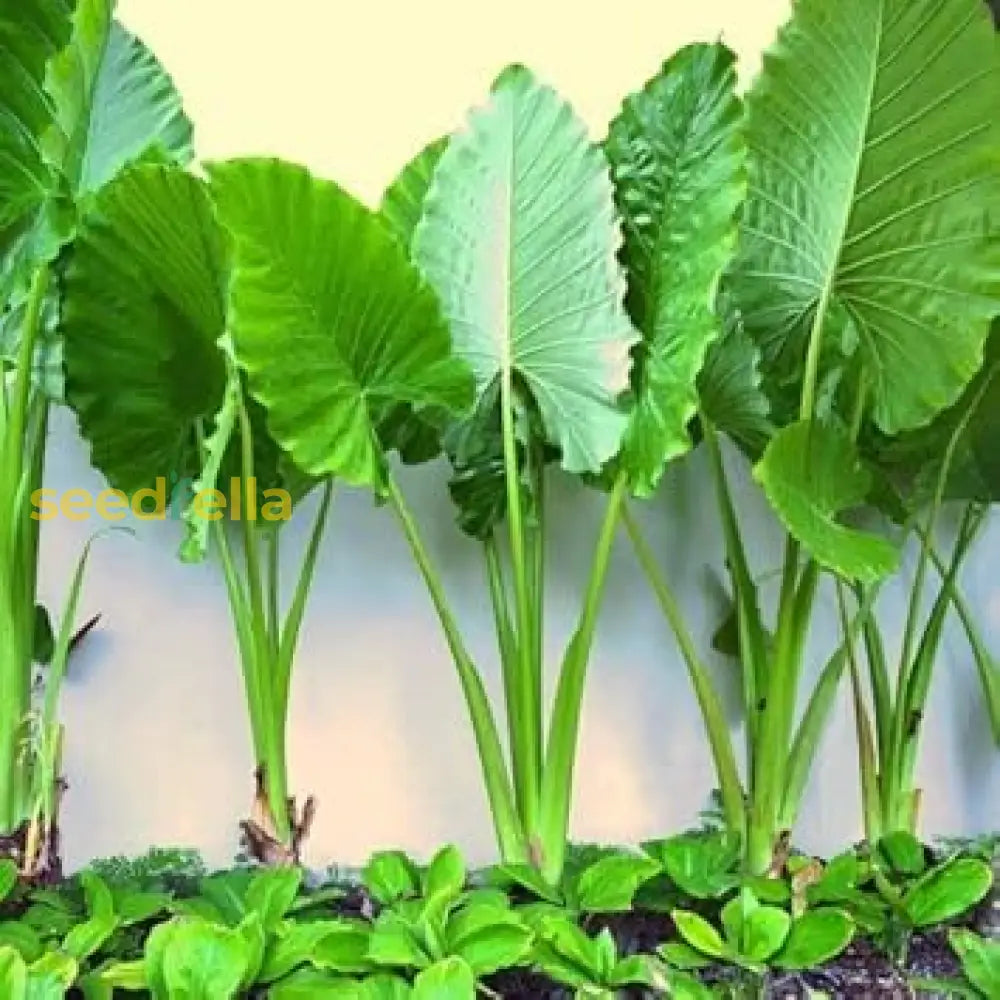
There is something wonderfully old-fashioned about broad, heart-shaped taro leaves rising among cottage garden plants. Their generous foliage brings a relaxed, tropical feeling to garden spaces, creating a soft backdrop that feels especially charming beside rustic paths, shaded corners, and layered beds.
Taro can add bold texture without relying on delicate blooms for visual interest. Its large leaves create a graceful contrast against finer foliage and smaller flowers, making it a lovely choice for gardeners who enjoy a natural, collected look.
Find Taro Seeds at Evergrow Seeds
Taro Seeds are available at evergrowseeds.com, where home gardeners can explore seeds for adding distinctive foliage and seasonal character to their growing spaces. Plant them as part of a lush garden arrangement or use their dramatic leaves to create a gentle tropical accent within a cottage-inspired landscape.
Browse Our Taro Seeds
Taro is best known for its striking foliage rather than its flowers. When mature plants flower, the bloom structure is typically a pale cream, yellowish, or greenish-white spathe surrounding the central spadix, with appearance varying by type and growing conditions.
In the garden, taro can work beautifully as a foliage focal point, along a moist garden edge, or among complementary plants such as cannas, caladiums, and other bold-leaved ornamentals. Its large leaves can help create the layered, romantic feeling often associated with cottage-style planting.
Plant Care Insights
- Sunlight: Provide bright light to partial shade; hotter climates may benefit from afternoon shade.
- Soil: Choose fertile, moisture-retentive soil with good drainage and plenty of organic matter.
- Watering: Keep the soil consistently moist without leaving plants in stagnant water.
- Companion plants: Pair taro with cannas, caladiums, impatiens, or other moisture-loving ornamentals.
- Maintenance: Remove damaged or yellowing leaves as needed to keep plants looking tidy.
Frequently Asked Questions
What climate is best for growing taro?
Taro generally prefers warm, frost-free growing conditions.
In cooler areas, treat it as a seasonal garden plant.
How much space does a mature taro plant need?
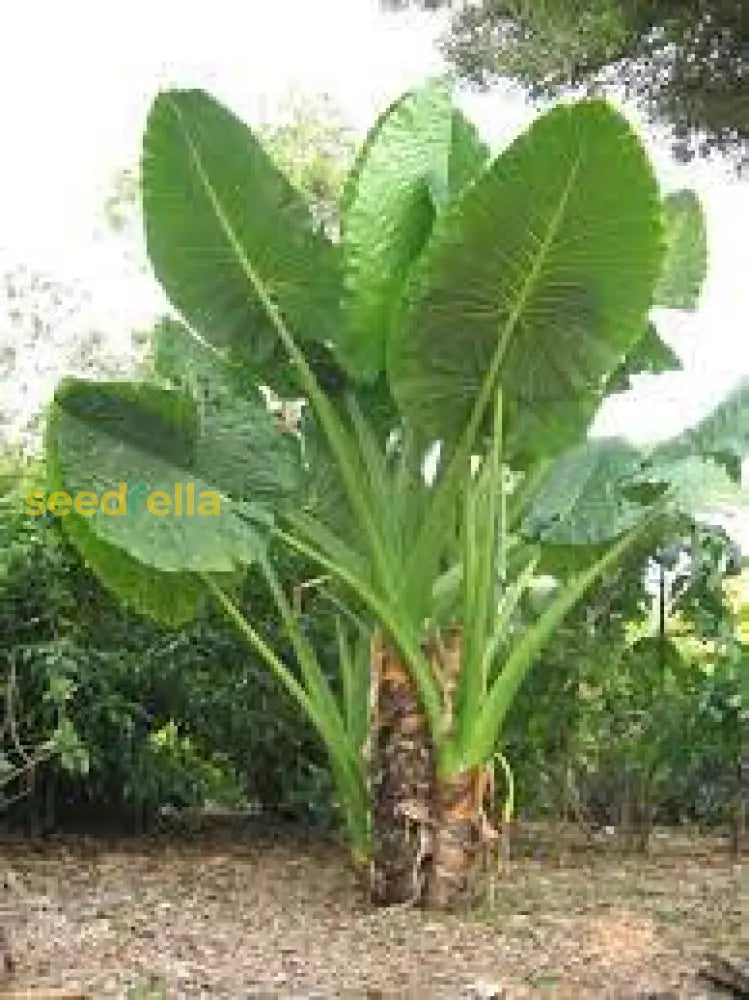
Mature taro can develop broad leaves and a generous spread.
Give each plant enough room to display its foliage comfortably.
Does taro produce flowers?
Taro can produce a pale spathe and central spadix when mature.
Flowering is less common than its impressive foliage display.
Which pests may affect taro plants?
Common garden pests can include aphids, spider mites, and caterpillars.
Inspect leaves regularly and remove pests promptly when noticed.
Shop By Category