






Passiflora Flower Seeds for Planting – Exotic Blooms for a Romantic Cottage Garden
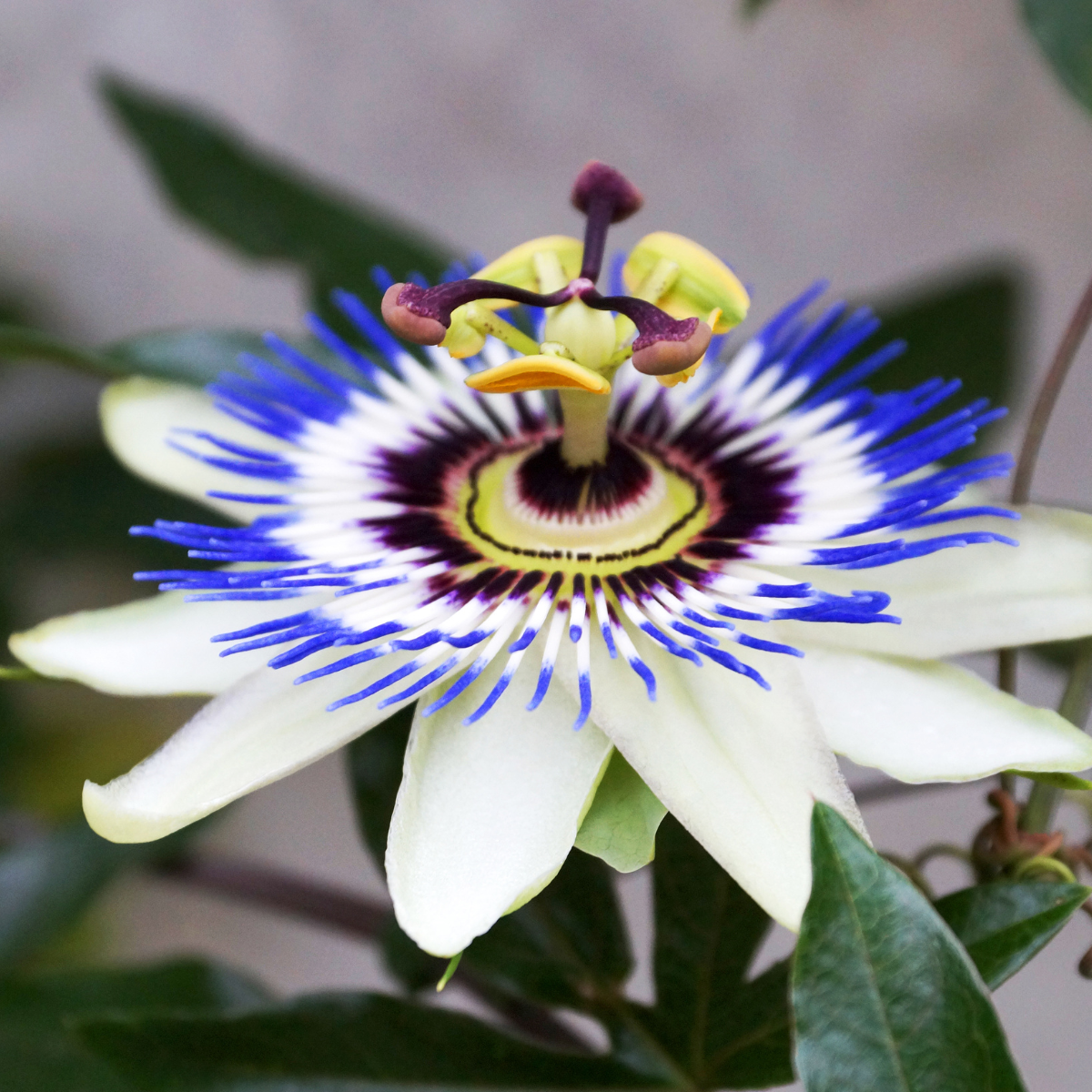
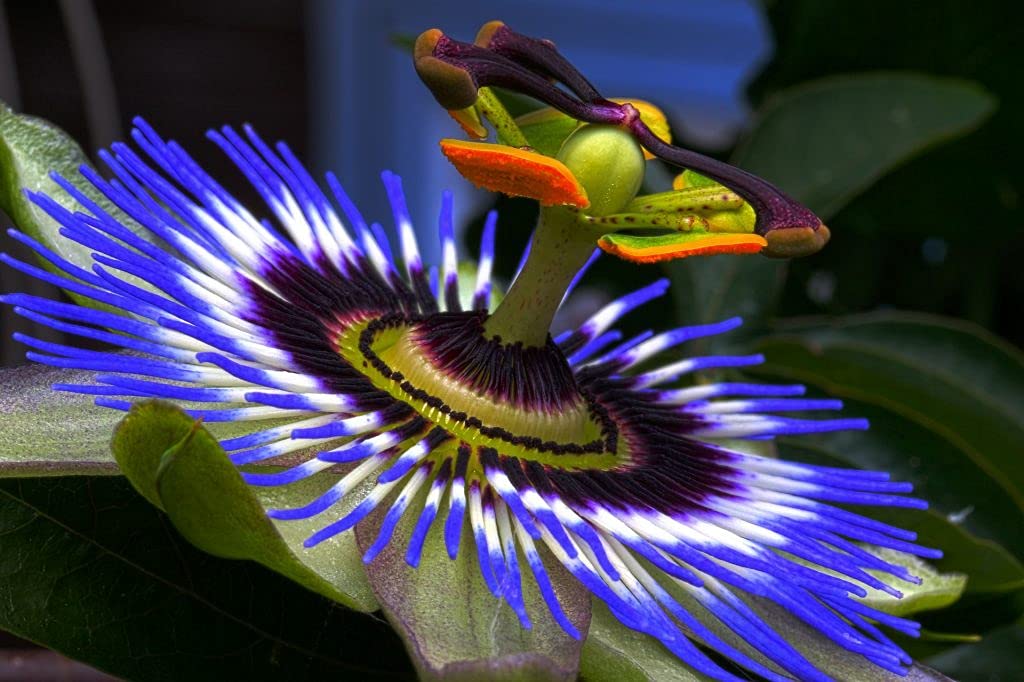
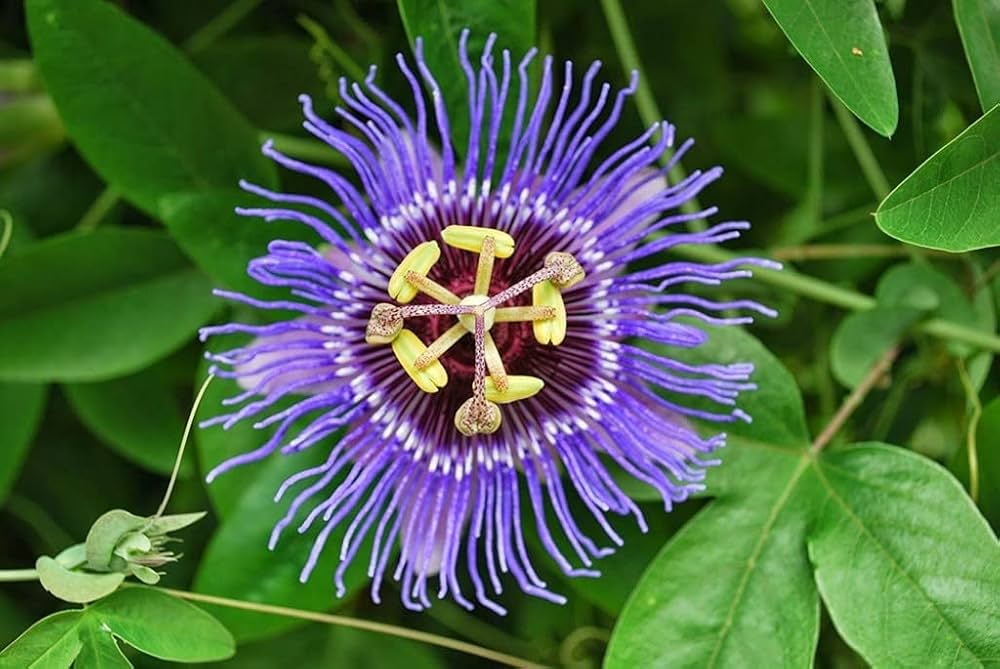
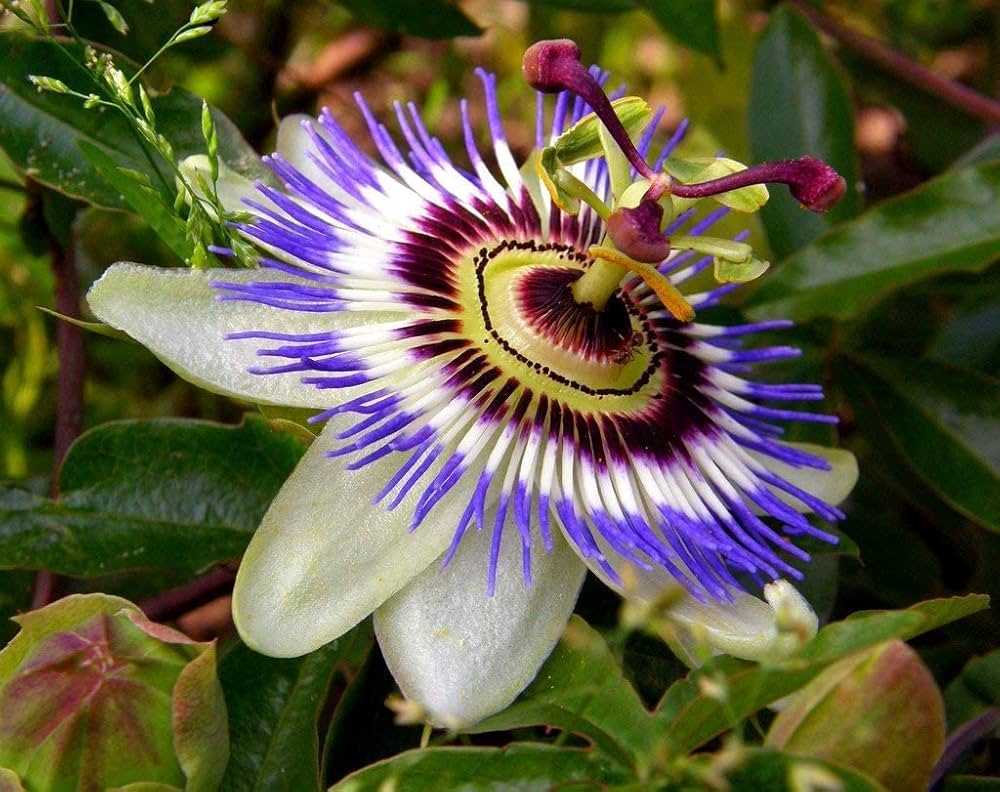
Passiflora, commonly known as passion flower, brings an almost storybook beauty to the garden. Its elaborate flowers unfold along graceful climbing vines, creating intricate splashes of color over trellises and arbors. The unusual blossoms blend beautifully with softer cottage plantings, adding tropical character without losing the garden's romantic charm.
Passiflora Flower Seeds from Evergrow Seeds are available at evergrowseeds.com for US home gardeners interested in distinctive flowering vines. The Passiflora genus contains many species, so flower appearance, mature vine size, cold tolerance, and fruiting characteristics can vary significantly.
Browse Our Passiflora Flower Seeds
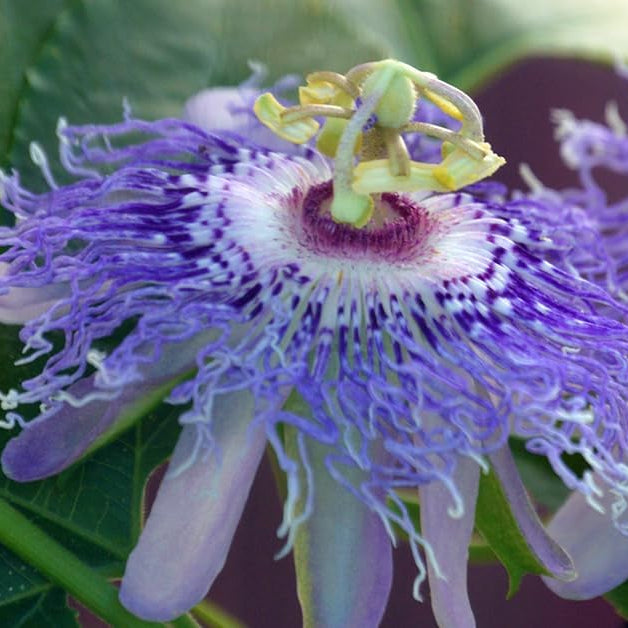
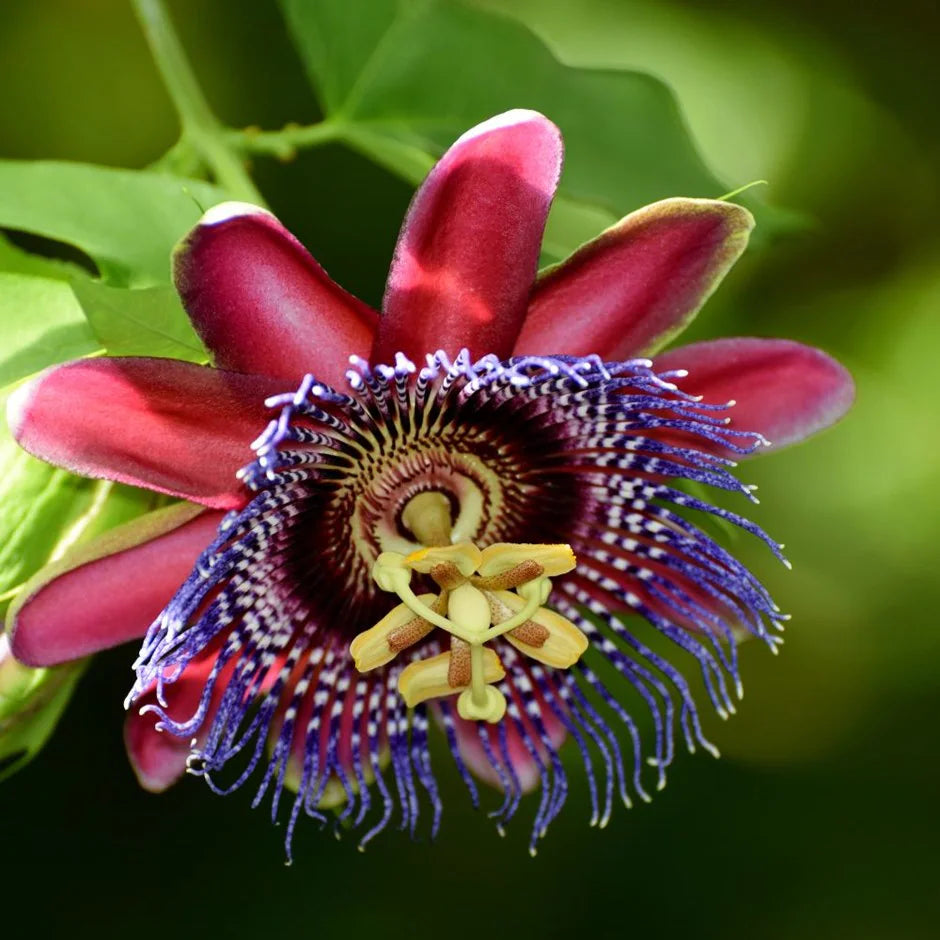
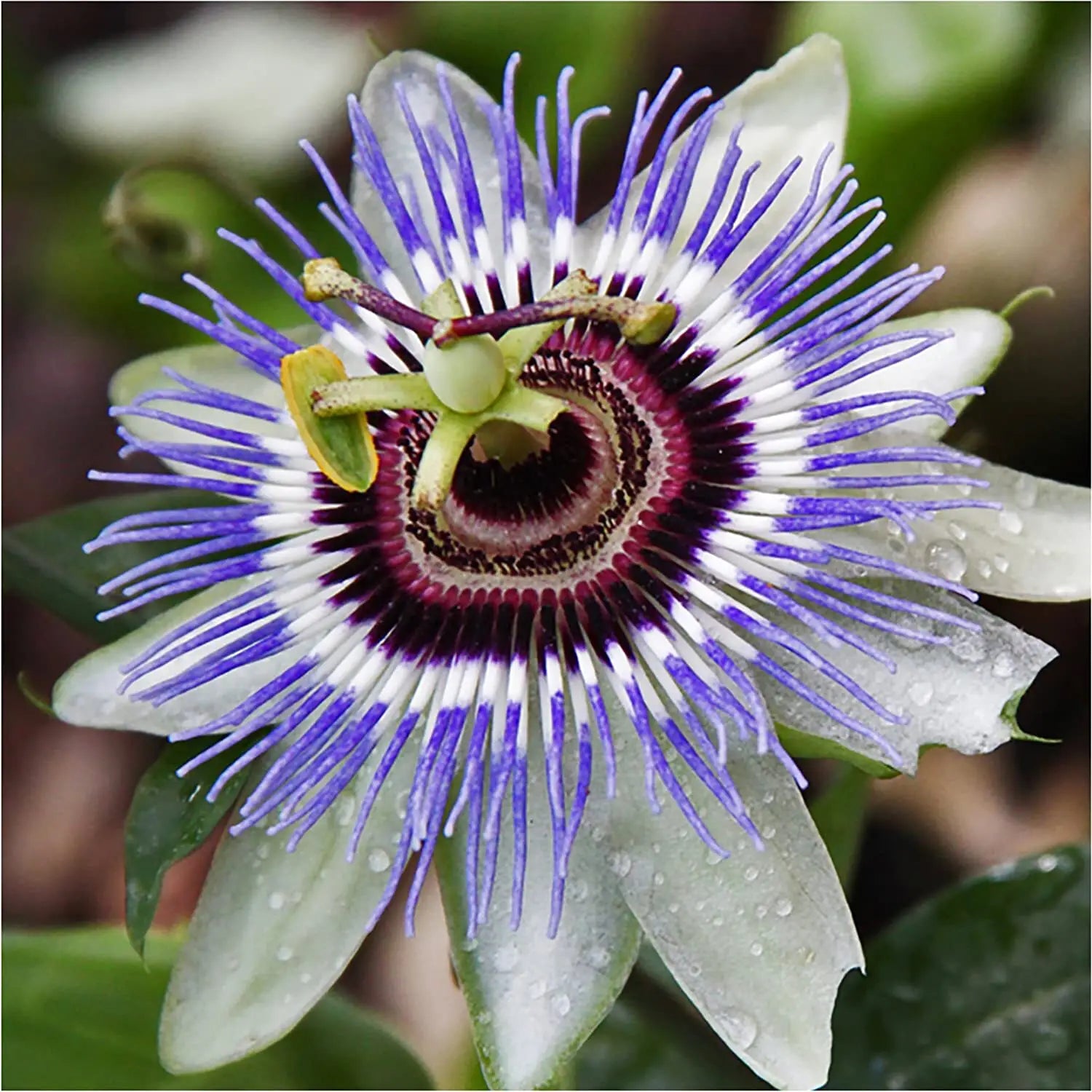
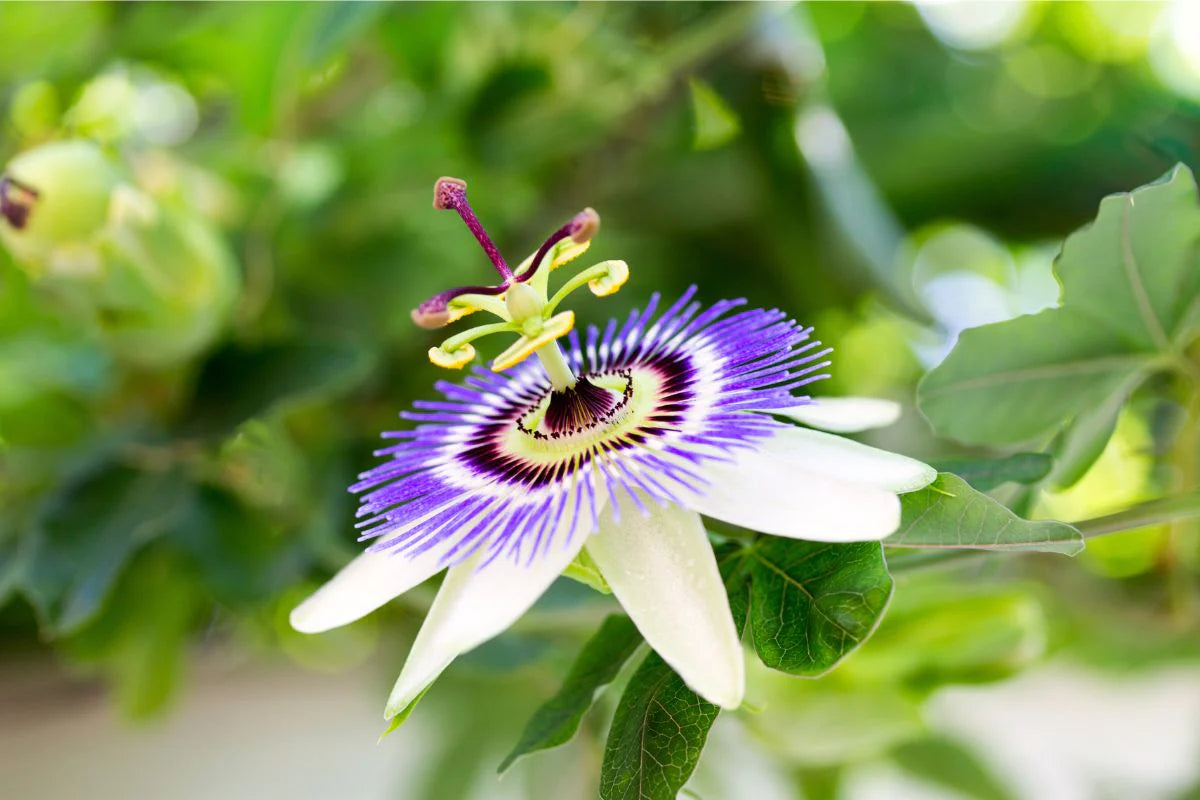
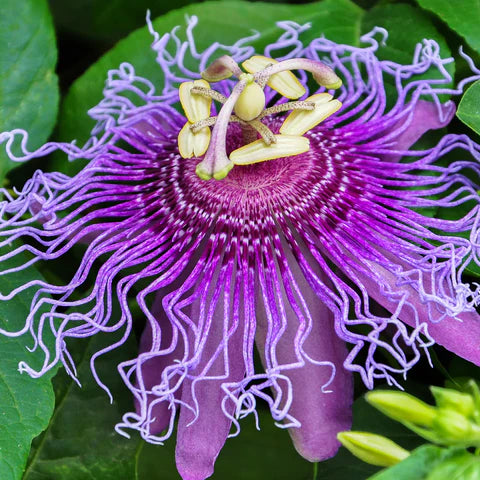
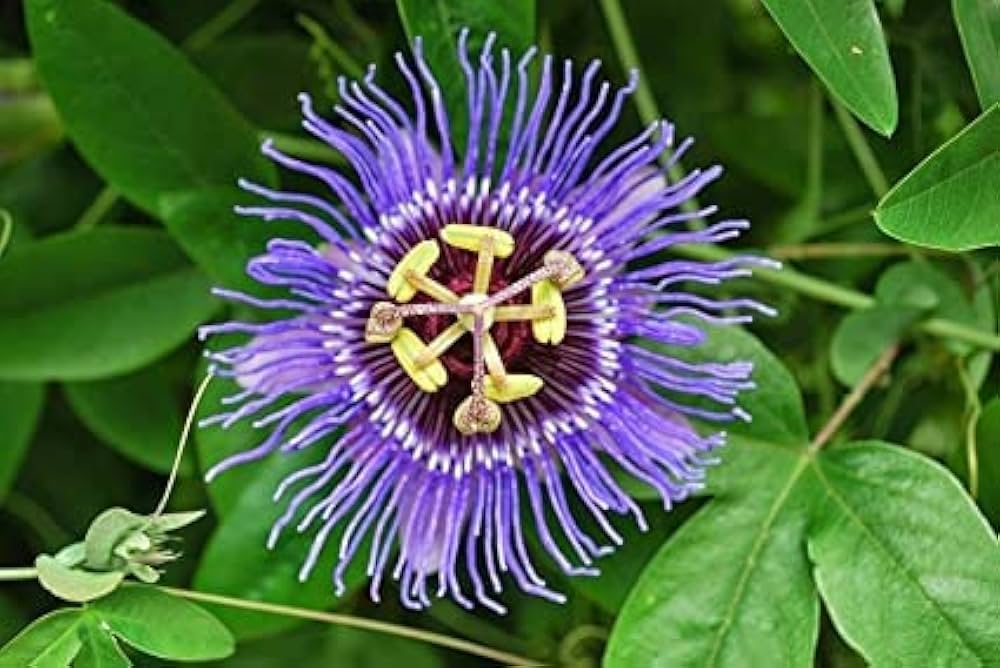
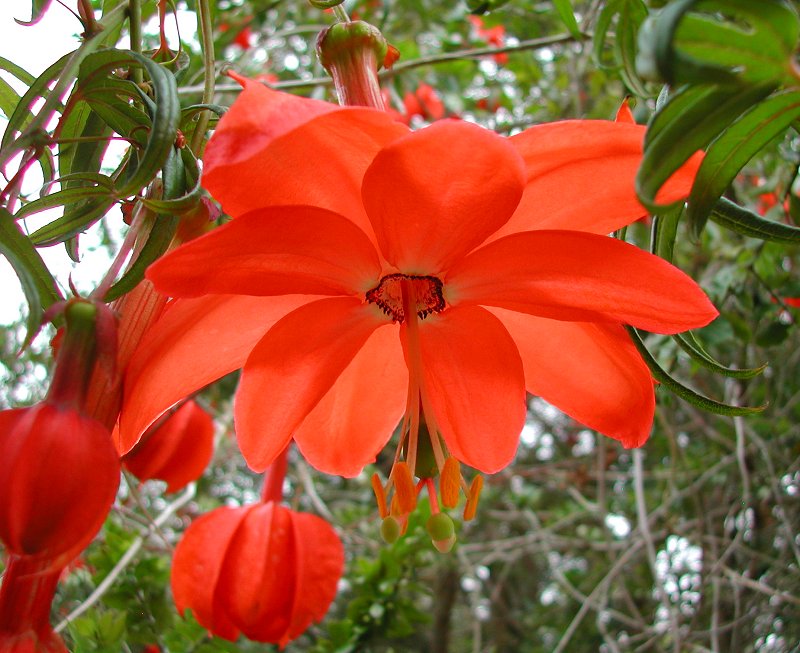
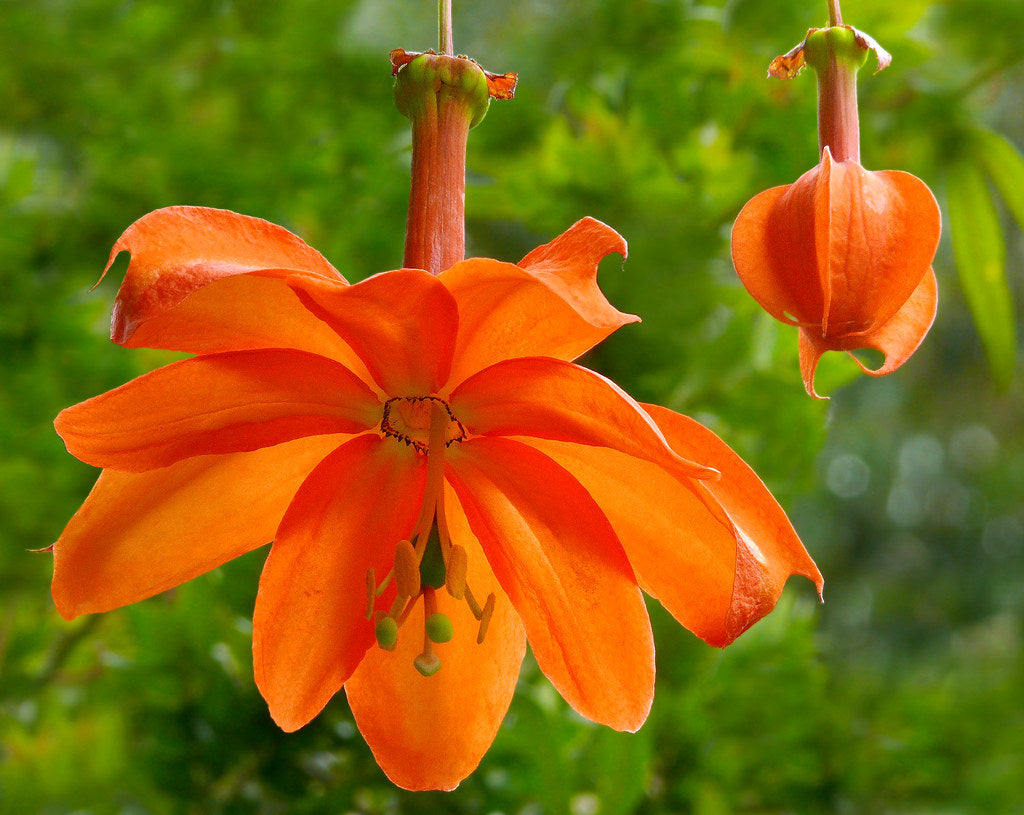
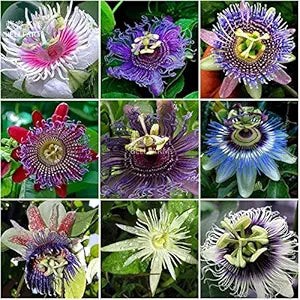
Depending on species and genetics, passion flowers may display shades of white, cream, pink, red, lavender, violet, purple, blue, or multicolored combinations. Their distinctive corona filaments often create striking bands and contrasting patterns.
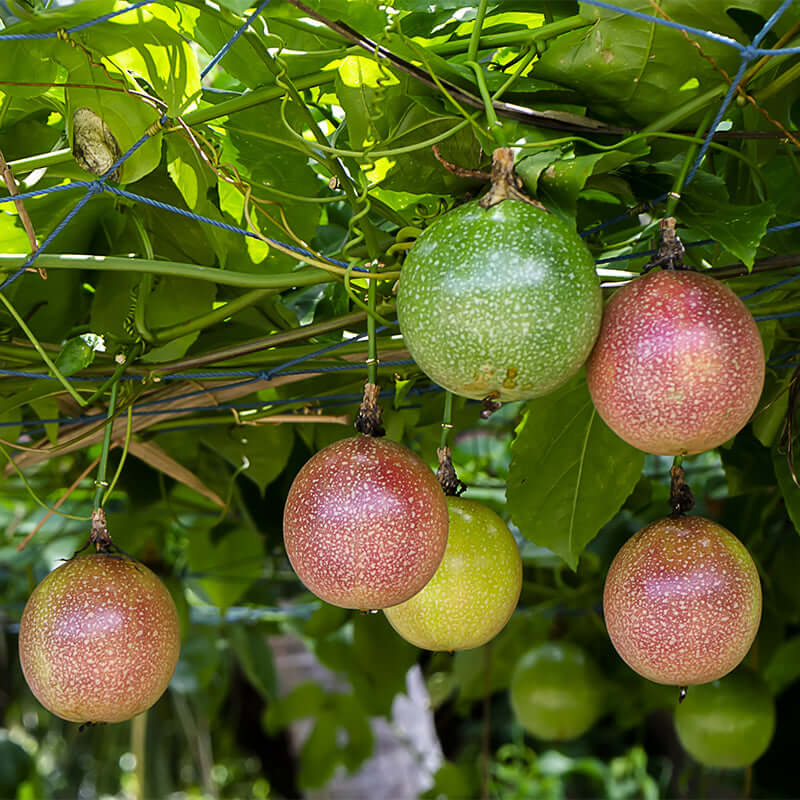
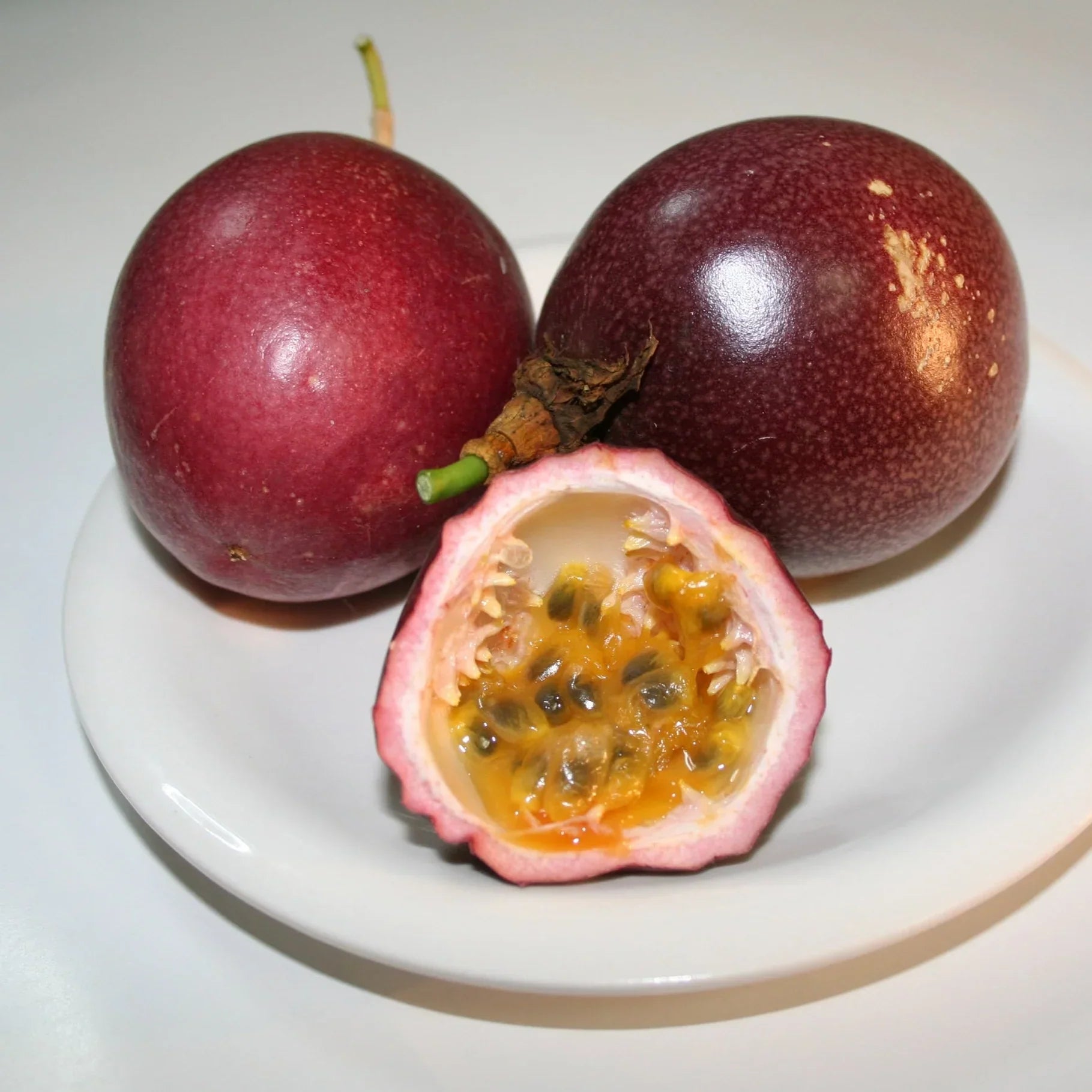
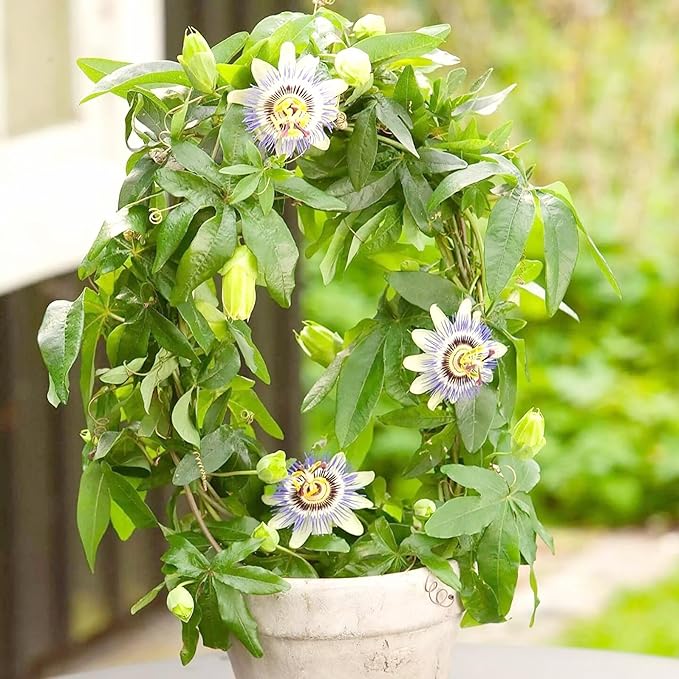
Passiflora vines can add vertical color to sturdy trellises, fences, arbors, and cottage-garden structures. Some species may also develop ornamental or edible fruit, but fruit suitability should be confirmed for the specific species before consumption.
Plant Care Insights
Sunlight: Many Passiflora species prefer full sun to light partial shade.
Soil: Choose fertile, loose, well-drained soil with suitable organic matter.
Watering: Maintain moderate moisture during active growth without leaving roots waterlogged.
Companion Plants: Pair with compatible flowering plants while giving vines dedicated climbing support.
Maintenance: Train vigorous stems onto sturdy supports and prune when necessary to control growth.
Frequently Asked Questions
Can Passiflora grow across different US climates?
Climate tolerance differs considerably among tropical and hardy Passiflora species.
Choose a species appropriate for your region's seasonal temperature range.
How large can mature Passiflora vines become?
Many passion flowers develop vigorous vines extending several feet or more.
Final size depends strongly on species, climate, support, and pruning.
When does Passiflora typically produce flowers?
Flowering generally occurs during warm periods after vines reach suitable maturity.
Exact bloom timing varies according to species and regional conditions.
What pests may occasionally affect Passiflora plants?
Aphids, scale insects, and spider mites may occasionally visit Passiflora vines.
Regular inspection helps gardeners identify potential pest activity early.
Shop By Category