Bee Balm Flower Seeds for Planting – Whimsical Blooms for a Romantic Cottage Garden
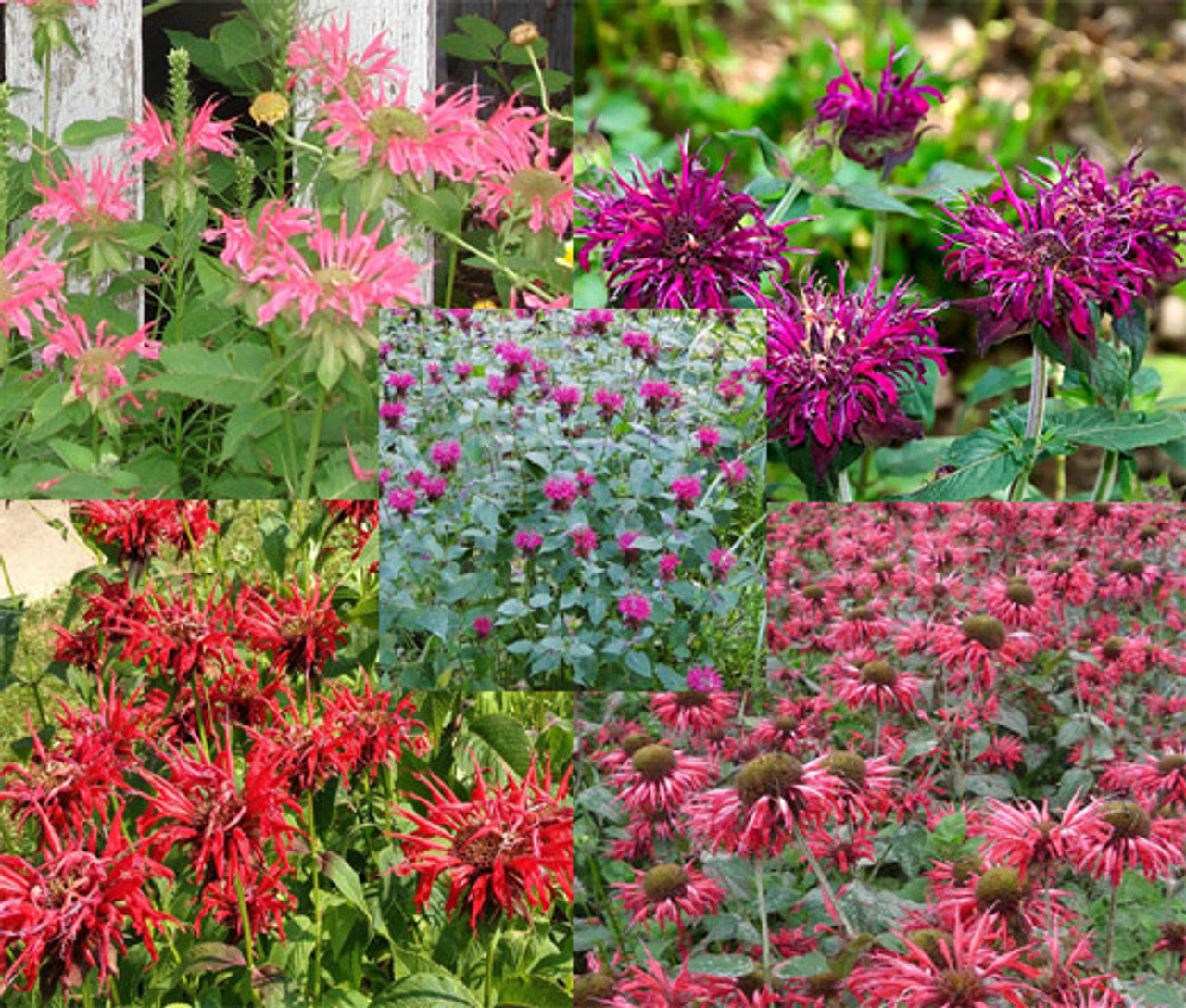
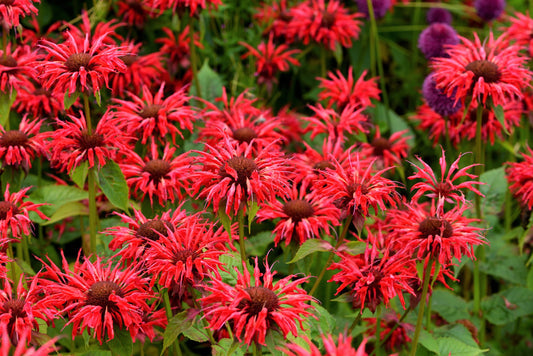
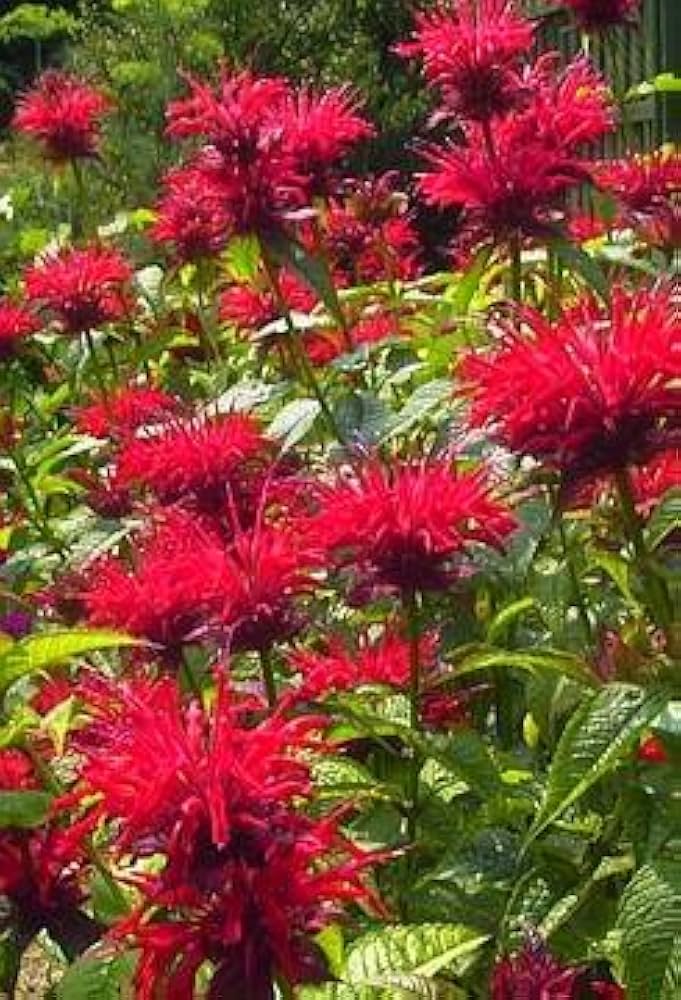
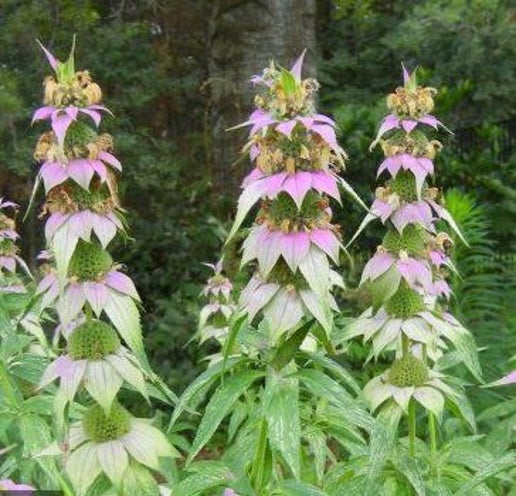
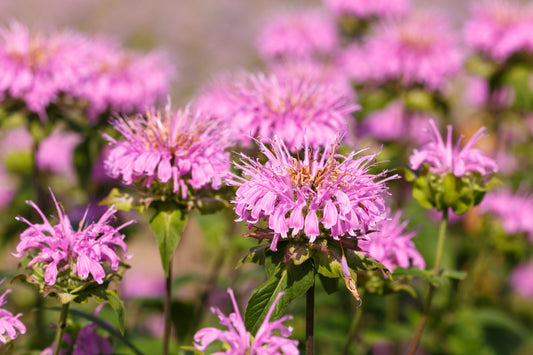
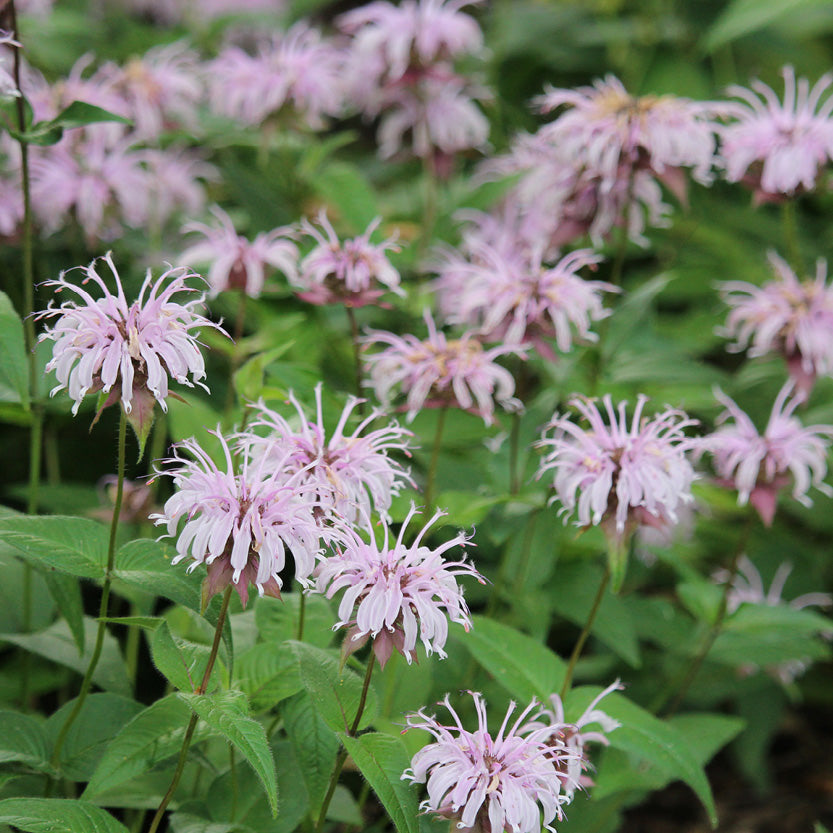
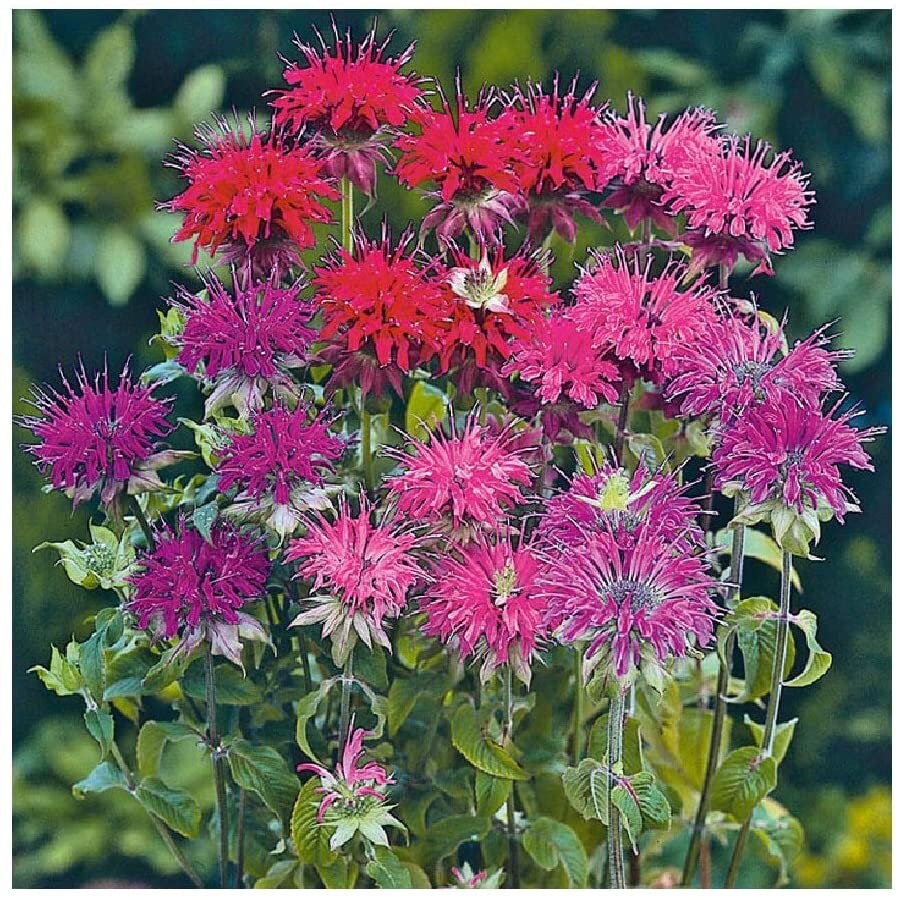
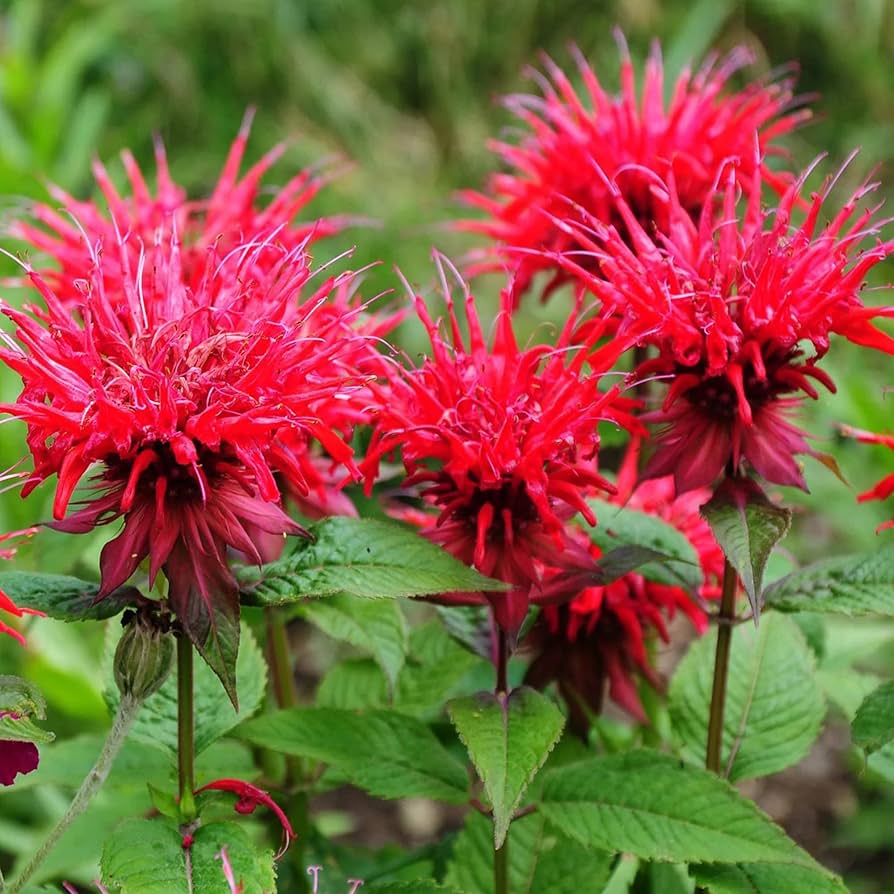
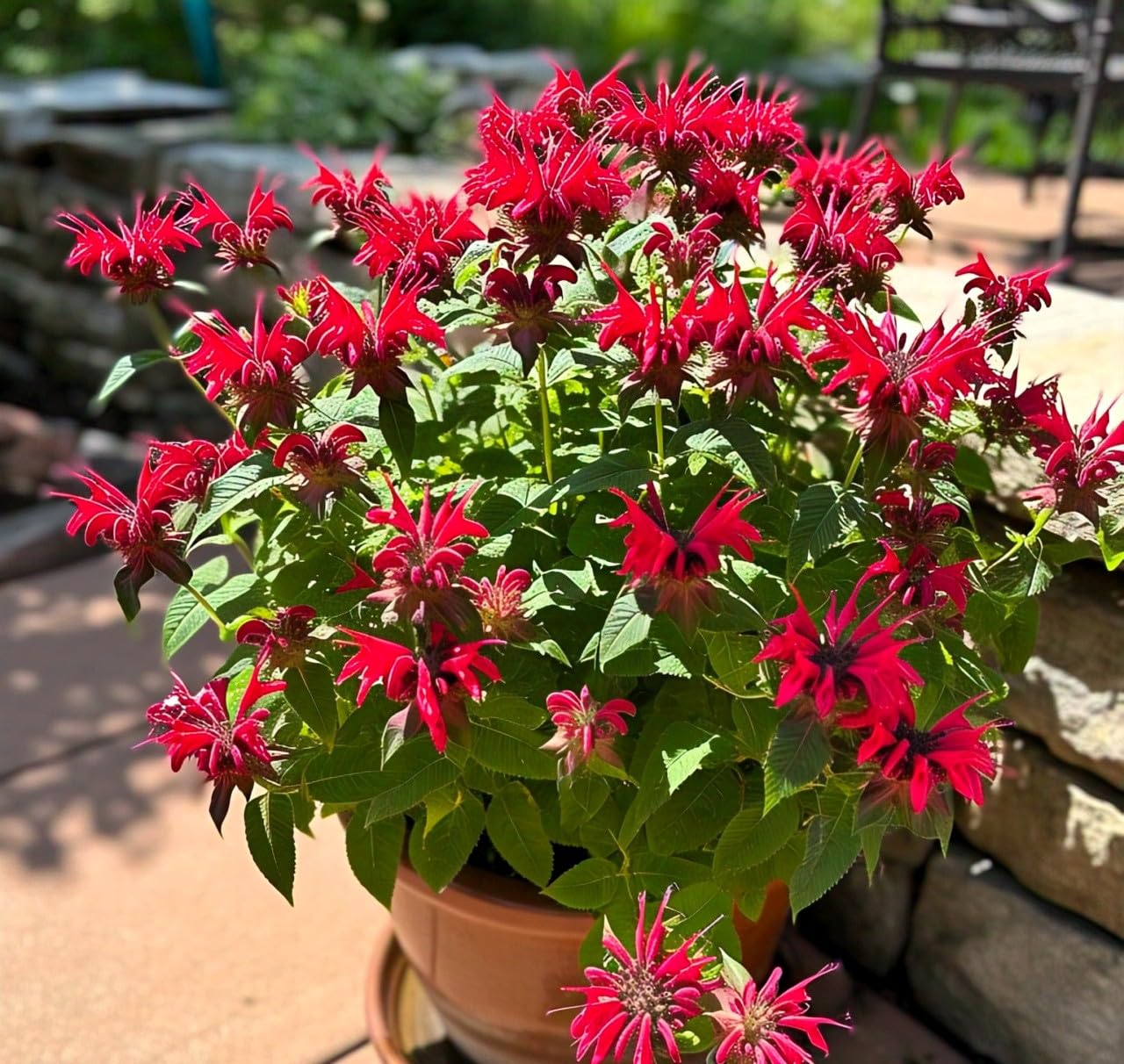
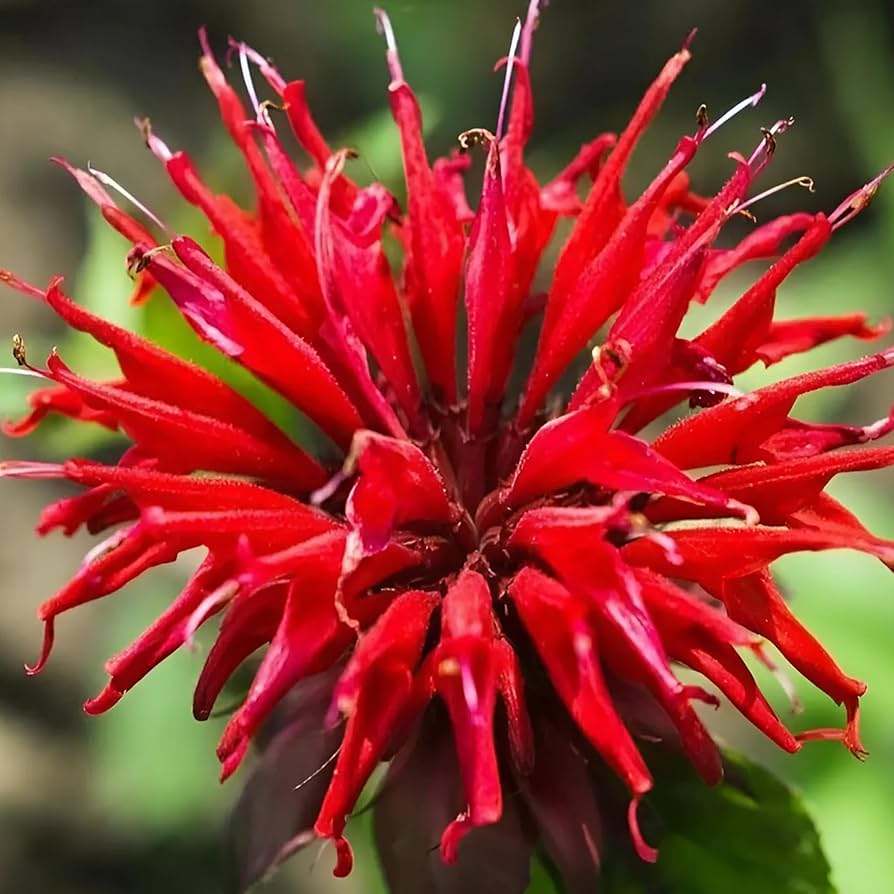
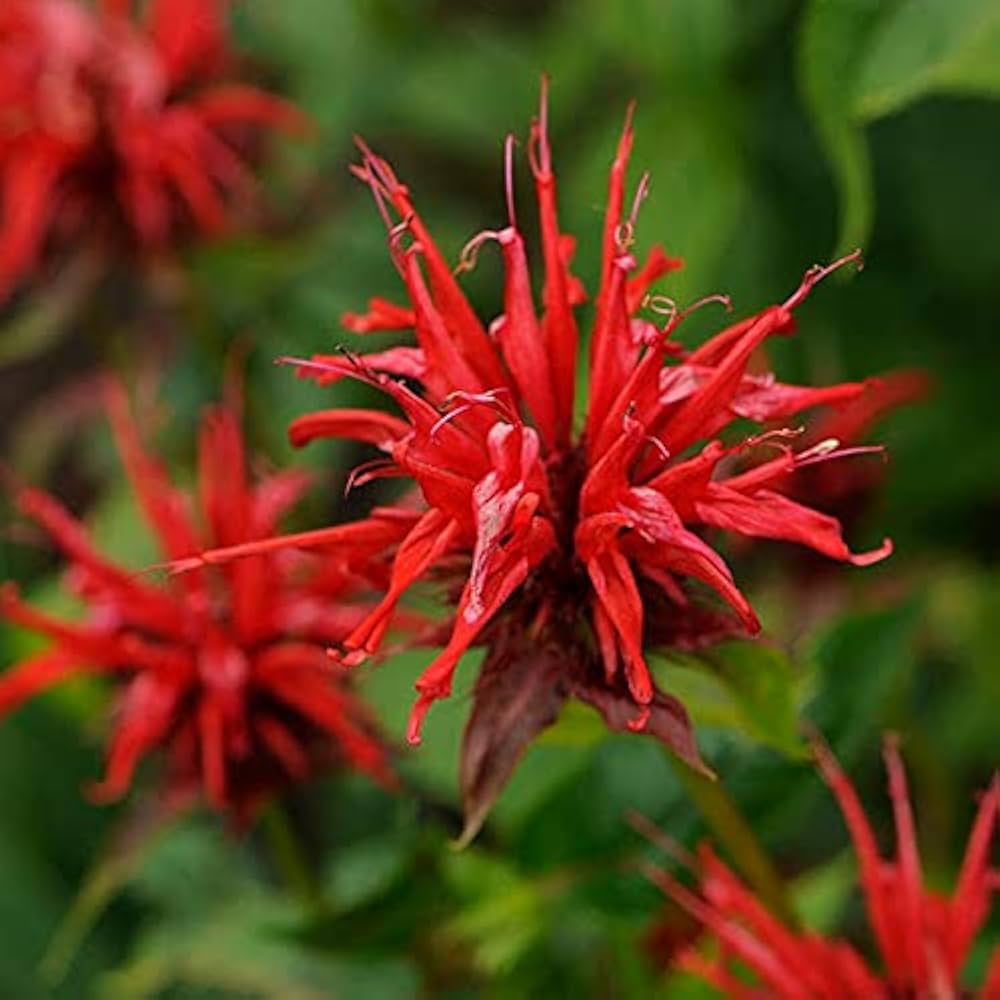
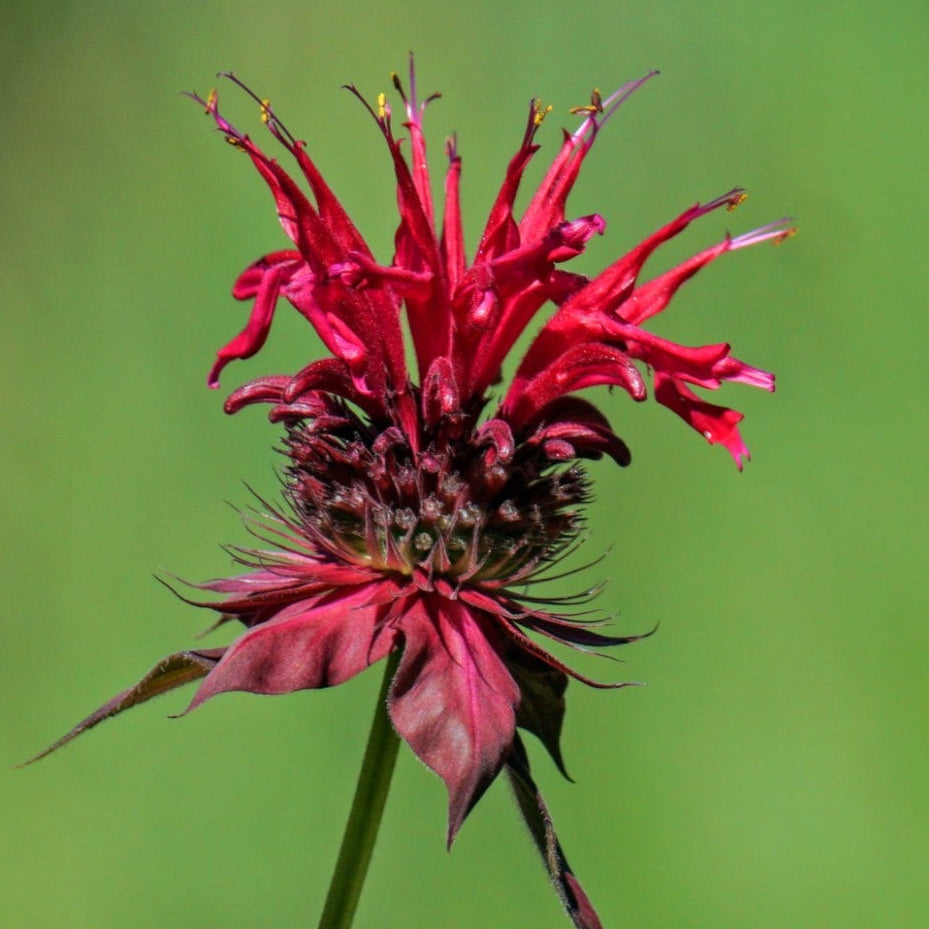
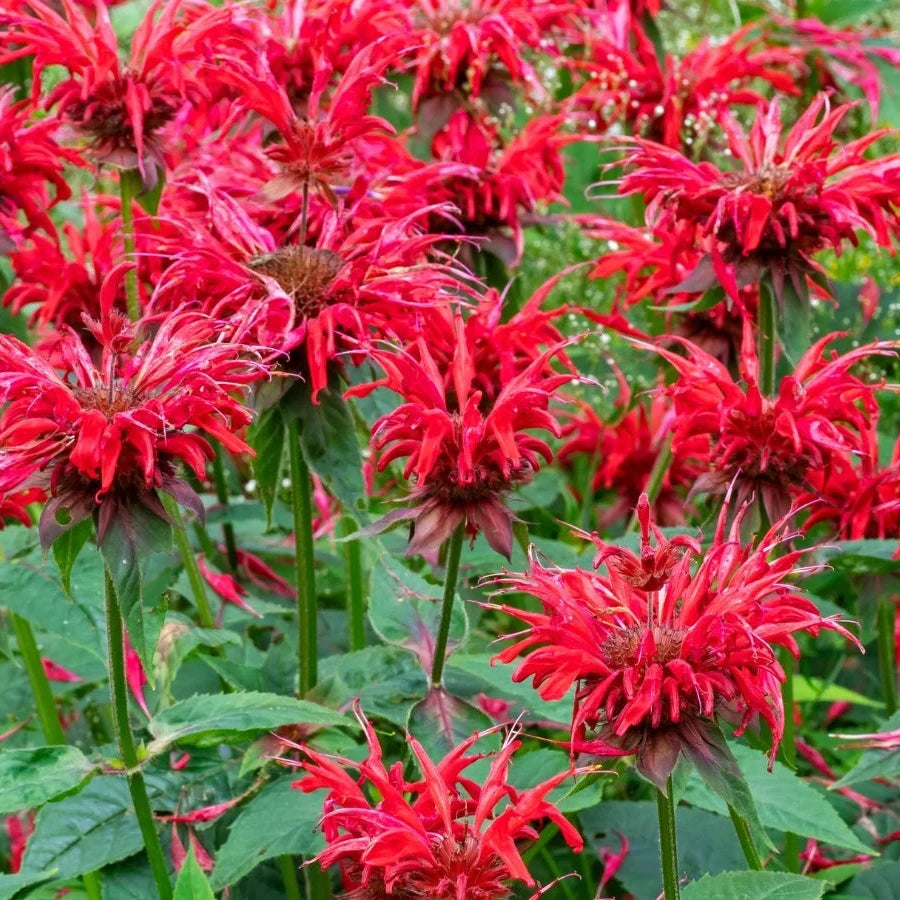
Bee balm flowers have the wonderfully untamed beauty that makes cottage gardens feel alive. Their distinctive clusters of slender petals rise above leafy stems like tiny bursts of color, bringing movement and old-fashioned romance to summer borders. Among softer flowers and swaying grasses, bee balm creates a cheerful garden scene with an effortless, meadow-like character.
Bee Balm Flower Seeds from Evergrow Seeds are available at evergrowseeds.com for US home gardeners seeking colorful flowers with naturalistic appeal. Belonging to the Monarda genus, bee balm fits beautifully into cottage gardens, informal flower borders, pollinator-friendly landscapes, and meadow-inspired plantings where its upright blooms provide valuable height and texture.
Browse Our Bee Balm Flower Seeds
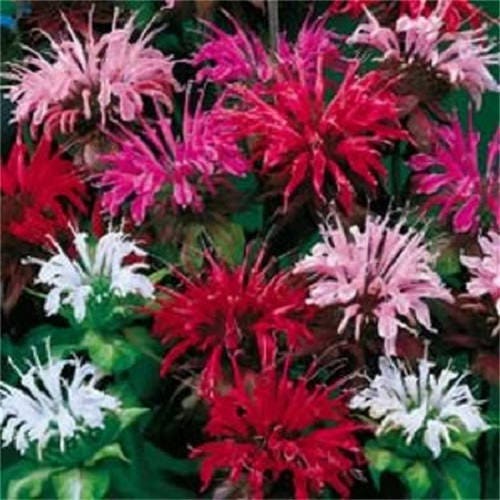
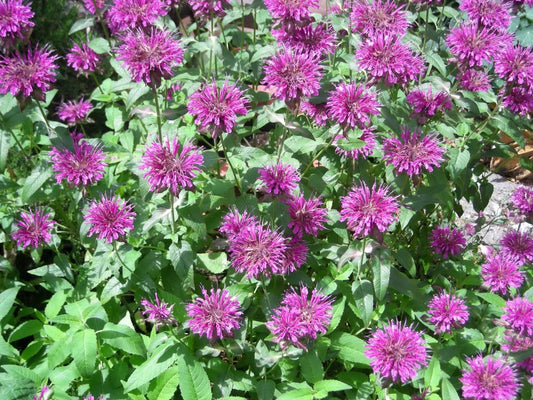
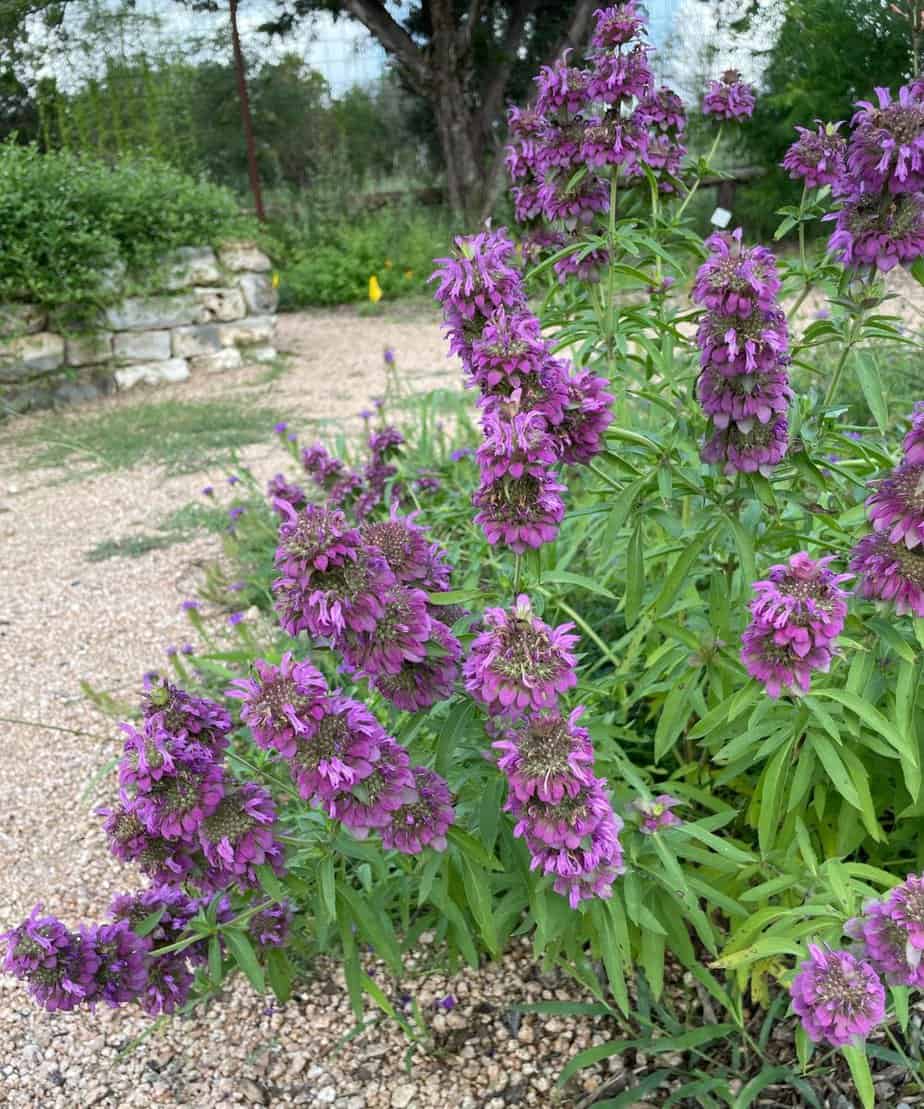
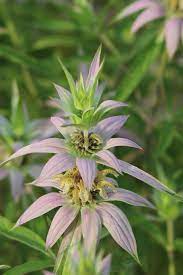
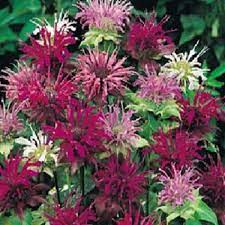
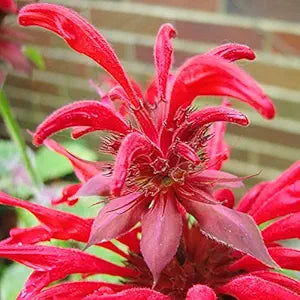
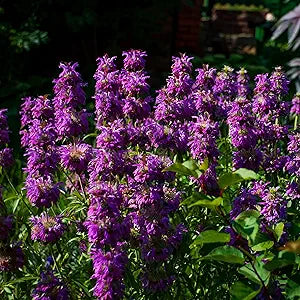
Depending on species and variety, bee balm flowers may appear in shades of scarlet red, crimson, rosy pink, soft pink, lavender, lilac, violet-purple, or white. Some varieties develop particularly vivid colors, while others offer softer shades suited to romantic pastel garden combinations.
Their unusual flower heads create attractive vertical accents among neighboring plants. Bee balm can be planted toward the middle or back of cottage borders and paired with compatible coneflowers, black-eyed Susans, asters, phlox, ornamental grasses, and other flowering favorites.
Plant Care Insights
Sunlight
Bee balm generally prefers full sun, although some afternoon shade can be helpful in particularly warm regions.
Soil
Choose reasonably fertile, well-drained soil with suitable organic matter and enough space for healthy root development.
Watering
Maintain reasonably consistent moisture while avoiding prolonged waterlogged conditions around the roots.
Companion Plants
Bee balm pairs beautifully with coneflowers, black-eyed Susans, asters, phlox, and ornamental grasses with compatible growing requirements.
Maintenance
Provide sufficient spacing to encourage good airflow. Remove damaged stems and faded flowers when appropriate to maintain a tidy display.
Frequently Asked Questions
Can bee balm flowers grow across different US climates?
Many bee balm varieties adapt well to temperate regions across America.
Winter tolerance varies according to species, variety, and local climate.
How large can mature bee balm flowers become?
Plants generally develop upright stems topped with distinctive clustered flowers.
Mature height and spread vary considerably among different Monarda varieties.
When do bee balm plants usually flower?
Bee balm commonly flowers during summer into early fall in many regions.
Exact bloom timing depends on variety, climate, and seasonal conditions.
What pests may occasionally affect bee balm flowers?
Spider mites, aphids, and thrips may occasionally appear on the plants.
Routine inspection helps gardeners recognize potential pest activity early.
Shop By Category