Kiwano Seeds – Golden Horned Treasures for the Cottage Garden
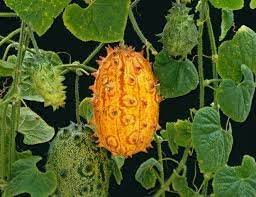
Kiwano brings a wonderfully whimsical character to the summer edible garden. Its wandering green vines, curling tendrils, cheerful yellow blossoms, and extraordinary horned fruits create a storybook scene reminiscent of rustic trellises, sunlit cottage pathways, and unusual golden treasures tucked among abundant foliage.
Kiwano Seeds are available at evergrowseeds.com from Evergrow Seeds for gardeners who enjoy distinctive warm-season fruiting vines with ornamental appeal. Botanically known as Cucumis metuliferus, kiwano is also called horned melon, African horned cucumber, or jelly melon.
Browse Our Kiwano Seeds
Kiwano vines generally produce small yellow flowers among their broad green leaves. Like other members of the cucumber family, the plants develop separate male and female flowers on the same vine, with successfully pollinated female blossoms developing into fruits.
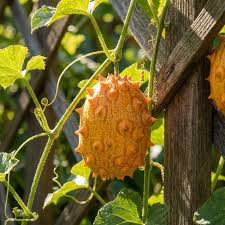
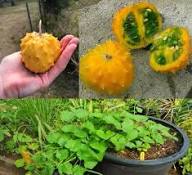
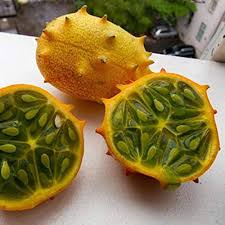
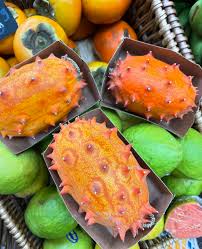
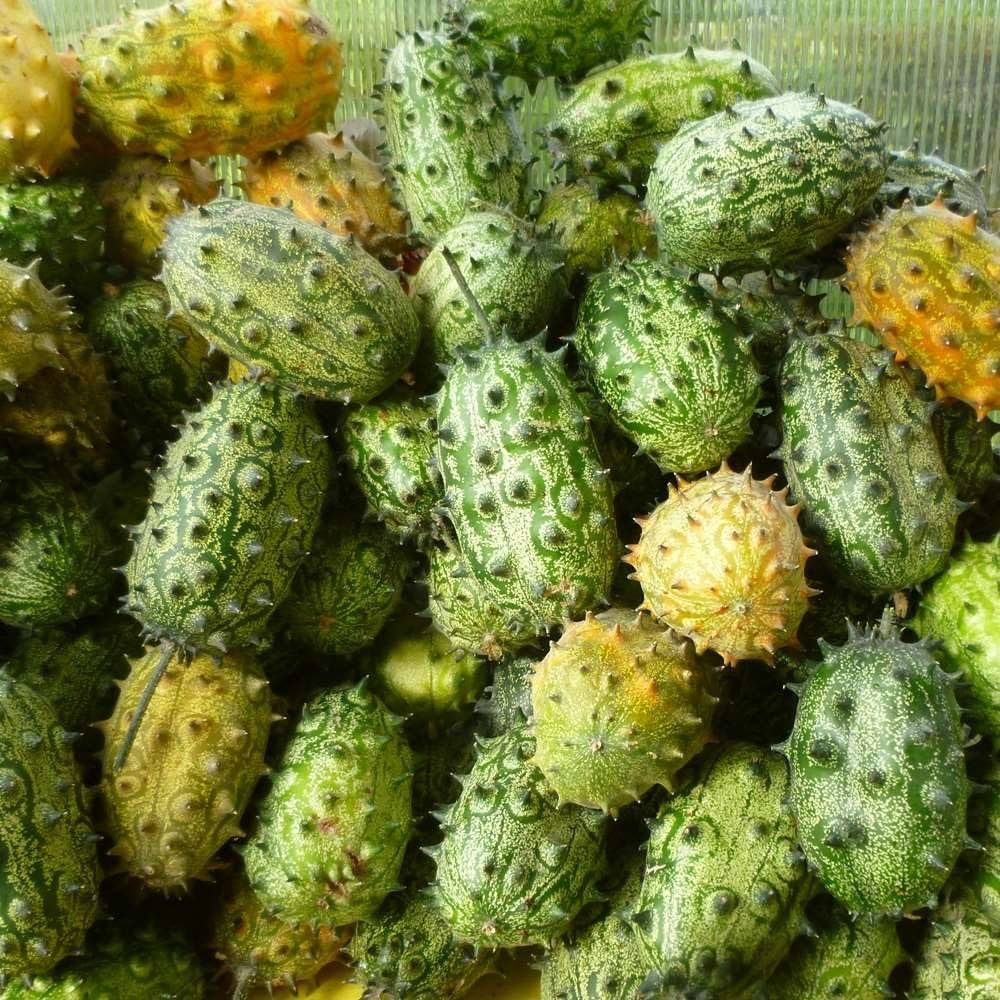
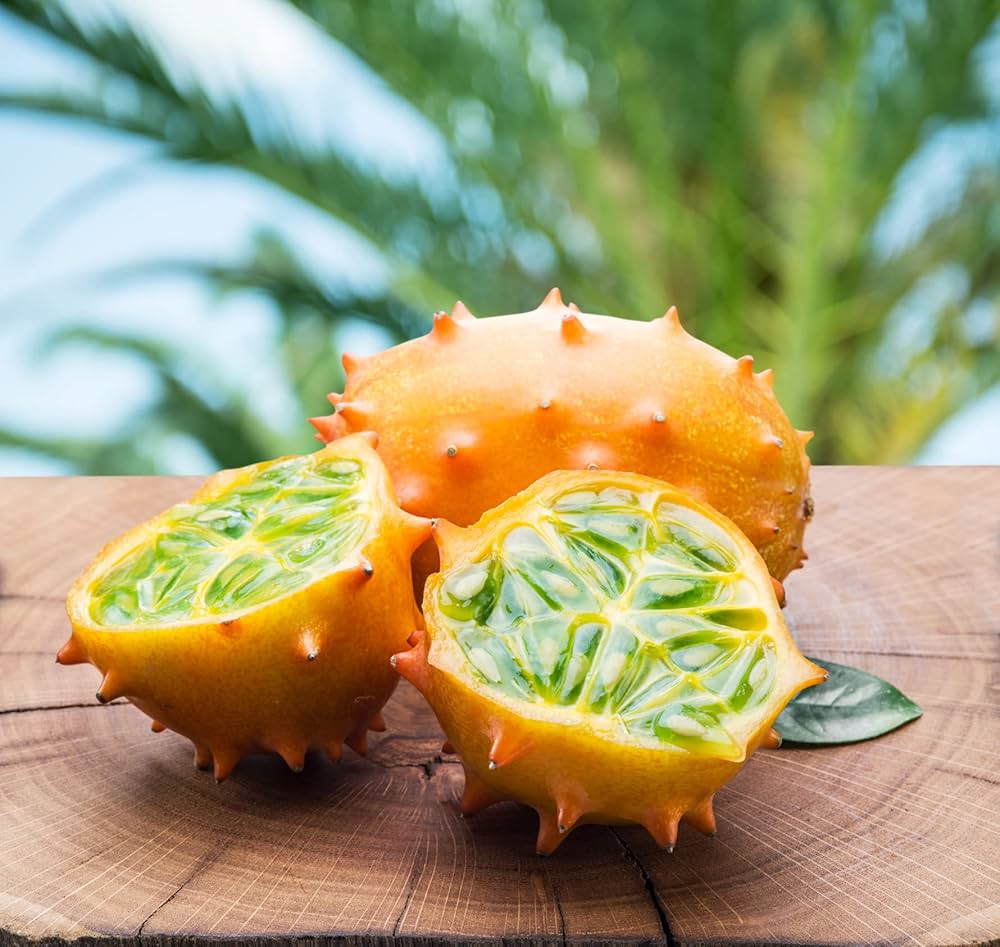
Young Kiwano fruits are typically green and gradually change through yellowish shades before ripening to golden yellow, orange, or rich orange-gold. Their most distinctive feature is the covering of prominent horn-like projections across the skin.
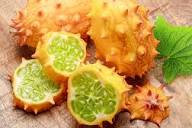
Inside, ripe fruits contain translucent lime-green to emerald-green, jelly-like pulp surrounding numerous pale seeds. Their striking orange exterior and green interior make Kiwano an especially colorful addition to cottage-style edible gardens.
Plant Care Insights
Sunlight: Choose a warm garden location receiving full sun for vigorous vine development.
Soil: Plant in fertile, loose, well-drained soil enriched with suitable organic matter.
Watering: Maintain reasonably consistent soil moisture while avoiding prolonged waterlogged conditions.
Companion Plants: Beans, marigolds, and compatible warm-season plants can grow nearby when sufficient spacing is maintained.
Maintenance: Provide a sturdy trellis or allow vines ample ground space, guide young growth when necessary, maintain good airflow, and wear gloves if the prickly vines or fruits irritate your skin.
Frequently Asked Questions
What climate is suitable for Kiwano?
Kiwano generally favors hot weather and long frost-free growing seasons.
Cold temperatures and frost can damage these warm-season fruiting vines.
How large do mature Kiwano vines become?
Kiwano develops vigorous trailing or climbing vines extending several feet.
Final vine spread depends on climate, soil, and available growing space.
Do Kiwano vines require pruning?
Routine heavy pruning is generally unnecessary for healthy Kiwano vines.
Light trimming can help control excessive or overcrowded growth when needed.
What pests may affect Kiwano plants?
Aphids, cucumber beetles, and other insects may occasionally visit Kiwano vines.
Regular inspections help gardeners identify potential pest activity early.
Shop By Category