Ashitaba Seeds for Planting – Lush Green Character for a Cottage Herb Garden
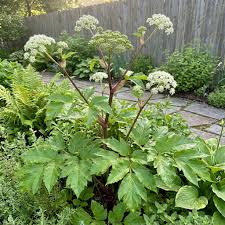
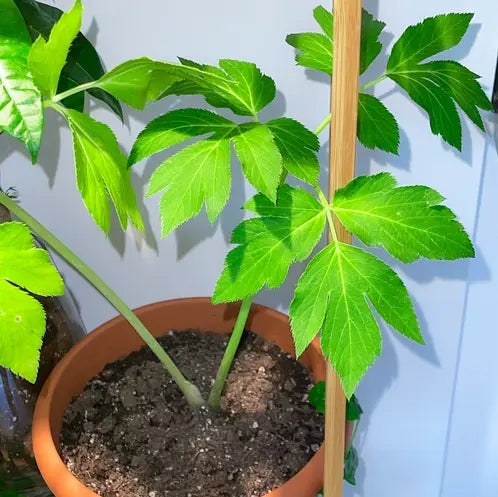
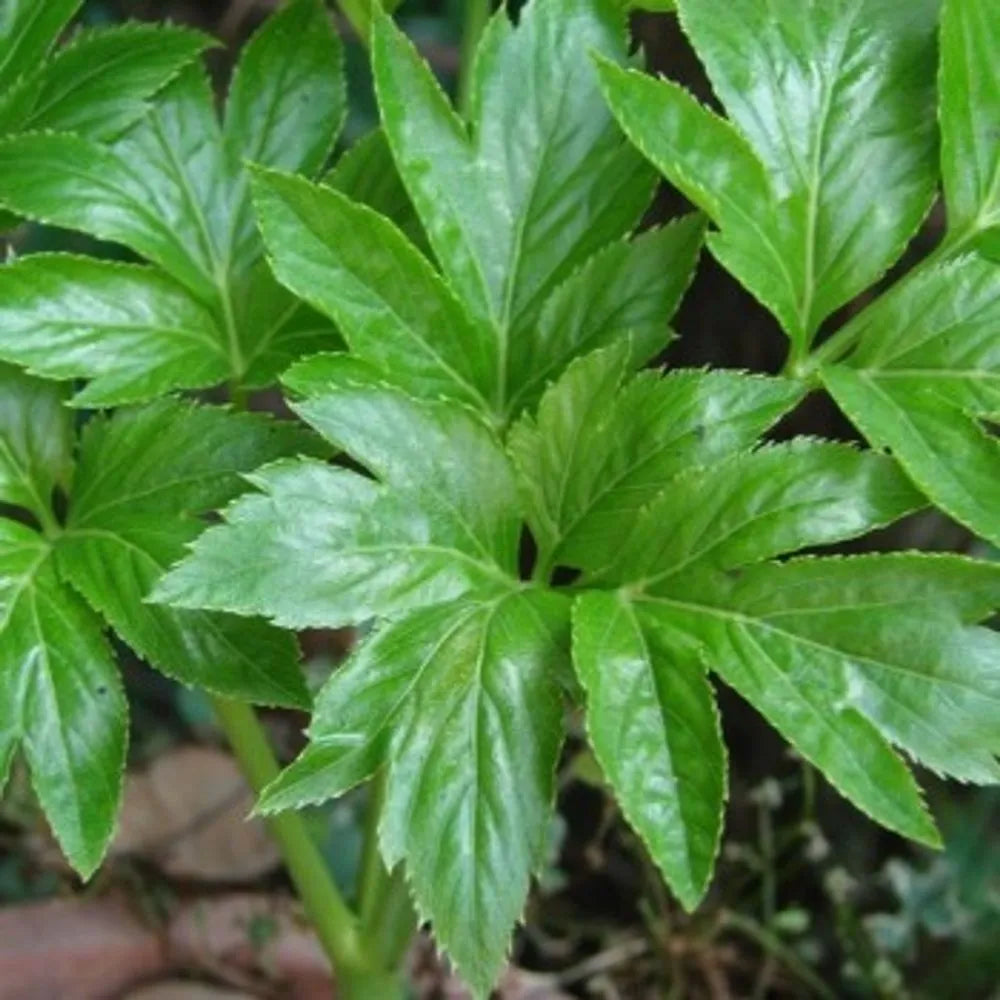
Ashitaba brings an unusual yet graceful presence to the garden, with broad green leaves and sturdy stems creating layers of lush texture among more delicate herbs. Its leafy appearance lends itself beautifully to an informal cottage setting, where practical edible plants and ornamental favorites mingle together with an easy, naturally abundant character.
Ashitaba Seeds from Evergrow Seeds are available at evergrowseeds.com for US home gardeners interested in adding a distinctive Japanese herb to their garden collection. Botanically known as Angelica keiskei, ashitaba has a history of culinary use in Japan, where its young leaves and stems are used as food.
Browse Our Ashitaba Seeds
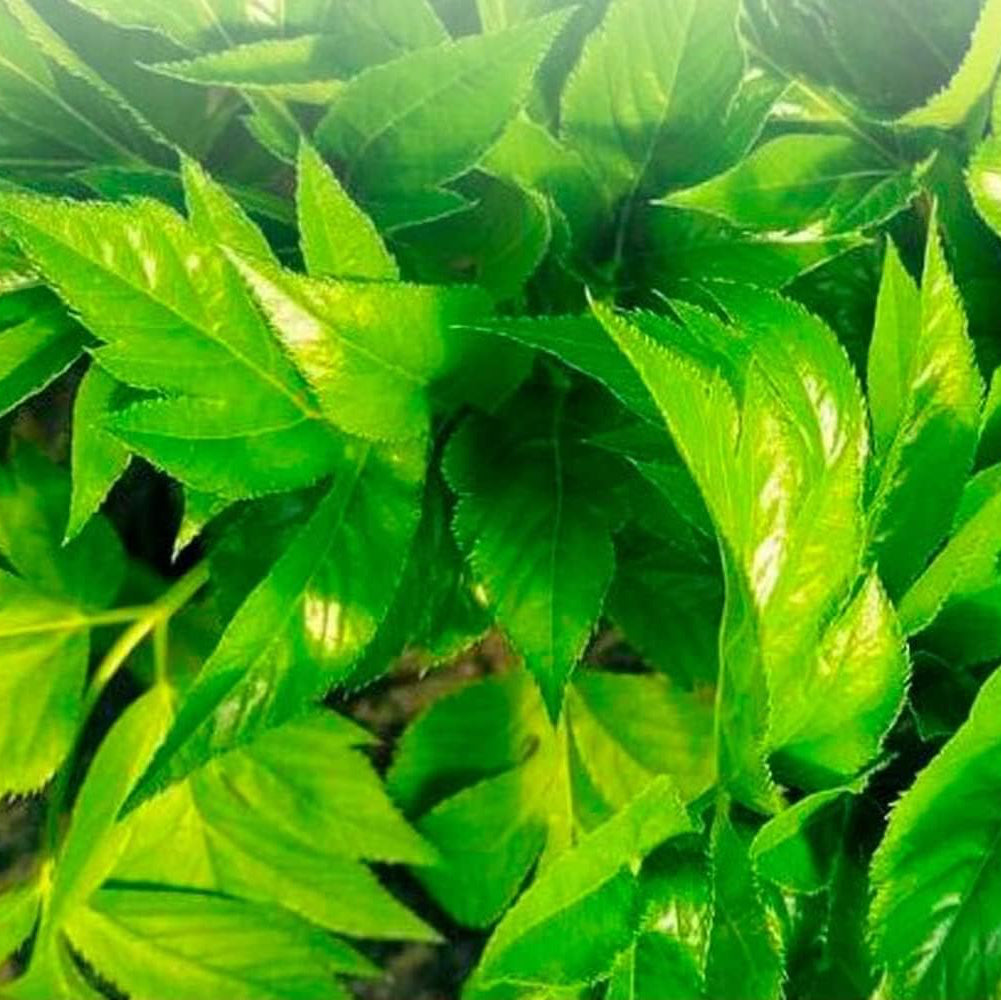
Ashitaba is primarily appreciated for its bright to deep-green divided foliage and sturdy leafy stems. As mature plants enter their flowering stage, they can develop rounded umbrella-like flower clusters typical of the carrot family.
The small flowers generally appear in pale yellow, yellow-green, creamy yellow, or greenish-white tones, depending on maturity and growing conditions. Its substantial foliage makes ashitaba an interesting choice for herb gardens, edible landscapes, Japanese-inspired plantings, and informal cottage areas where larger leafy plants can provide structural contrast.
Plant Care Insights
Sunlight
Ashitaba generally appreciates partial sun to light shade, particularly where summers bring intense afternoon heat.
Soil
Choose fertile, well-drained soil with suitable organic matter and enough depth to accommodate healthy root development.
Watering
Maintain reasonably consistent soil moisture while ensuring excess water can drain away from the root zone.
Companion Plants
Ashitaba can share garden space with compatible leafy herbs and flowering plants that appreciate similar moderately moist conditions.
Maintenance
Remove damaged or declining foliage when necessary and keep competing weeds controlled. Allow adequate space around mature plants for airflow and natural development.
Frequently Asked Questions
Can ashitaba grow across different US climates?
Ashitaba generally favors mild conditions and protection from temperature extremes.
Seasonal performance varies according to local climate and winter conditions.
How large can mature ashitaba plants become?
Ashitaba develops substantial leafy growth with upright stems as it matures.
Final height and spread depend on age, climate, and garden conditions.
When does ashitaba typically produce flowers?
Mature ashitaba can develop umbrella-shaped flower clusters during its reproductive stage.
Flowering time varies with plant age, climate, and seasonal conditions.
What pests may occasionally affect ashitaba plants?
Aphids and other small garden insects may occasionally appear on foliage.
Regular inspection helps gardeners identify potential pest activity early.
Shop By Category