Piel de Sapo Melon Fruit Seeds – Old-World Sweetness for Summer Gardens
Piel de Sapo Melon brings the quiet romance of an old-world kitchen garden into the backyard. Its wandering green vines, cheerful yellow blossoms, and beautifully mottled fruits create an inviting summer landscape filled with natural texture, color, and relaxed cottage charm.
Piel de Sapo Melon Fruit Seeds are available from Evergrow Seeds at evergrowseeds.com, offering home gardeners a distinctive melon variety for traditional vegetable plots, edible landscapes, and cottage-inspired growing spaces.
Browse Our Piel de Sapo Melon Seeds
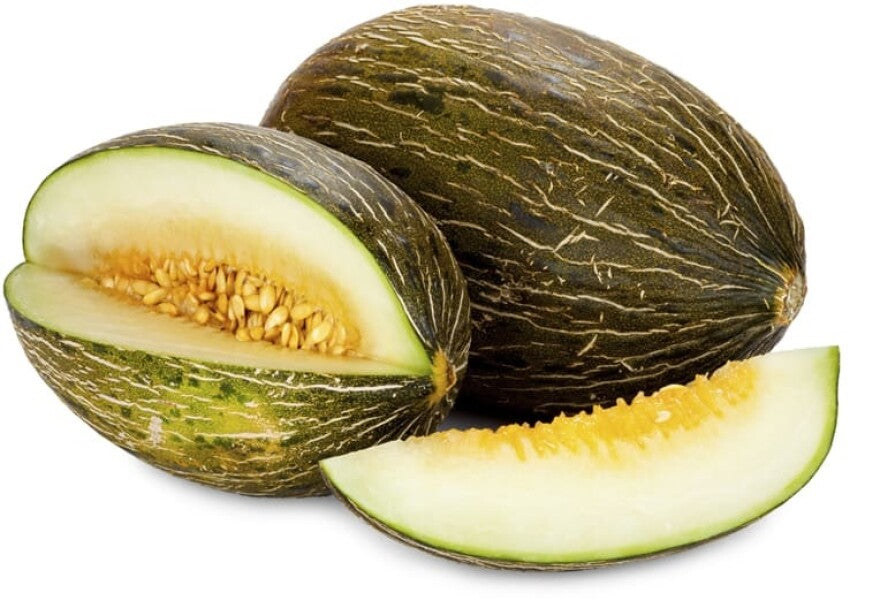
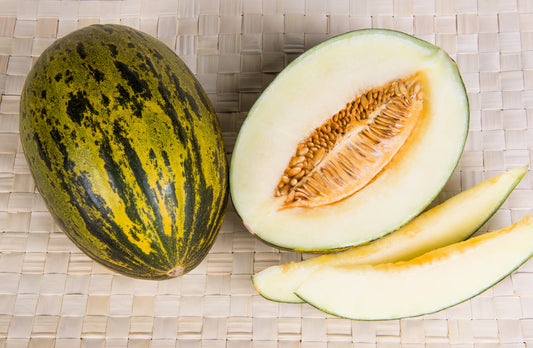
Piel de Sapo Melon vines typically produce small yellow flowers, with natural tones ranging from soft buttery yellow to brighter golden shades. The fruits are known for their distinctive green, mottled or striped exterior. Their trailing vines suit kitchen gardens, raised beds, vegetable patches, and informal edible landscapes.
Plant Care Insights
Sunlight: Choose a warm location that receives full daily sun.
Soil: Plant in fertile, loose, well-draining soil enriched with organic matter.
Watering: Maintain steady moisture while avoiding persistently soggy conditions.
Companion Plants: Nasturtiums, marigolds, beans, and suitable herbs can grow nearby.
Maintenance: Give vines generous spreading room and remove damaged foliage as needed.
Frequently Asked Questions
What climate suits Piel de Sapo Melon plants best?
Warm, frost-free summers encourage vigorous seasonal growth.
Long growing seasons are especially suitable for this melon.
How much space can mature Piel de Sapo vines require?
Mature vines may extend several feet through garden beds.
Allow generous space to prevent crowding neighboring plants.
What do Piel de Sapo Melon flowers look like?
The vines typically develop small, cheerful yellow blossoms.
Flowers provide subtle seasonal color among the green foliage.
Which pests may affect Piel de Sapo Melon plants?
Aphids, cucumber beetles, and squash bugs may occasionally appear.
Routine inspections help identify developing pest problems early.
Shop By Category