Mina Lobata Flower Seeds for Planting – Sunset Beauty for a Romantic Cottage Garden
Mina Lobata brings a cascade of sunset color to the garden, with graceful vines carrying distinctive flower spikes that change shades as they mature. Draped across a trellis or garden arch, its fiery blossoms create an enchanting vertical display filled with movement and tropical-inspired charm.
Mina Lobata Flower Seeds from Evergrow Seeds are available at evergrowseeds.com for US home gardeners interested in Ipomoea lobata, also commonly called Spanish flag or firecracker vine.
Browse Our Mina Lobata Flower Seeds
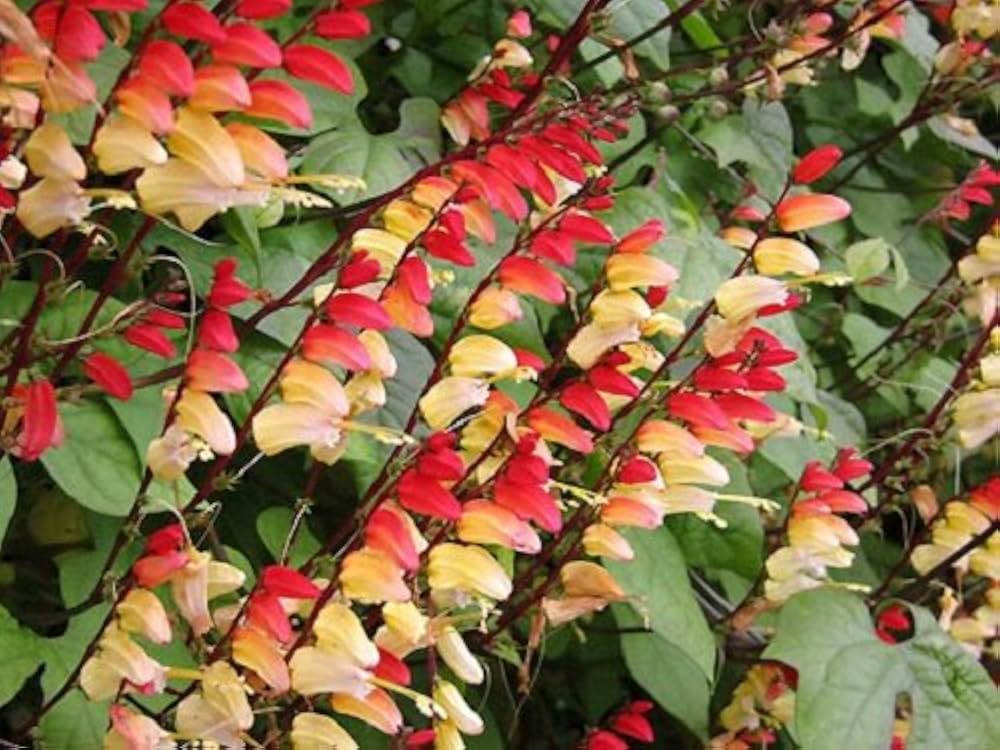
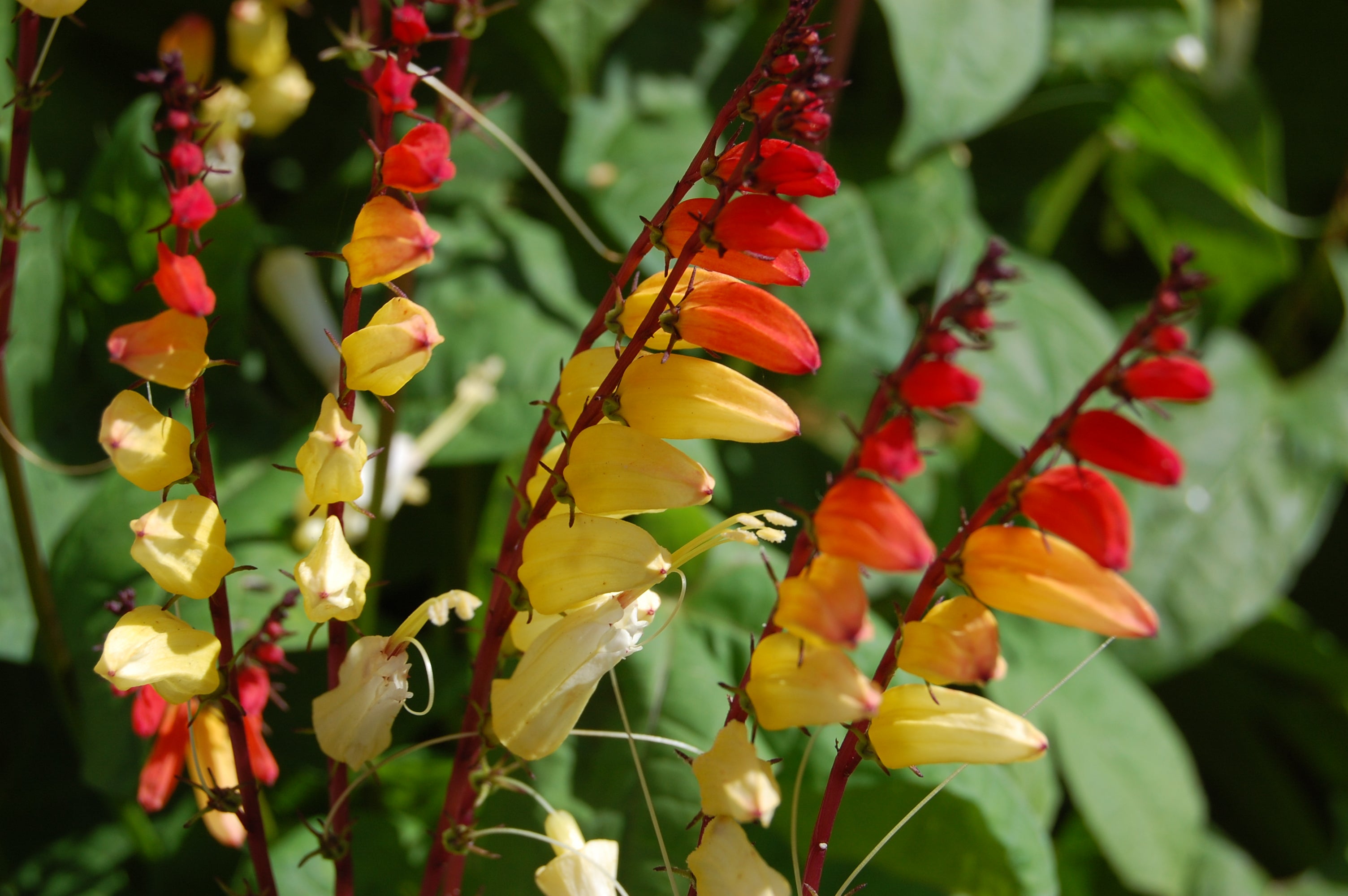
Mina Lobata is admired for its remarkable color progression. Flower clusters may display deep red, scarlet, orange, golden yellow, cream, and pale white simultaneously as individual tubular blossoms mature.
Its colorful flower spikes contrast beautifully with lush green foliage. Grow it on sturdy trellises, fences, arches, or other suitable supports where its climbing habit can create a dramatic garden feature.
Plant Care Insights
Sunlight: Mina Lobata generally performs best in full sun.
Soil: Choose fertile, loose, well-drained garden soil.
Watering: Maintain moderate, consistent moisture without prolonged waterlogging.
Support: Provide a sturdy trellis, arbor, fence, or climbing framework.
Maintenance: Guide developing vines onto supports and trim excessive growth when necessary.
Frequently Asked Questions
Can Mina Lobata grow across different US climates?
Mina Lobata grows as a warm-season annual across many US regions.
Frost typically brings its seasonal outdoor growth to an end.
How large can mature Mina Lobata vines become?
Mina Lobata develops vigorous twining vines capable of covering substantial supports.
Final length depends on climate, available support, and growing conditions.
When does Mina Lobata typically produce flowers?
Mina Lobata generally flowers from summer through the early fall season.
Exact bloom timing varies according to planting date and regional temperatures.
Why do Mina Lobata flowers have multiple colors?
Individual flowers naturally change color as they develop and mature.
This creates the plant's characteristic red-to-orange-to-cream gradient.
Shop By Category