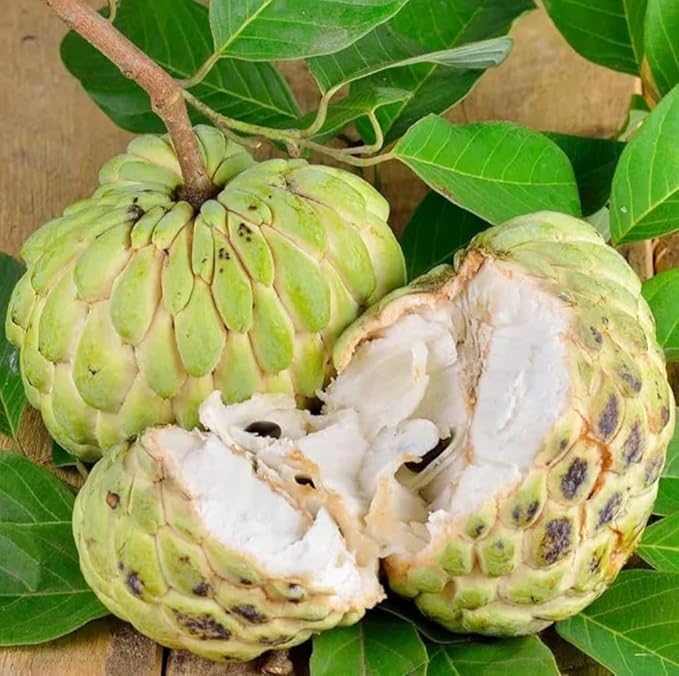
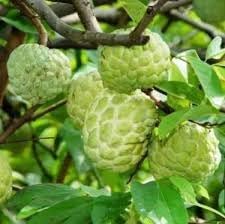
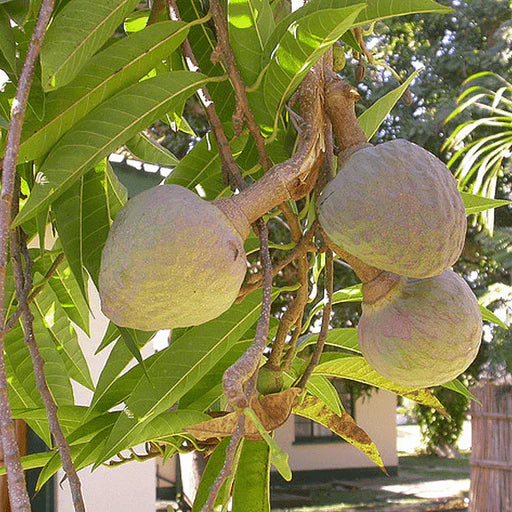
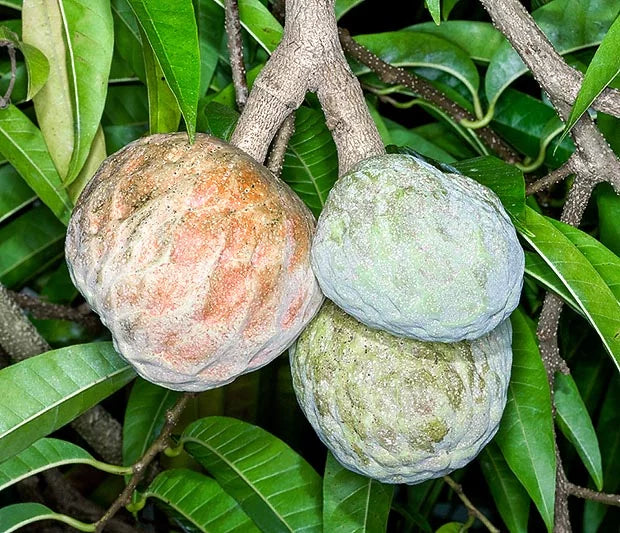


Annona Fruit Seeds – Tropical Orchard Charm for Home Gardens
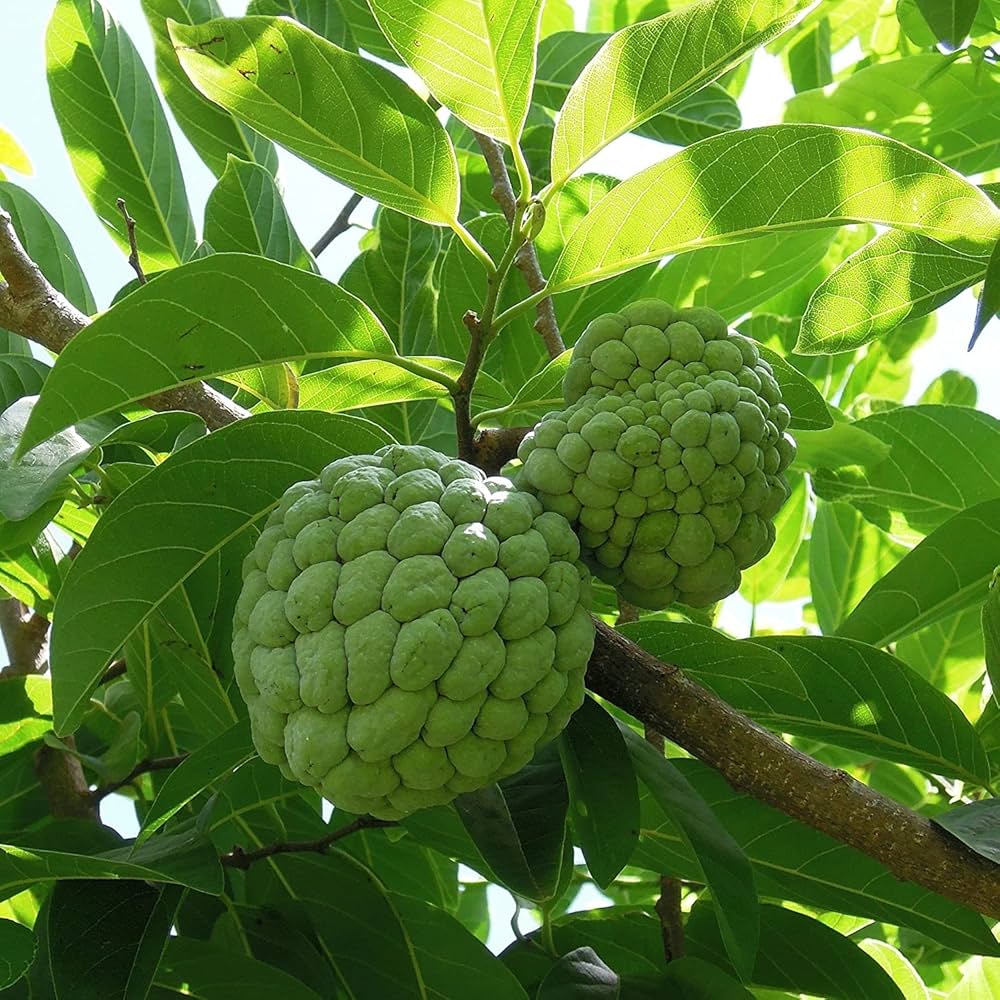
Annona brings the gentle romance of a tropical orchard into the home garden. Its leafy branches, unusual blossoms, and distinctive fruits create a naturally relaxed landscape, blending beautifully with informal fruit plantings and cottage-inspired spaces beneath warm summer skies.
Annona Fruit Seeds are available from Evergrow Seeds at evergrowseeds.com, offering home gardeners an intriguing fruit-tree choice for suitable tropical and subtropical landscapes, backyard orchards, edible gardens, and mixed garden plantings.
Browse Our Annona Fruit Seeds
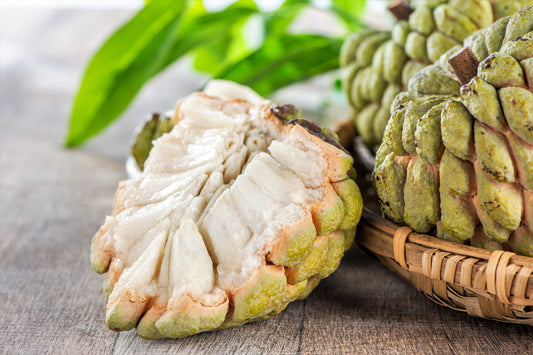
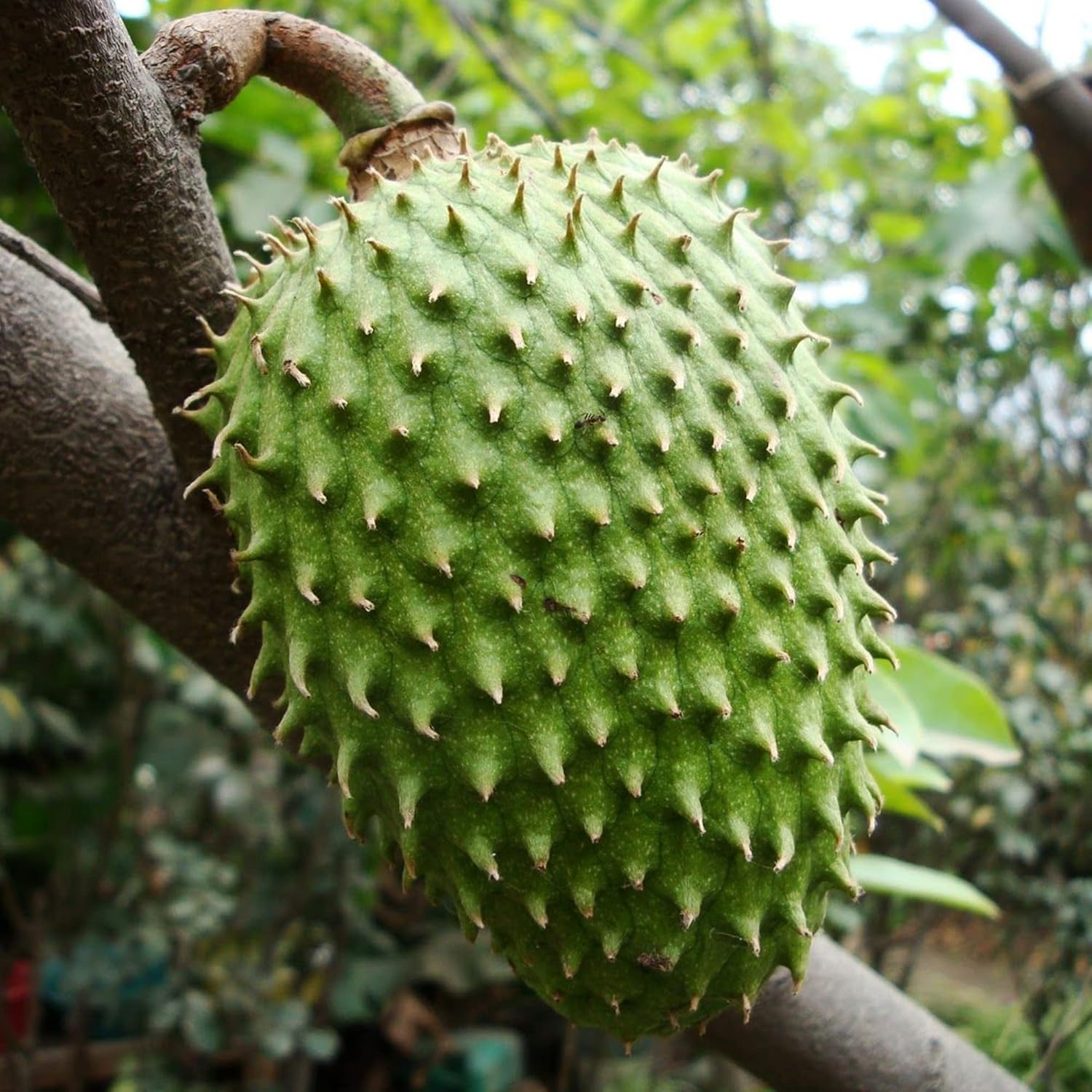
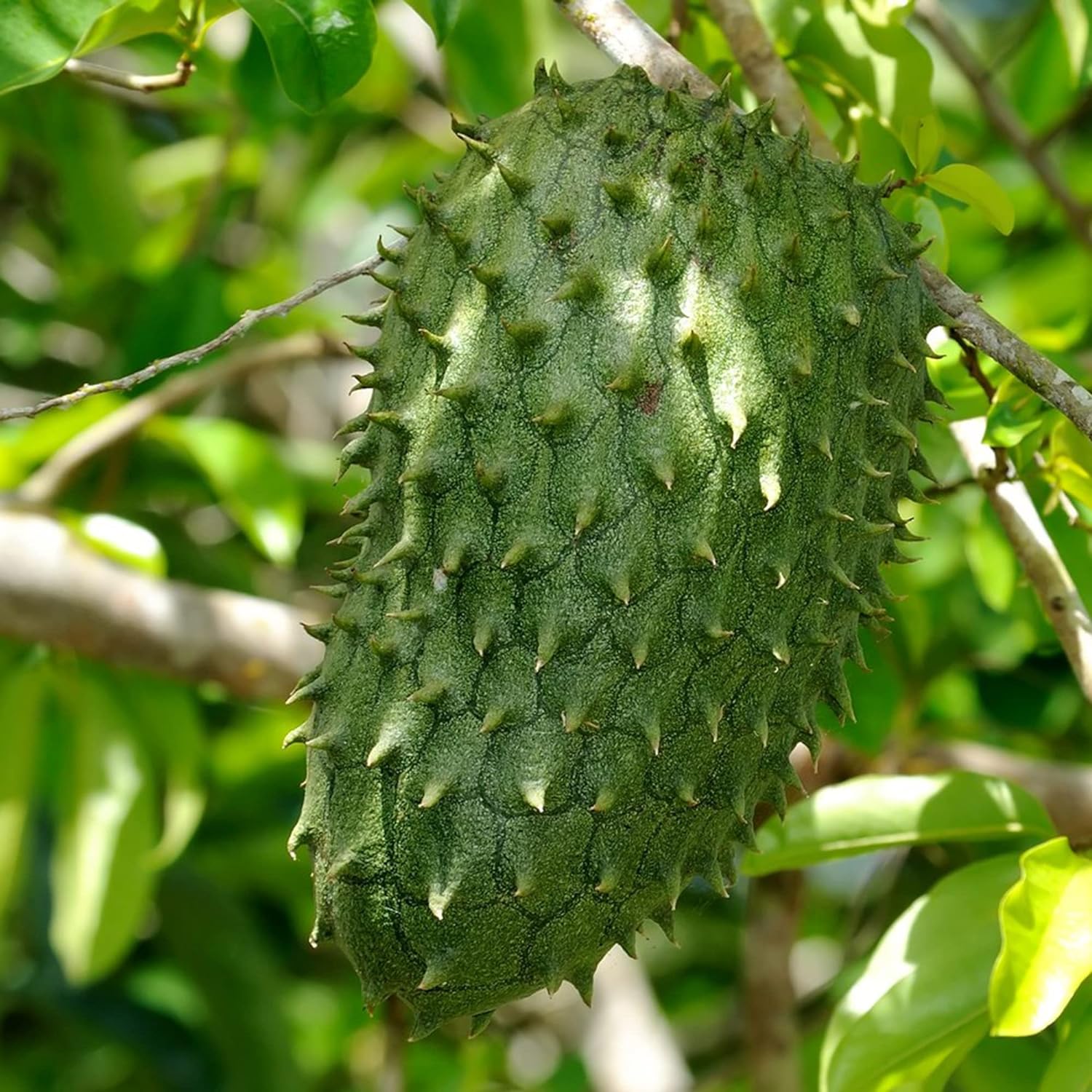
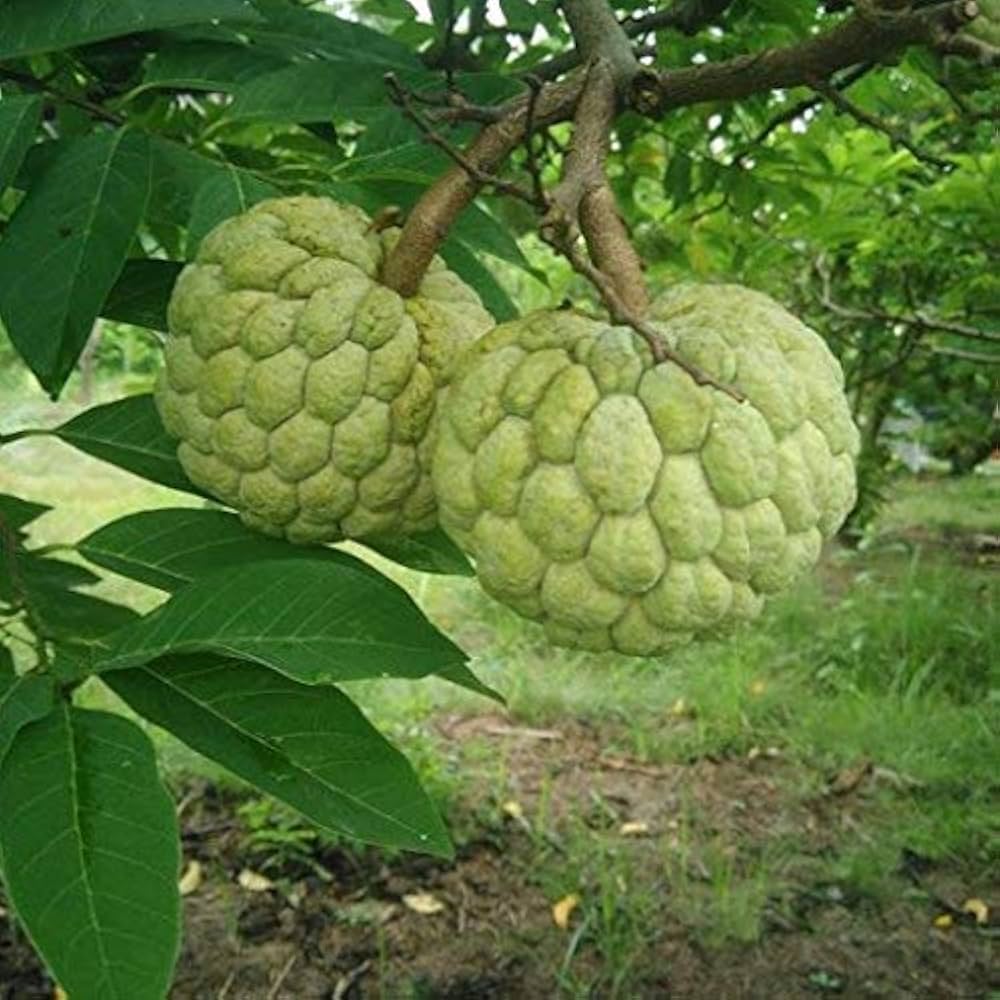
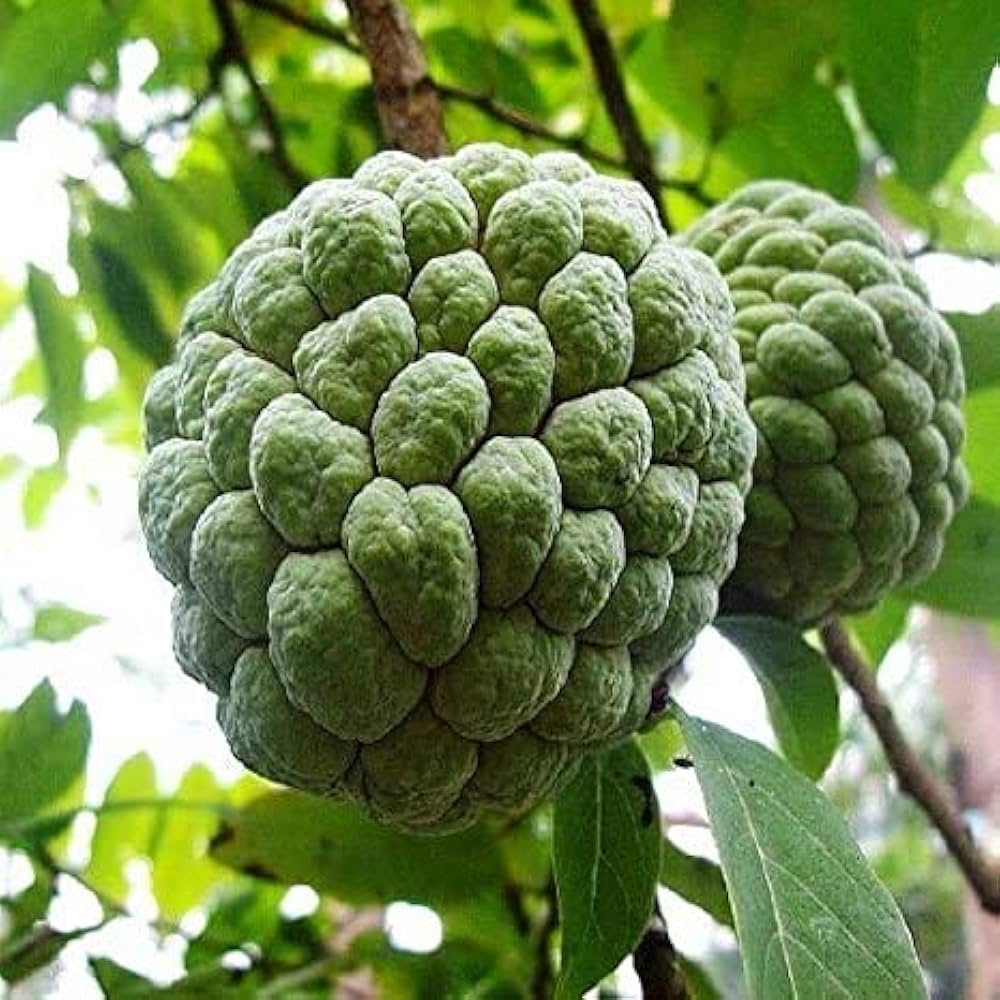
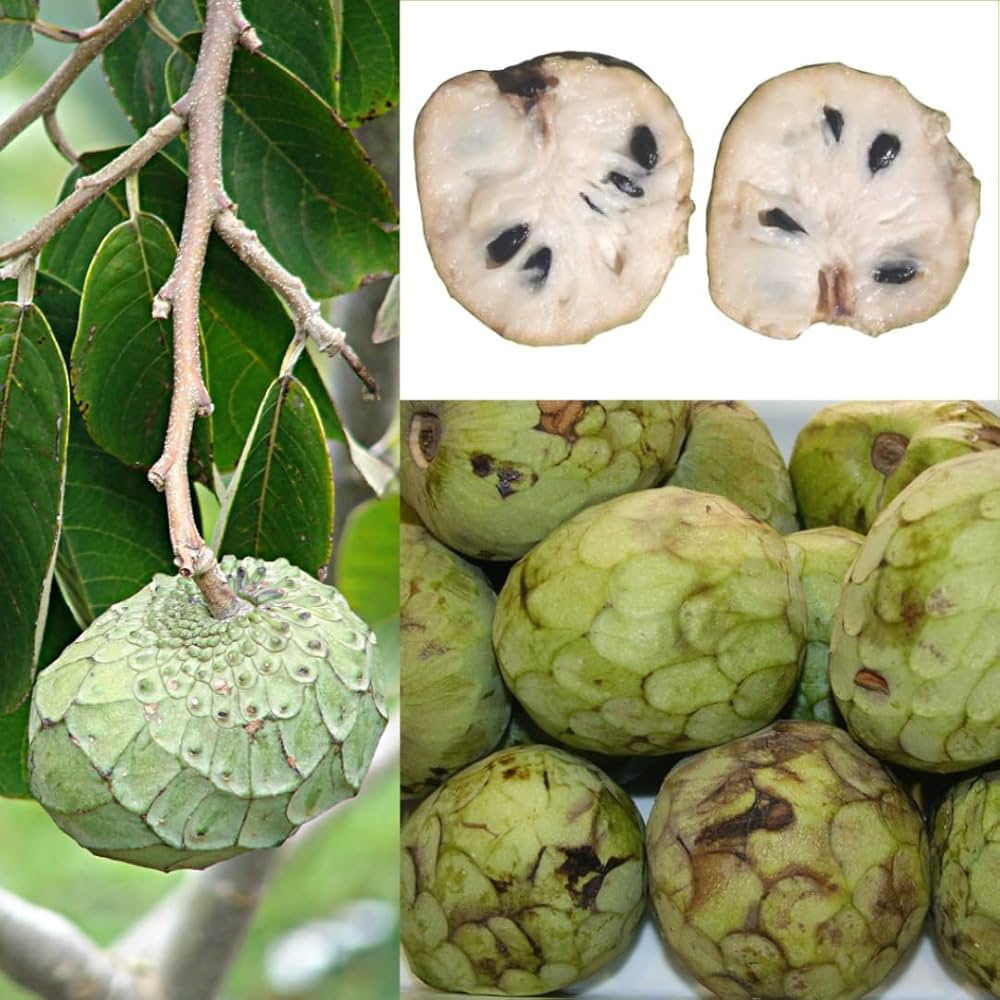
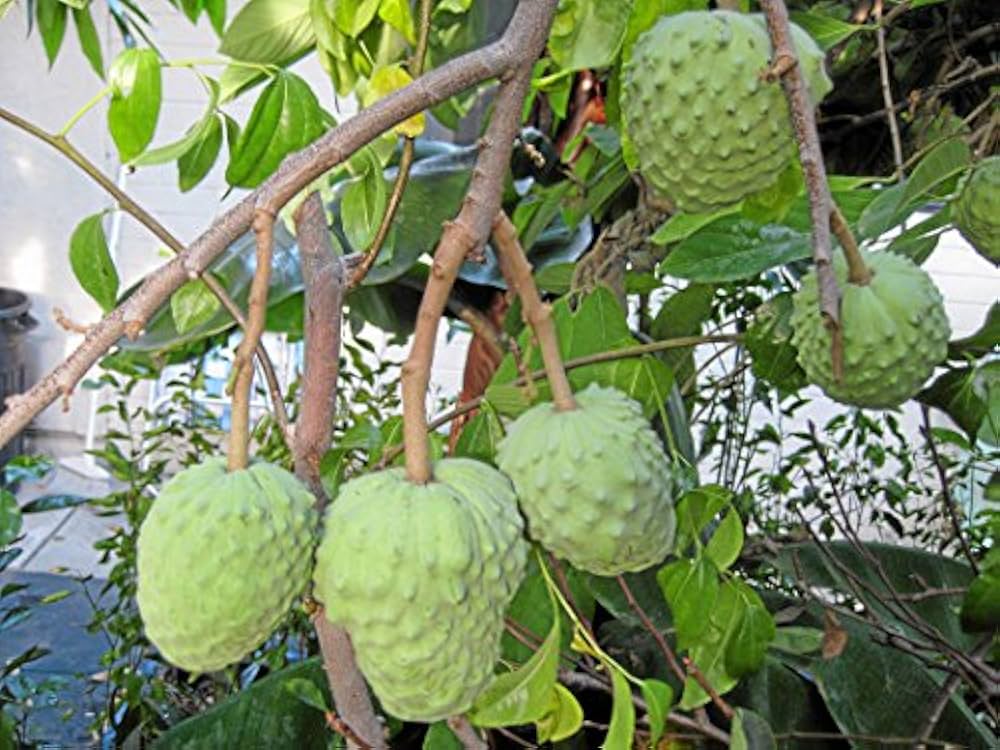
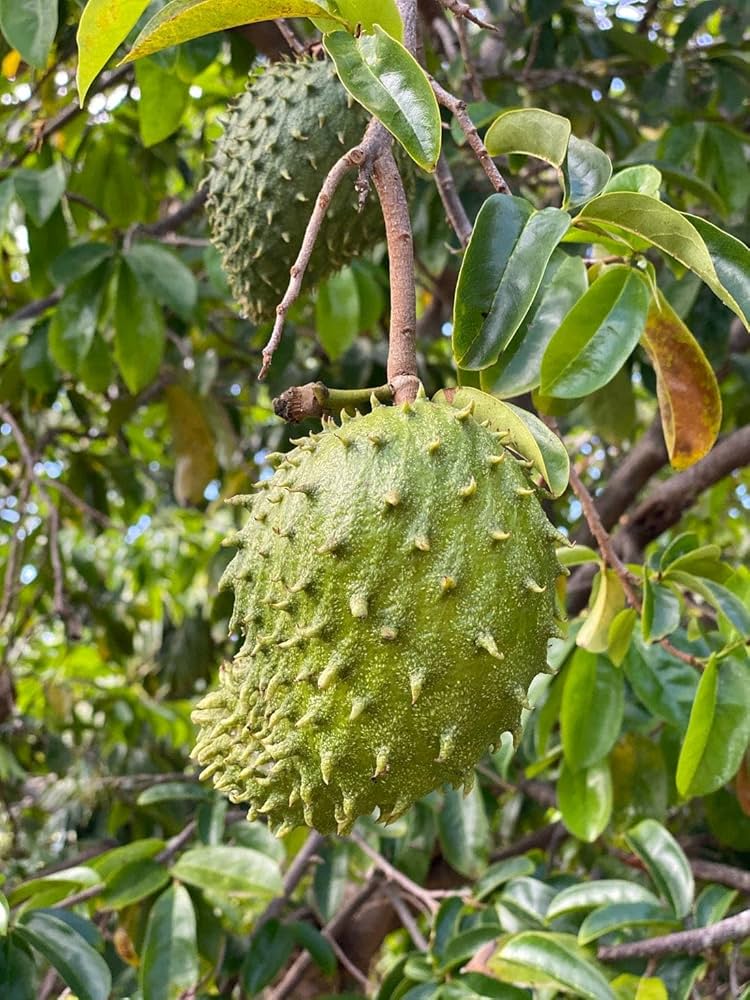
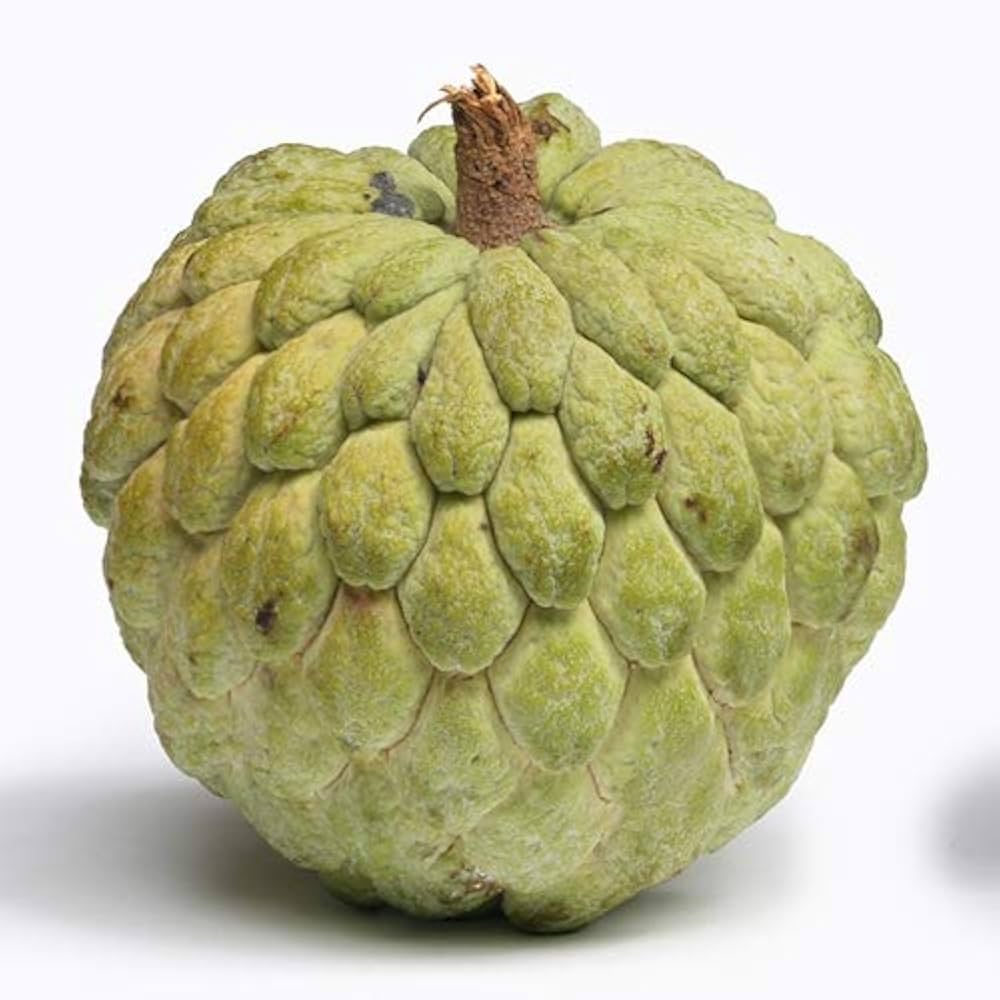
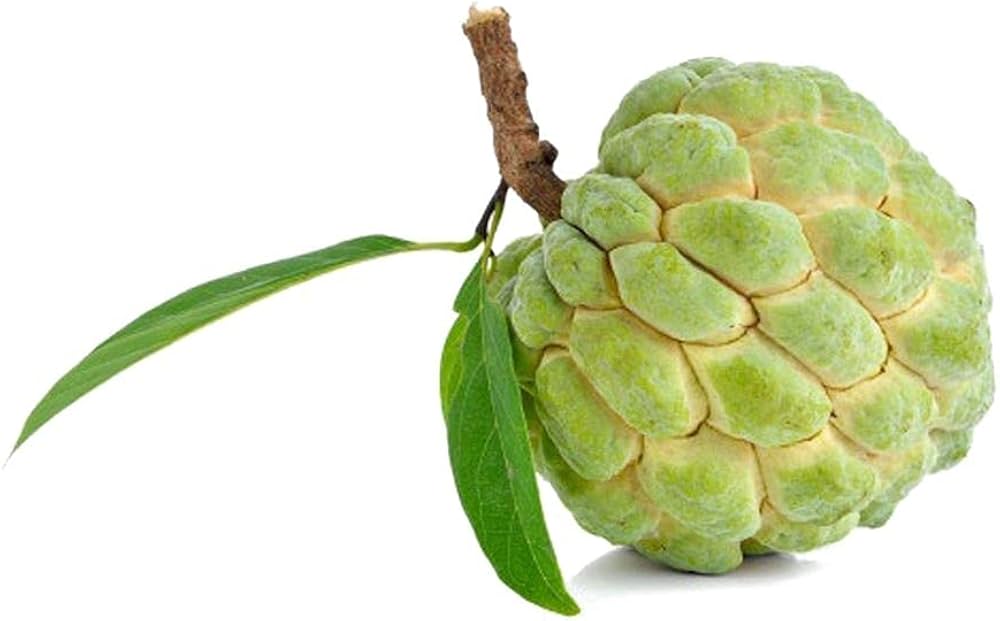
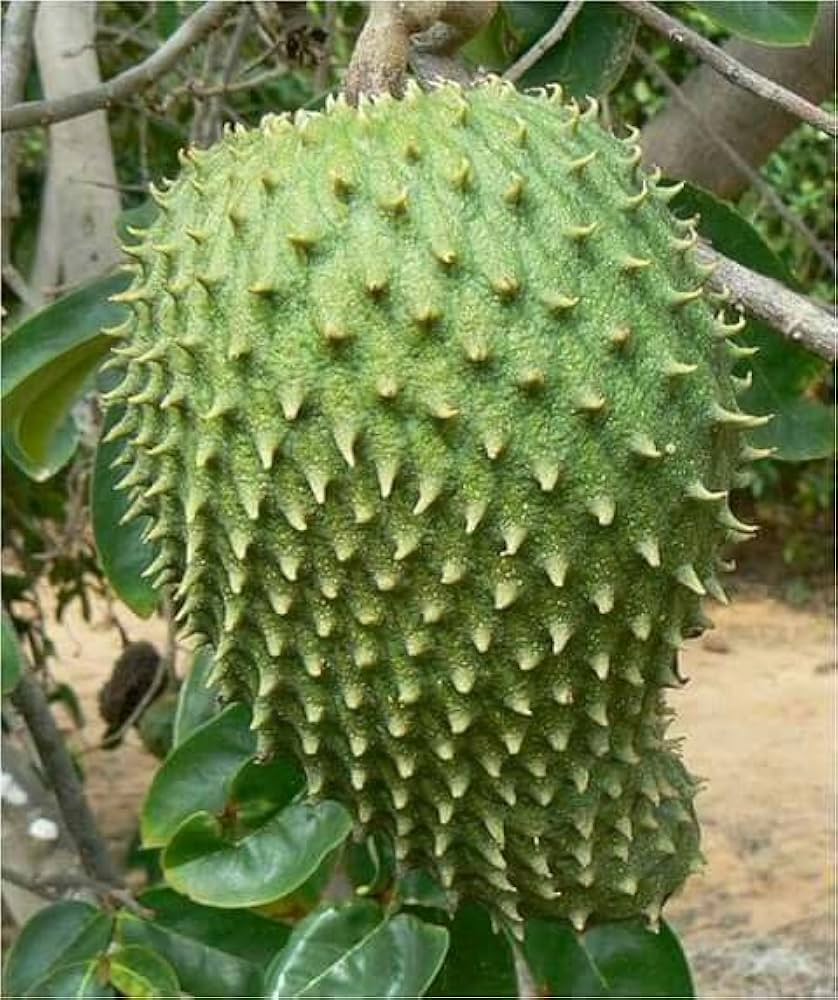
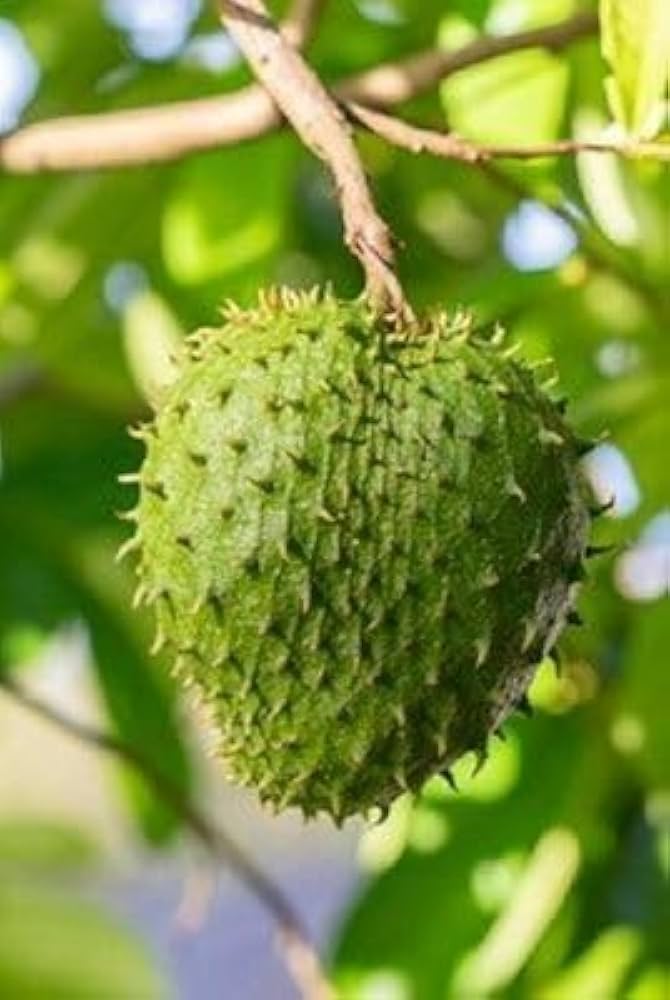
The genus Annona includes several fruit species, such as sugar apple, cherimoya, and soursop, so flower and fruit characteristics vary by species. Annona flowers commonly appear in greenish, creamy, pale yellow, or yellow-green tones, with some species showing subtle reddish or pinkish accents. Their unusual blooms and leafy growth suit tropical edible landscapes and informal orchards.
Plant Care Insights
Sunlight: Choose a warm, bright location suited to the particular Annona species.
Soil: Grow in fertile, well-draining soil enriched with organic matter.
Watering: Maintain balanced moisture without leaving roots persistently waterlogged.
Companion Plants: Pair with pollinator-friendly flowers and compatible warm-climate fruit plants.
Maintenance: Lightly prune damaged or crossing branches to maintain balanced structure.
Frequently Asked Questions
What climate is best for Annona plants?
Most Annona species favor tropical or warm subtropical conditions.
Cold tolerance varies considerably among individual species.
How large can a mature Annona tree become?
Mature height and spread depend on the specific Annona species.
Many develop into small or medium-sized fruit trees.
What do Annona flowers look like?
Flowers often have thick petals in greenish or yellowish tones.
Exact shape and coloring vary between different Annona species.
Which pests may affect Annona trees?
Scale insects, mealybugs, and fruit flies may occasionally appear.
Regular inspection helps gardeners notice potential pest activity early.
Shop By Category