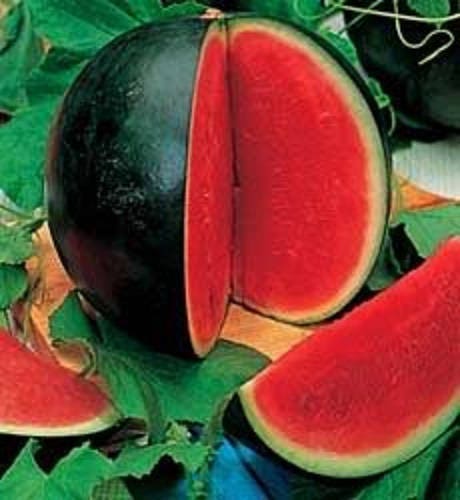

Sugar Baby Watermelon Fruit Seeds – Sweet Summer Charm for Home Gardens
Sugar Baby Watermelon carries the simple pleasures of summer into the home garden. Its leafy vines, cheerful yellow blossoms, compact round fruits, and deep red interiors evoke warm afternoons and old-fashioned kitchen gardens where fresh produce grows among relaxed cottage-style plantings.
Sugar Baby Watermelon Fruit Seeds are available from Evergrow Seeds at evergrowseeds.com, offering home gardeners a classic watermelon variety for vegetable patches, edible landscapes, raised beds, and sunny cottage-inspired growing spaces.
Browse Our Sugar Baby Watermelon Fruit Seeds
Sugar Baby Watermelon vines typically produce small yellow blossoms, with natural tones ranging from buttery yellow to brighter golden shades. The variety is known for relatively compact, round fruits with dark green rinds and red flesh. Its manageable fruit size makes it an appealing addition to traditional kitchen gardens and edible landscapes.
Plant Care Insights
Sunlight: Select a warm location receiving full daily sun.
Soil: Plant in fertile, loose, well-draining soil enriched with organic matter.
Watering: Maintain consistent moisture while avoiding persistently soggy ground.
Companion Plants: Marigolds, nasturtiums, beans, and compatible herbs can grow nearby.
Maintenance: Give vines adequate spreading room and remove damaged foliage when necessary.
Frequently Asked Questions
What climate is best for Sugar Baby Watermelon plants?
Warm, frost-free summer conditions support healthy vine development.
A comfortably warm growing season encourages steady plant growth.
How large are mature Sugar Baby Watermelon fruits?
Fruits are generally smaller than many standard watermelon varieties.
Their compact size makes them convenient for home gardens.
What do Sugar Baby Watermelon flowers look like?
Vines typically develop small, cheerful yellow blossoms.
Their golden color adds subtle seasonal beauty to garden beds.
Which pests may affect Sugar Baby Watermelon plants?
Aphids, cucumber beetles, and spider mites may occasionally appear.
Regular inspection helps gardeners identify pest activity early.
Shop By Category