

Savory Seeds for a Romantic Cottage Garden
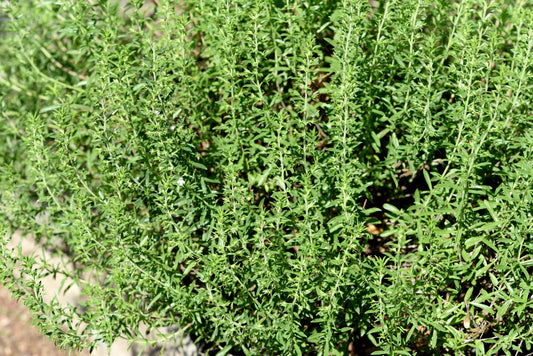
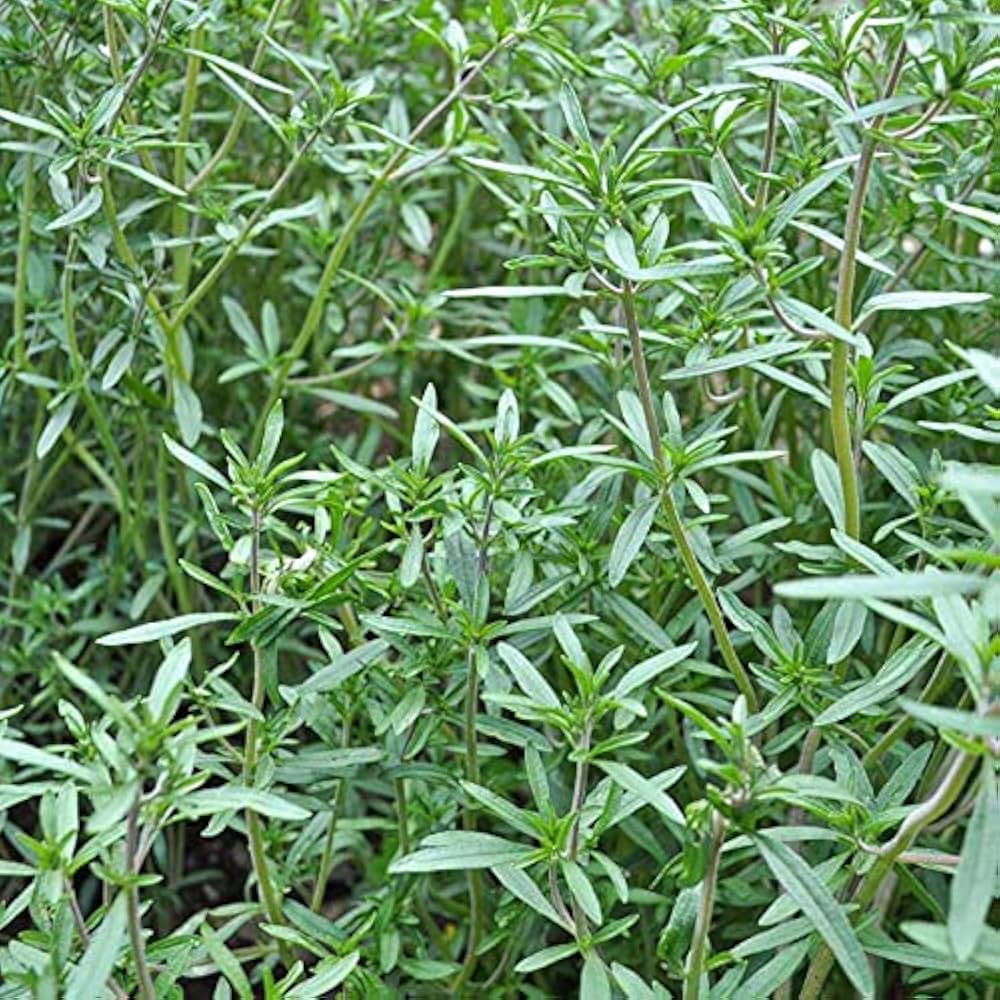
Savory brings a warm, rustic feeling to the garden with its fine foliage and naturally graceful form. Its compact appearance fits beautifully among traditional herbs, cottage flowers, and sunny garden borders. Tucked beside a pathway or nestled into a kitchen garden, savory adds understated charm and a timeless herbal character.
For gardeners who enjoy useful herbs with old-fashioned appeal, Savory Seeds from Evergrow Seeds are a lovely addition. Explore availability at evergrowseeds.com while planning a garden filled with fragrant foliage, natural textures, and relaxed cottage-style beauty.
Browse Our Savory Seeds
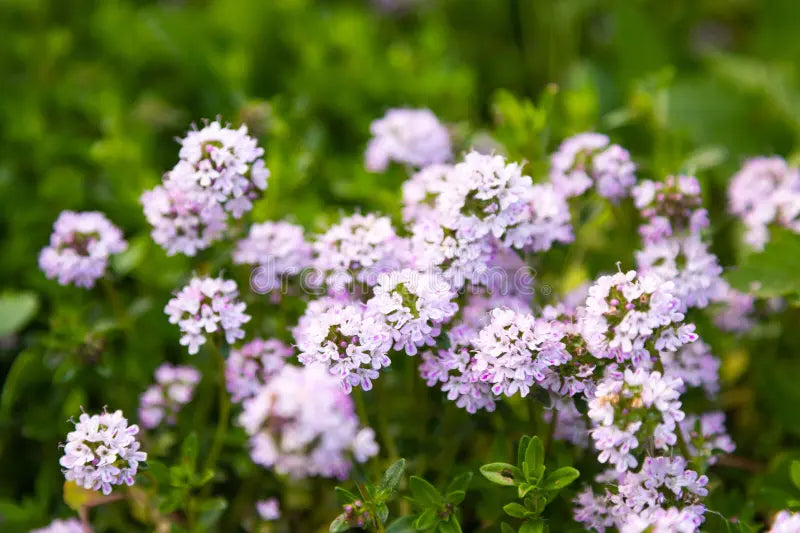
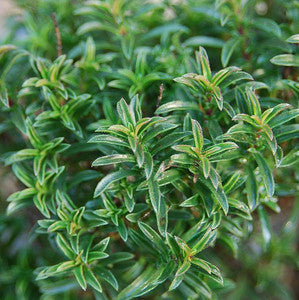
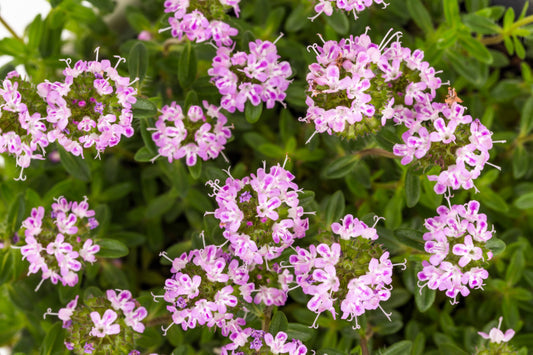
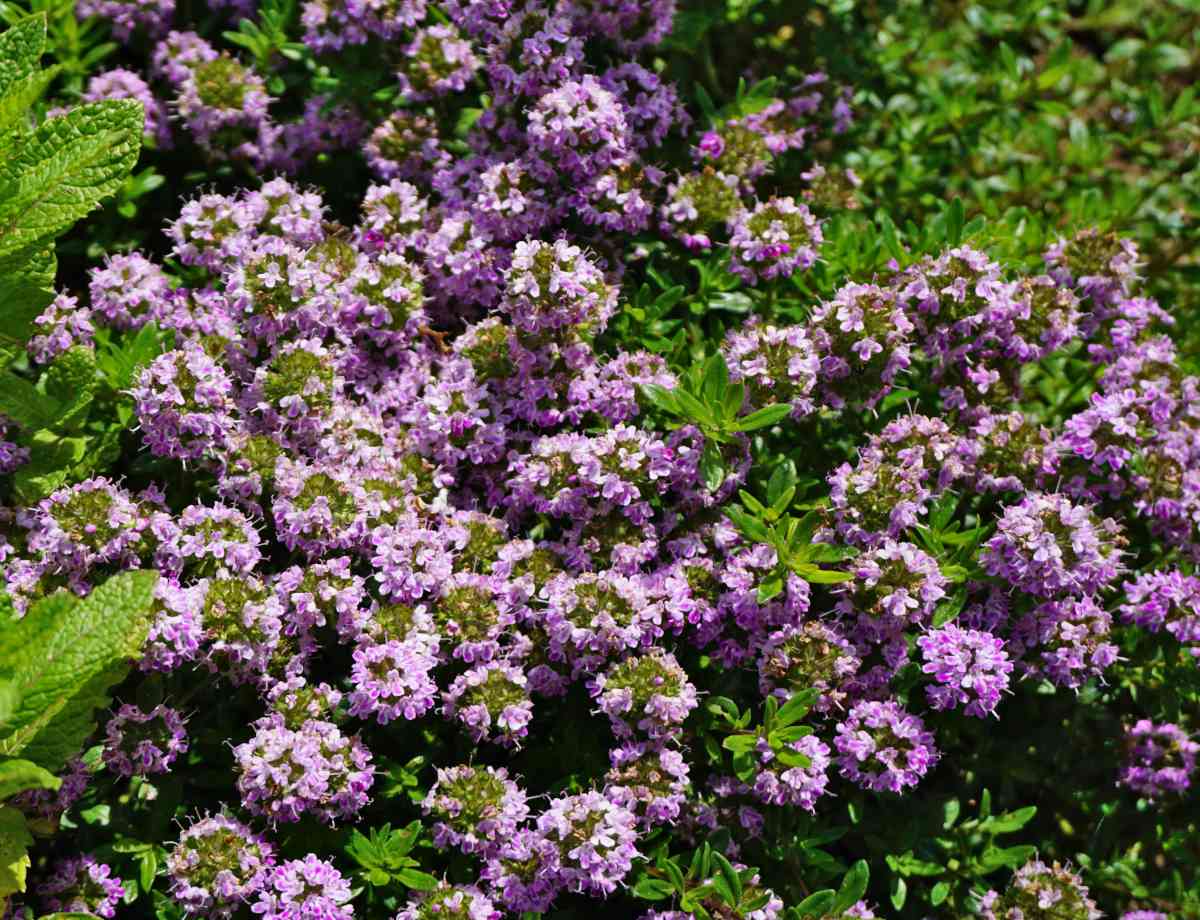
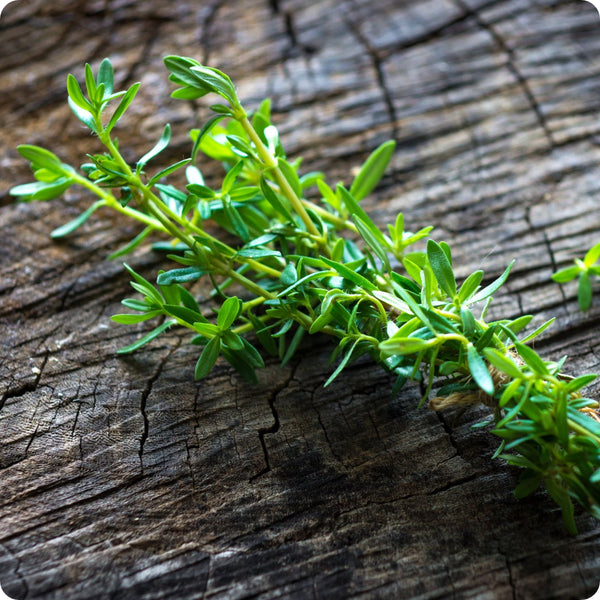
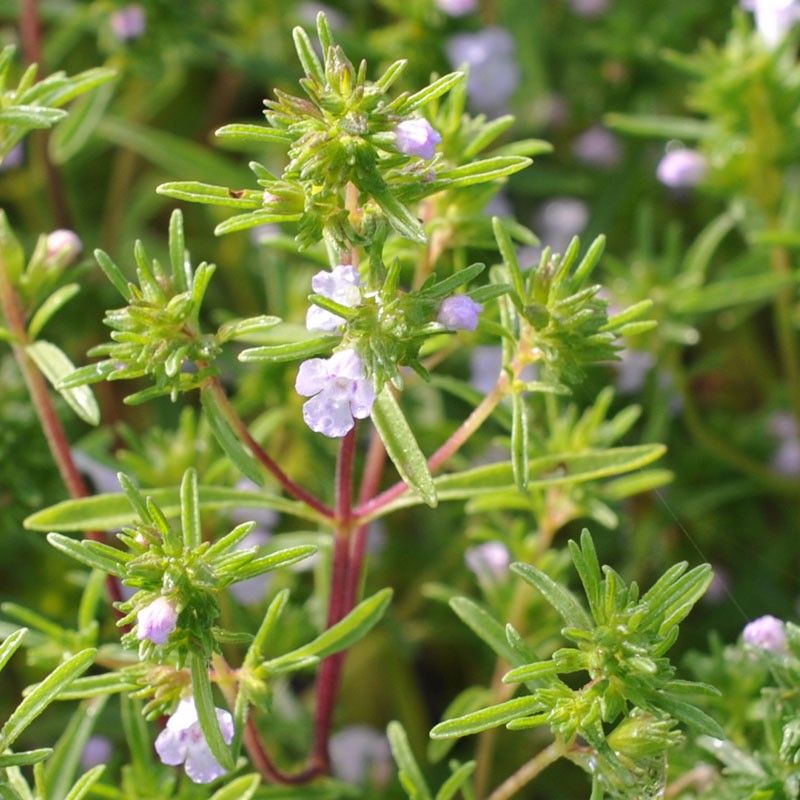
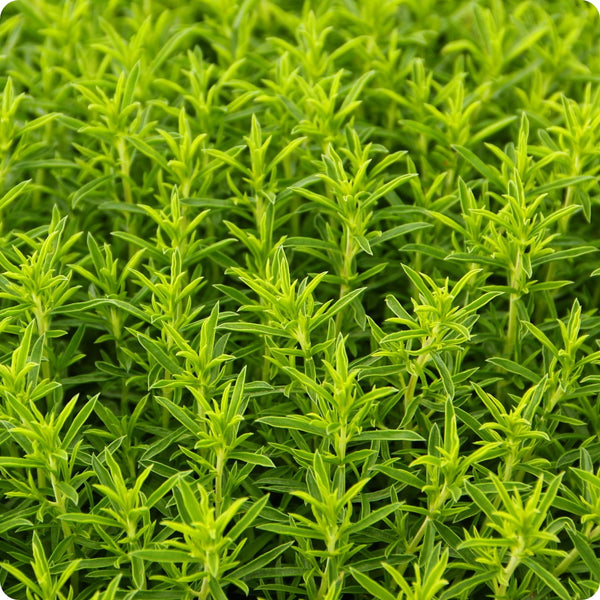
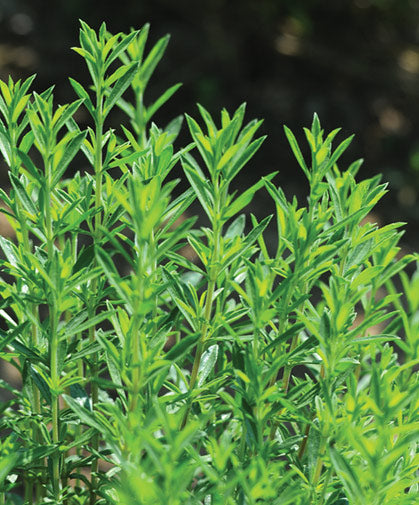
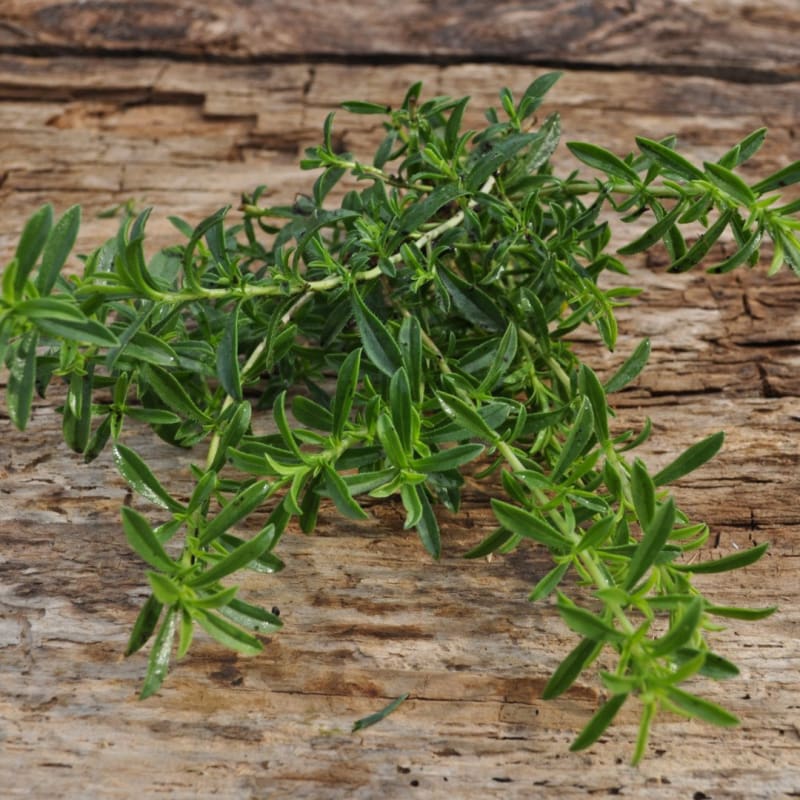
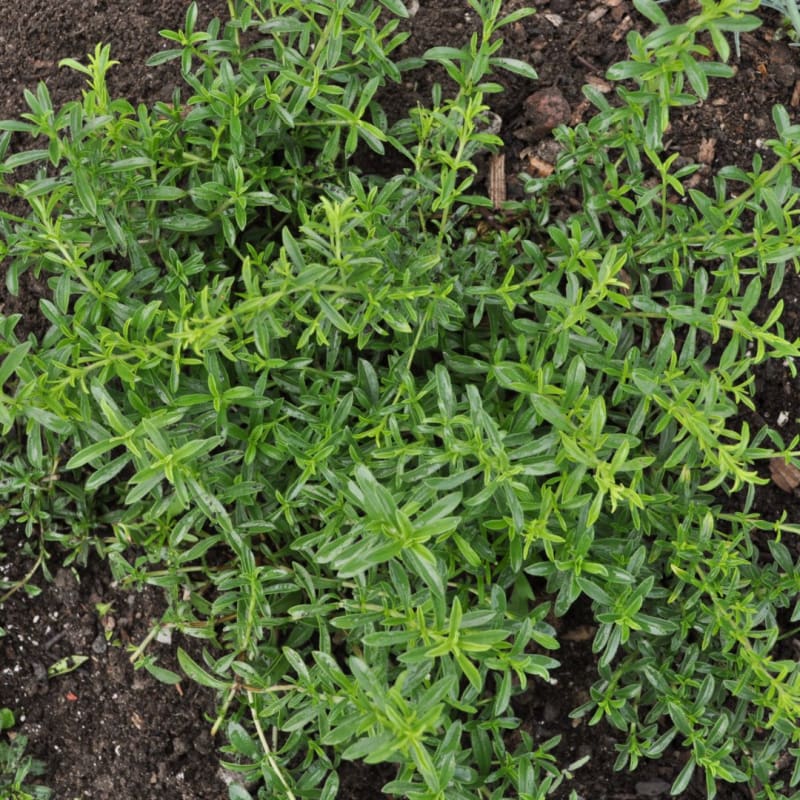
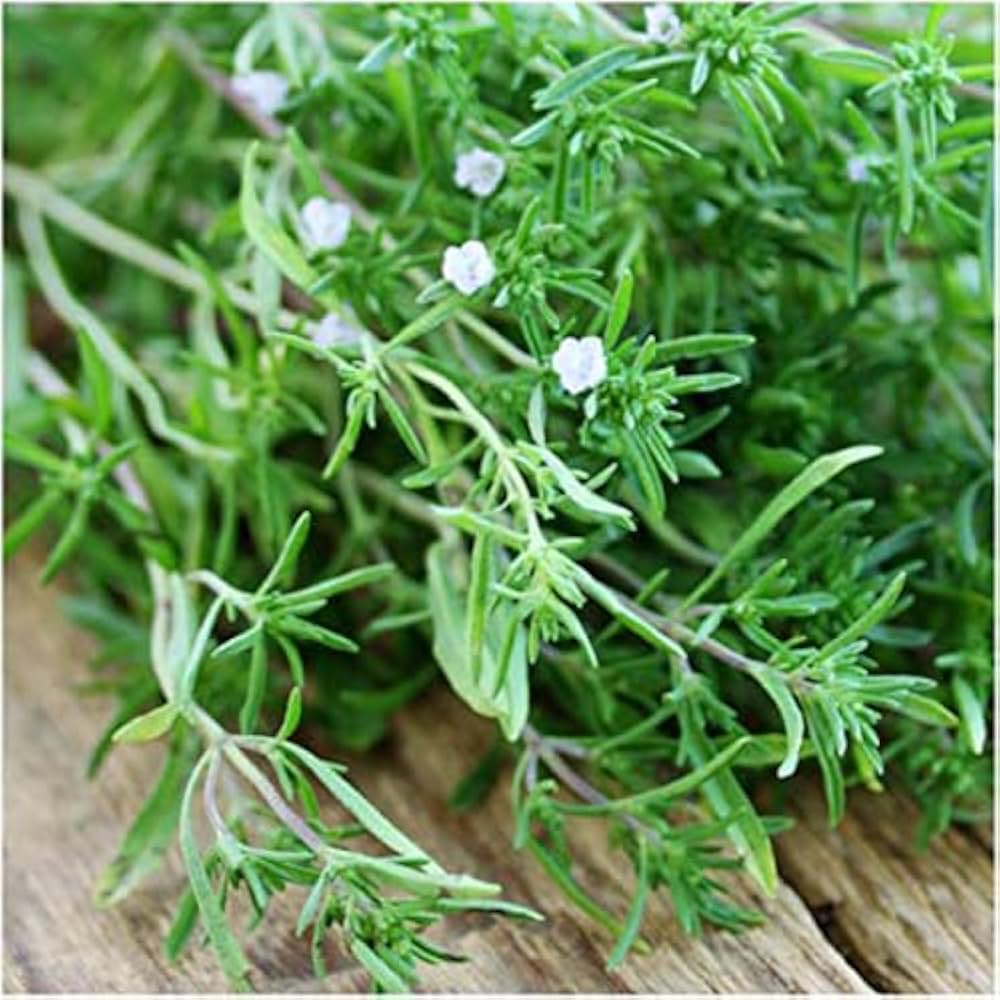
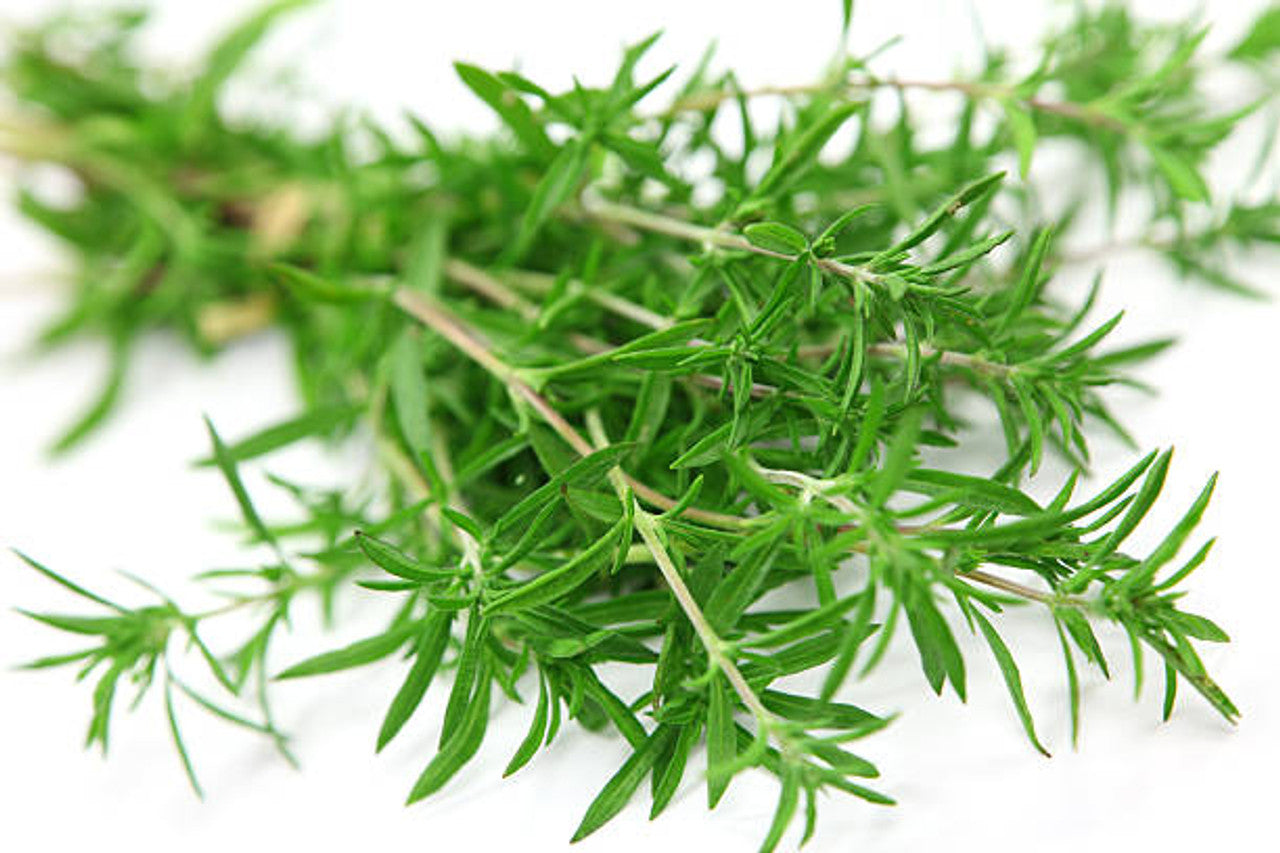
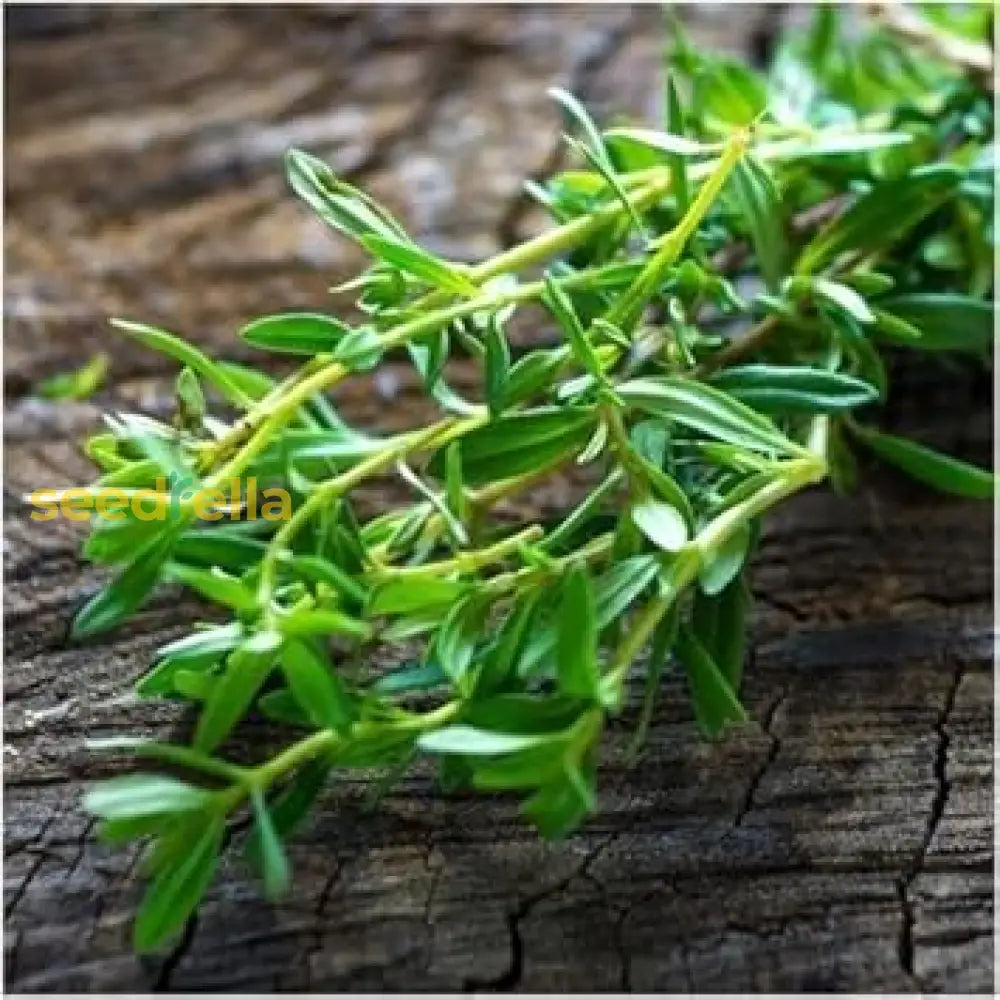
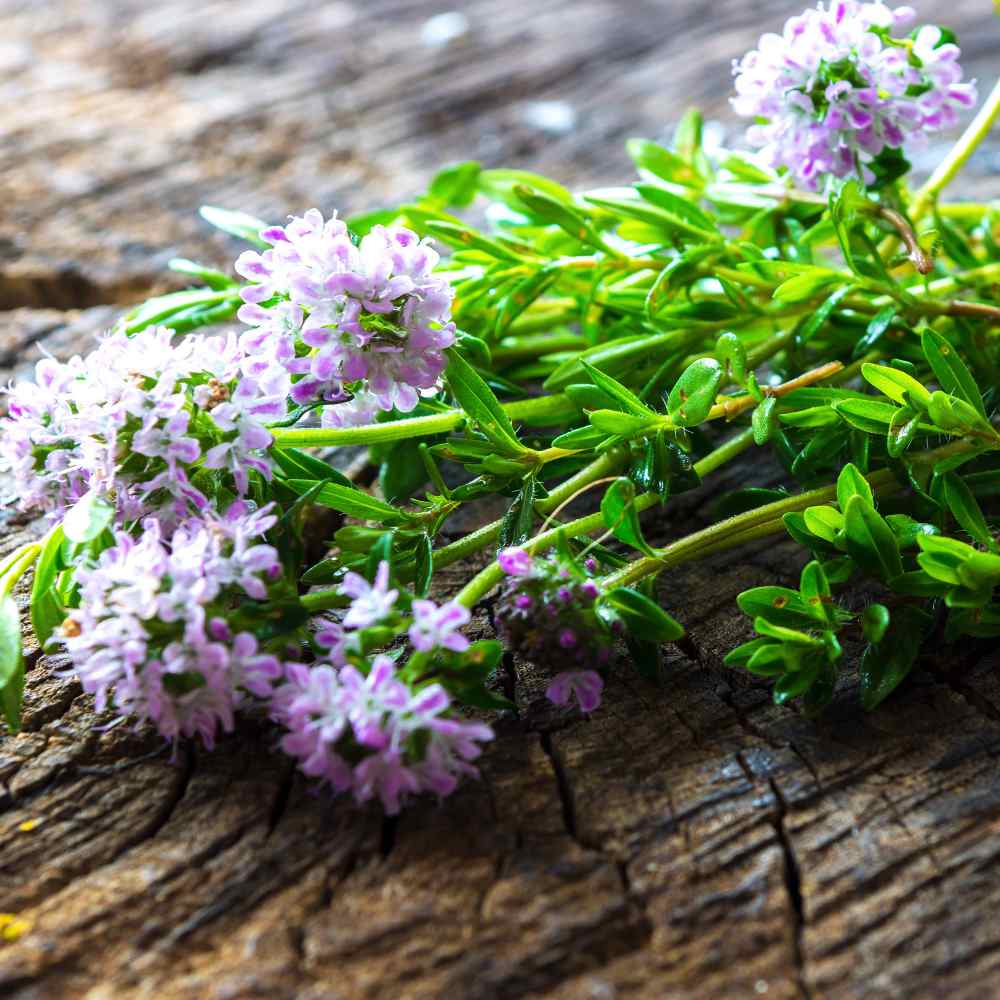
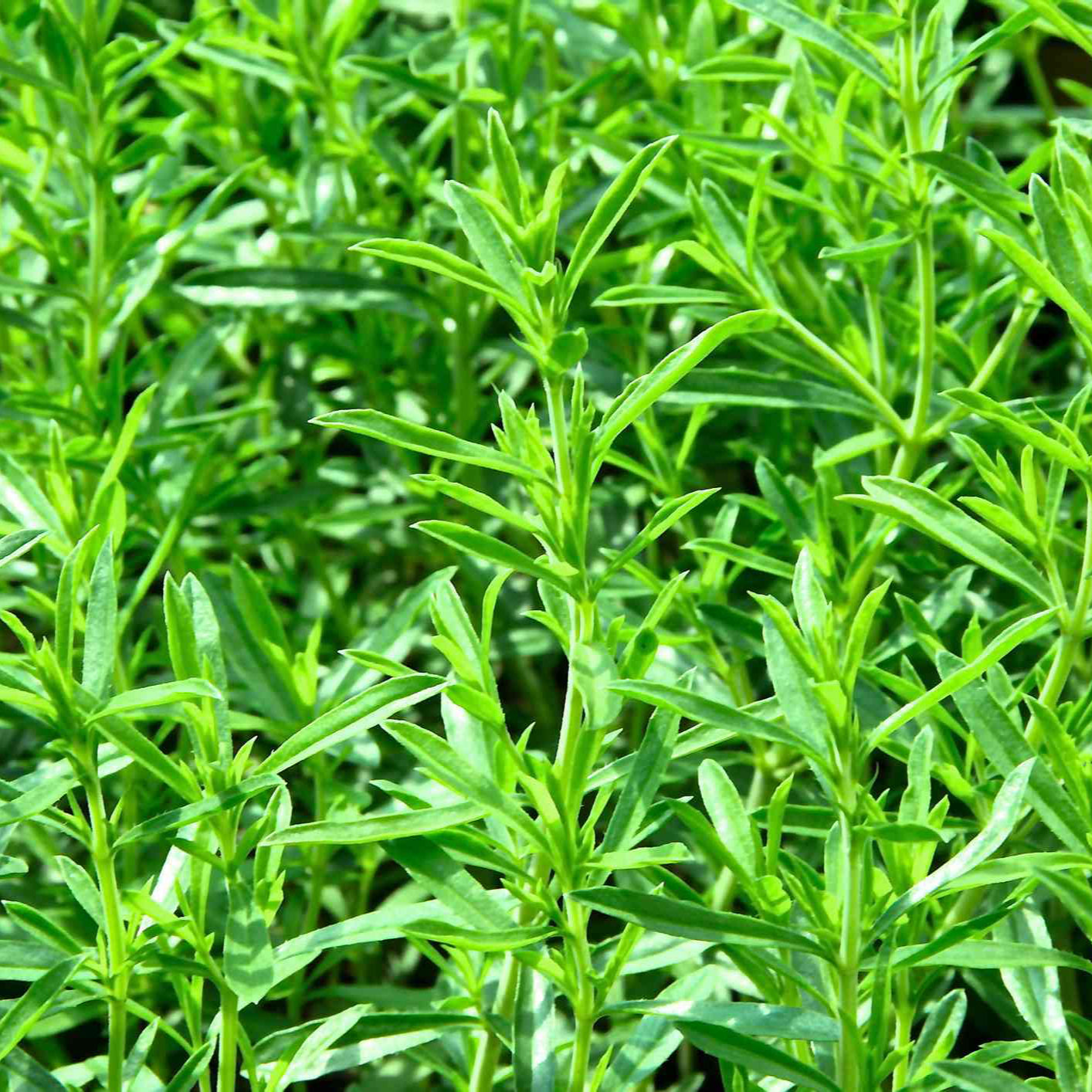
Savory typically develops slender green leaves along branching stems, creating a light and airy texture. Small flowers may appear in white, pink, or pale purple shades, depending on the variety and growing conditions.
Use savory in herb beds, cottage borders, kitchen gardens, rock gardens, and mixed plantings. Its compact form pairs nicely with thyme, oregano, basil, parsley, rosemary, and other culinary herbs.
Plant Care Insights
- Sunlight: Choose a sunny location with several hours of direct sunlight.
- Soil: Use light, well-drained soil that does not remain overly wet.
- Watering: Keep soil moderately moist while avoiding consistently soggy conditions.
- Companion plants: Pair savory with thyme, oregano, basil, parsley, rosemary, and other herbs.
- Maintenance: Trim leggy stems and remove damaged growth to maintain a compact shape.
Frequently Asked Questions
What climate is best for Savory?
Savory generally prefers warm, sunny conditions and well-drained garden soil.
Specific climate needs can vary between summer and perennial types.
How large can Savory become?
Savory generally develops into a compact, branching herb plant.
Mature size varies according to variety and growing conditions.
Should Savory be pruned?
Light trimming can help maintain a tidy, compact plant shape.
Remove damaged or overcrowded stems when needed.
What pests commonly affect Savory?
Aphids and spider mites may occasionally affect savory foliage.
Inspect stems and leaves regularly for signs of pest activity.
Shop By Category