Lemon Balm Seeds for Planting – Fragrant Beauty for a Cottage Herb Garden
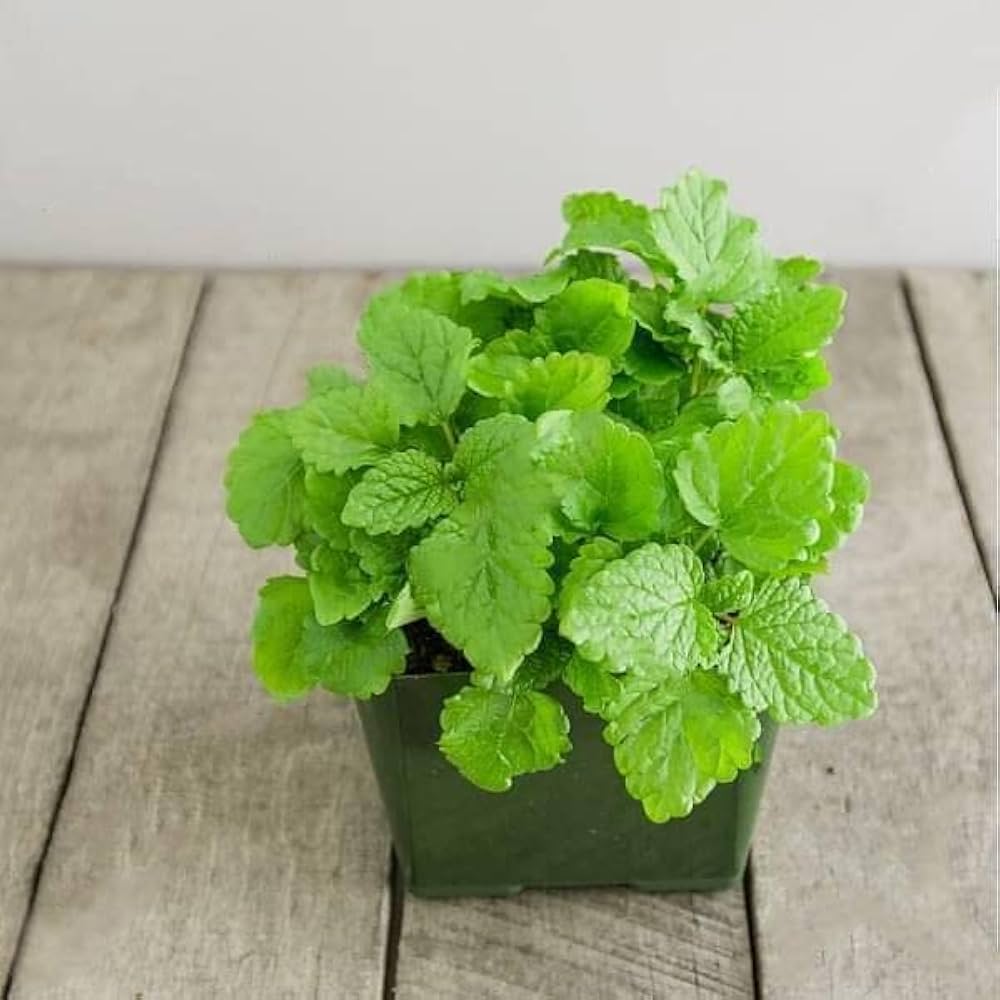
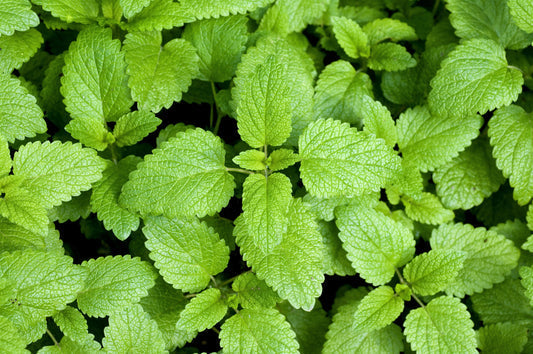
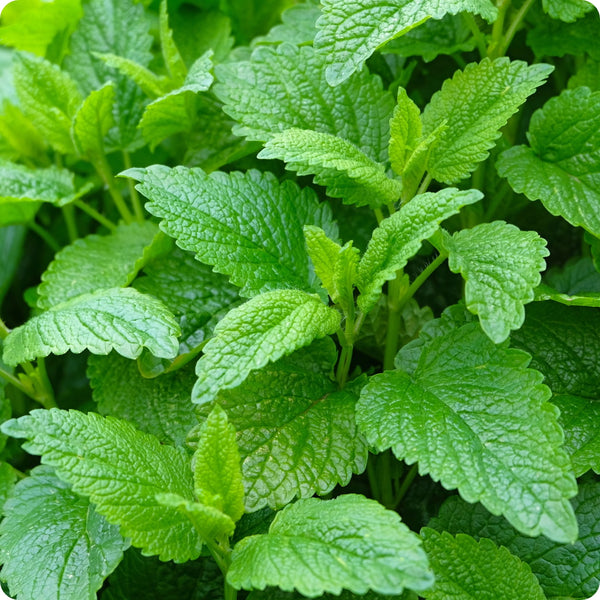
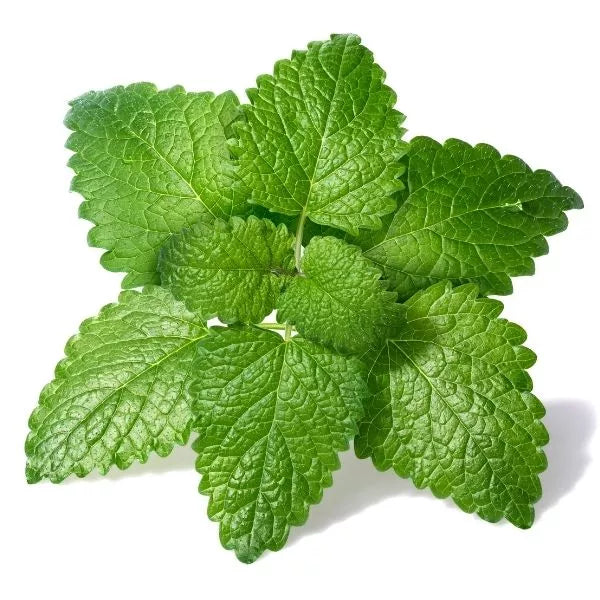
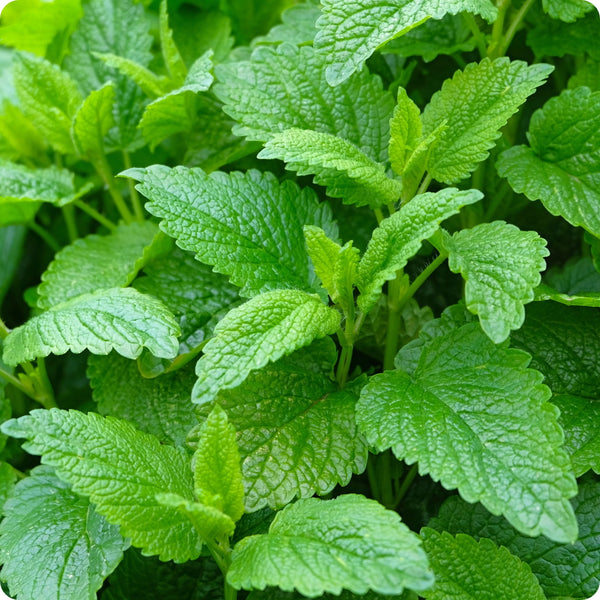
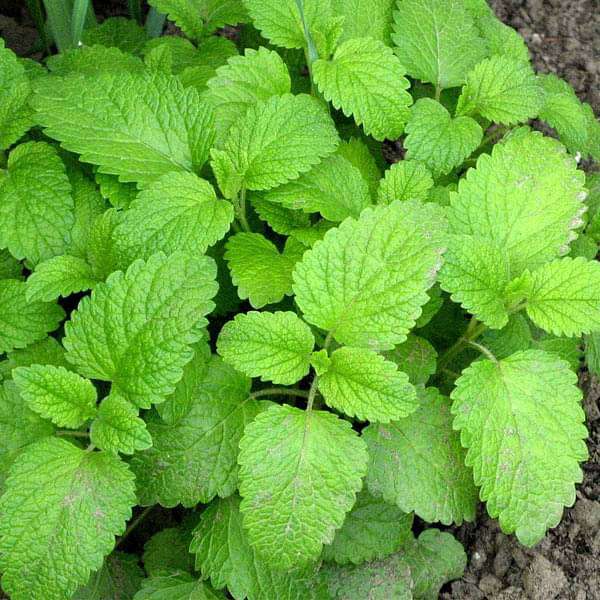
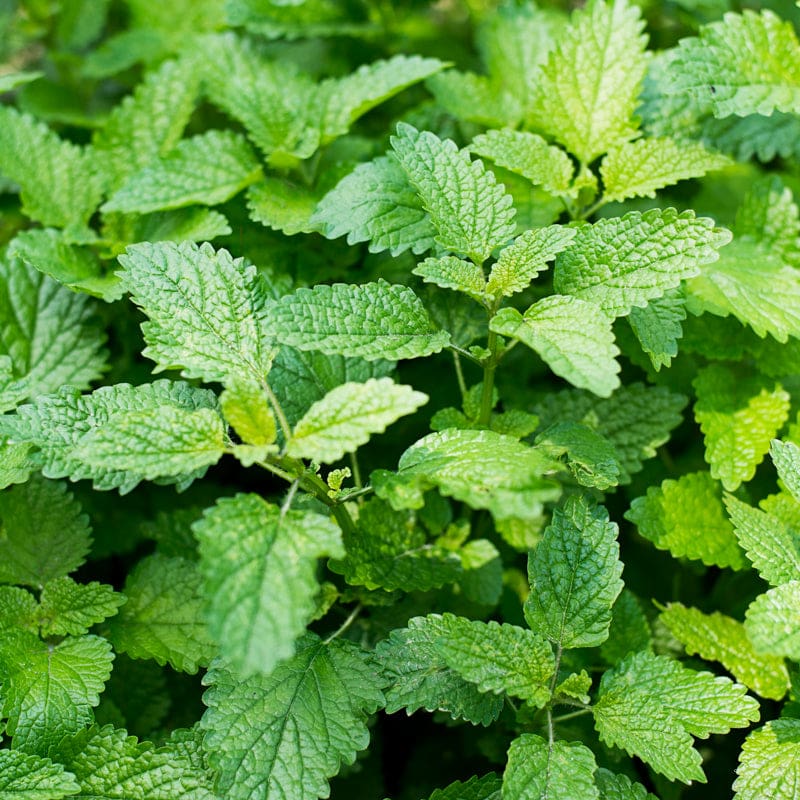
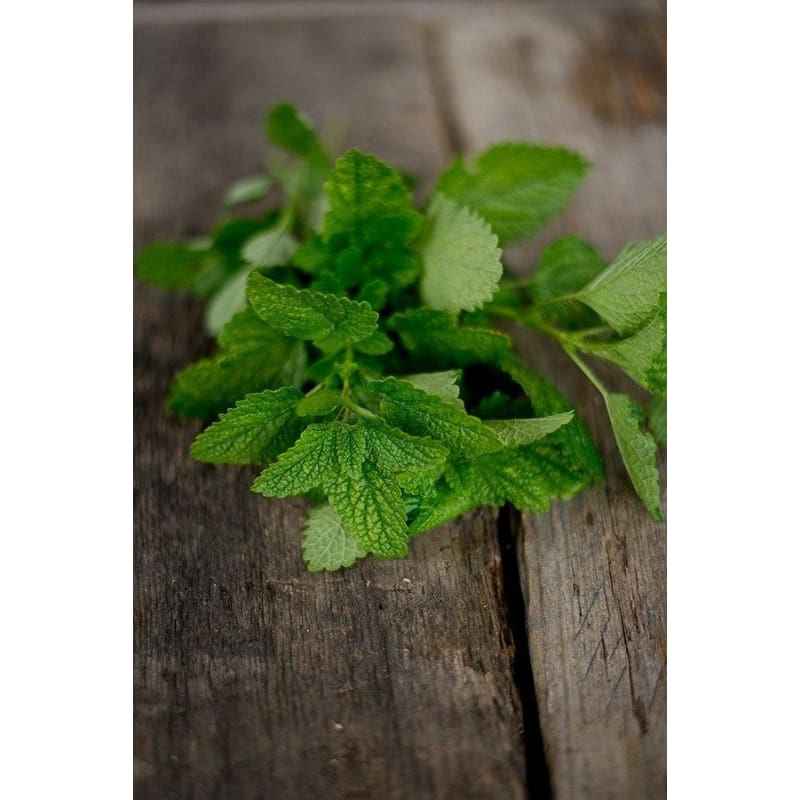
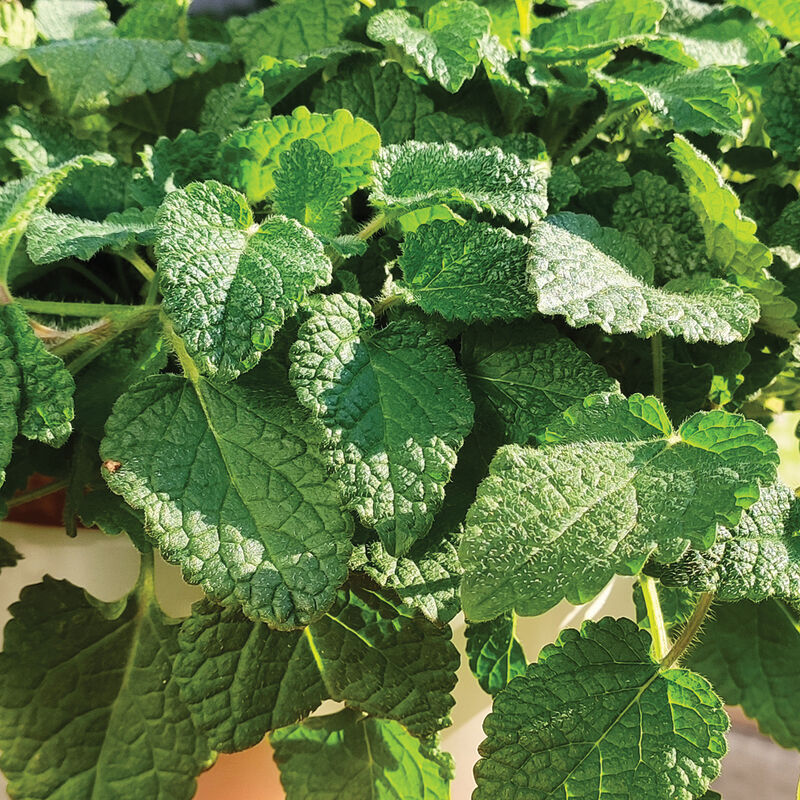
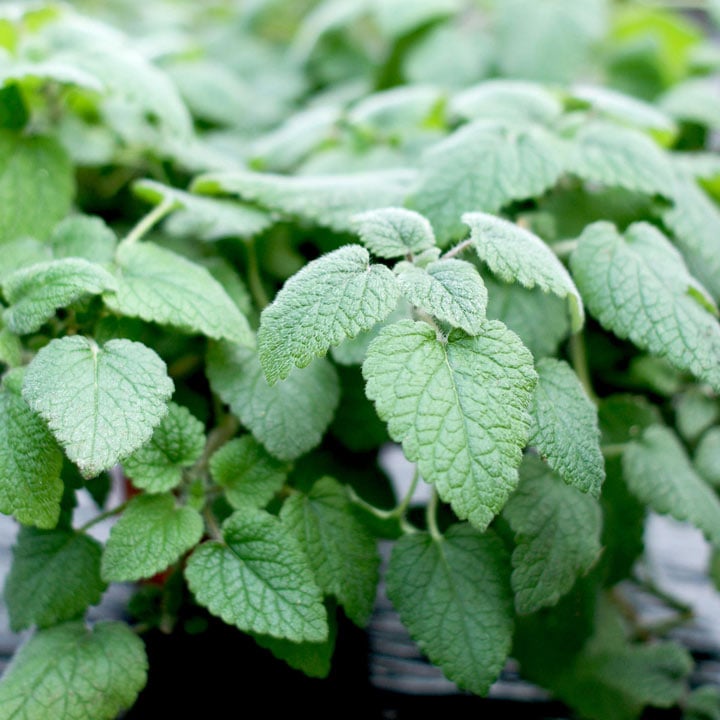
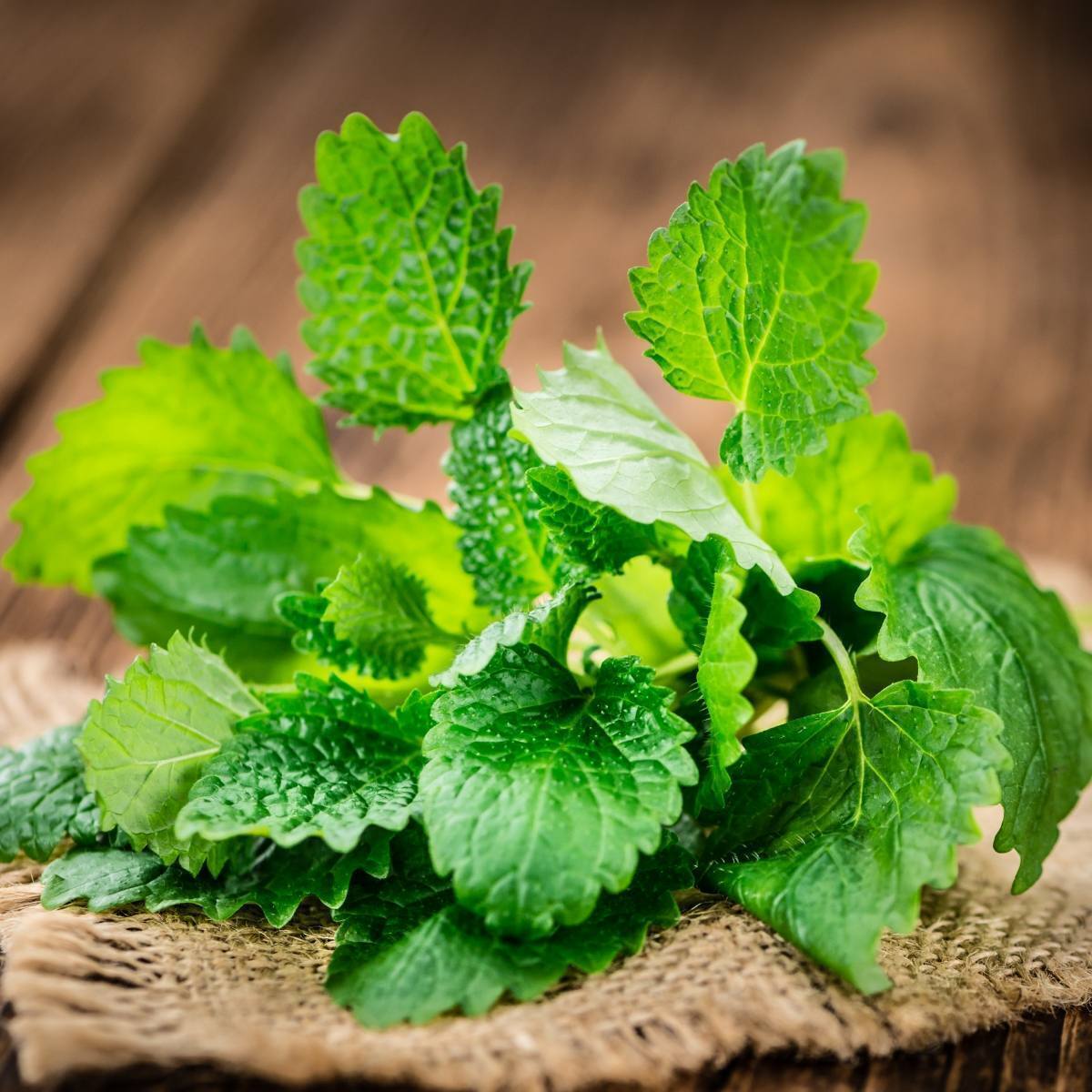
A gentle touch against lemon balm foliage releases a fresh citrus-like fragrance that feels perfectly suited to an old-fashioned herb garden. With softly textured green leaves and an easy, informal growing habit, lemon balm brings natural character to cottage borders, kitchen gardens, and pathways where herbs and flowers mingle together.
Lemon Balm Seeds from Evergrow Seeds are available at evergrowseeds.com for US home gardeners seeking a fragrant and useful addition to their garden. Whether tucked between compatible herbs or included in a romantic cottage-inspired planting, lemon balm contributes lush greenery and an inviting herbal character throughout its growing season.
Browse Our Lemon Balm Seeds
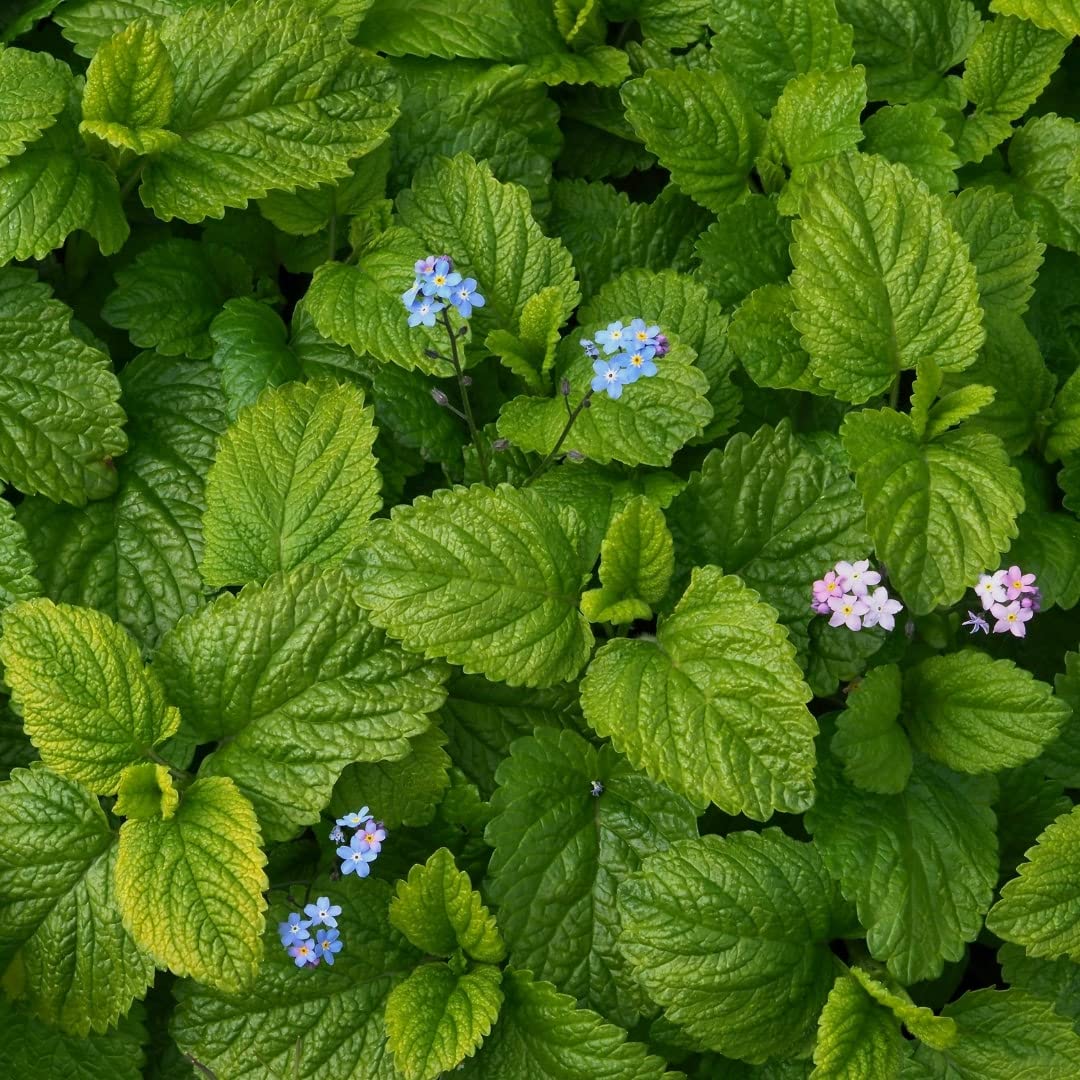
Lemon balm is grown primarily for its bright to medium-green foliage, but mature plants can also develop small flowers. Blooms are generally white to pale cream, sometimes carrying subtle pinkish or lavender tones depending on the plant and growing conditions.
Its understated flowers and abundant foliage make lemon balm especially attractive in herb gardens, cottage borders, pollinator-friendly spaces, edible landscapes, and informal garden corners. Pairing it with compatible flowering herbs can create a softly layered garden filled with contrasting textures.
Plant Care Insights
Sunlight
Lemon balm generally grows well in full sun to partial shade, with some afternoon protection helpful in particularly hot regions.
Soil
Choose reasonably fertile, well-drained soil that allows roots to develop without remaining continuously soggy.
Watering
Provide regular moisture during establishment and adjust watering according to rainfall, temperature, and soil conditions.
Companion Plants
Lemon balm can share garden space with compatible herbs, vegetables, and cottage flowers that prefer similar conditions.
Maintenance
Trim plants periodically to maintain a tidy shape and manage spreading. Removing flower heads before seeds mature can help limit unwanted self-seeding.
5. Frequently Asked Questions
Is lemon balm suitable for different US climates?
Lemon balm adapts to many temperate growing regions across the United States.
Seasonal growth patterns vary according to local winters and summer temperatures.
How large can mature lemon balm plants become?
Established plants can develop into broad, leafy clumps with branching stems.
Final height and spread depend on variety and local garden conditions.
Should lemon balm be pruned regularly?
Occasional trimming helps maintain compact growth and a neater garden appearance.
Cutting back older stems can also manage vigorous spreading during the season.
What pests may occasionally affect lemon balm?
Aphids, spider mites, and other small pests may occasionally appear.
Regular inspection makes early garden pest management easier and more practical.
Shop By Category