Apricot Seeds – Golden Summer Jewels for the Romantic Cottage Garden
Apricot trees bring soft, old-fashioned orchard beauty to the home landscape. Their branches awaken with delicate spring blossoms before fresh foliage emerges, followed by warm golden fruits later in the season. The scene recalls winding cottage paths, rustic backyard orchards, and peaceful summer afternoons beneath leafy branches.
Apricot Seeds are available at evergrowseeds.com from Evergrow Seeds for gardeners who enjoy deciduous fruit trees with beautiful seasonal character. Botanically known as Prunus armeniaca, apricot is a stone-fruit tree related to peaches, plums, cherries, and almonds.
Browse Our Apricot Seeds
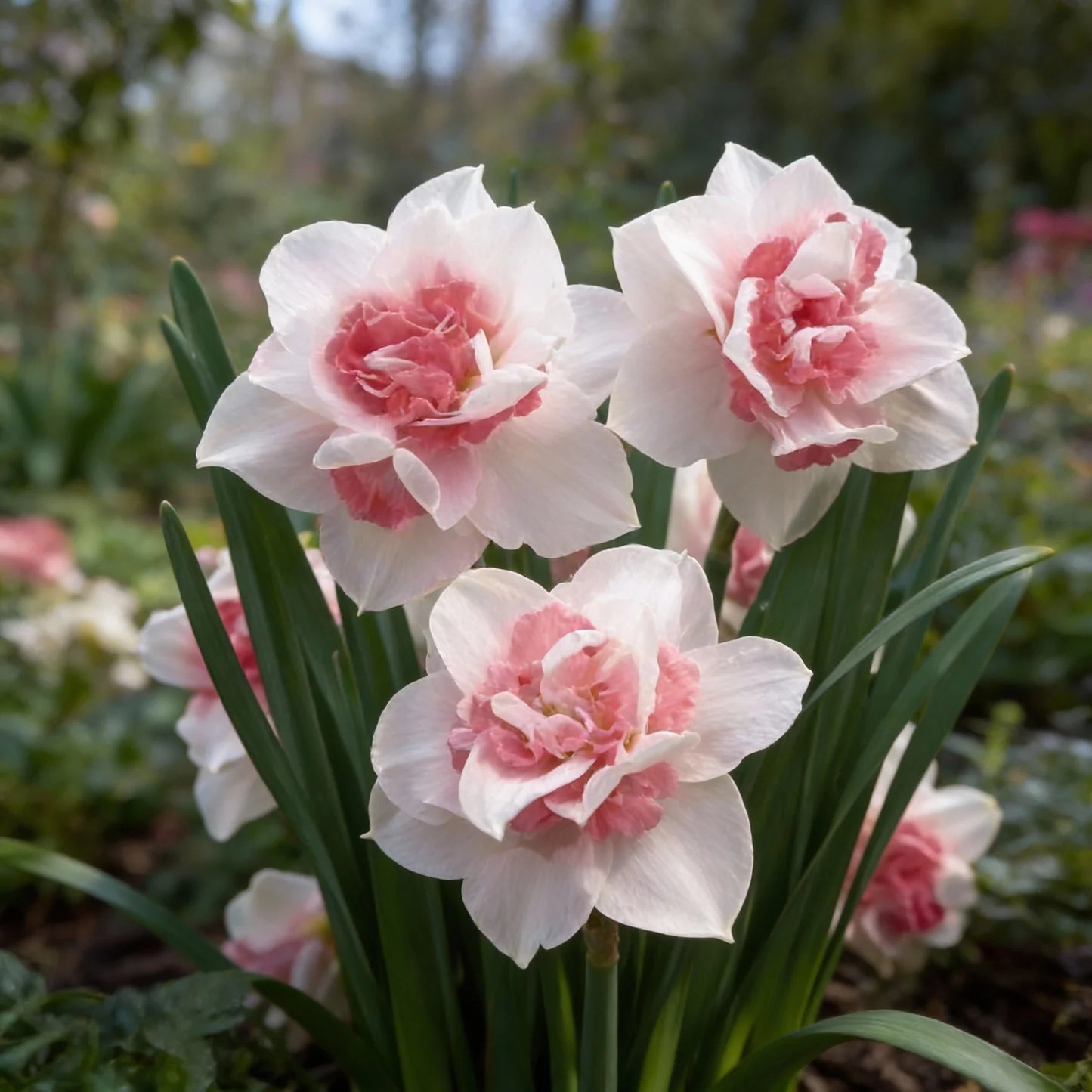
Apricot trees are particularly attractive during early spring flowering. Depending on cultivar and stage of development, blossoms may appear white, creamy white, blush pink, or pale rosy pink, often opening before or alongside the emerging leaves.
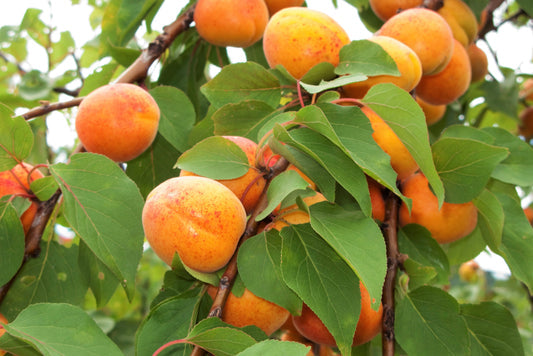
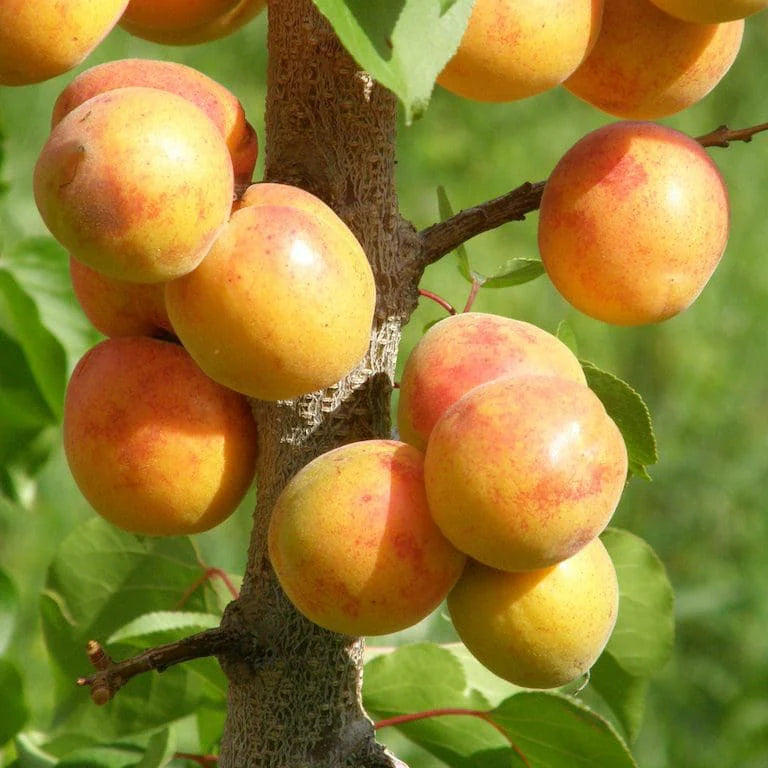
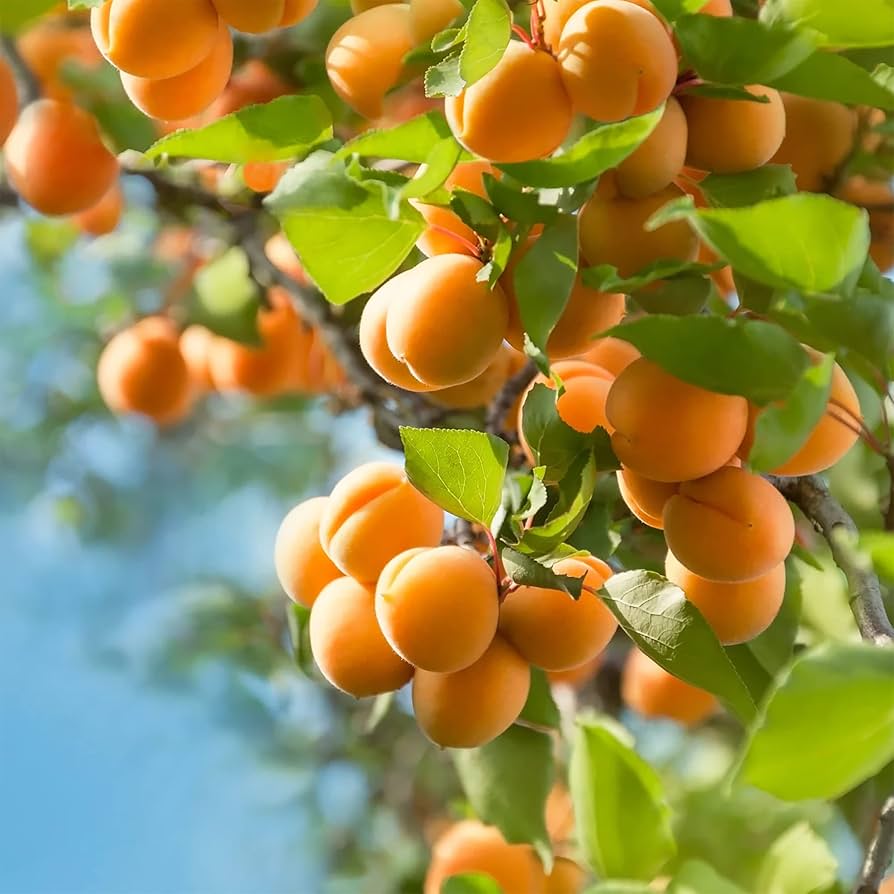
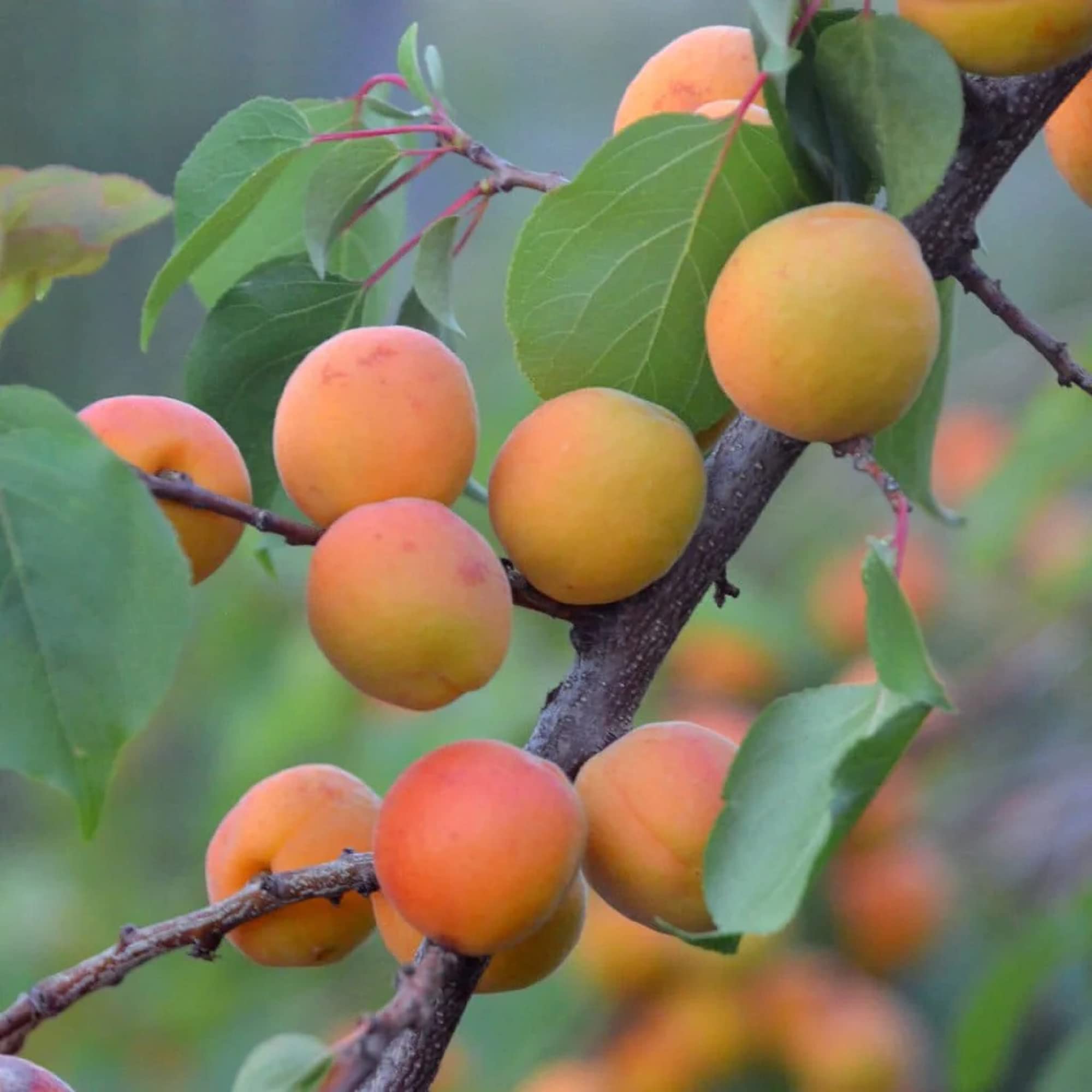
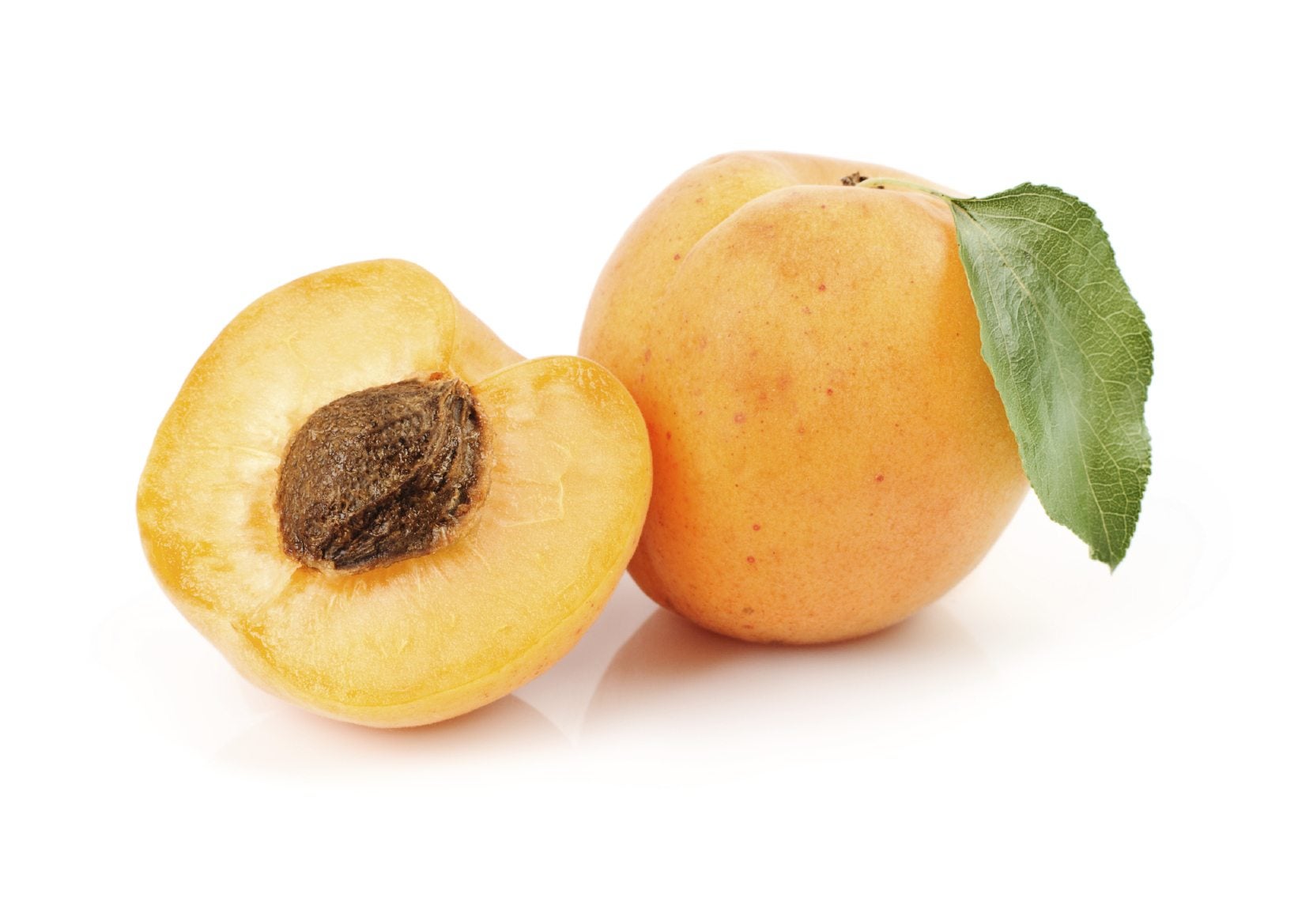
Young fruits begin green before gradually developing yellow, golden yellow, orange, or deep apricot-orange skin. Many cultivars develop an attractive pink, rose, or reddish blush on the sun-exposed side.
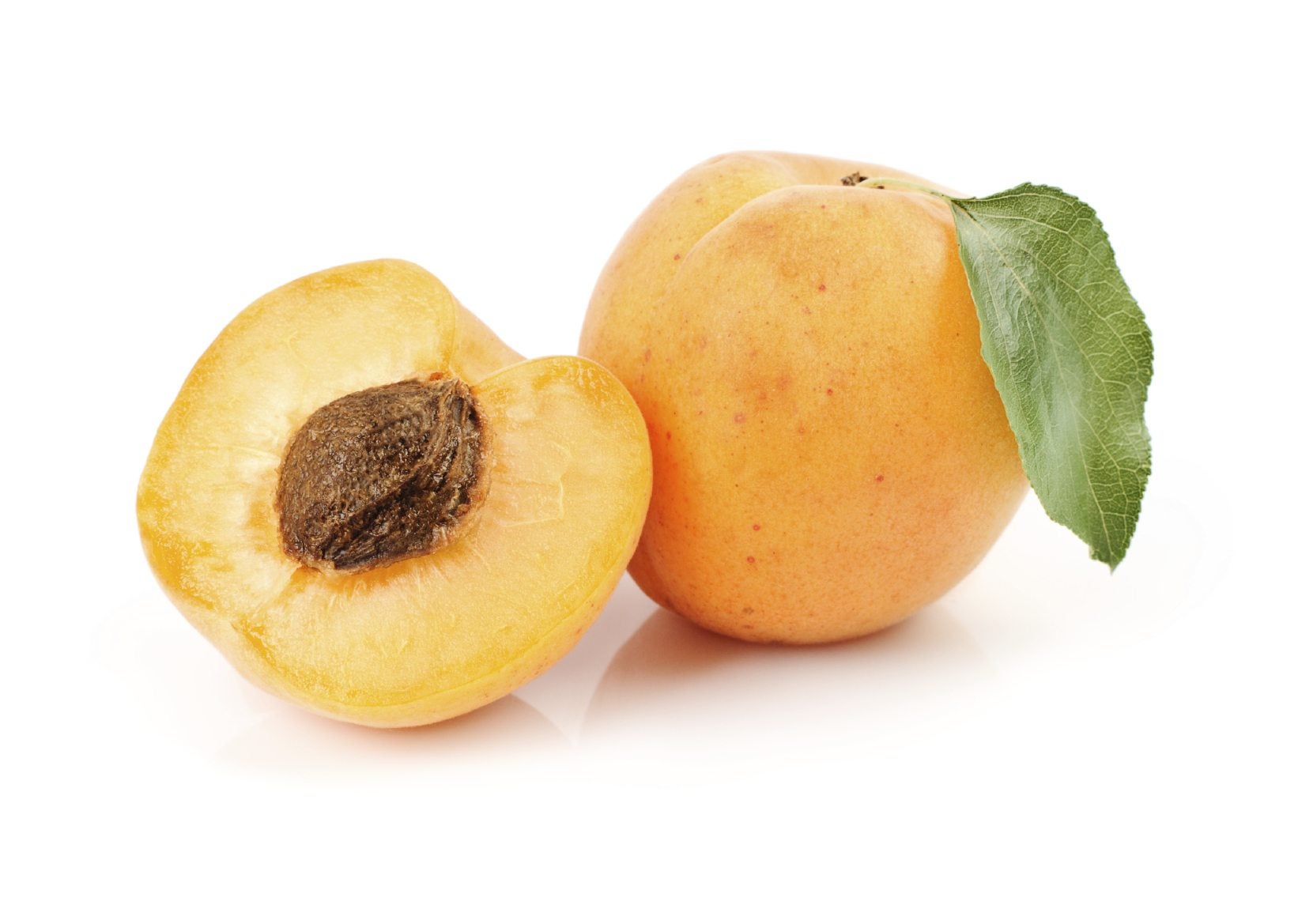
The flesh typically ranges from pale yellow and golden to rich orange. Cultivars can differ in fruit size, sweetness, firmness, ripening season, and stone characteristics. Seed-grown Apricot trees are genetically variable, so their eventual fruit may differ from the parent tree.
Plant Care Insights
Sunlight: Choose an open location receiving full sun for strong flowering and fruit development.
Soil: Plant in fertile, deep, well-drained soil with suitable organic matter.
Watering: Maintain consistent moisture while young and during fruit development without leaving roots waterlogged.
Companion Plants: Compatible herbs and flowering plants can grow nearby when adequate root and canopy space is maintained.
Maintenance: Maintain an open canopy, remove damaged or crossing branches when necessary, provide good airflow, and choose a planting location that reduces exposure to damaging late spring frosts.
Frequently Asked Questions
What climate is suitable for Apricot trees?
Apricots generally favor climates with winter chilling and warm, relatively dry summers.
Early blossoms can be vulnerable to late spring frost.
How large do mature Apricot trees become?
Apricots generally develop into small to medium-sized deciduous fruit trees.
Final height and canopy spread depend on genetics and pruning practices.
Do Apricot trees require pruning?
Selective pruning helps maintain an open, balanced canopy and manageable structure.
Remove damaged, diseased, crossing, or excessively crowded branches when necessary.
Will seed-grown Apricot match the parent fruit?
Seed-grown Apricot trees are genetically variable and may differ from parents.
Fruit size, flavor, color, and ripening characteristics can vary among seedlings.
Shop By Category