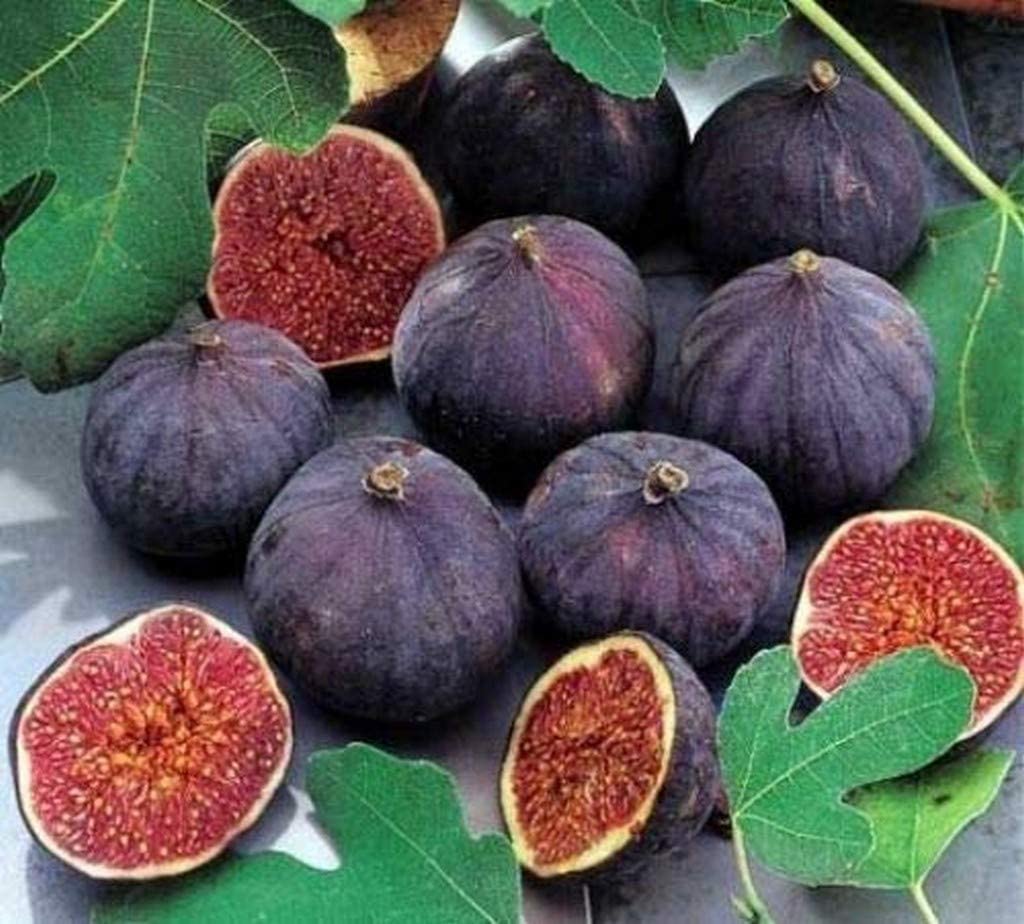
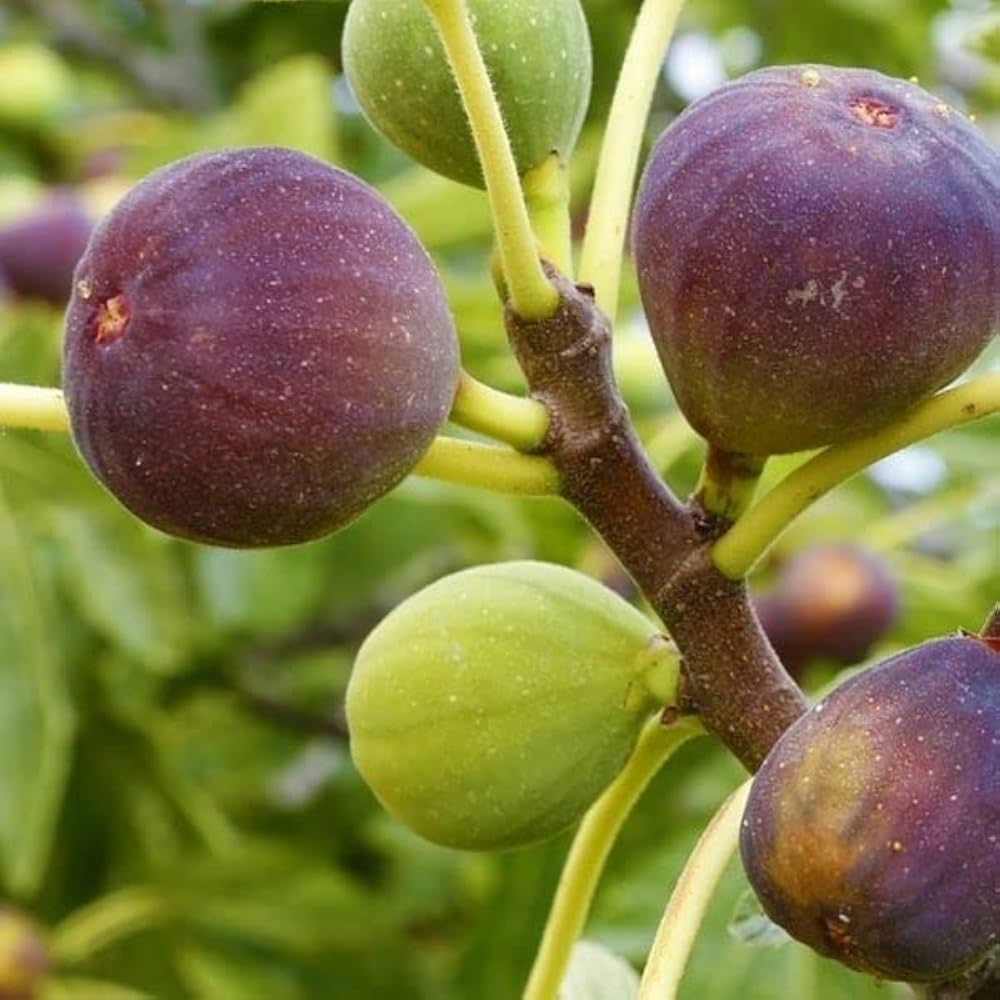
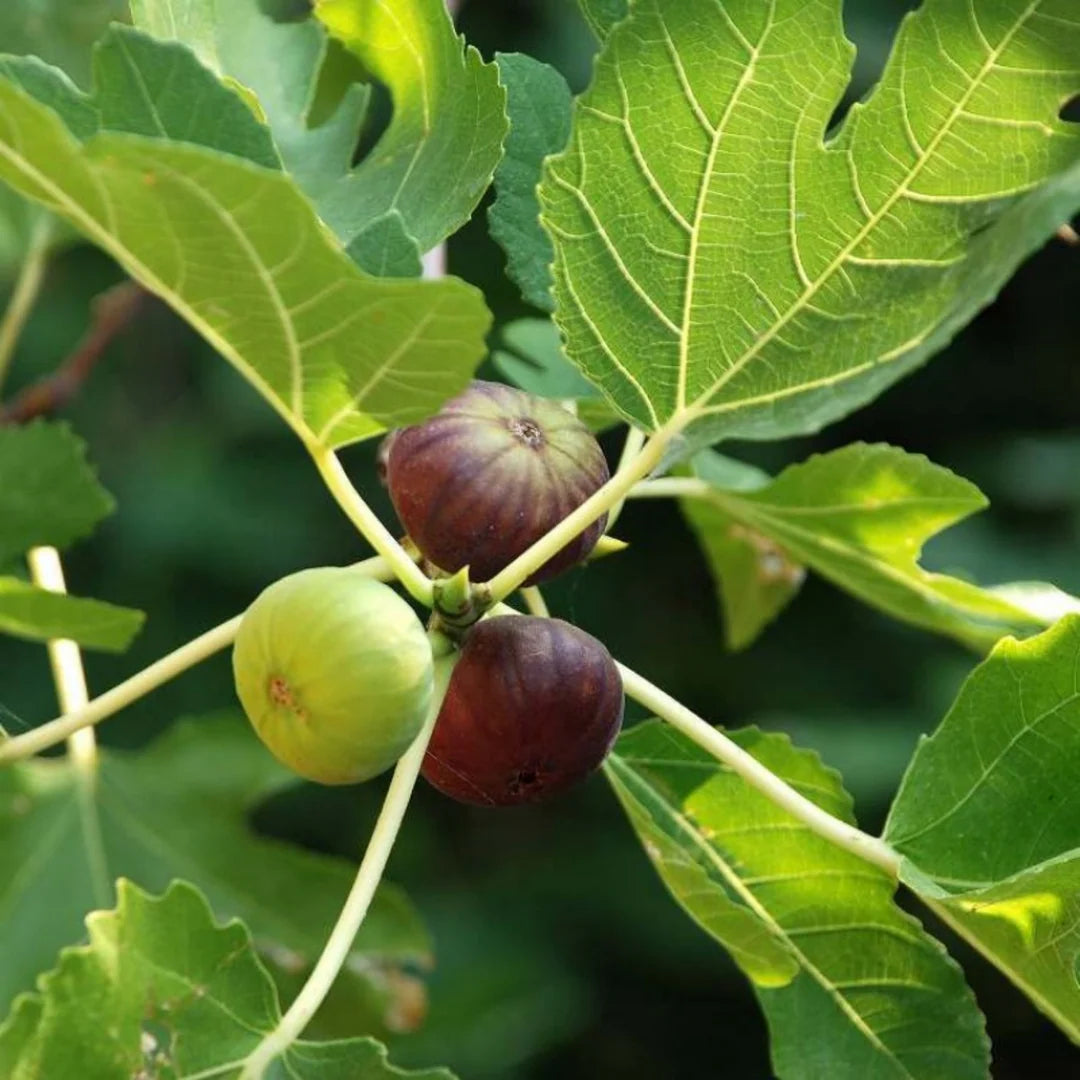
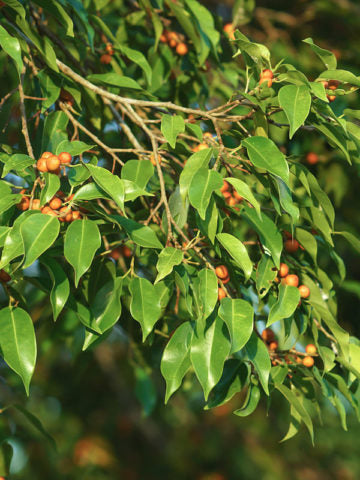

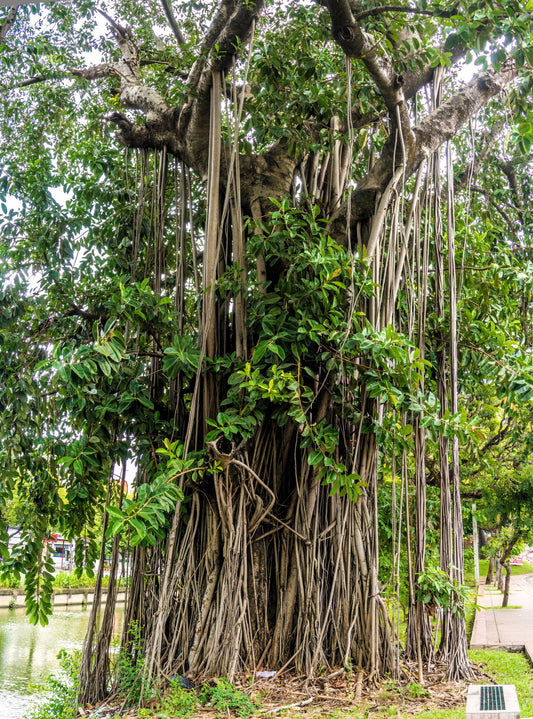
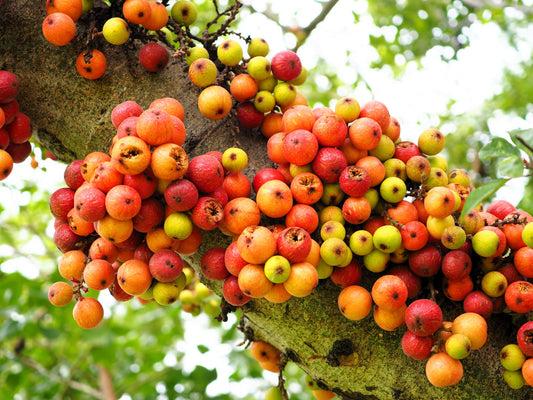
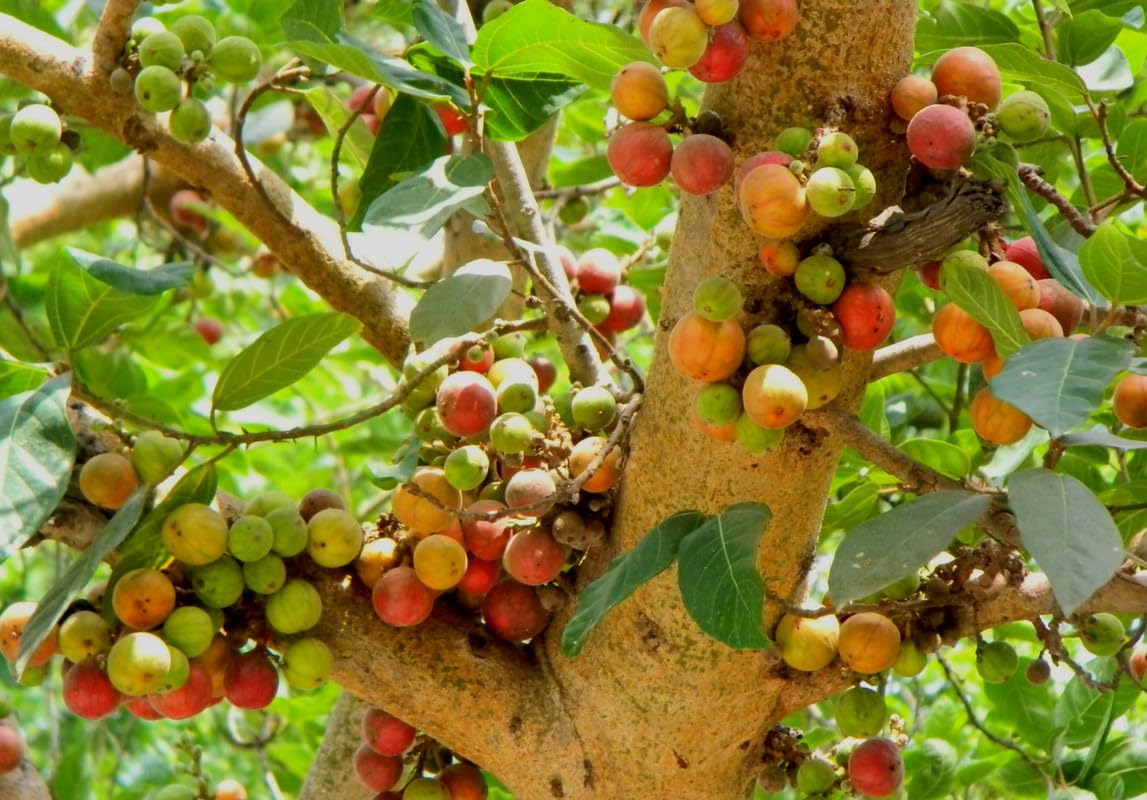
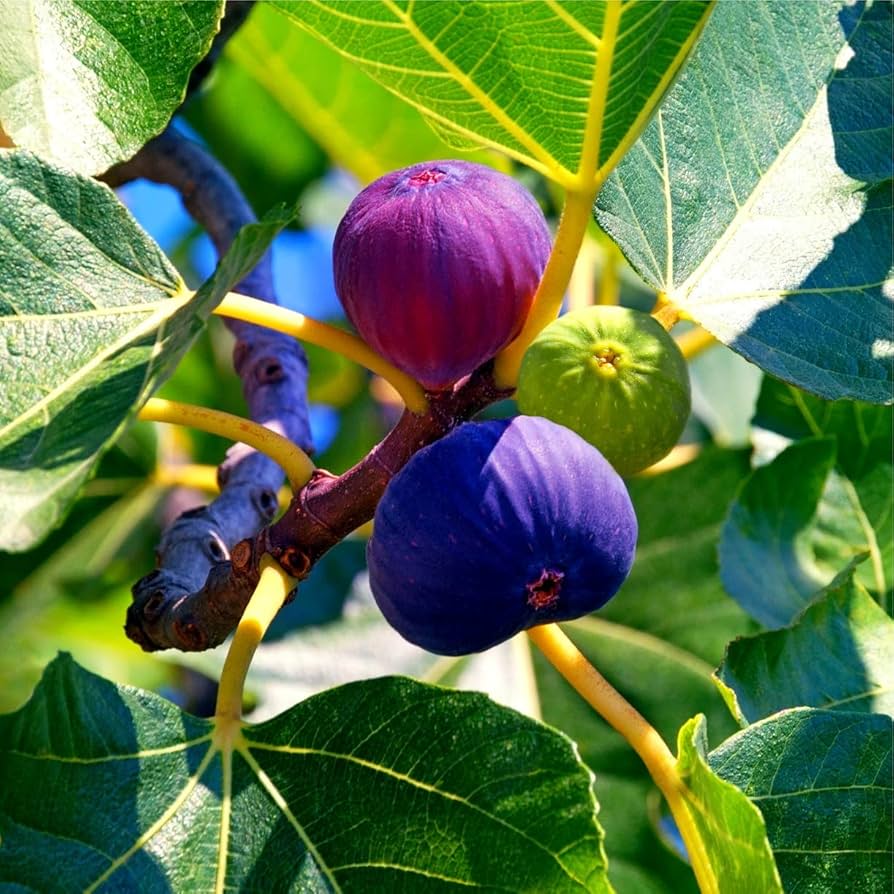
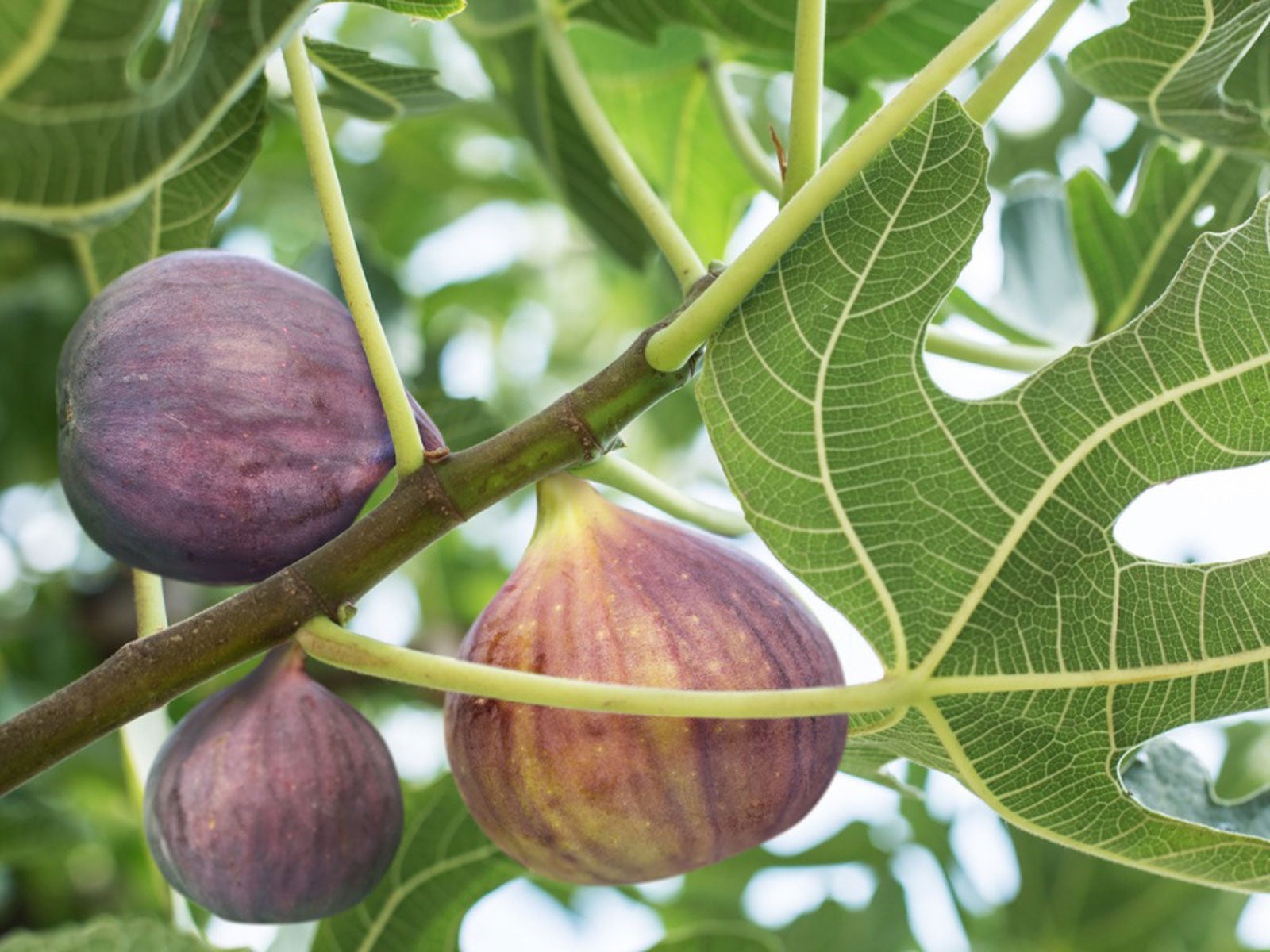
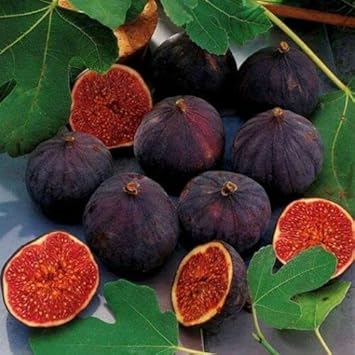
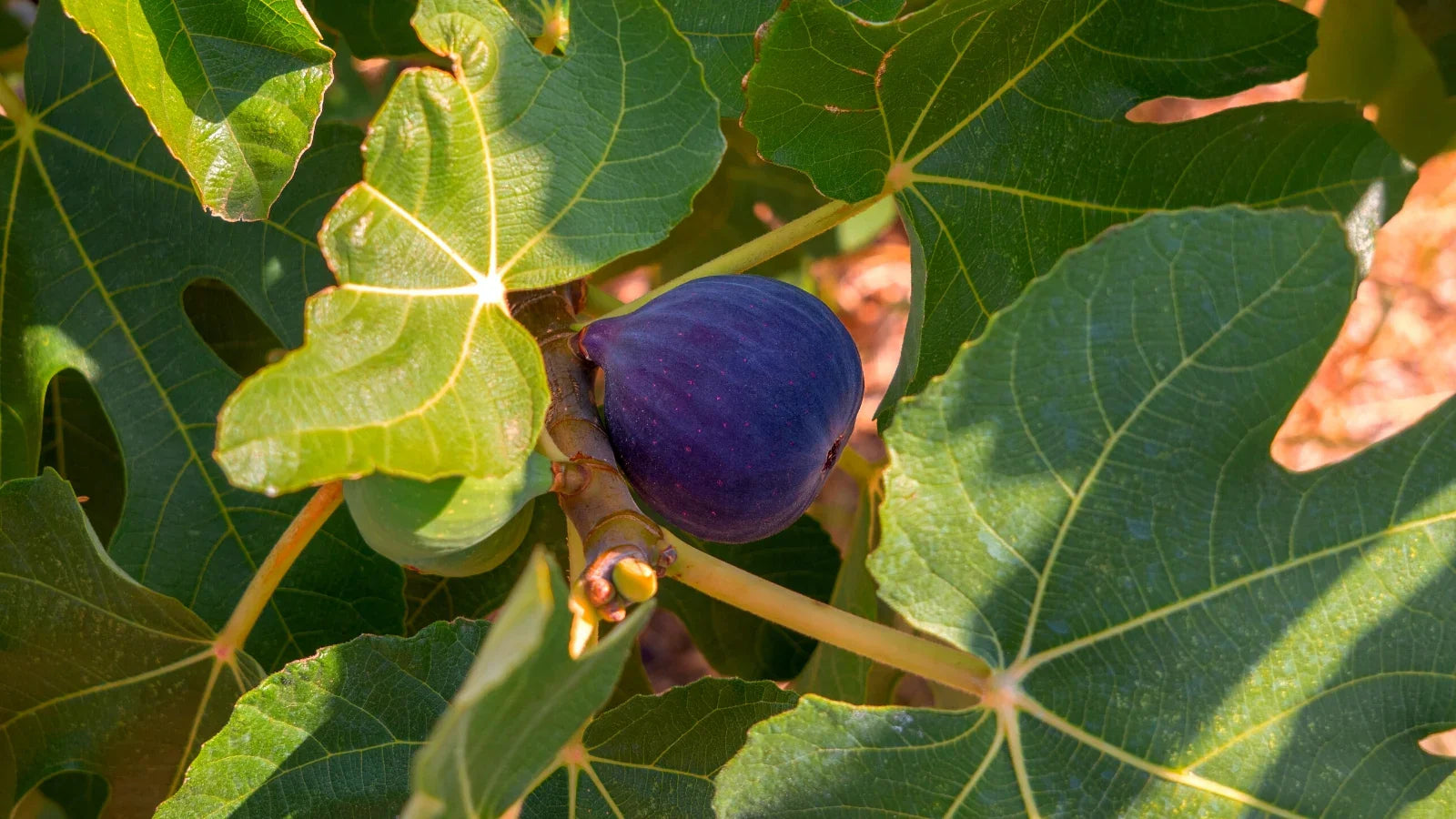


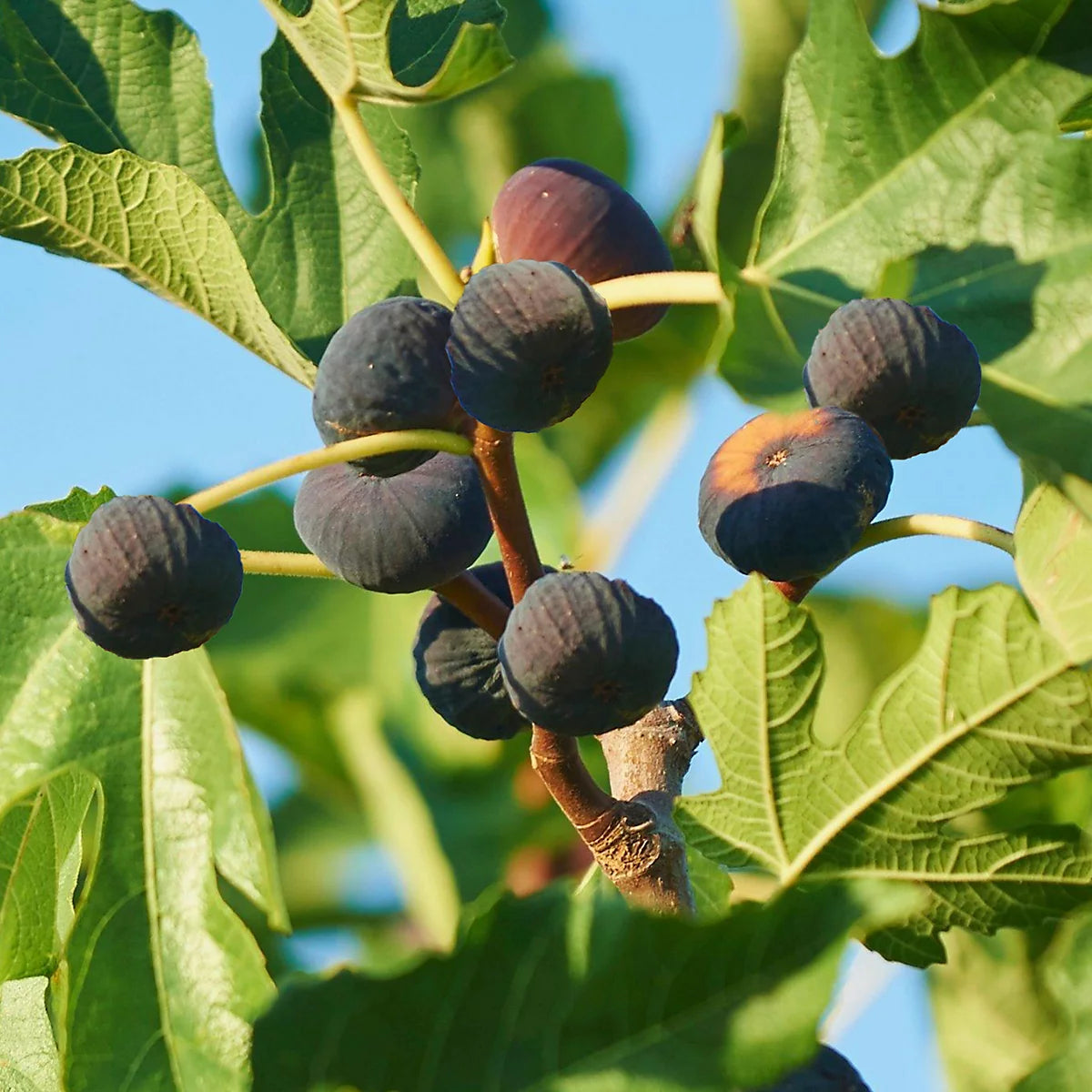

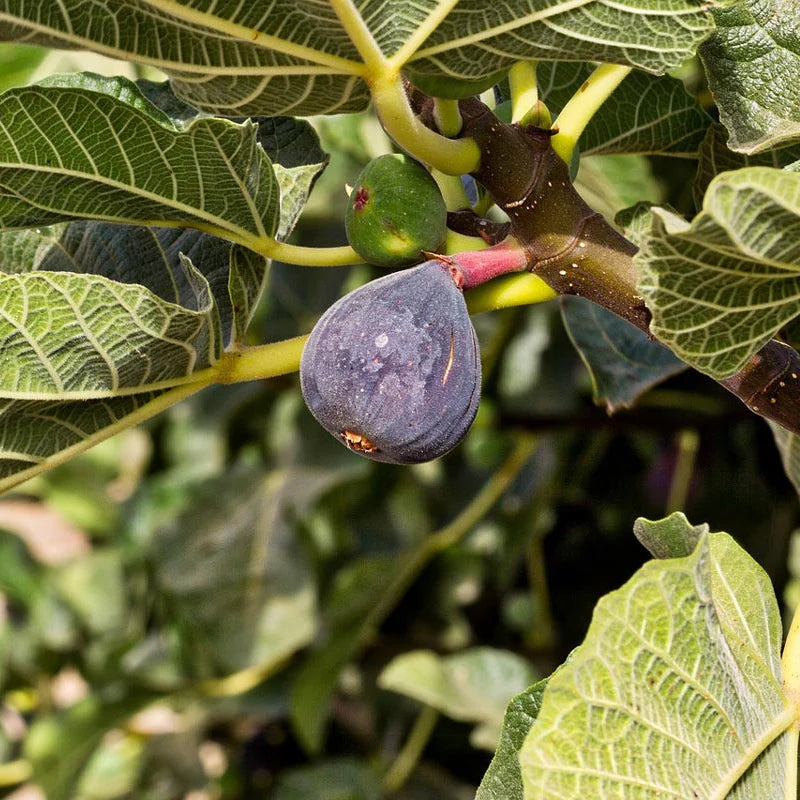
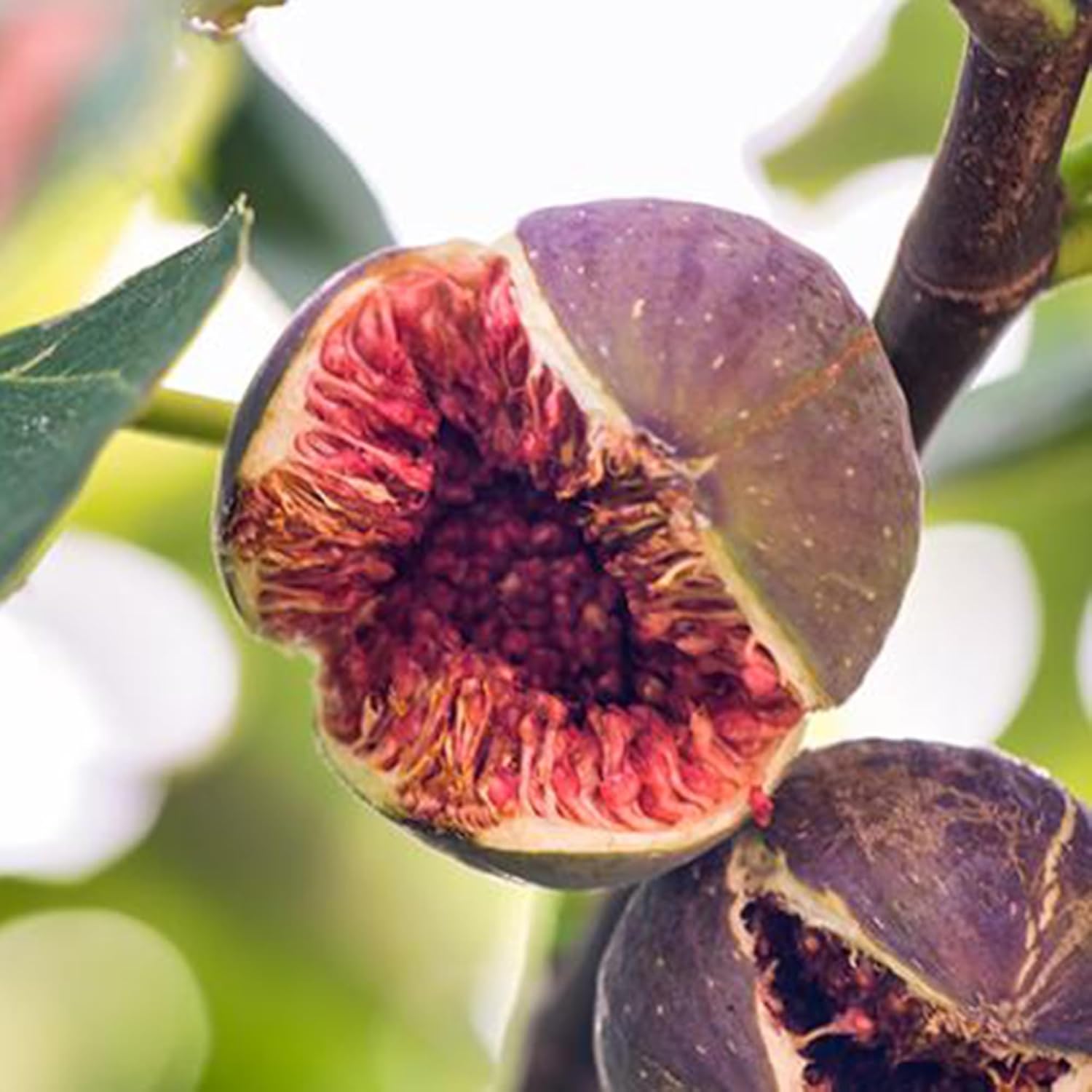
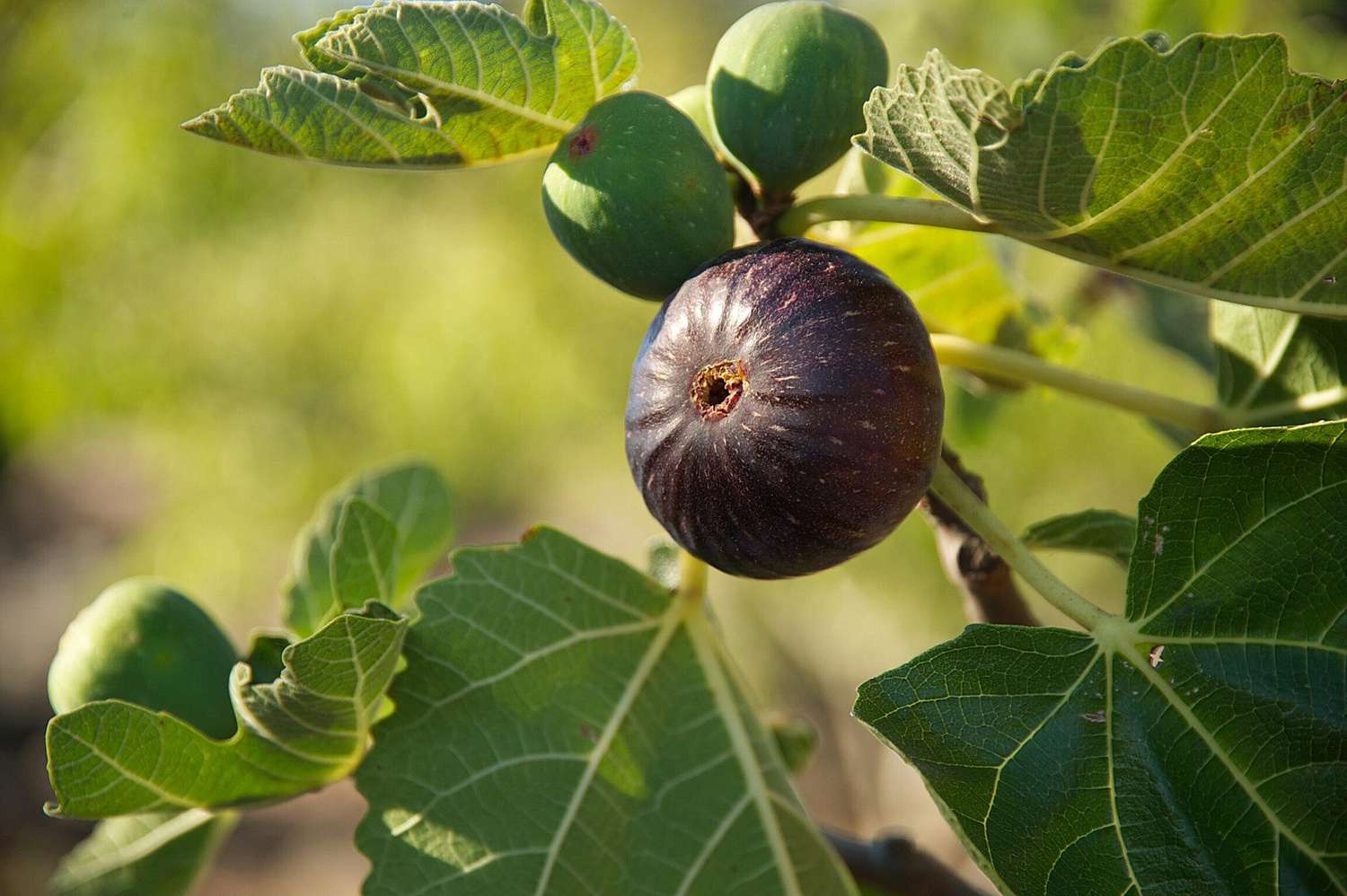
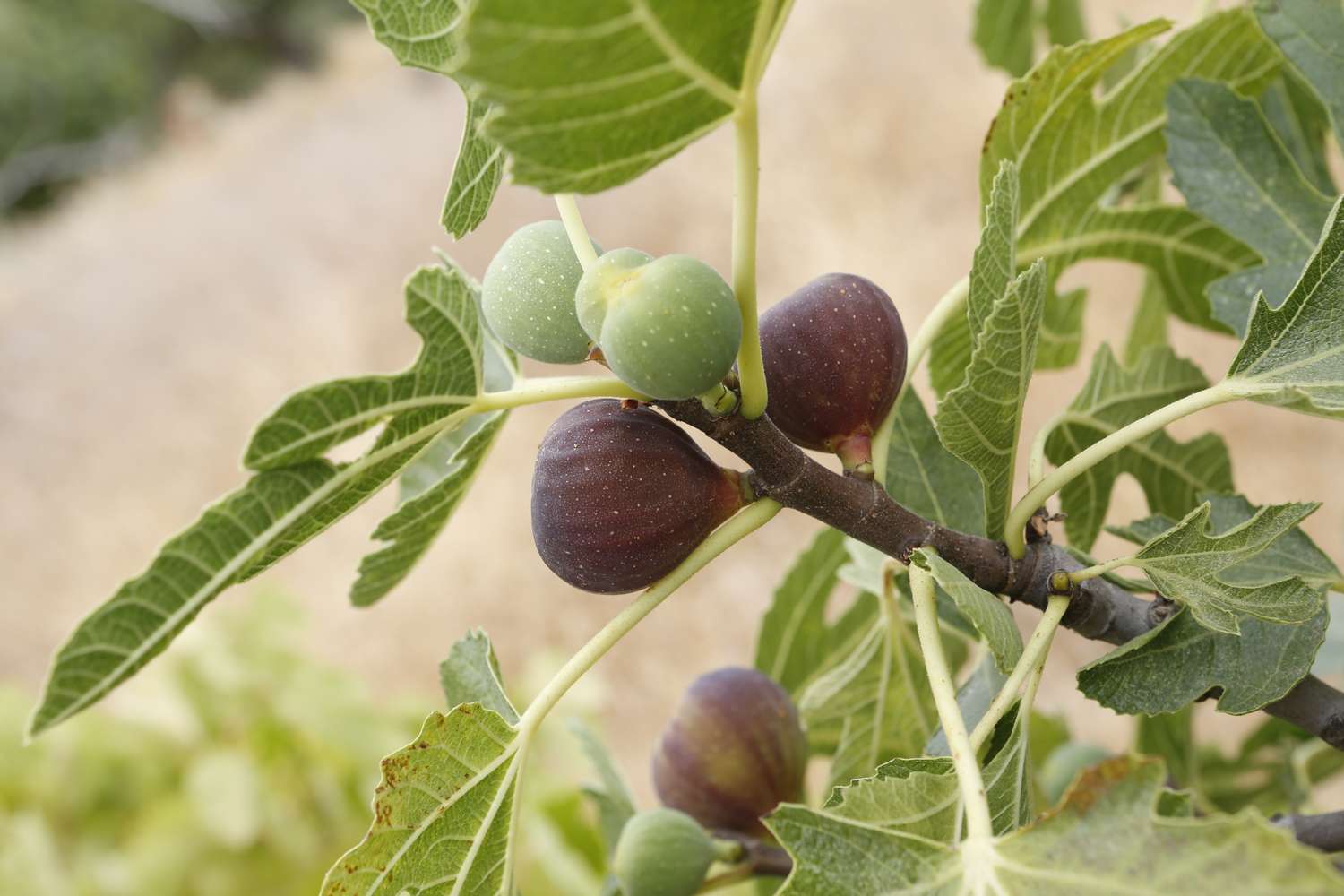
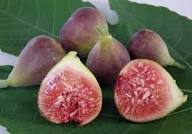
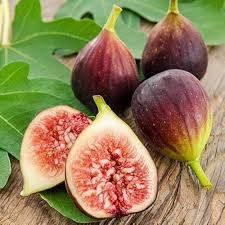
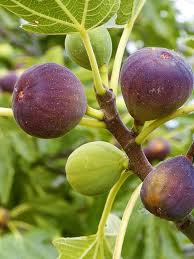
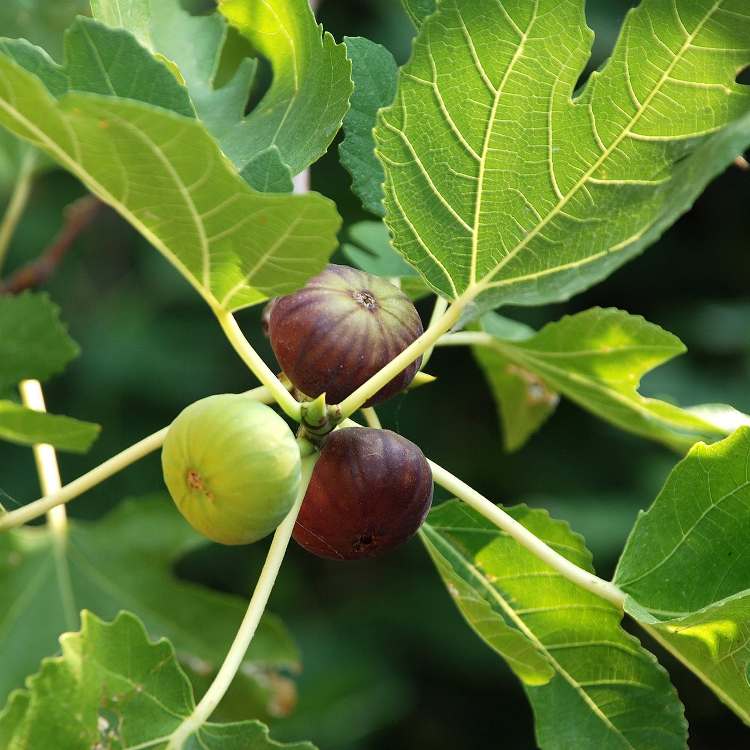
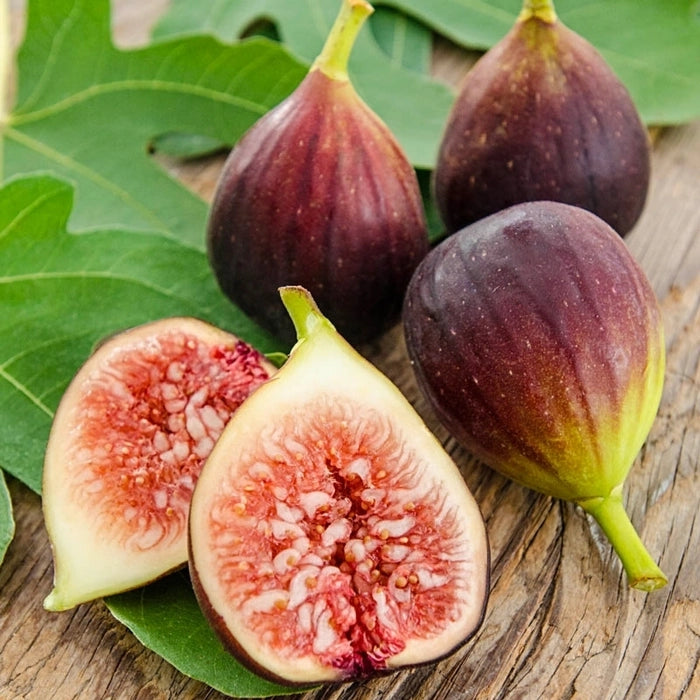
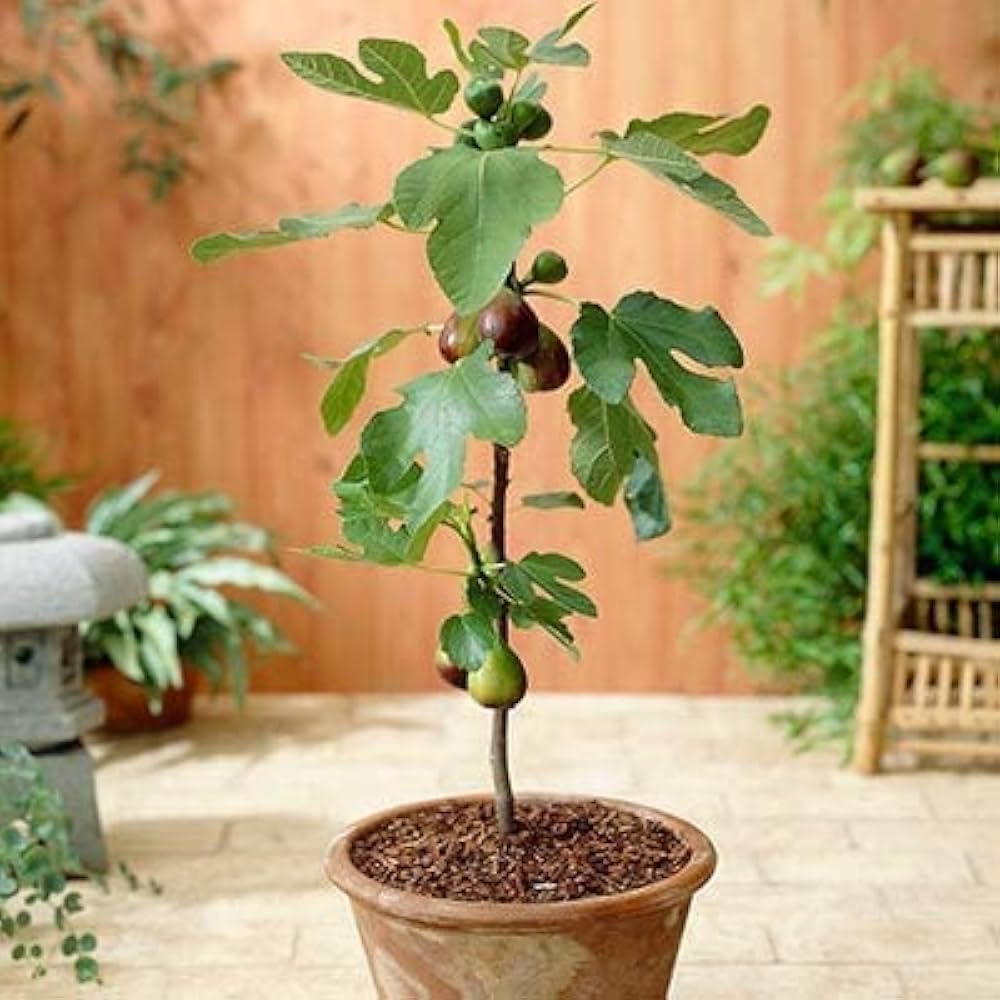
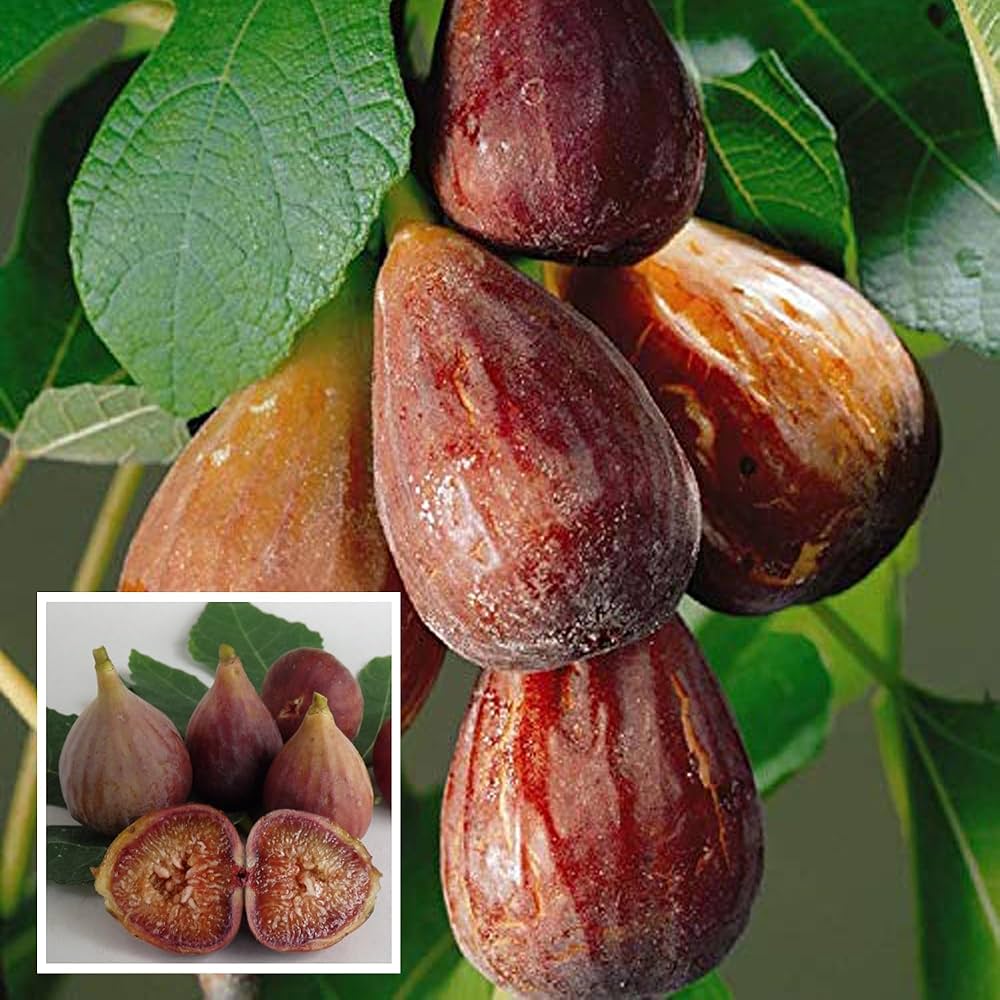
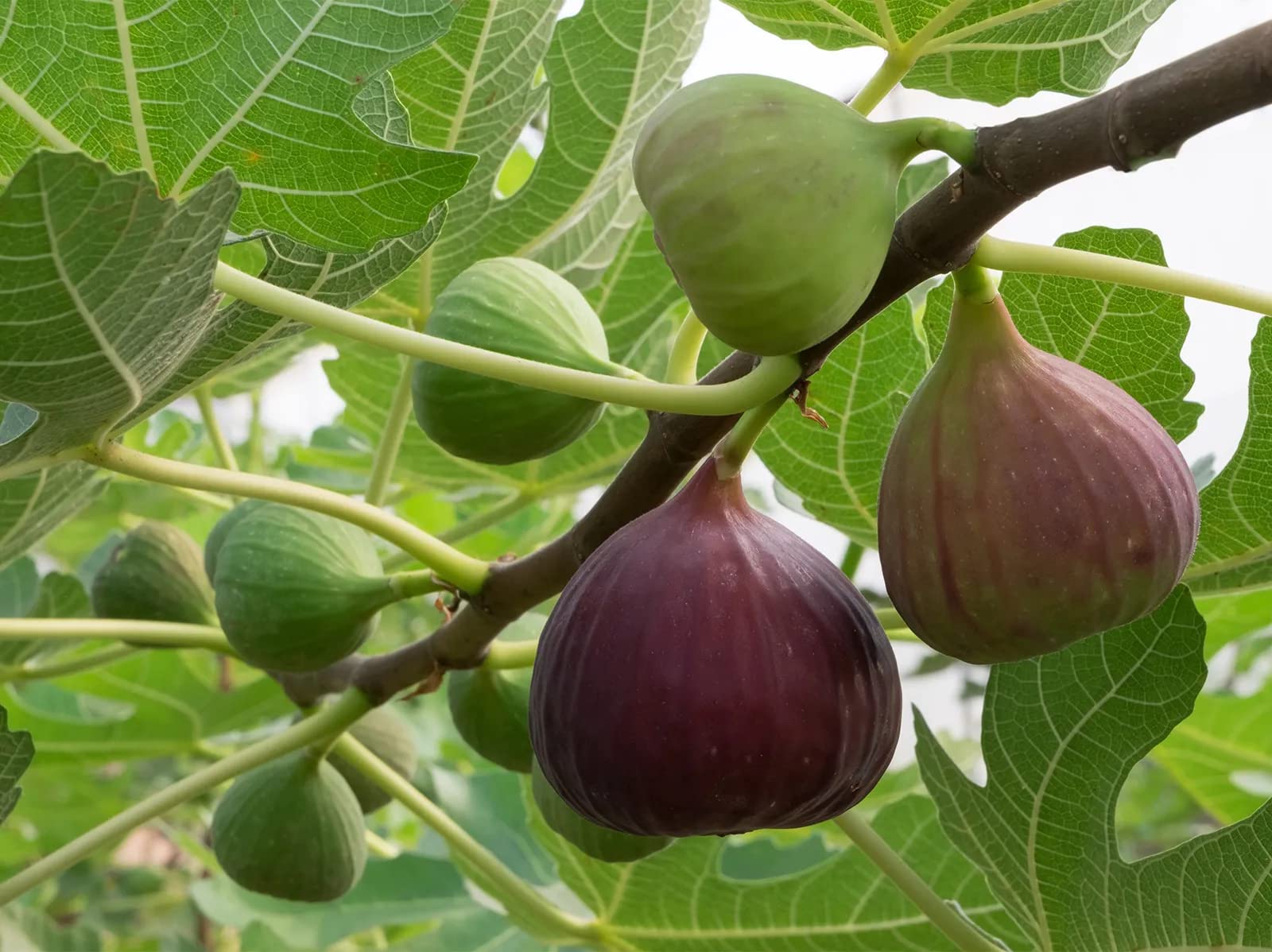

Few fruit trees capture the peaceful character of an old Mediterranean garden quite like the fig. Its broad, deeply lobed leaves and graceful branching create a relaxed, romantic atmosphere reminiscent of sun-warmed stone paths, farmhouse gardens, and quiet cottage corners.
Fig Fruit Seeds are available from Evergrow Seeds at evergrowseeds.com, offering home gardeners a charming way to begin a distinctive fruit-tree project while adding lush foliage and timeless character to the landscape.
Browse Our Fig Fruit Seeds
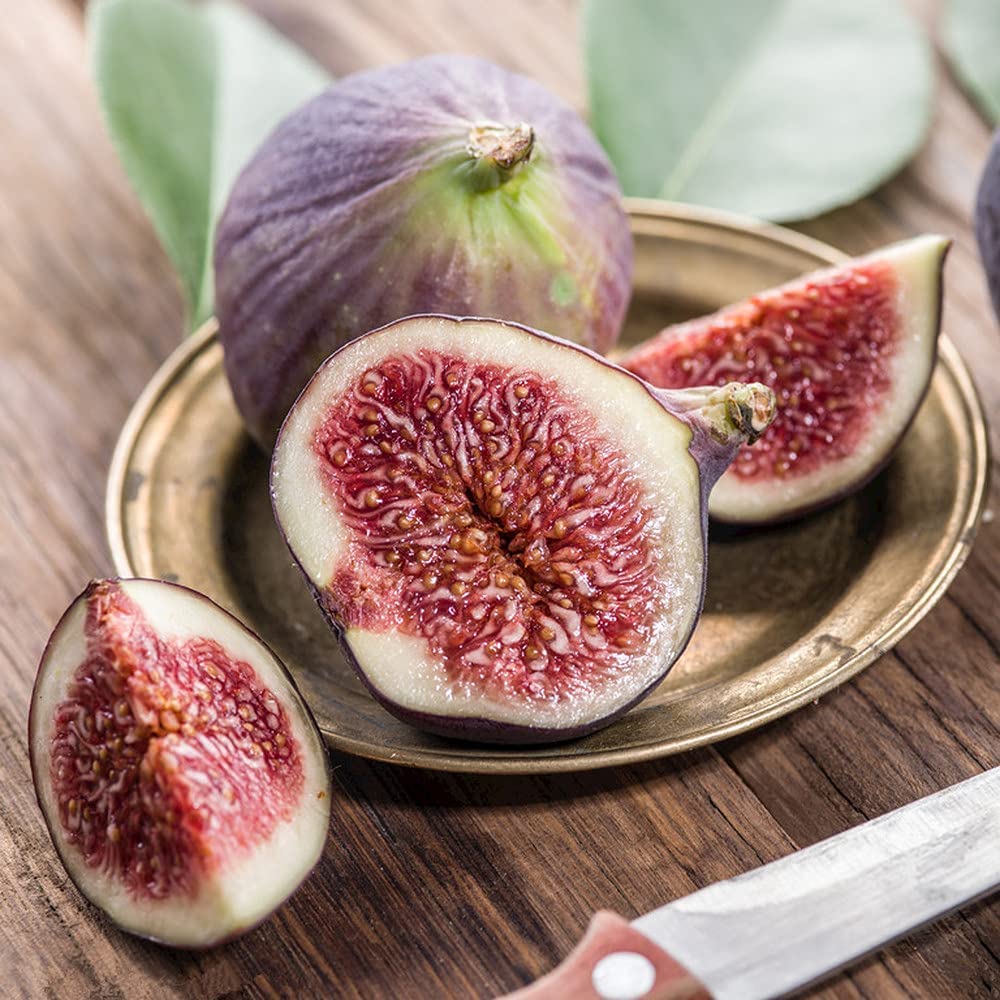
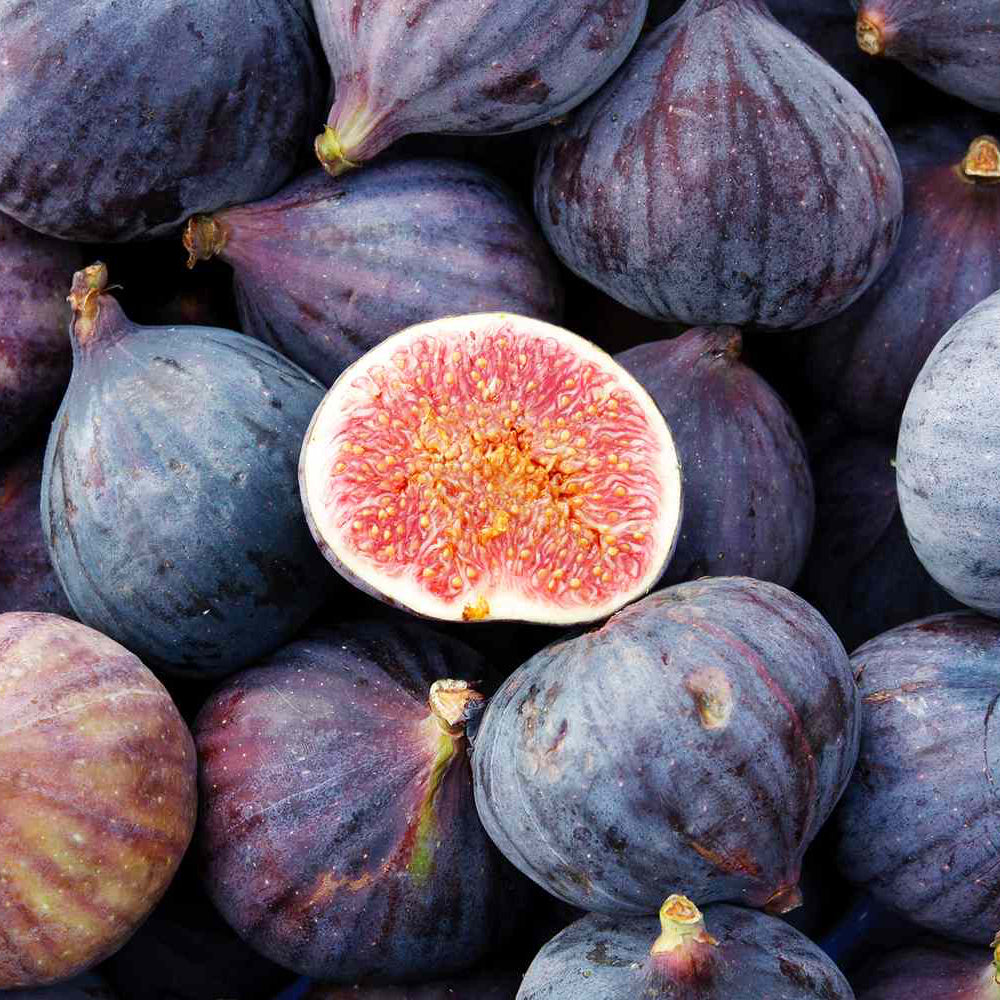
Unlike many traditional fruit trees, common fig flowers develop inside the fig structure rather than forming showy external blossoms. Seed-grown figs can naturally vary in foliage, growth habit, and fruit characteristics. Their architectural leaves suit edible landscapes, Mediterranean gardens, cottage borders, courtyard plantings, and informal backyard orchards.
Plant Care Insights
Sunlight: Choose a warm location receiving abundant direct sunlight.
Soil: Plant in fertile, well-draining soil with suitable organic matter.
Watering: Keep young plants consistently moist while avoiding waterlogged conditions.
Companion Plants: Consider lavender, thyme, rosemary, or other Mediterranean-style companions.
Maintenance: Remove damaged or crossing branches and lightly prune when shaping is needed.
Frequently Asked Questions
How large can a mature fig tree become?
Mature size varies with genetics, climate, and pruning practices.
Many figs develop into spreading small trees or large shrubs.
Which climates are suitable for growing fig trees?
Figs generally thrive in regions with warm summers and relatively mild winters.
Cold tolerance can vary considerably among individual plants and varieties.
Do fig trees produce visible flowers?
Fig flowers are unusual because they develop inside a specialized structure.
Gardeners therefore do not see typical showy blossoms on the branches.
Which pests may occasionally affect fig trees?
Scale insects, mites, beetles, and other garden pests may occasionally appear.
Routine inspection helps gardeners identify developing pest problems early.
Shop By Category