


Red Clover Seeds for Planting – Rosy Blooms for a Romantic Meadow Garden
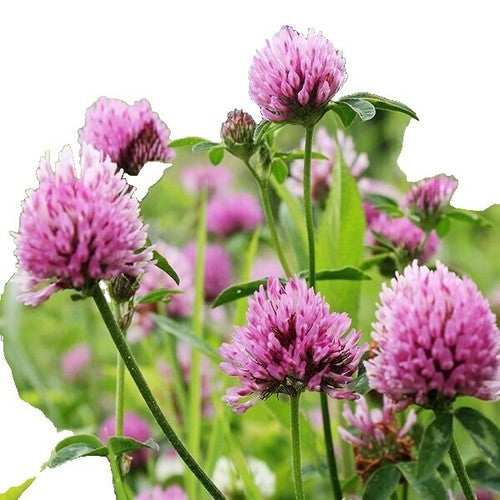
Red clover brings the gentle beauty of an old-fashioned meadow into the home landscape. Rounded flower heads rise above familiar three-part leaves, creating soft touches of rosy color among grasses and neighboring flowers. Its naturally informal growth feels perfectly suited to cottage-inspired spaces where plants mingle freely and the garden carries a relaxed countryside character.
Red Clover Seeds from Evergrow Seeds are available at evergrowseeds.com for US home gardeners interested in adding a flowering legume to meadow-inspired landscapes, pollinator-friendly areas, and informal garden spaces. Red clover, botanically known as Trifolium pratense, is also commonly used as a cover crop because, like other legumes, it can contribute biologically fixed nitrogen to suitable cropping systems.
Browse Our Red Clover Seeds
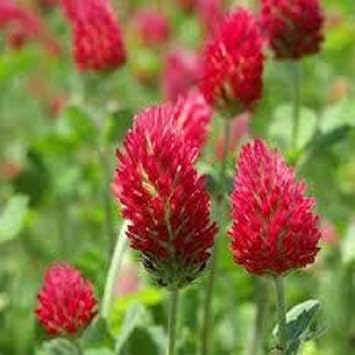
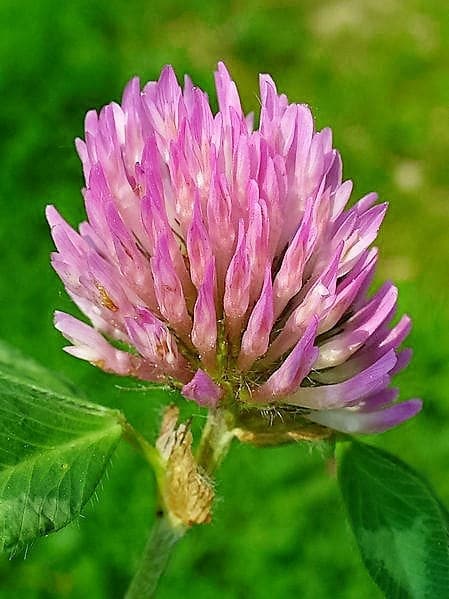
Despite its common name, red clover typically produces rounded flower heads in shades of rosy pink, pinkish-purple, magenta, reddish-pink, or soft purple rather than a pure bright red. Individual flower color can vary according to genetics and growing conditions.
Its trifoliate green foliage forms a soft leafy backdrop beneath the flowers. Red clover can be incorporated into meadow-style plantings, pollinator areas, cover-crop spaces, and informal garden sections where its natural growth habit complements grasses and compatible wildflowers.
Plant Care Insights
Sunlight
Red clover generally performs best in full sun but can tolerate some light partial shade.
Soil
Choose reasonably fertile, well-drained soil. Red clover can adapt to several soil textures when drainage and growing conditions are appropriate.
Watering
Provide moderate moisture during establishment and adjust according to rainfall, temperatures, and local soil conditions.
Companion Plants
Red clover can grow with compatible grasses, wildflowers, and cover-crop species suited to similar soil and seasonal conditions.
Maintenance
Mowing or trimming can help manage plant height in appropriate landscape or cover-crop settings. Prevent unwanted seed formation where limiting natural reseeding is important.
Frequently Asked Questions
Can red clover grow across different US climates?
Red clover adapts to many temperate growing regions across the United States.
Seasonal performance varies according to local temperatures and winter conditions.
How large can mature red clover plants become?
Red clover develops leafy branching stems topped with rounded flower heads.
Final height and spread depend on variety and local growing conditions.
When does red clover typically produce flowers?
Red clover generally produces its distinctive blooms during mild seasonal weather.
Exact flowering periods vary according to region, climate, and plant maturity.
What pests may occasionally affect red clover plants?
Aphids, weevils, and other insects may occasionally appear on red clover.
Regular inspection helps gardeners identify potential pest activity early.
Shop By Category