
Lemongrass Seeds for Planting – Citrus-Scented Grace for a Cottage Herb Garden
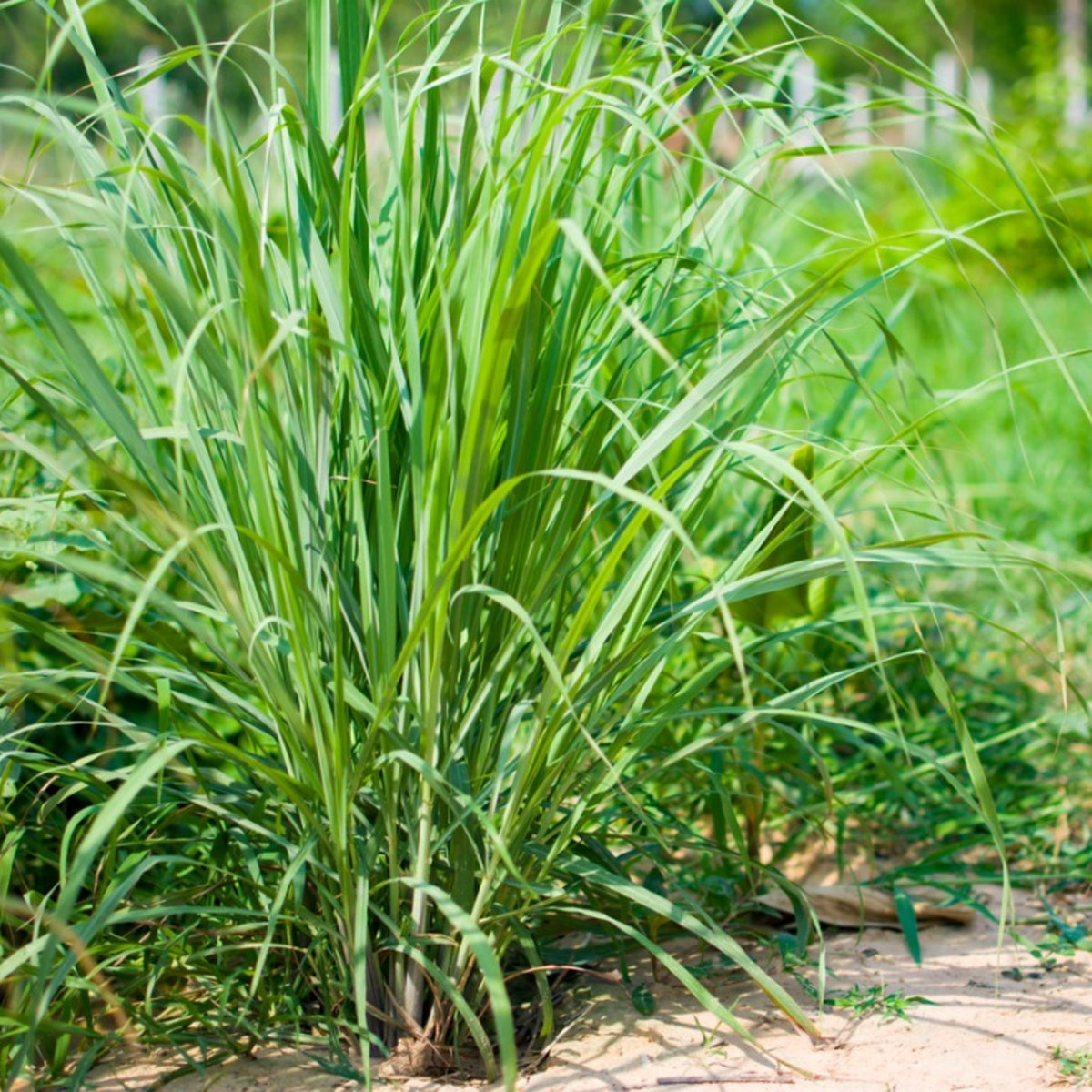
Lemongrass brings the gentle movement of ornamental grass together with the bright fragrance of a kitchen herb. Its slender, arching leaves form graceful green clumps that sway softly in the breeze, adding a touch of tropical warmth to relaxed cottage plantings and creating beautiful contrast beside smaller herbs and delicate flowers.
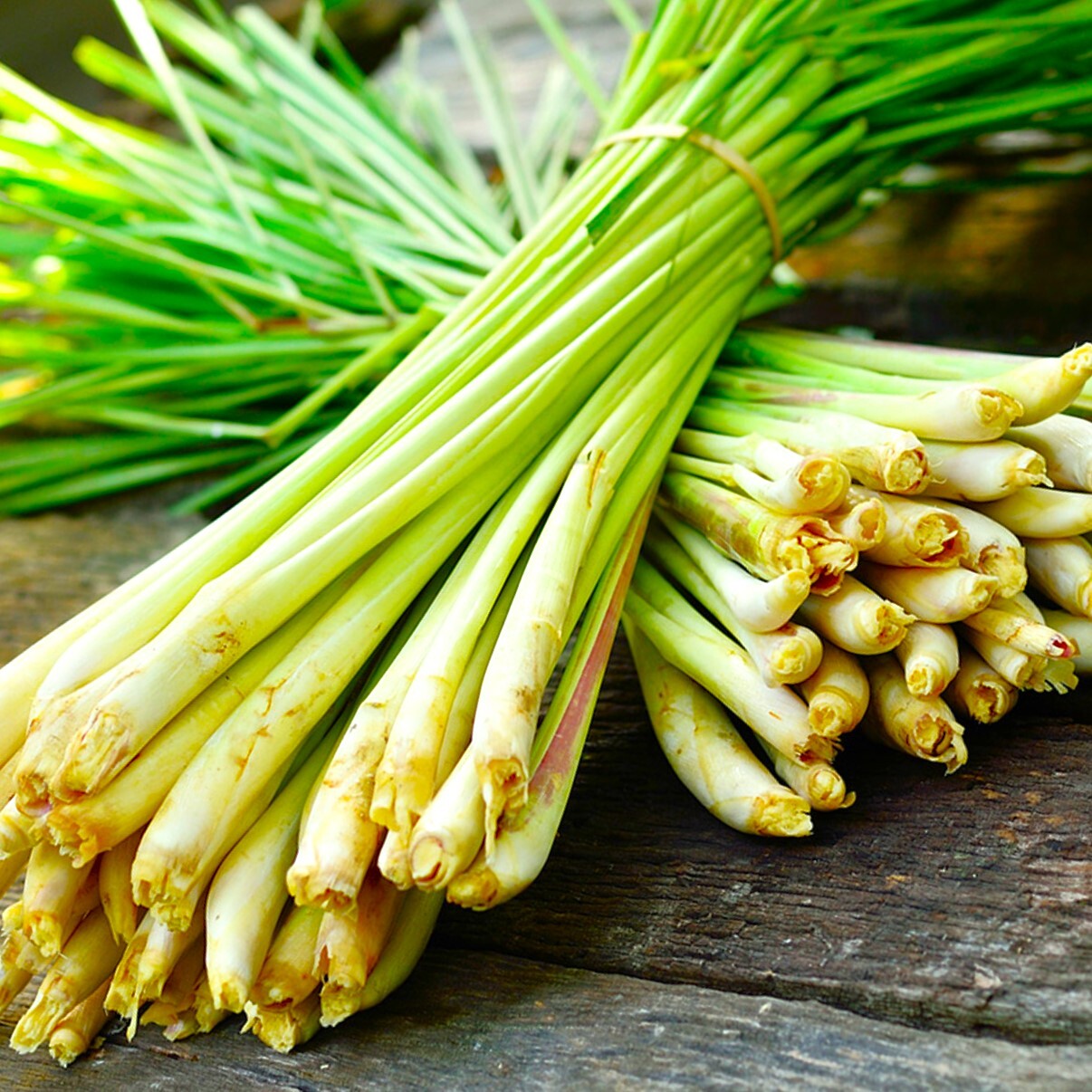
Lemongrass Seeds from Evergrow Seeds are available at evergrowseeds.com for US home gardeners seeking an aromatic culinary plant with attractive landscape character. Lemongrass can add height and texture to kitchen gardens, herb beds, edible landscapes, and tropical-inspired cottage plantings while providing fragrant stalks and foliage traditionally used in cooking.
Browse Our Lemongrass Seeds
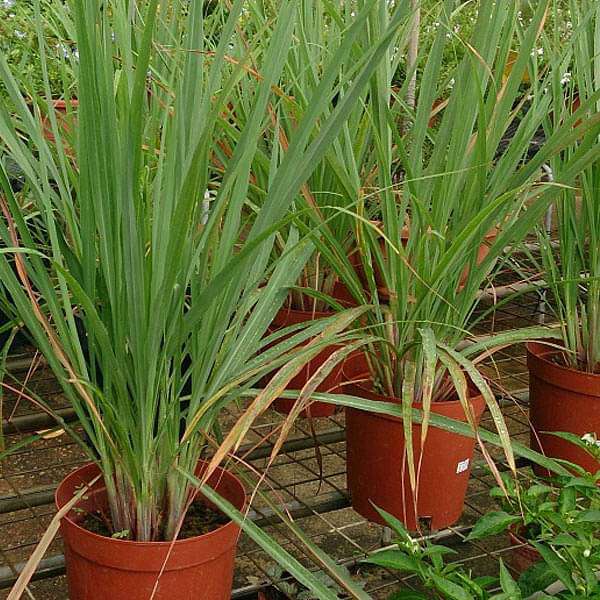
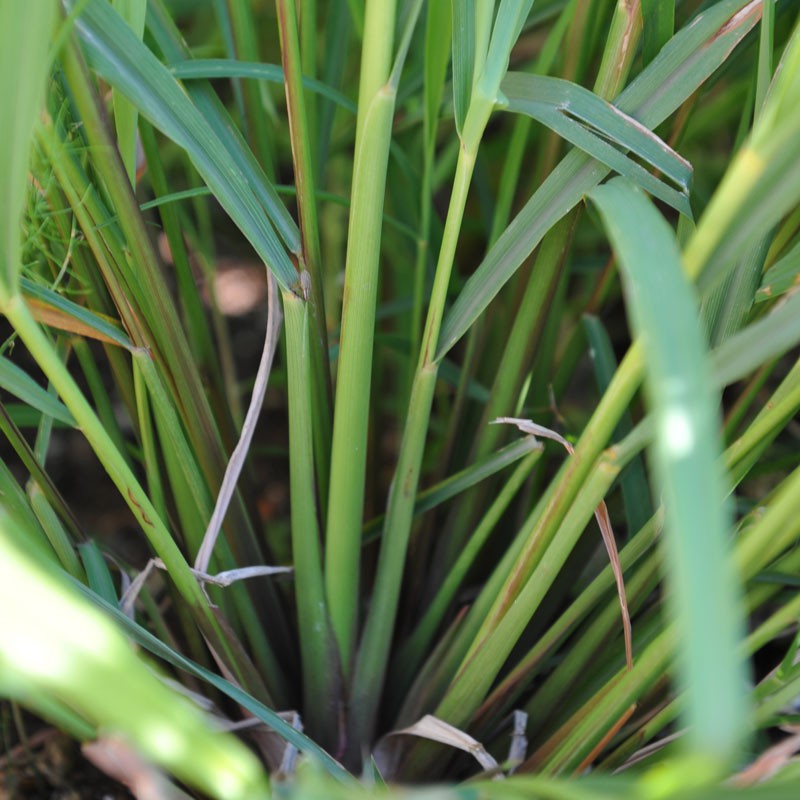
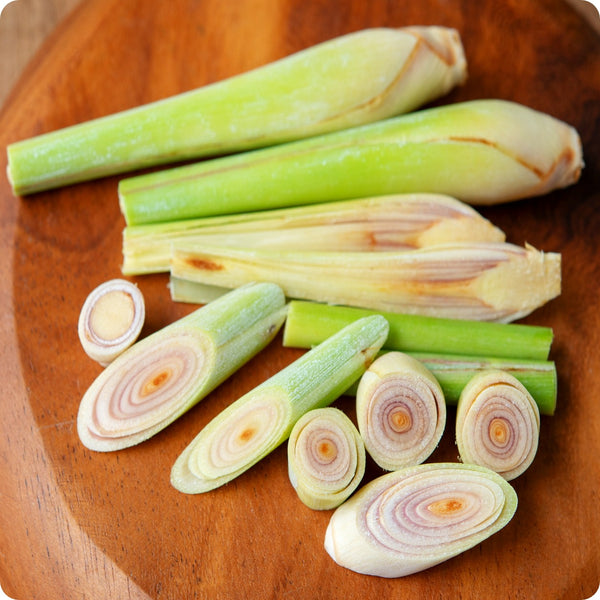
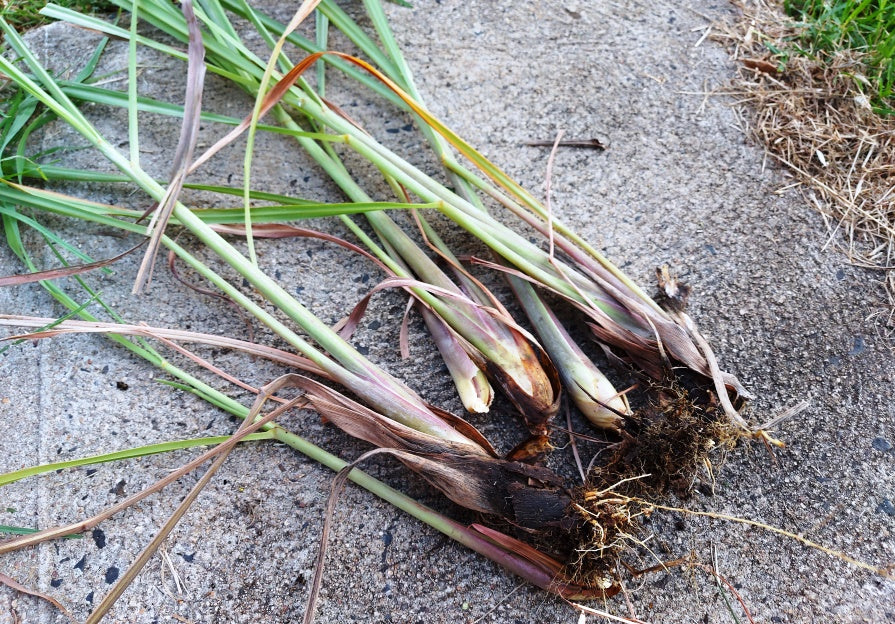
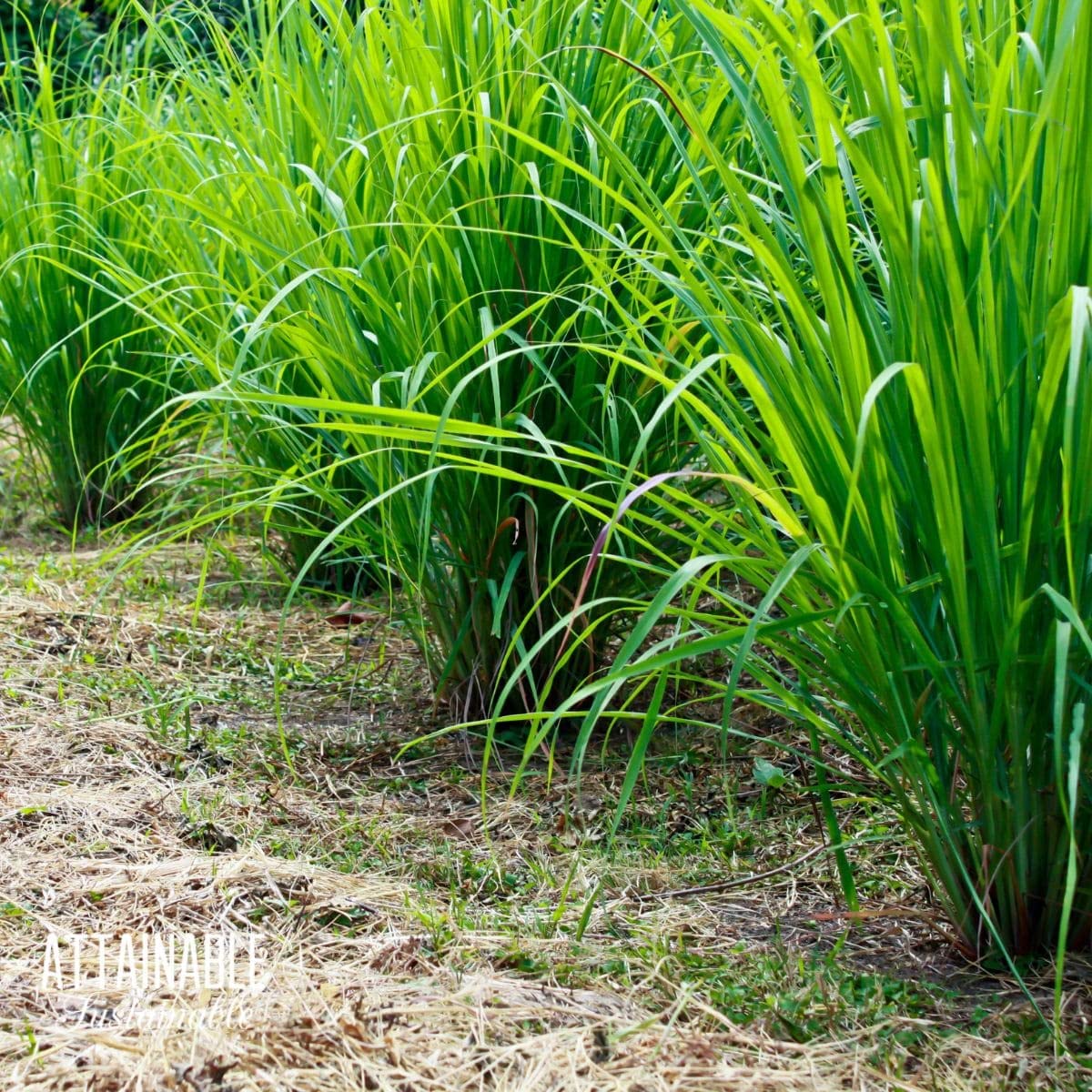
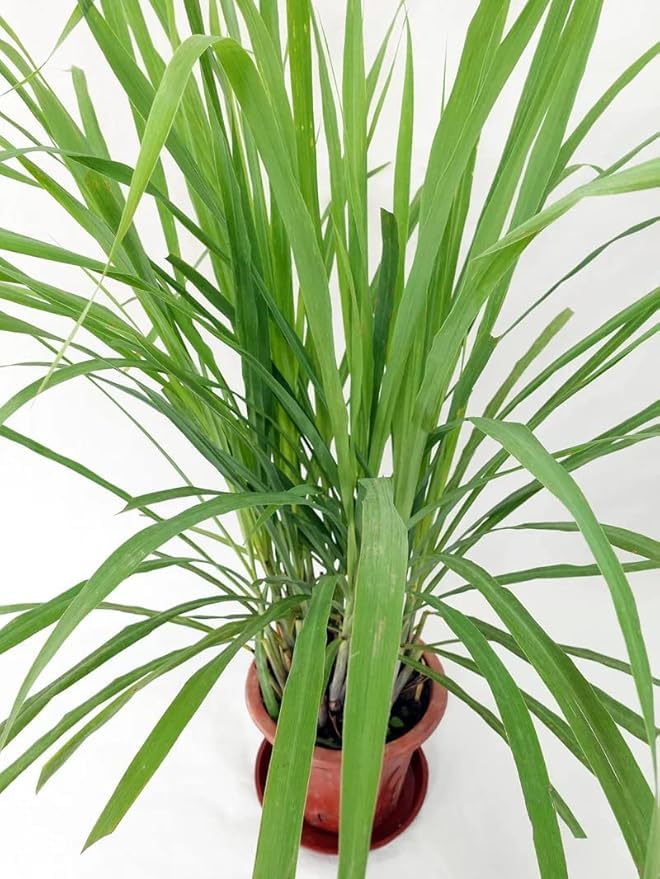
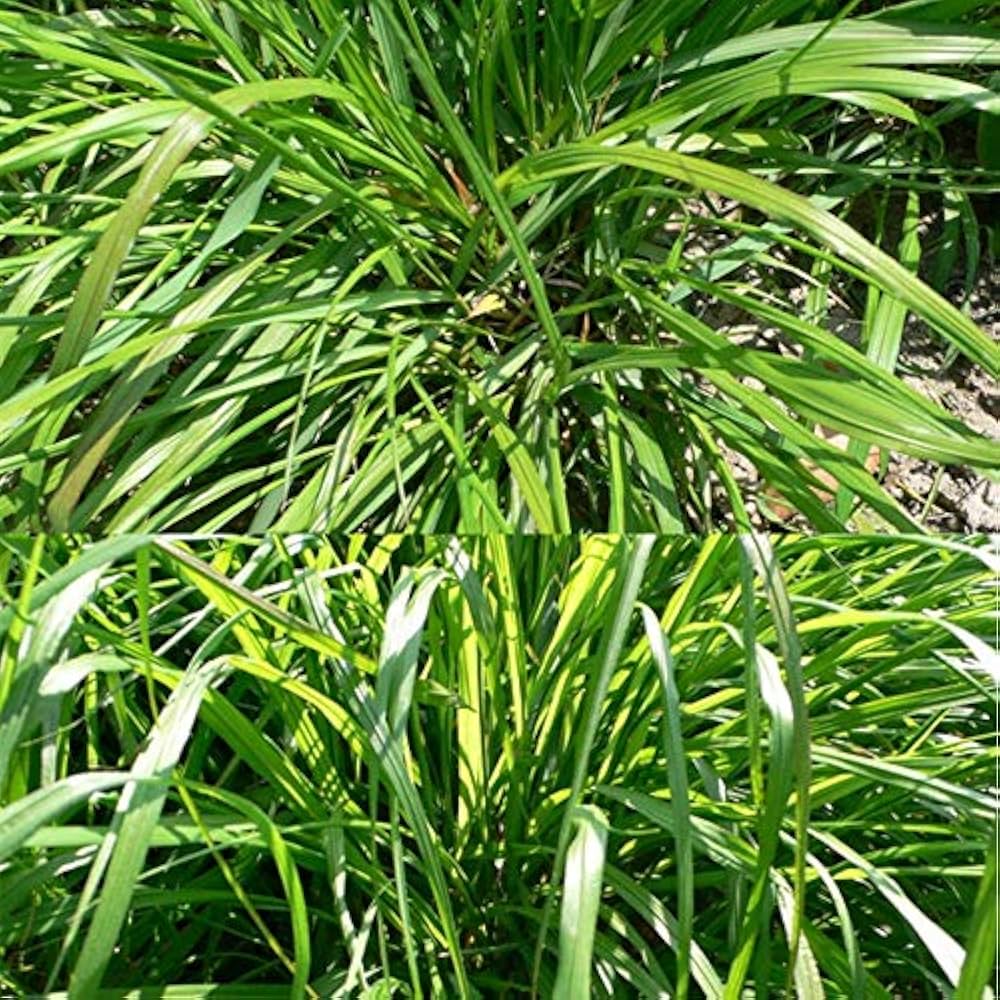
Lemongrass is primarily appreciated for its bright green to blue-green, narrow arching foliage and pale lower stalks. The dense, fountain-like clumps create an attractive grassy texture that contrasts beautifully with broad-leaved herbs and colorful cottage flowers.
Mature lemongrass can occasionally produce understated flowering structures in greenish, creamy, tan, or pale brown tones, although flowering may be uncommon in some cultivated conditions. Its graceful foliage makes lemongrass especially useful for adding vertical texture to herb gardens, edible landscapes, informal borders, and warm-climate plantings.
Plant Care Insights
Sunlight
Lemongrass generally prefers full sun, where bright conditions support vigorous, upright foliage.
Soil
Choose fertile, well-drained soil with suitable organic matter to support strong clumping growth.
Watering
Maintain reasonably consistent soil moisture during active growth while allowing excess water to drain freely.
Companion Plants
Lemongrass can grow alongside compatible basil, thyme, marigolds, and other warm-season herbs and flowers with similar requirements.
Maintenance
Remove dry or damaged leaves when necessary and trim older foliage to maintain a tidy clump. Allow sufficient room for plants to broaden as they mature.
Frequently Asked Questions
Can lemongrass grow across different US climates?
Lemongrass thrives in warm conditions and is sensitive to freezing temperatures.
Colder US regions generally grow it as a seasonal garden plant.
How large can mature lemongrass plants become?
Lemongrass develops into substantial clumps of tall, arching grassy foliage.
Final height and spread depend on climate and local garden conditions.
Should lemongrass plants be pruned regularly?
Removing dry or damaged leaves helps maintain a neat garden appearance.
Older clumps can be trimmed when seasonal growth becomes untidy.
What pests may occasionally affect lemongrass plants?
Spider mites and other small pests may occasionally affect lemongrass foliage.
Routine inspection helps gardeners identify potential pest activity early.
Shop By Category