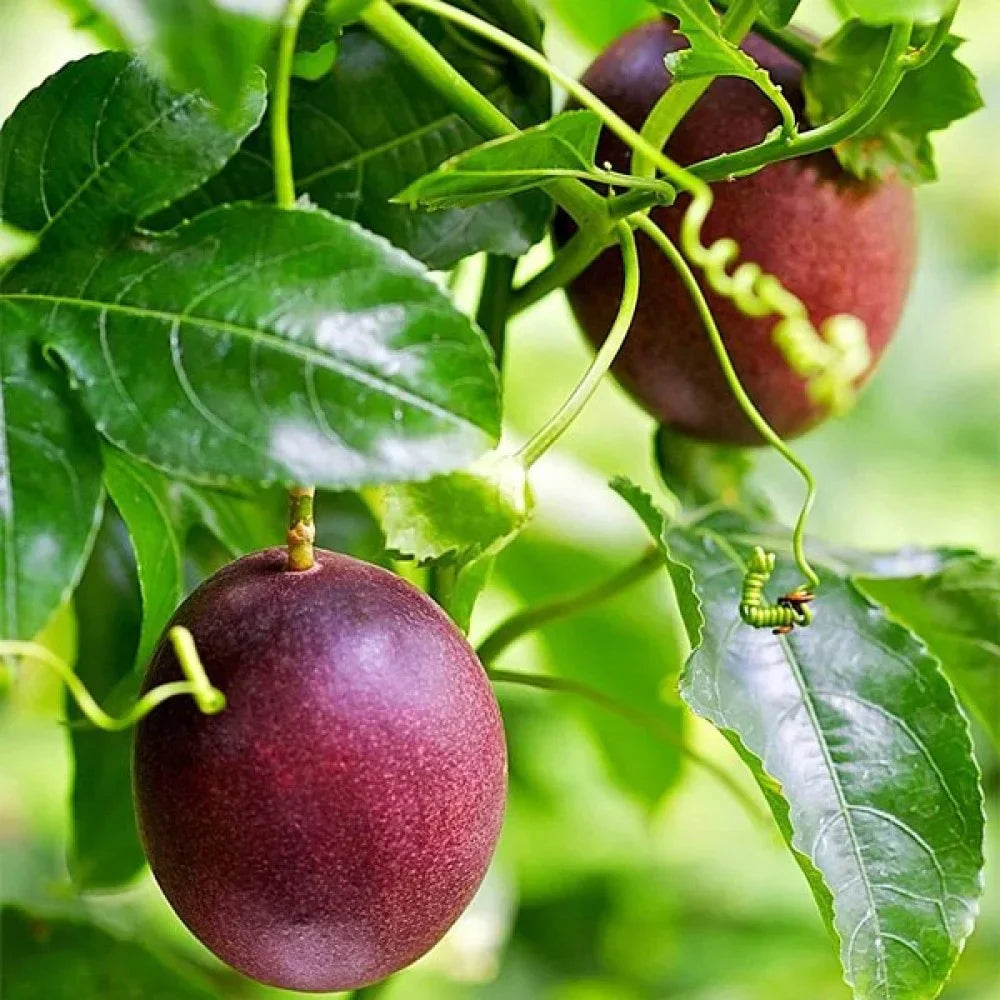
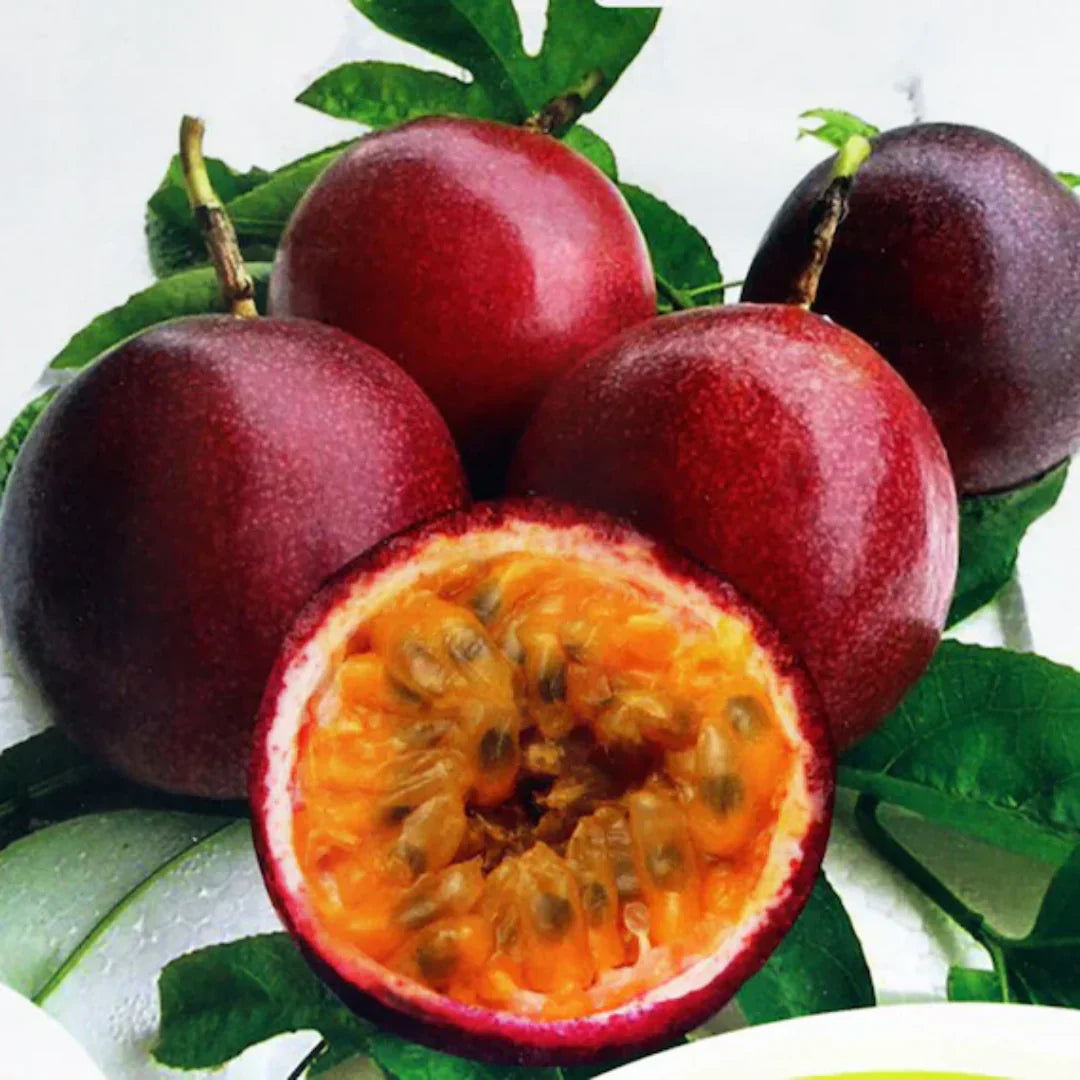
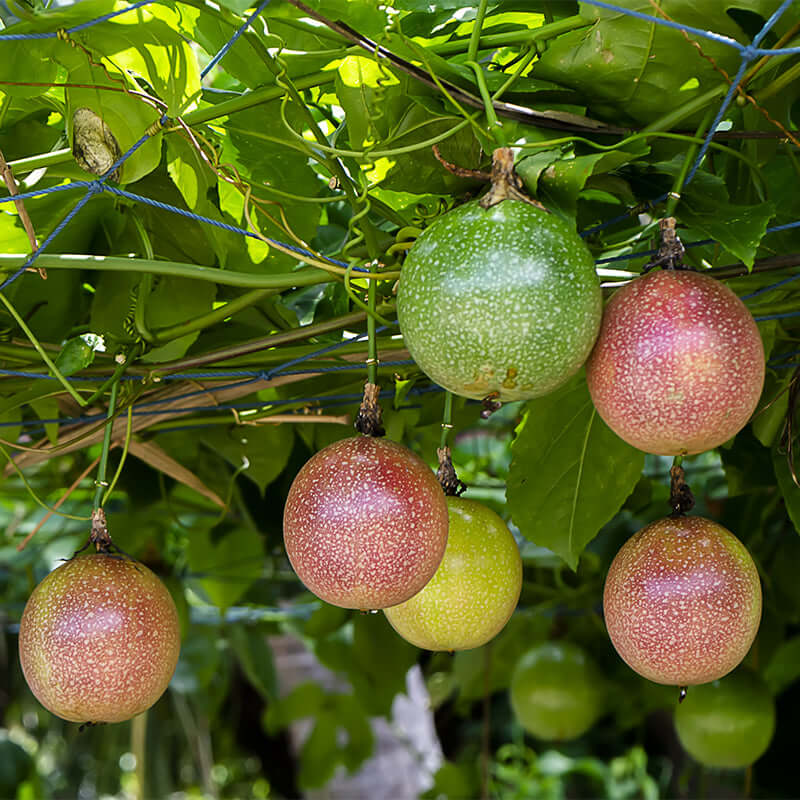
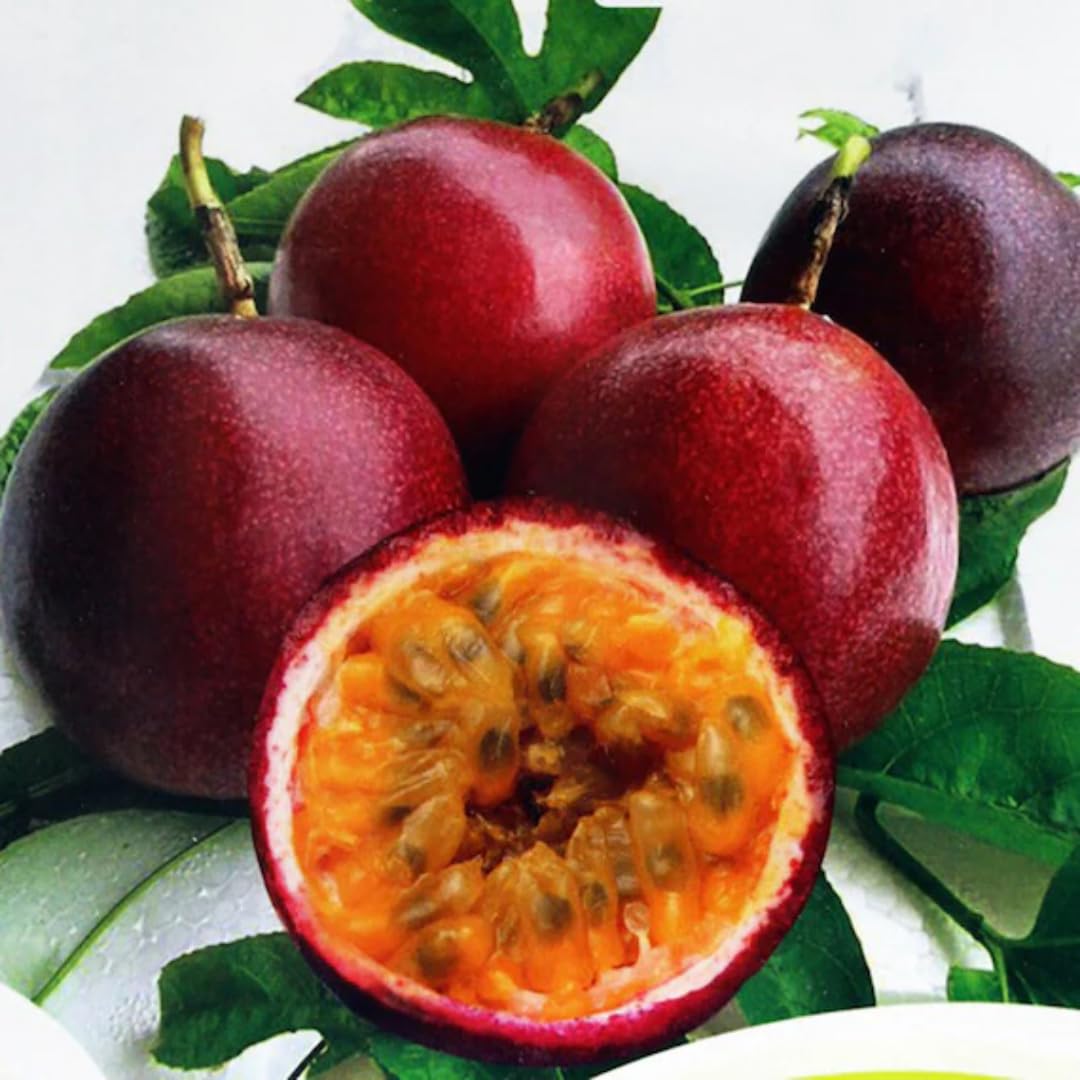
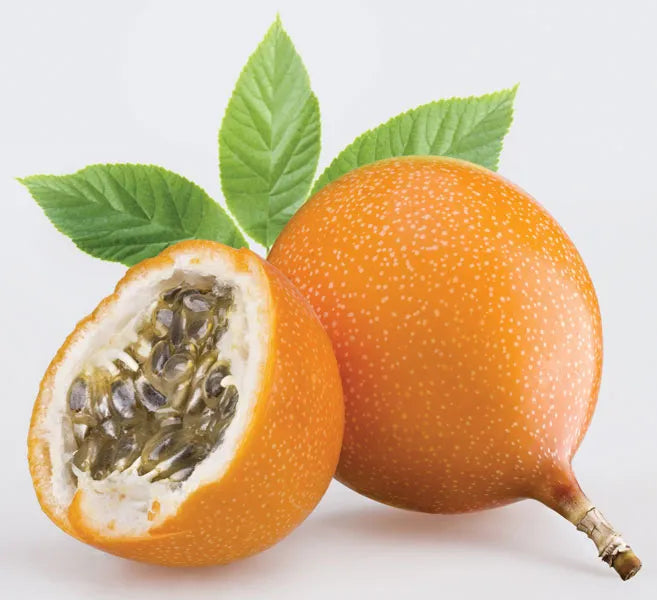
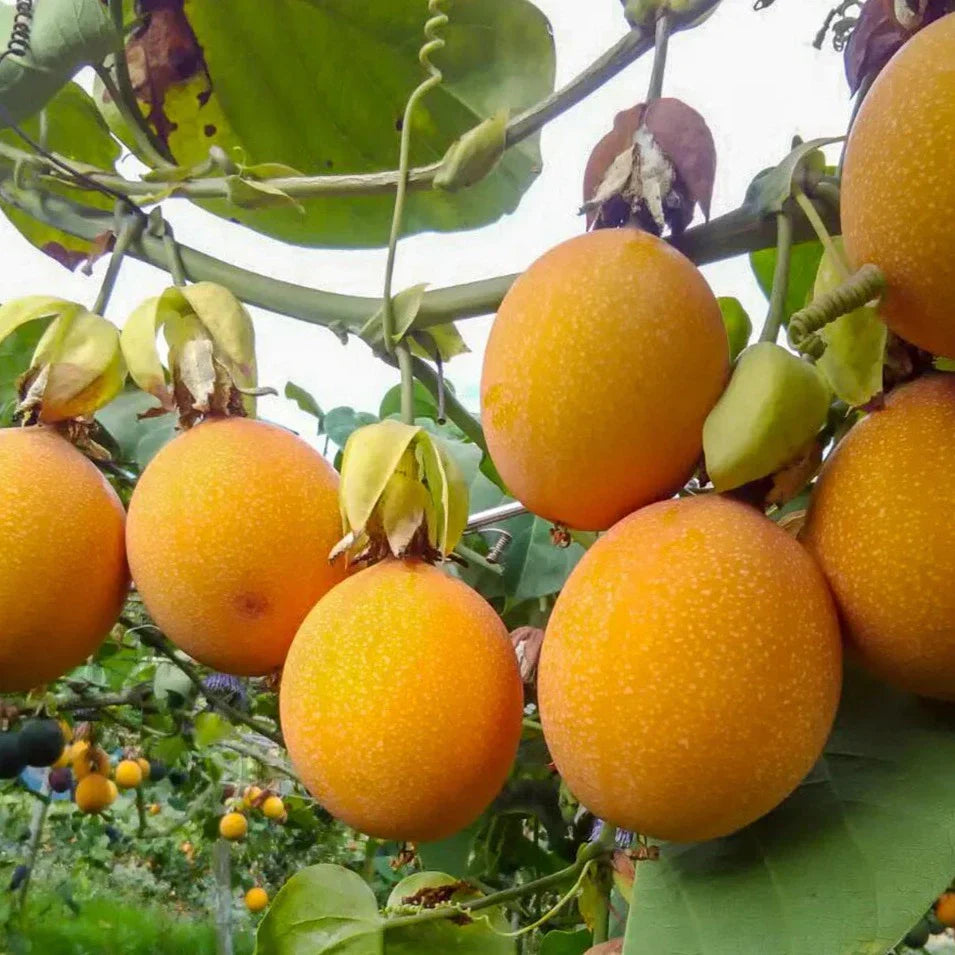
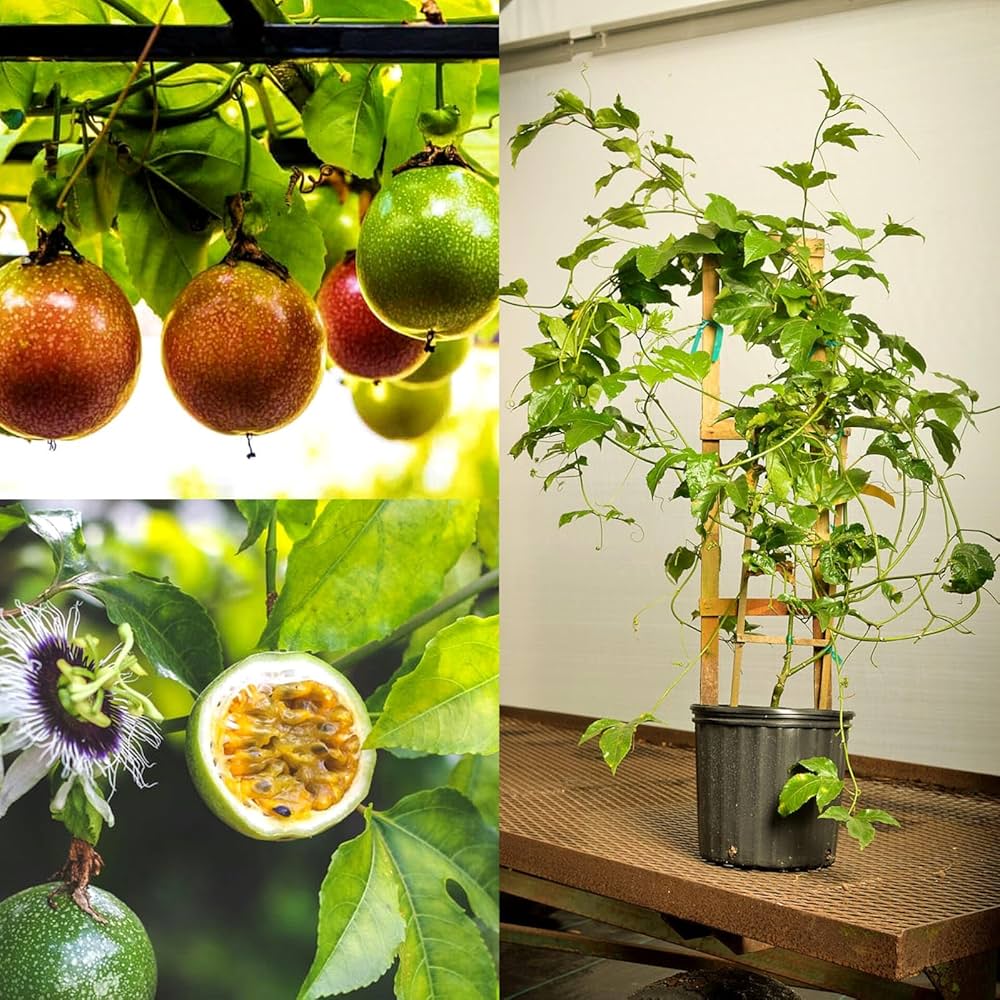
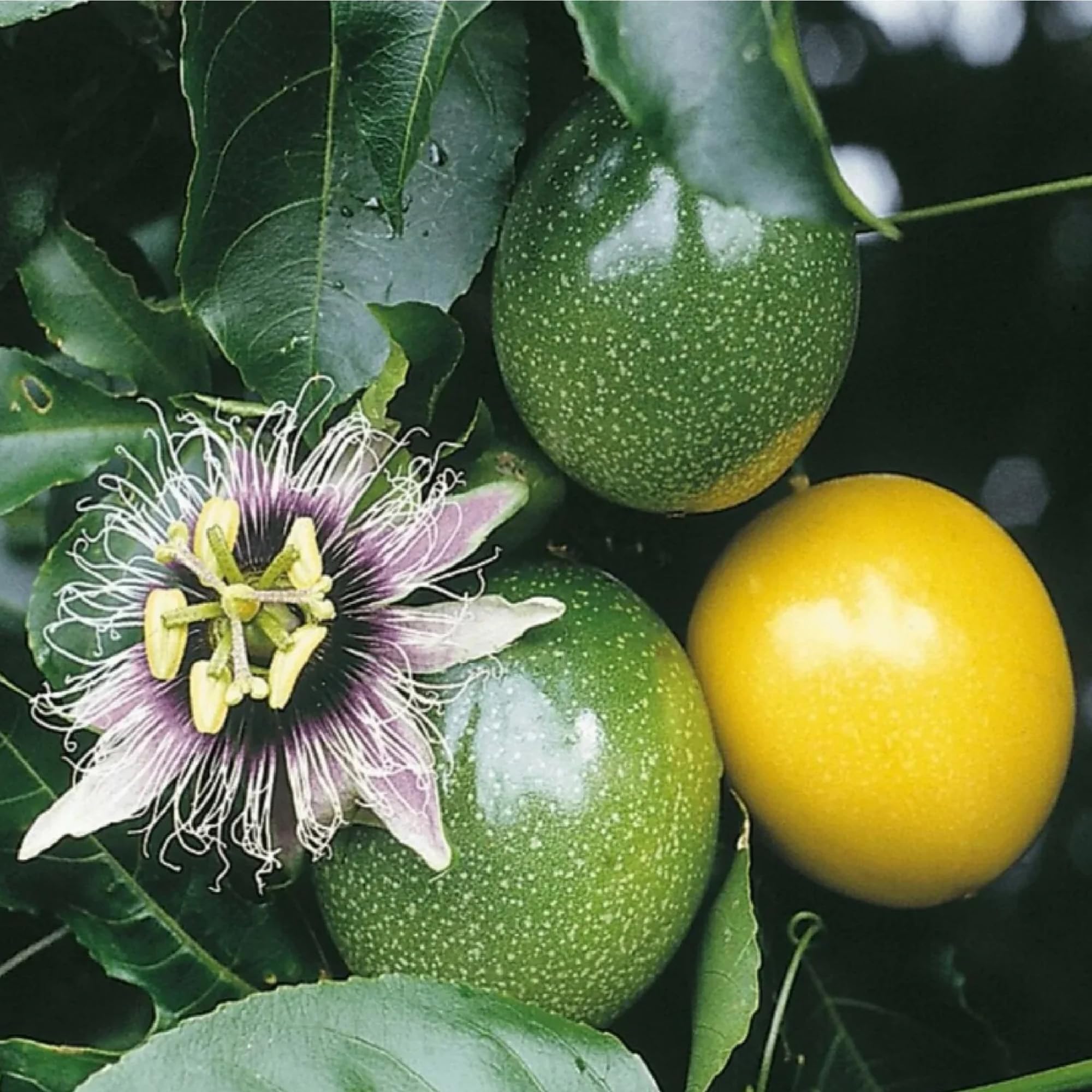
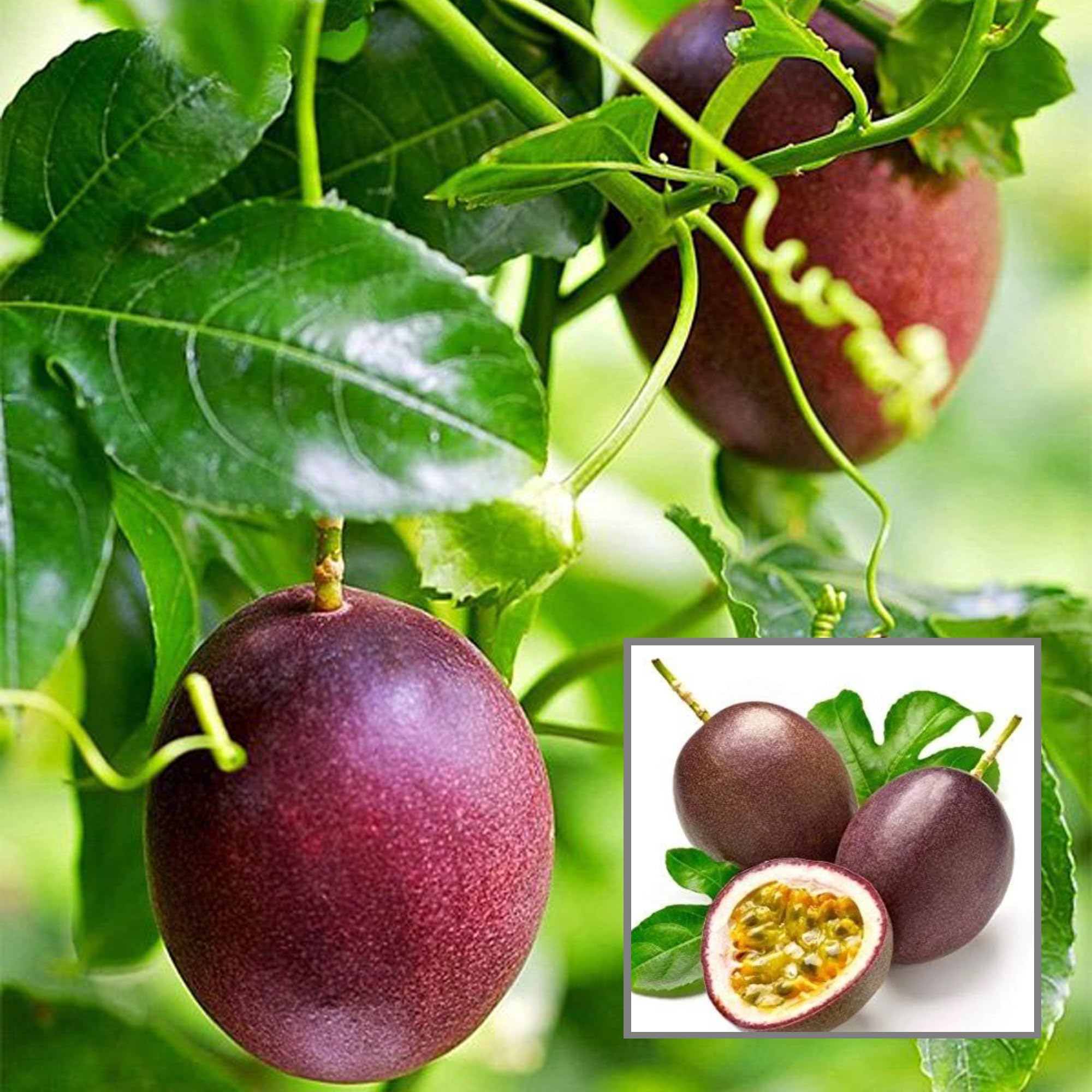
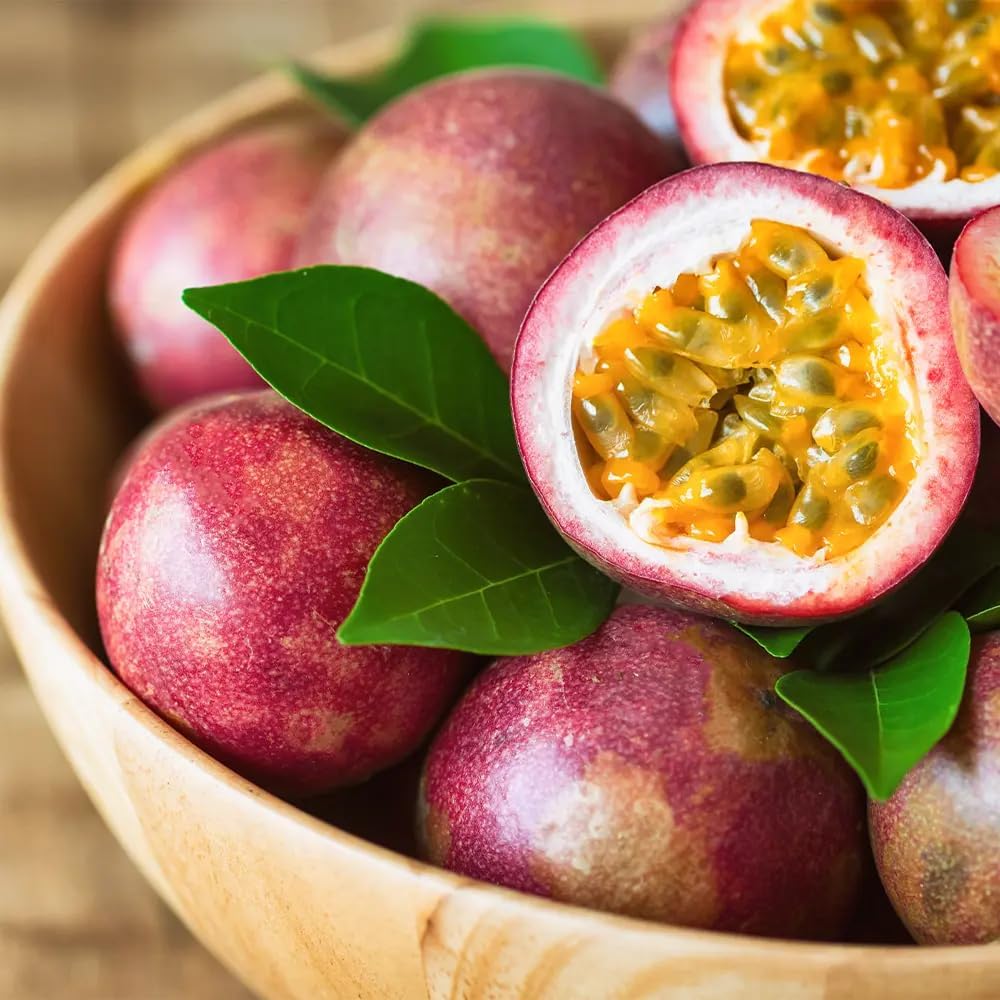
Edulis Fruit Seeds – Exotic Garden Charm for Home Growers
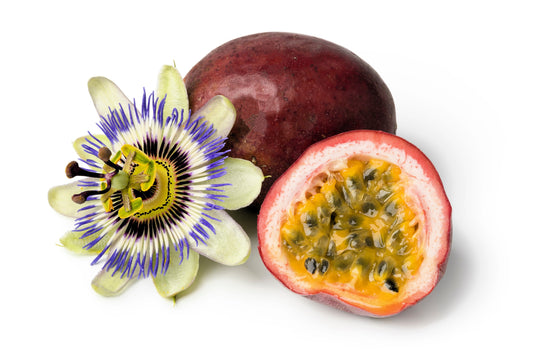
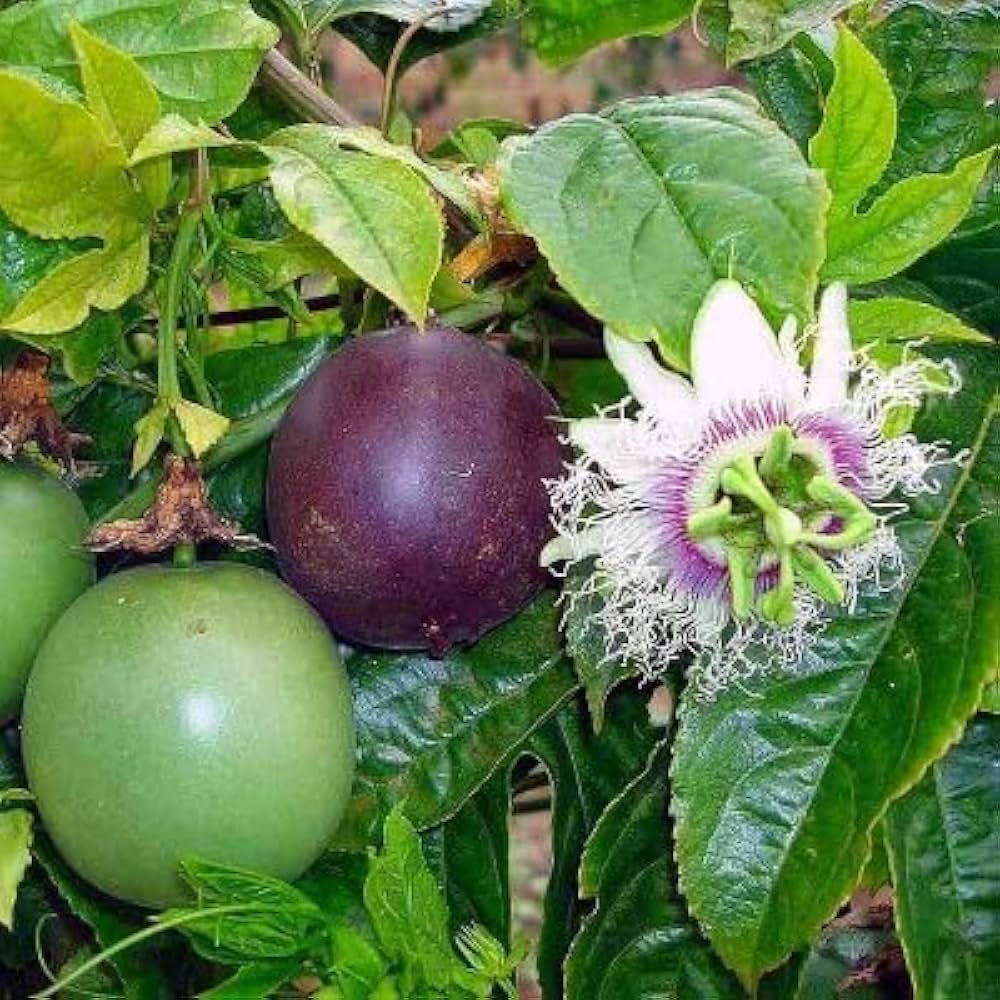
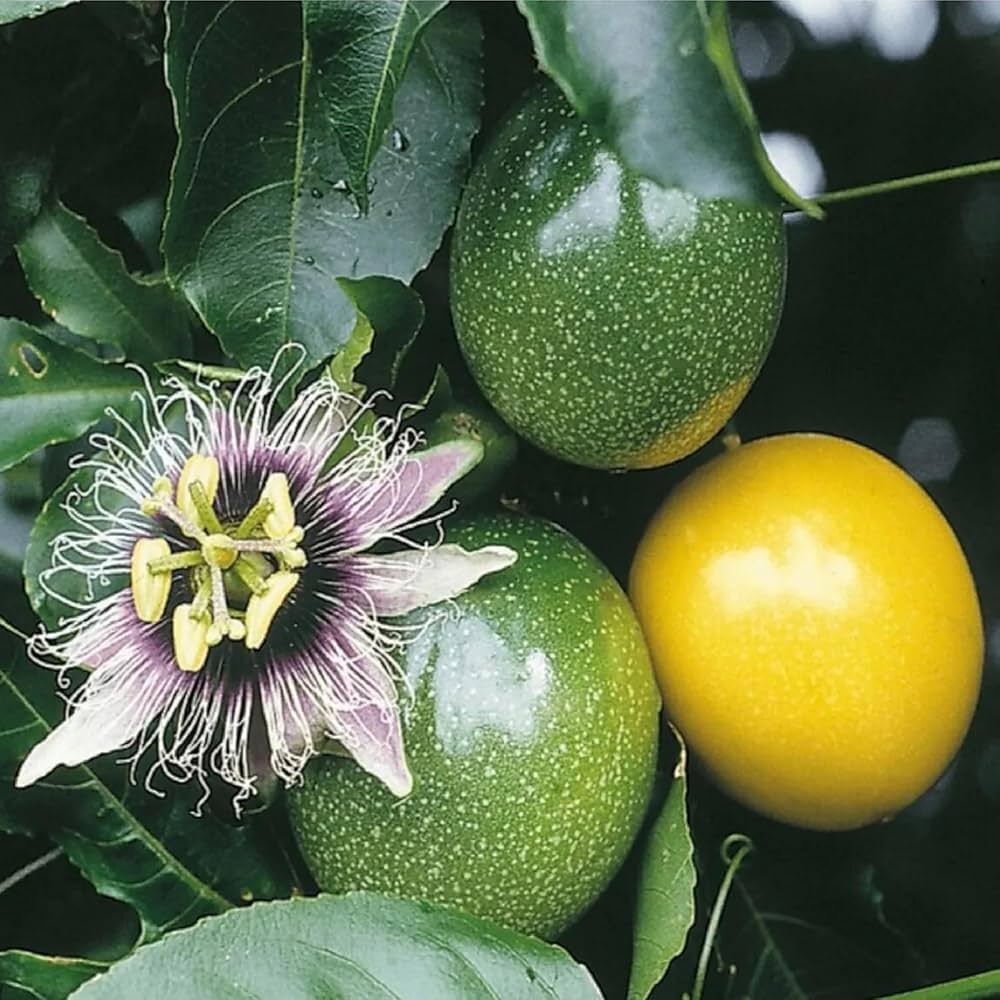
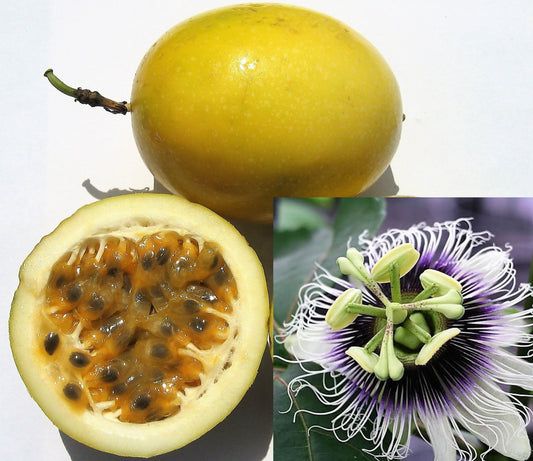
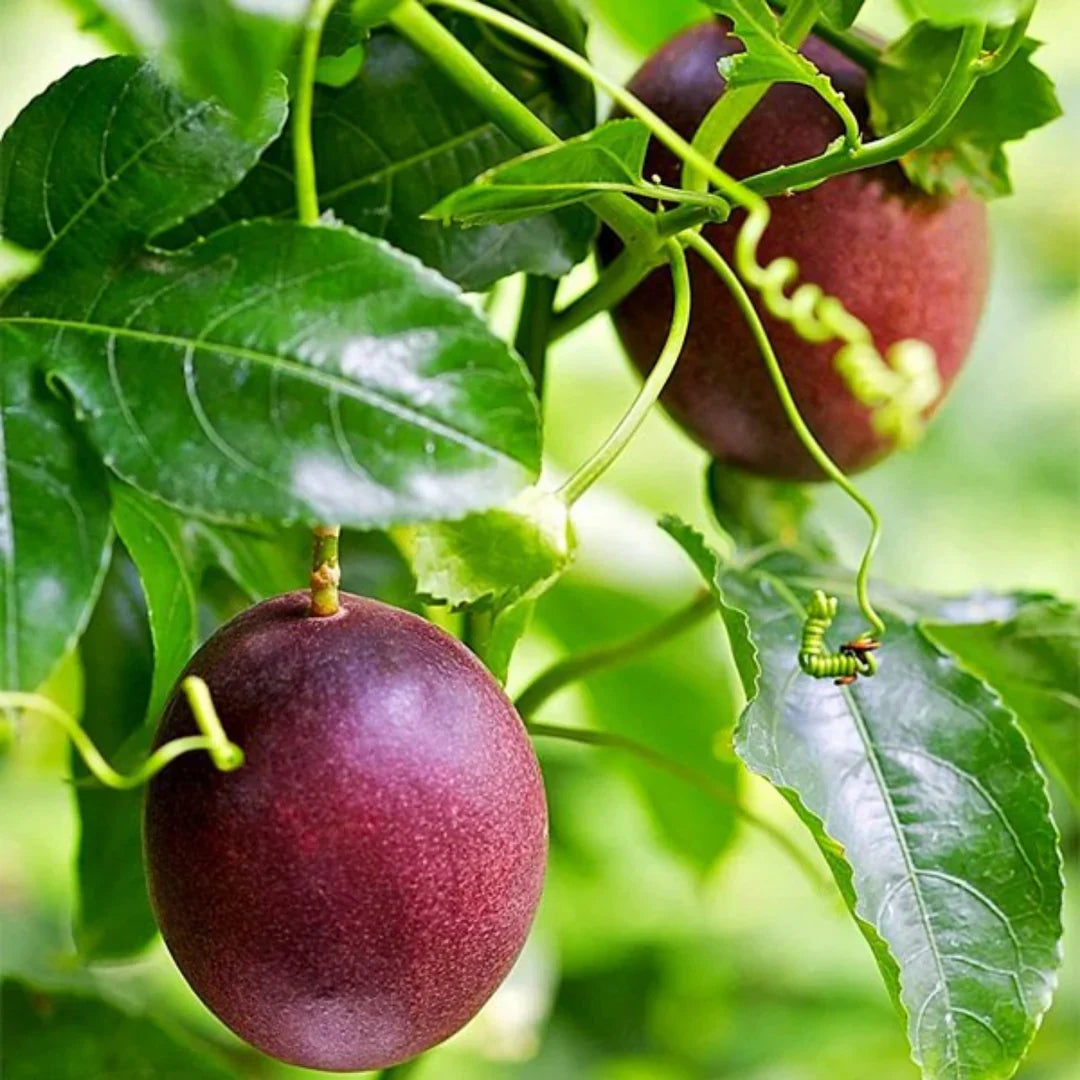
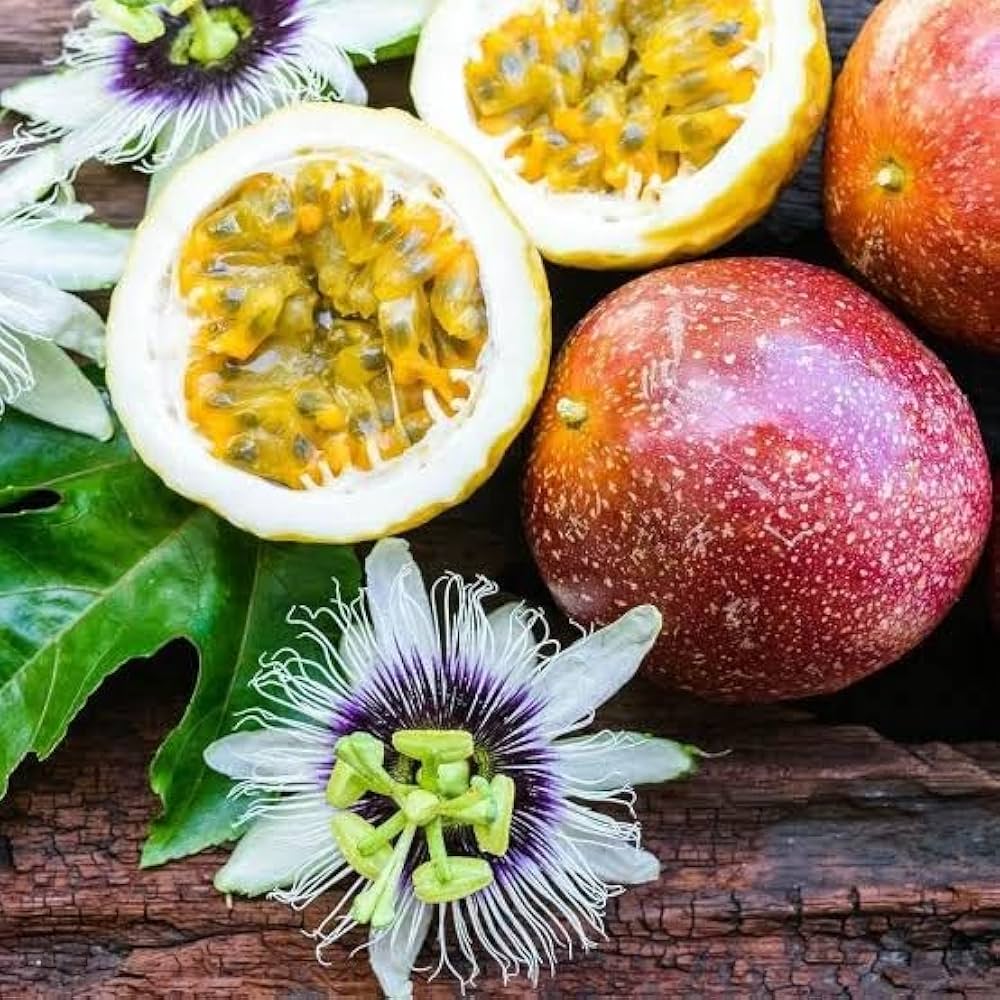
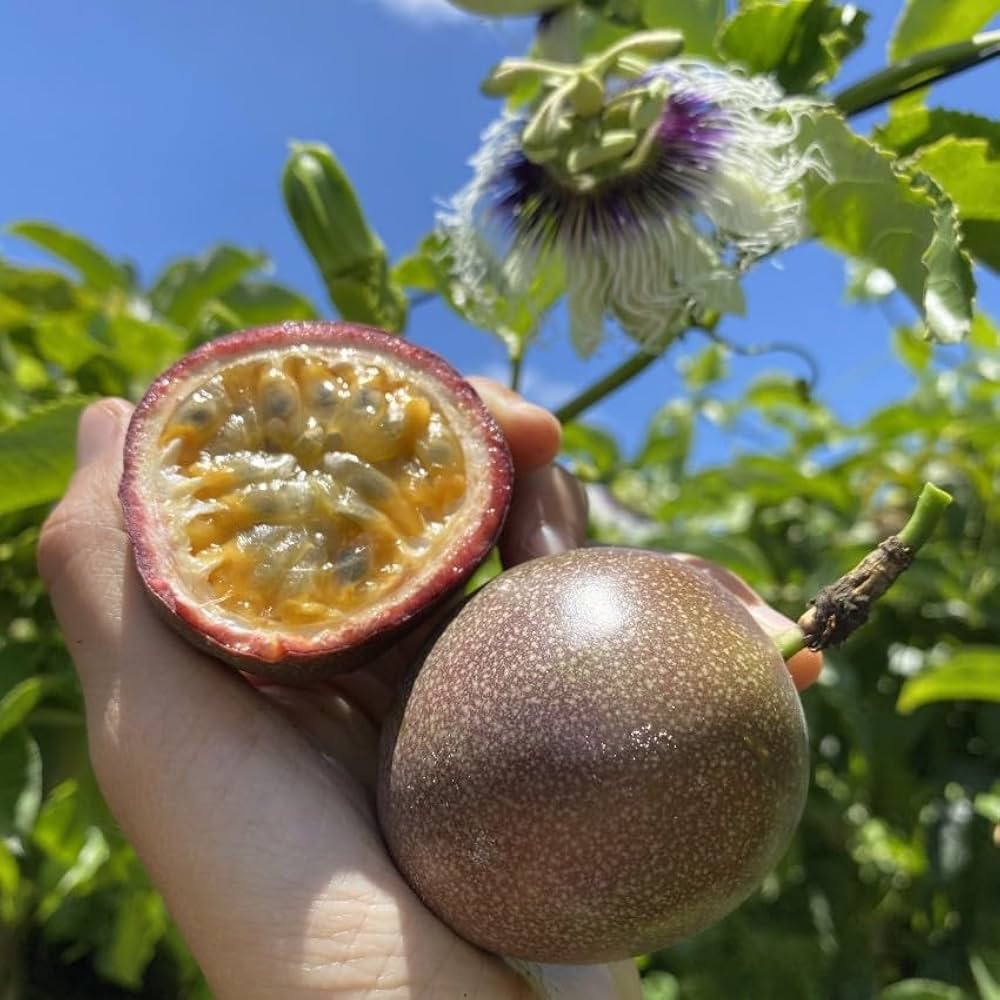
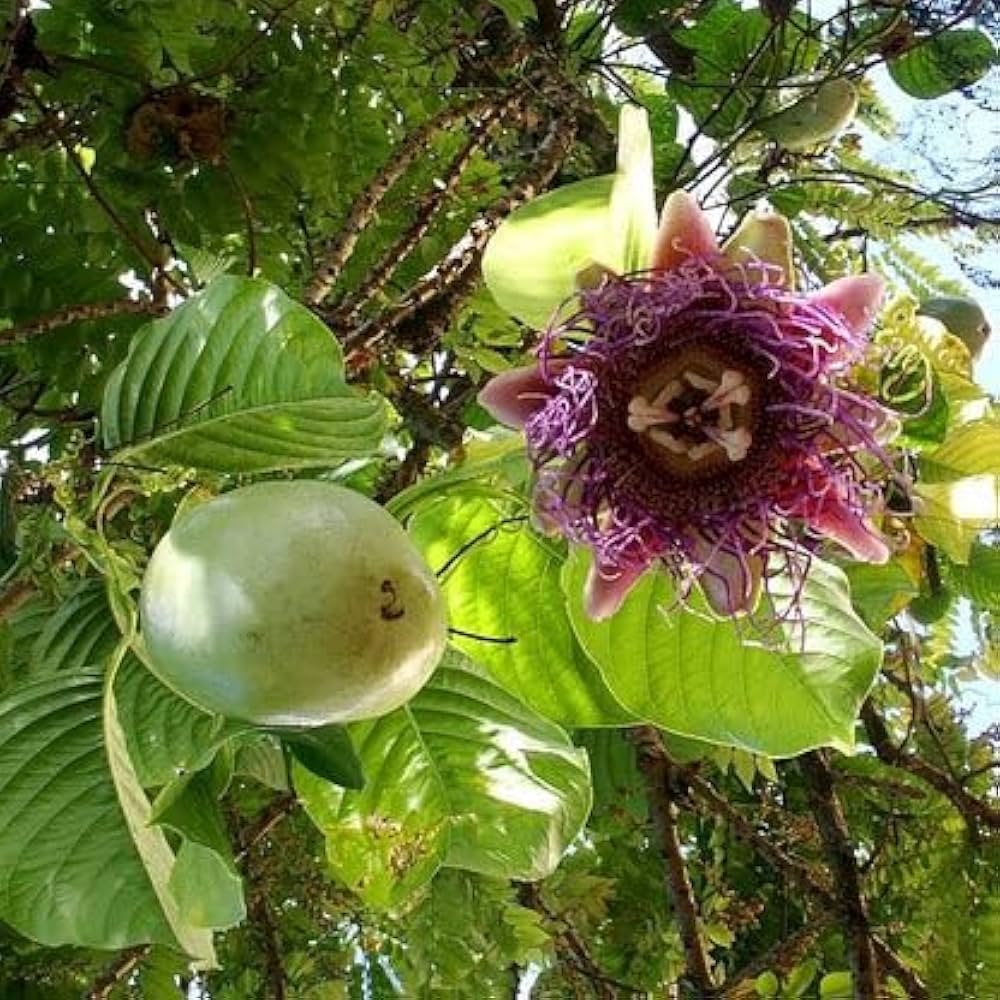
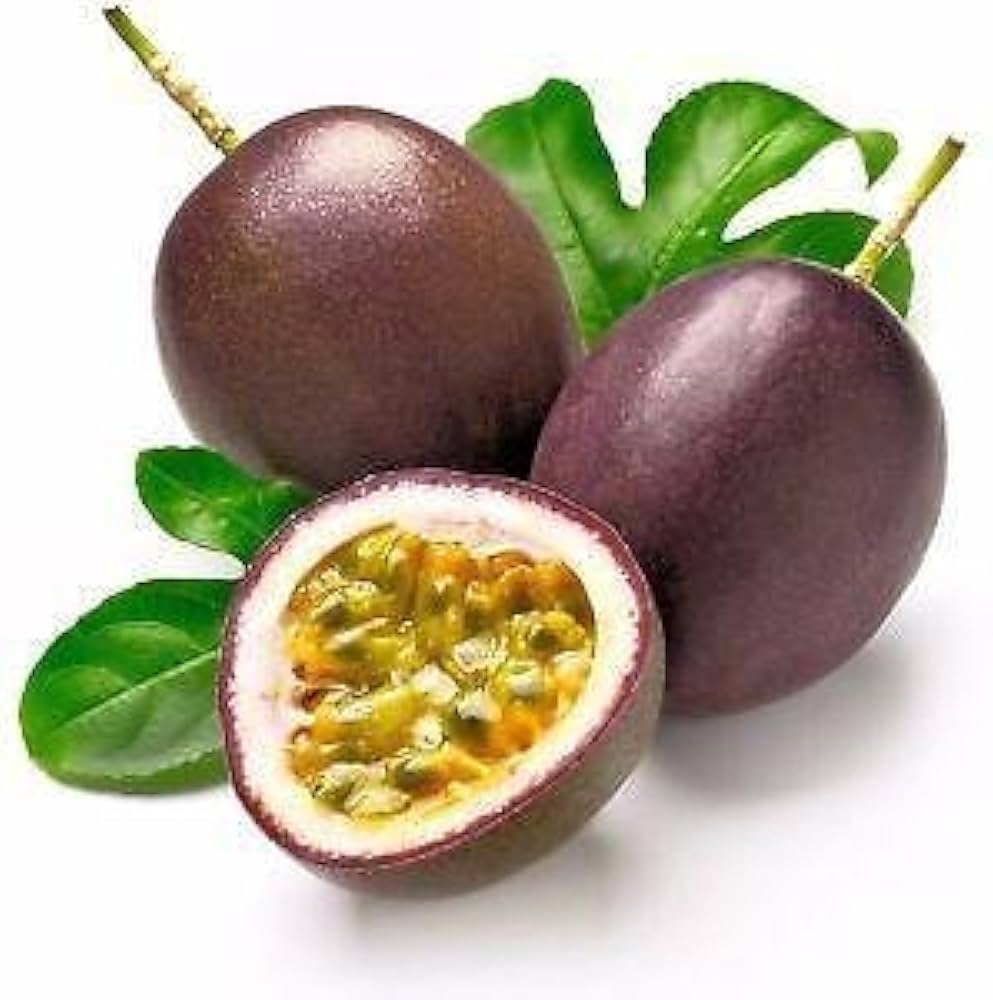
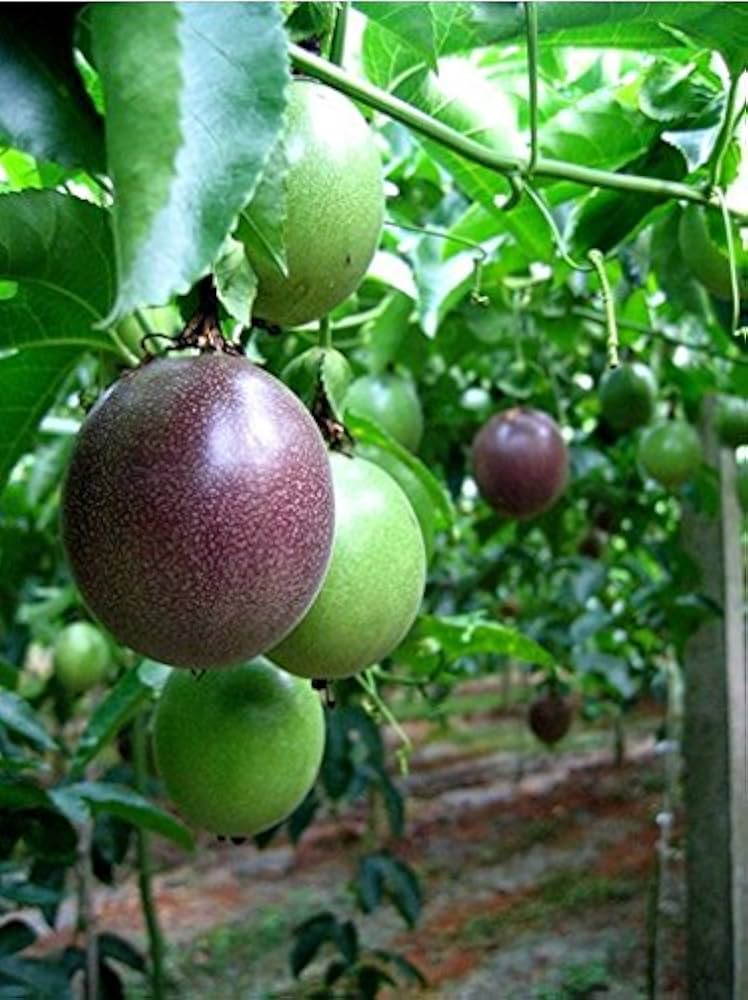
Edulis Fruit brings a sense of botanical discovery to the home garden, combining attractive foliage with the promise of distinctive fruit. Set among herbs, flowers, and traditional edible plants, its natural form can contribute beautifully to the relaxed abundance of a cottage-inspired garden.
Edulis Fruit Seeds are available from Evergrow Seeds at evergrowseeds.com, offering curious gardeners an interesting addition to edible landscapes, mixed fruit plantings, and thoughtfully arranged backyard gardens.
Browse Our Edulis Fruit Seeds
“Edulis” is used in the botanical names of many different edible plant species rather than identifying one specific fruit. Flower colors, fruit appearance, mature form, and garden uses therefore depend on the exact botanical species supplied. Confirming the complete scientific name is important before describing specific colors or landscape characteristics.
Plant Care Insights
Sunlight: Determine appropriate exposure from the plant's complete botanical name.
Soil: Match soil type and drainage requirements to the identified species.
Watering: Maintain moisture according to the needs of the specific plant.
Companion Plants: Select companions that prefer similar climate and soil conditions.
Maintenance: Confirm the exact species before following pruning, training, or seasonal care practices.
Frequently Asked Questions
What climate is suitable for Edulis Fruit plants?
Climate needs depend entirely on the specific species involved.
The complete botanical name provides more accurate growing guidance.
How large can an Edulis Fruit plant become?
Mature height and spread vary widely among different species.
Identify the plant before planning its permanent garden position.
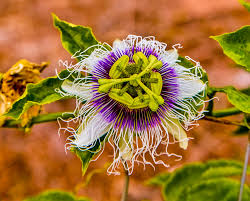
What flowers do Edulis Fruit plants produce?
Flower shape and color depend on the exact botanical species.
Some edulis species can differ dramatically in their flowering appearance.
Which pests may affect Edulis Fruit plants?
Potential pest concerns vary according to the identified species.
Correct identification helps gardeners choose appropriate monitoring practices.
Shop By Category