

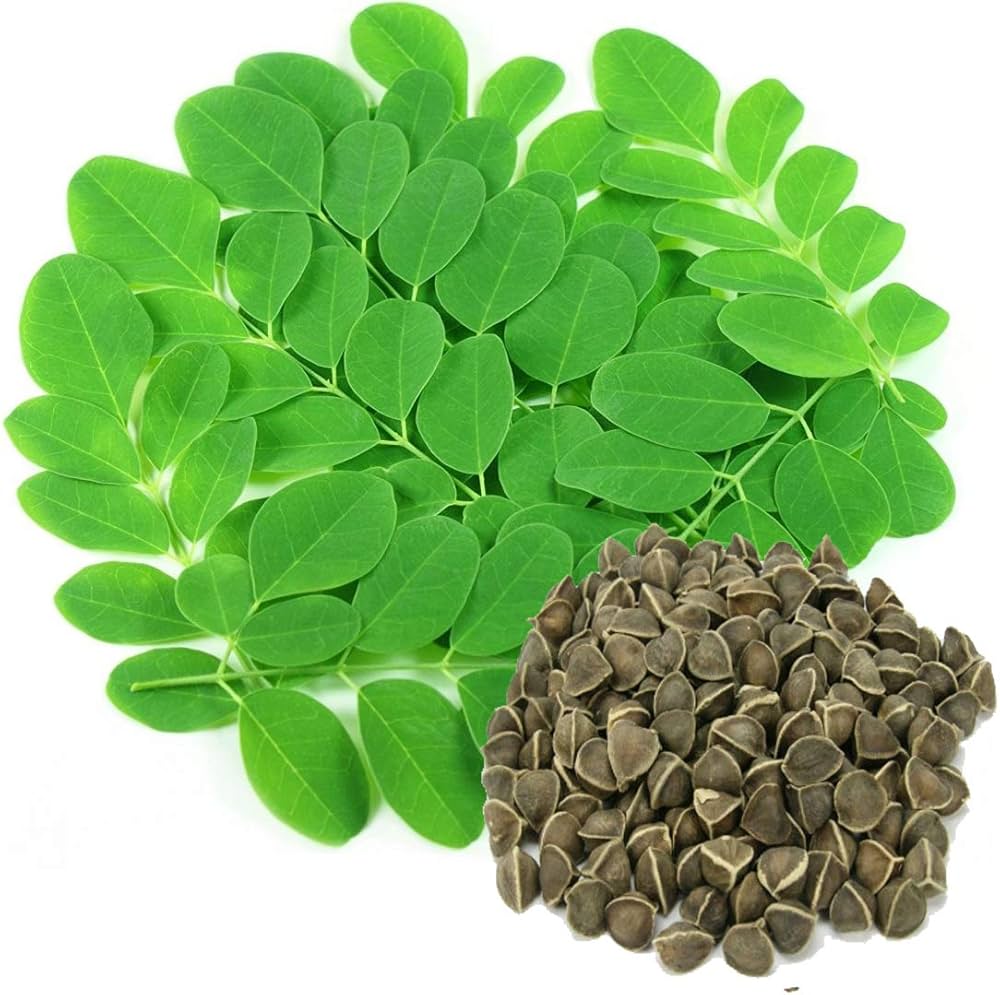
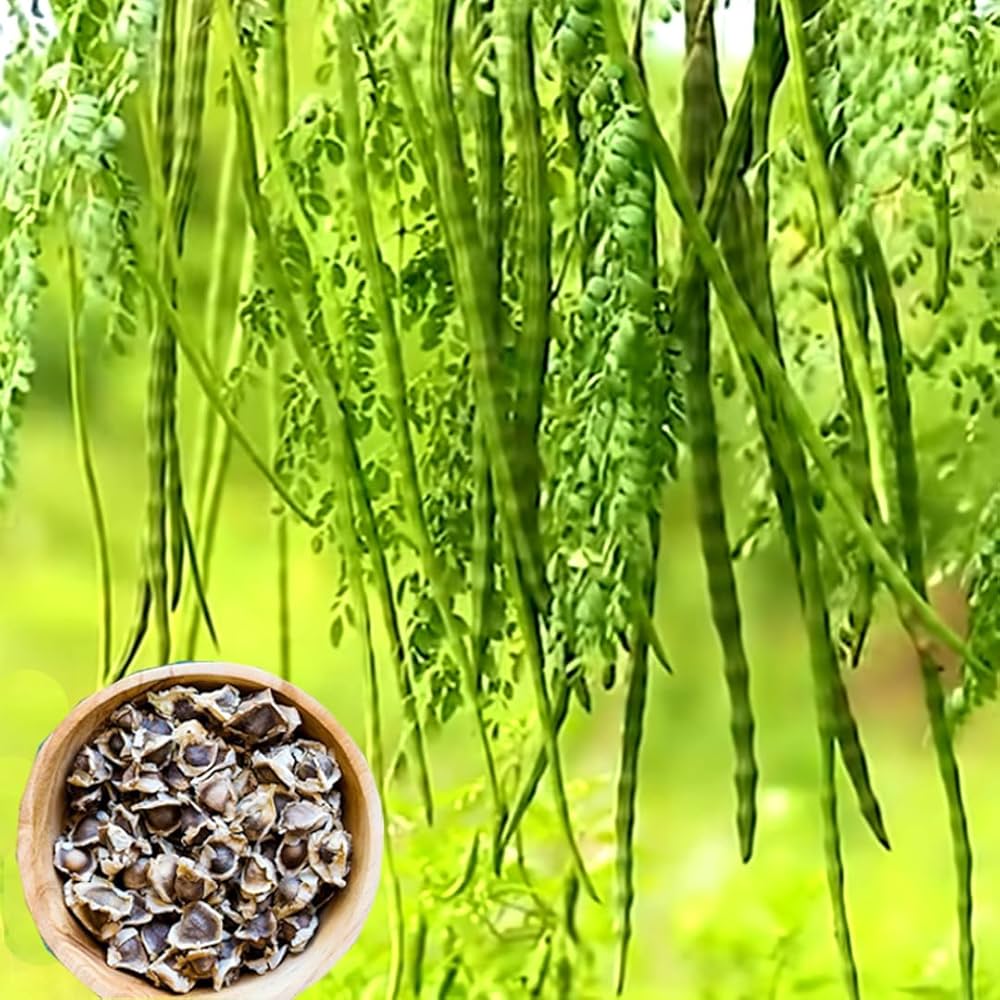
Moringa Seeds – Feathery Green Beauty for the Cottage Edible Garden
Moringa brings an airy, graceful presence to warm-climate gardens. Its slender branches carry clusters of delicate green leaflets, while soft flowers appear among the foliage as the plant matures. The effect feels wonderfully natural, recalling sunlit garden paths, rustic edible landscapes, and leafy trees swaying gently in a summer breeze.
Moringa Seeds are available at evergrowseeds.com from Evergrow Seeds for gardeners interested in growing a distinctive multipurpose tree. Botanically known as Moringa oleifera, this tropical to subtropical plant can add vertical structure, delicate foliage, and traditional edible-garden character to suitable landscapes.
Browse Our Moringa Seeds
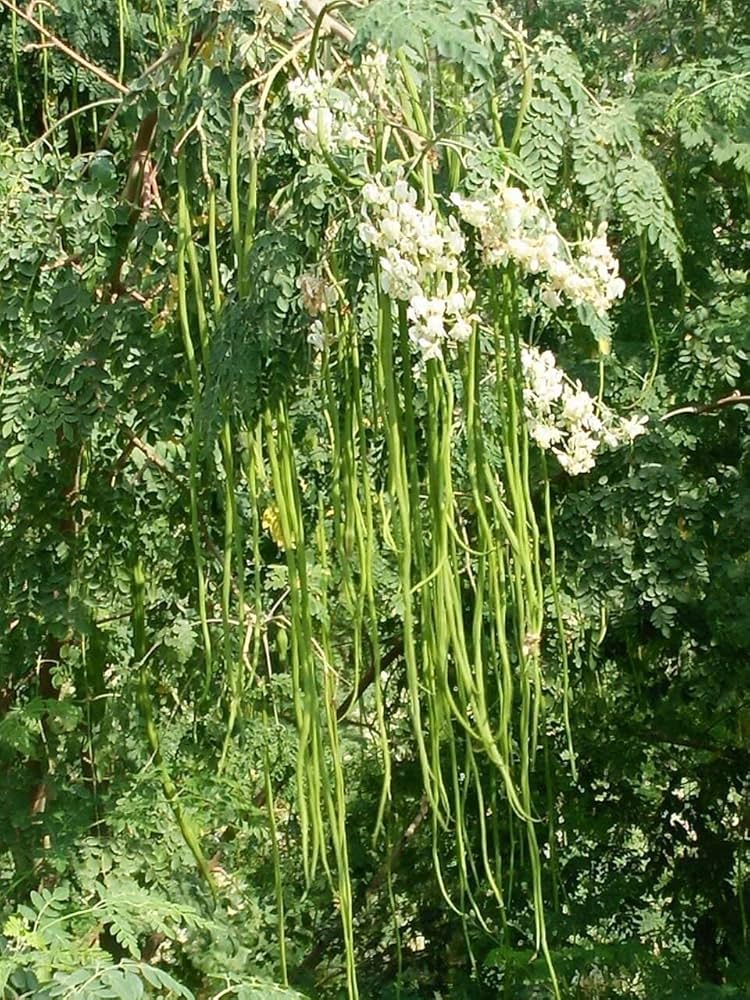
Moringa is primarily appreciated for its elegant foliage rather than dramatic flower-color variation. Mature plants generally develop clusters of small, fragrant flowers that are creamy white to pale ivory, sometimes showing subtle yellowish tones.
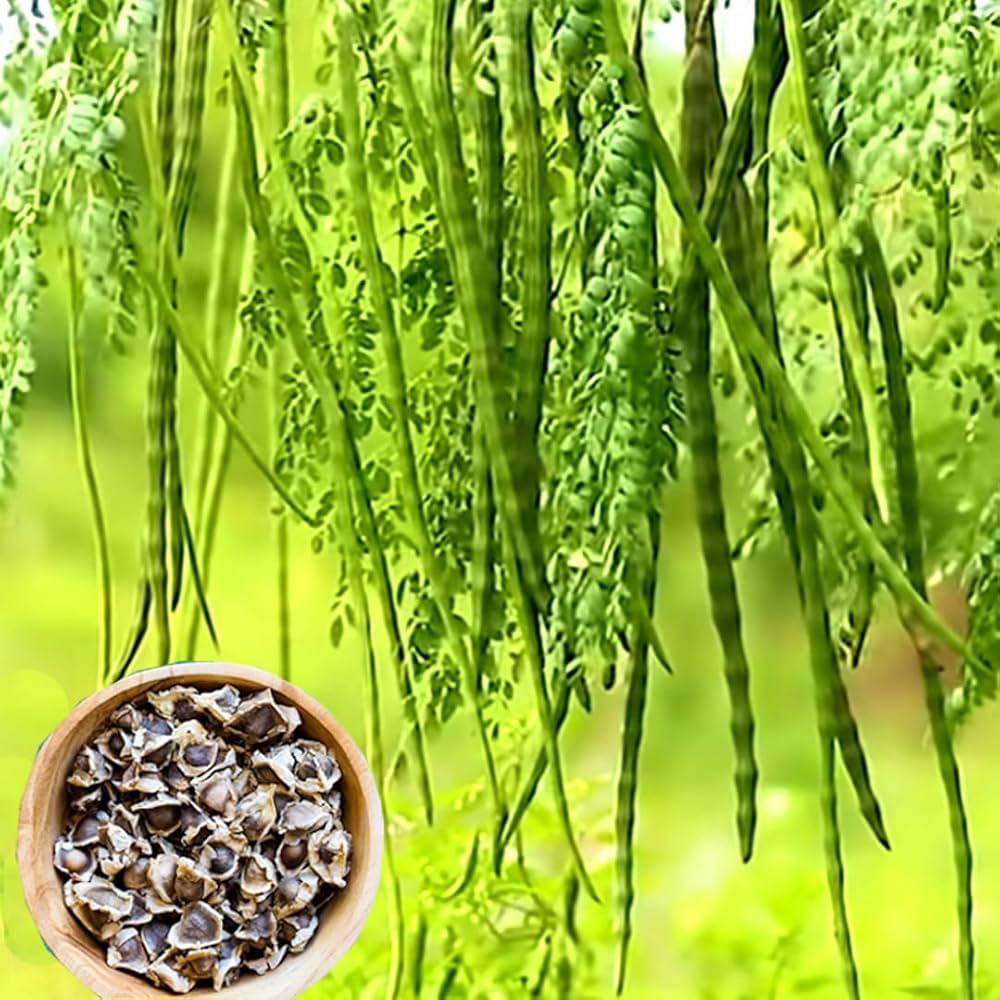
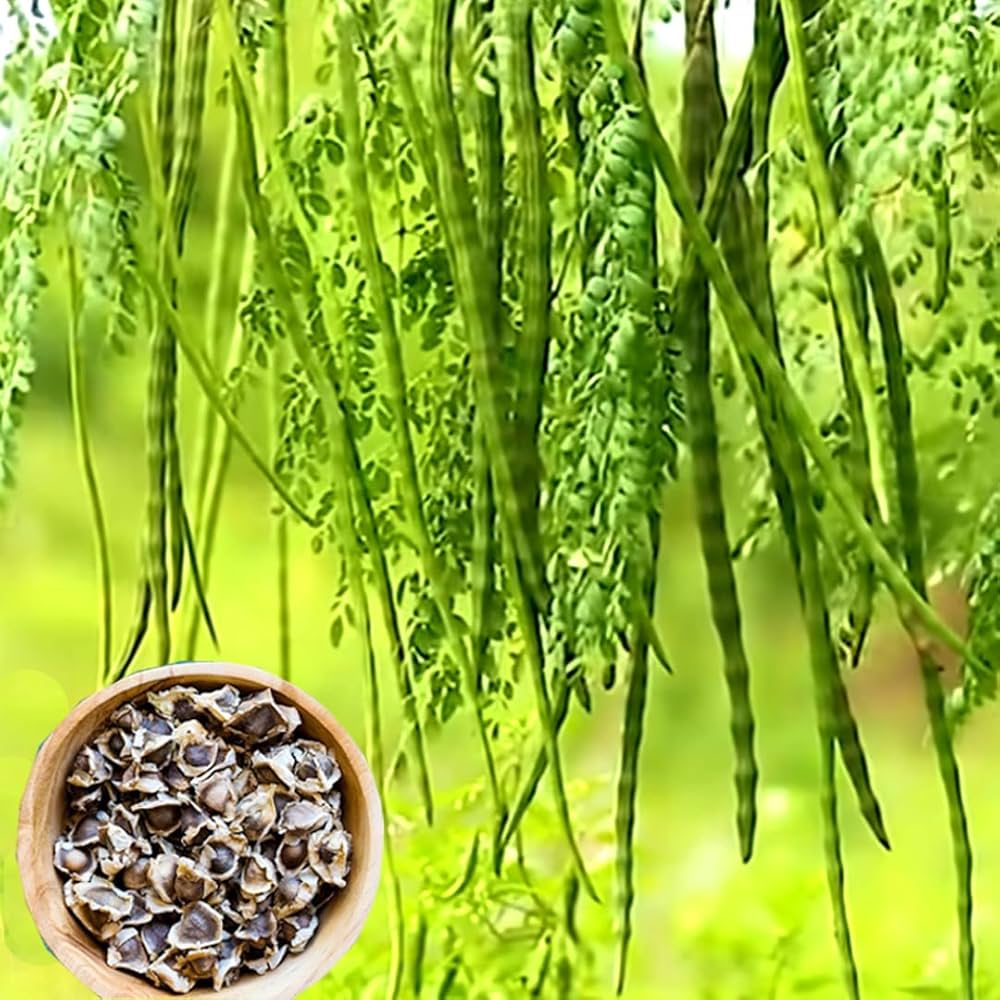
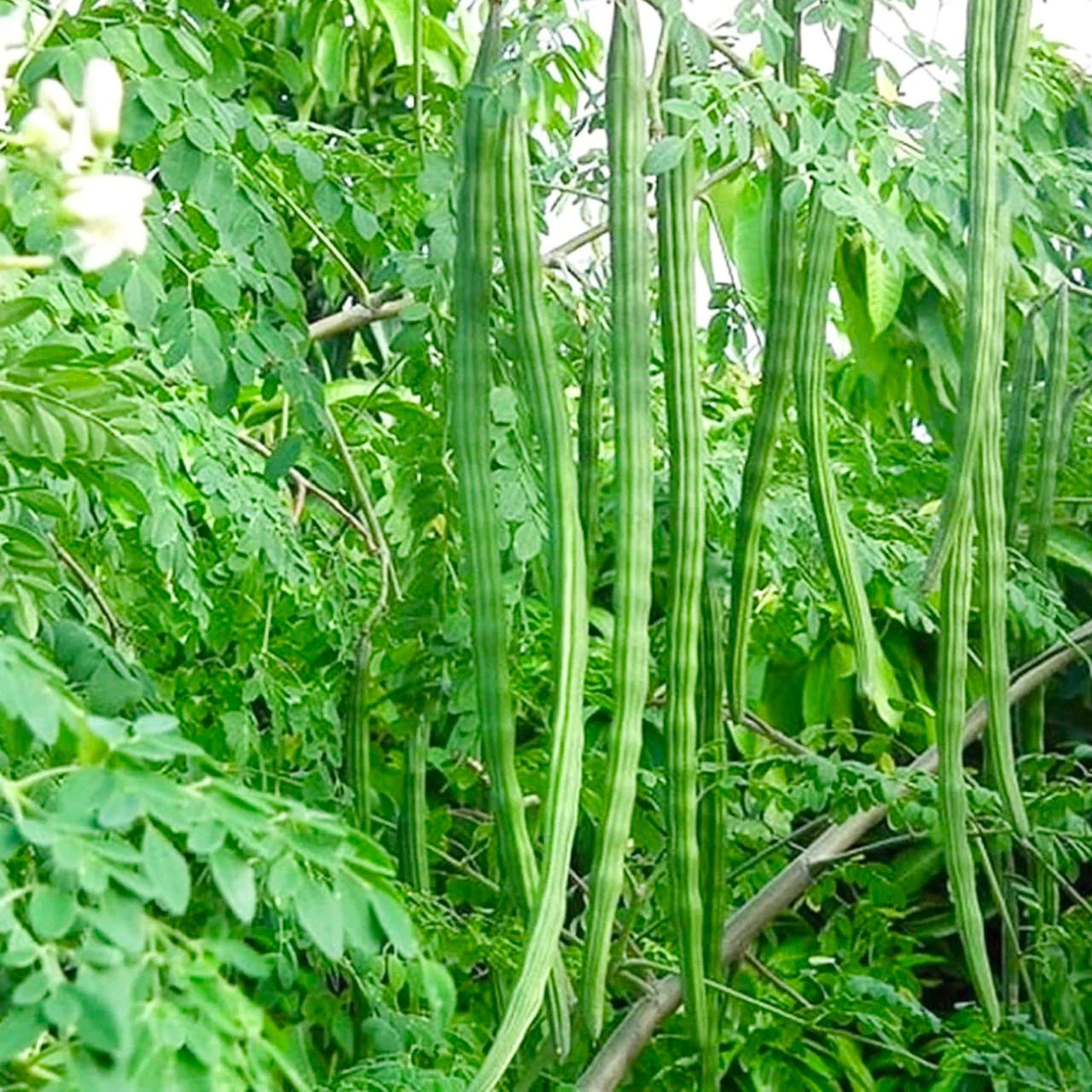
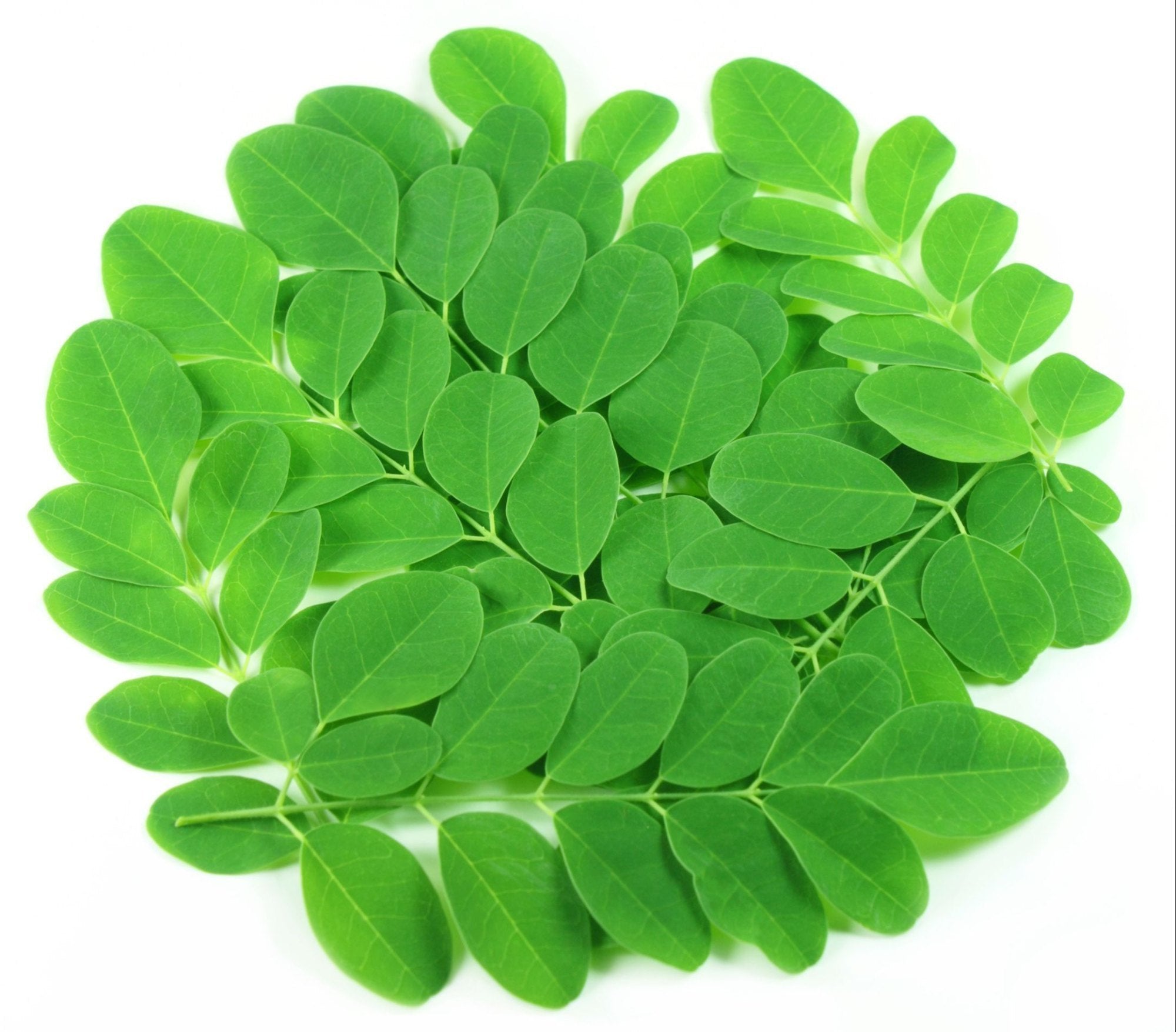
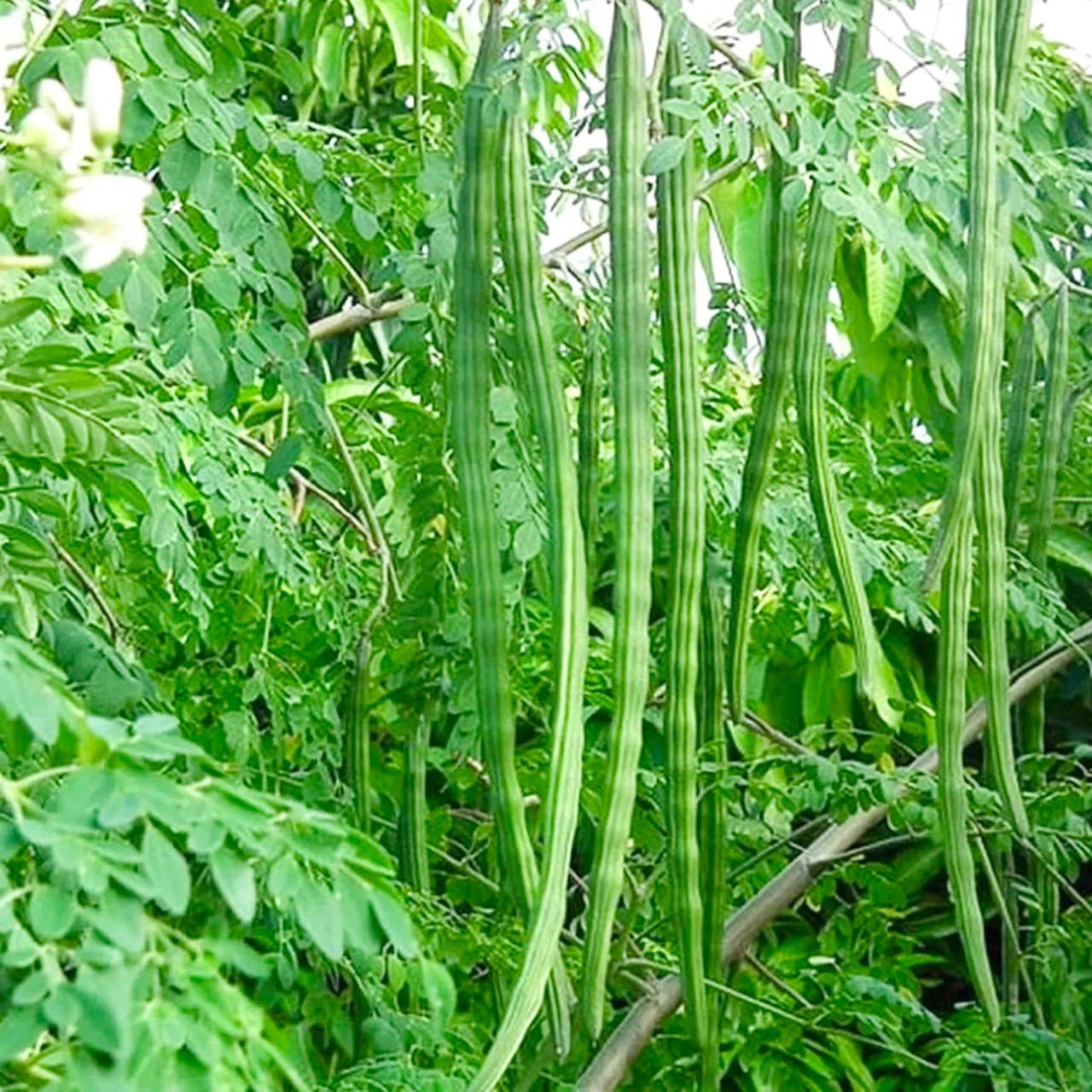
Its leaves consist of numerous small green leaflets that give the canopy a light, feathery appearance. Mature trees may also develop long, slender seed pods. This combination of airy foliage, pale flowers, and unusual pods makes Moringa an attractive focal point for warm cottage-inspired edible gardens.
Plant Care Insights
Sunlight: Choose a warm, open location receiving abundant direct sunlight.
Soil: Moringa prefers loose, well-drained soil and does poorly in persistently waterlogged ground.
Watering: Provide regular moisture while young, allowing excess water to drain freely.
Companion Plants: Low-growing herbs and compatible warm-climate plants can grow nearby when adequate root space is maintained.
Maintenance: Pruning can help control height and encourage branching. Remove damaged growth as needed and protect young plants from freezing temperatures.
Frequently Asked Questions
What climate is suitable for Moringa?
Moringa favors tropical, subtropical, and other reliably warm growing conditions.
Cold temperatures and frost can seriously damage this heat-loving tree.
How large can a mature Moringa tree become?
Moringa naturally develops into a fast-growing, moderately sized tree.
Regular pruning can maintain a shorter, more manageable garden form.
Does Moringa require regular pruning?
Pruning can encourage branching and help control excessive vertical growth.
Remove weak or damaged branches to maintain an orderly plant structure.
What pests may affect Moringa plants?
Caterpillars, aphids, and other insects may occasionally feed on Moringa.
Regular plant inspection helps identify developing pest problems early.
Shop By Category