Bok Choy Seeds for a Charming Cottage Garden
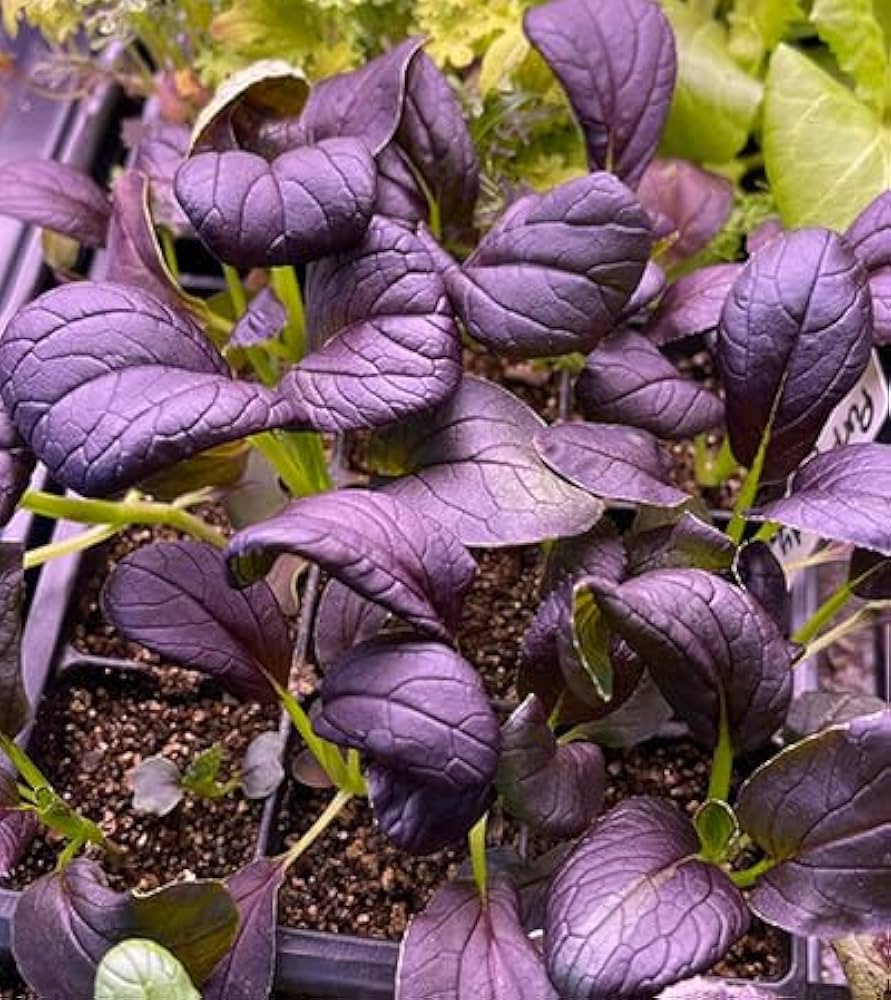
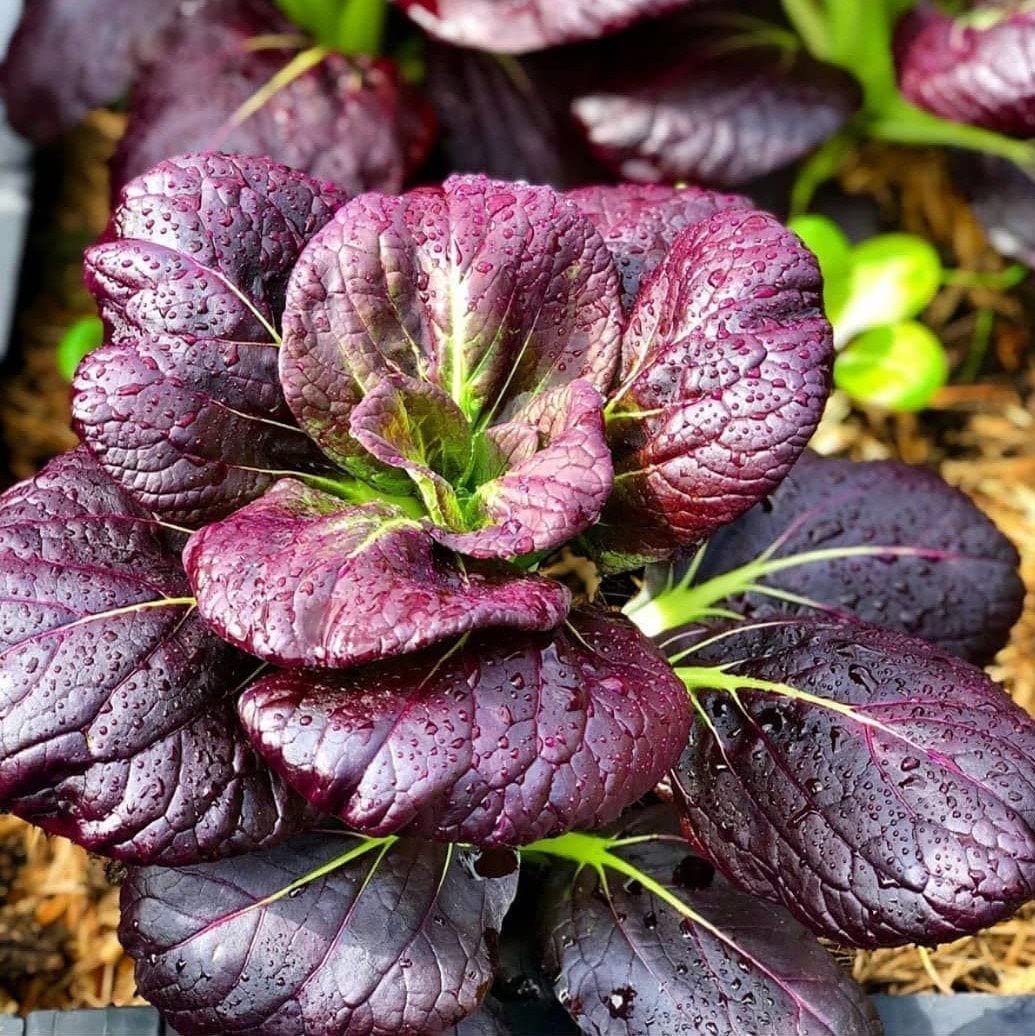
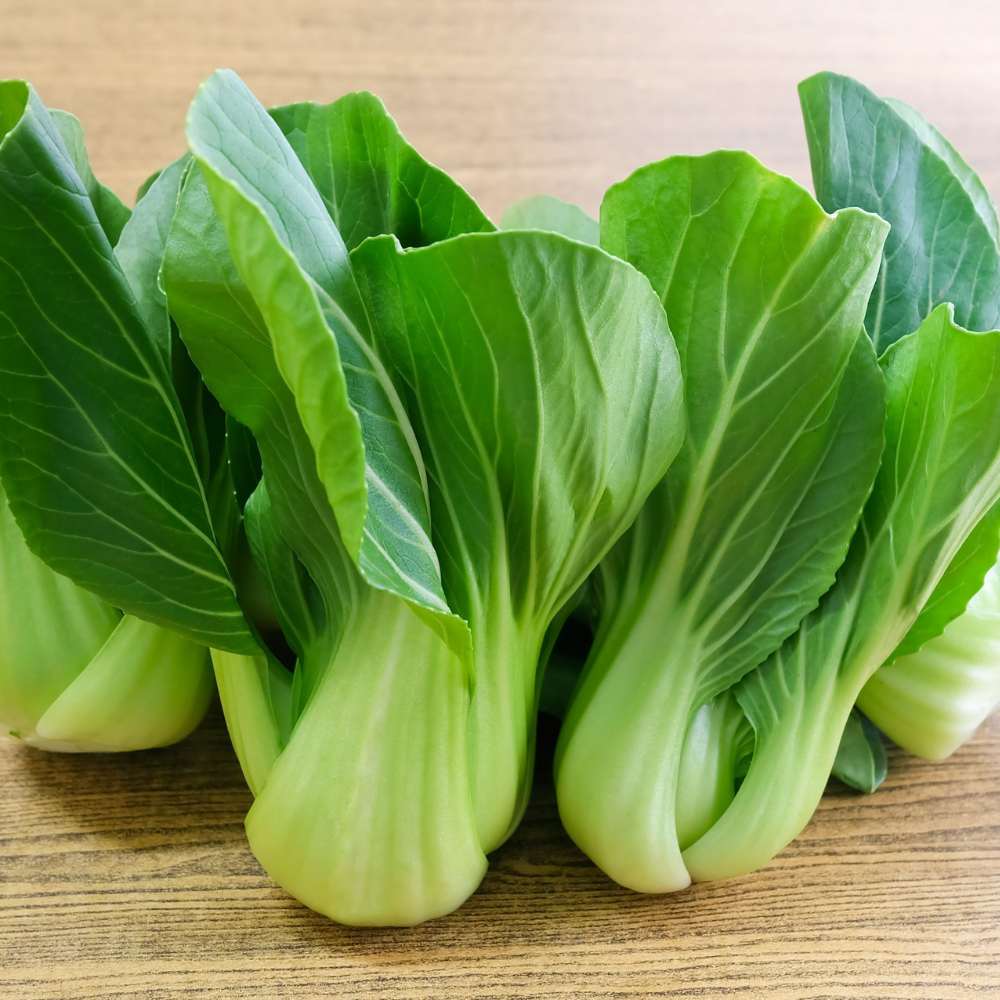
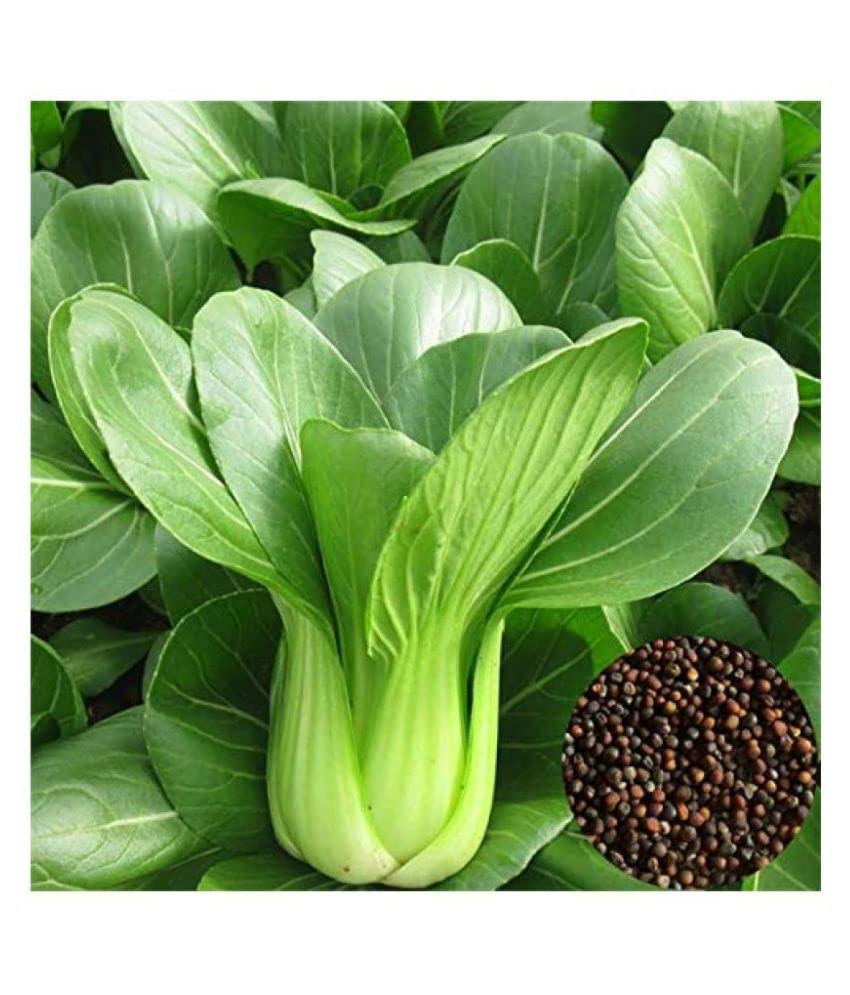
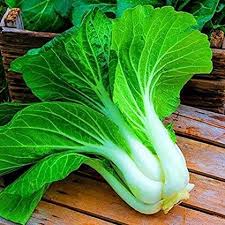
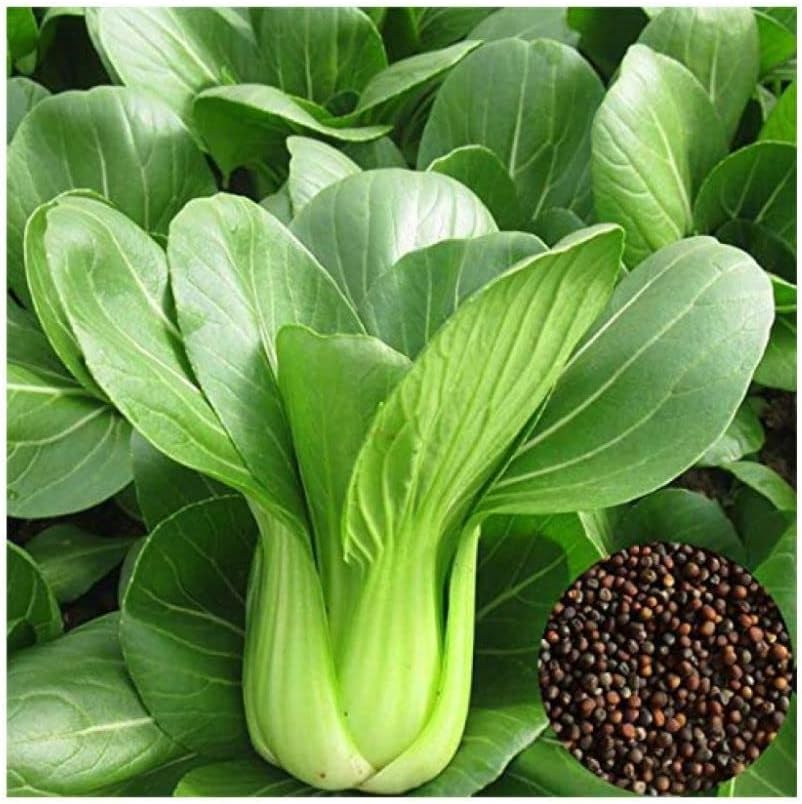
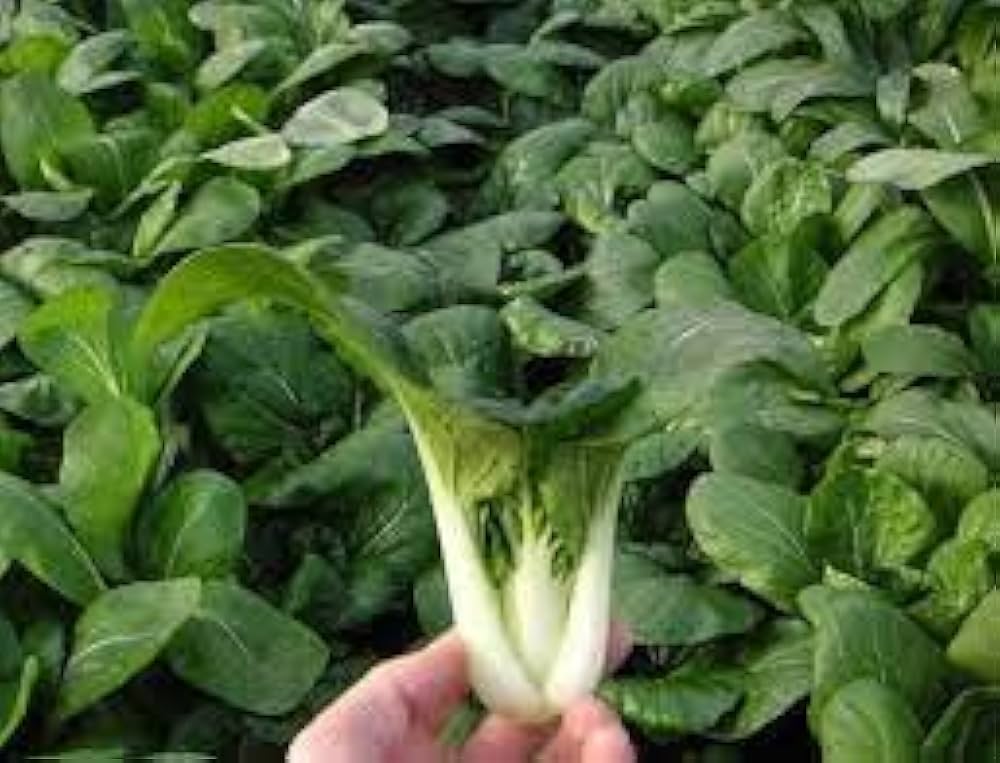
Bok Choy brings a fresh, peaceful character to the garden, with smooth green leaves and sturdy pale stems that look especially lovely among herbs and other cool-season vegetables. Its neat form and leafy texture fit naturally into relaxed cottage-style gardens, where useful plants can be just as beautiful as ornamental ones.
Gardeners can find Bok Choy seeds at evergrowseeds.com, where Evergrow Seeds offers a selection for adding this versatile leafy vegetable to home gardens. Whether tucked into a mixed vegetable bed or grown as part of an informal kitchen garden, Bok Choy adds practical beauty without demanding a complicated garden design.
Browse Our Bok Choy Seeds
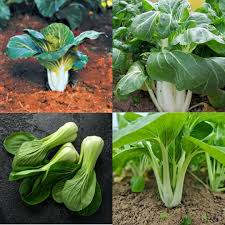
Bok Choy is mainly valued for its foliage rather than flowers, with varieties offering differences in leaf shape, stem color, and overall plant form. If plants are allowed to mature and flower, they may produce small yellow blooms. The plants work beautifully in vegetable beds, cottage gardens, edible borders, and mixed plantings.
Plant Care Insights
- Sunlight: Grow Bok Choy in full sun or partial shade.
- Soil: Choose fertile, well-drained soil enriched with organic matter.
- Watering: Keep the soil evenly moist while avoiding soggy conditions.
- Companion Plants: Consider planting alongside peas, beans, carrots, or aromatic herbs.
- Maintenance: Remove damaged leaves and keep weeds cleared around the plants.
Frequently Asked Questions
What climate is best for growing Bok Choy?
Bok Choy generally prefers cool to mild growing conditions.
It can be especially useful in spring and fall gardens.
How large does Bok Choy usually become?
Bok Choy typically forms a compact, upright leafy plant.
Mature size varies depending on the variety and growing conditions.
Does Bok Choy produce flowers?
Yes, mature plants can eventually develop flowering stalks.
The flowers are usually small and yellow.
What pests commonly affect Bok Choy?
Caterpillars, aphids, and flea beetles may visit Bok Choy plants.
Regularly checking the leaves can help spot pests early.
Shop By Category