Pitanga Seeds – Ruby-Ribbed Jewels for the Romantic Cottage Garden
Pitanga brings a wonderfully colorful character to the home landscape. Its glossy foliage, softly branching form, delicate white blossoms, and deeply ribbed fruits create a nostalgic scene reminiscent of winding cottage paths, informal garden hedges, and tiny jewel-like treasures glowing among evergreen leaves.
Pitanga Seeds are available at evergrowseeds.com from Evergrow Seeds for gardeners who enjoy distinctive fruiting shrubs and small trees with ornamental appeal. Botanically known as Eugenia uniflora, Pitanga is also widely called Surinam cherry or Brazilian cherry and belongs to the myrtle family.
Browse Our Pitanga Seeds
Pitanga plants generally produce small white to creamy-white flowers with numerous prominent stamens, giving the blossoms a soft, airy appearance against the glossy foliage.
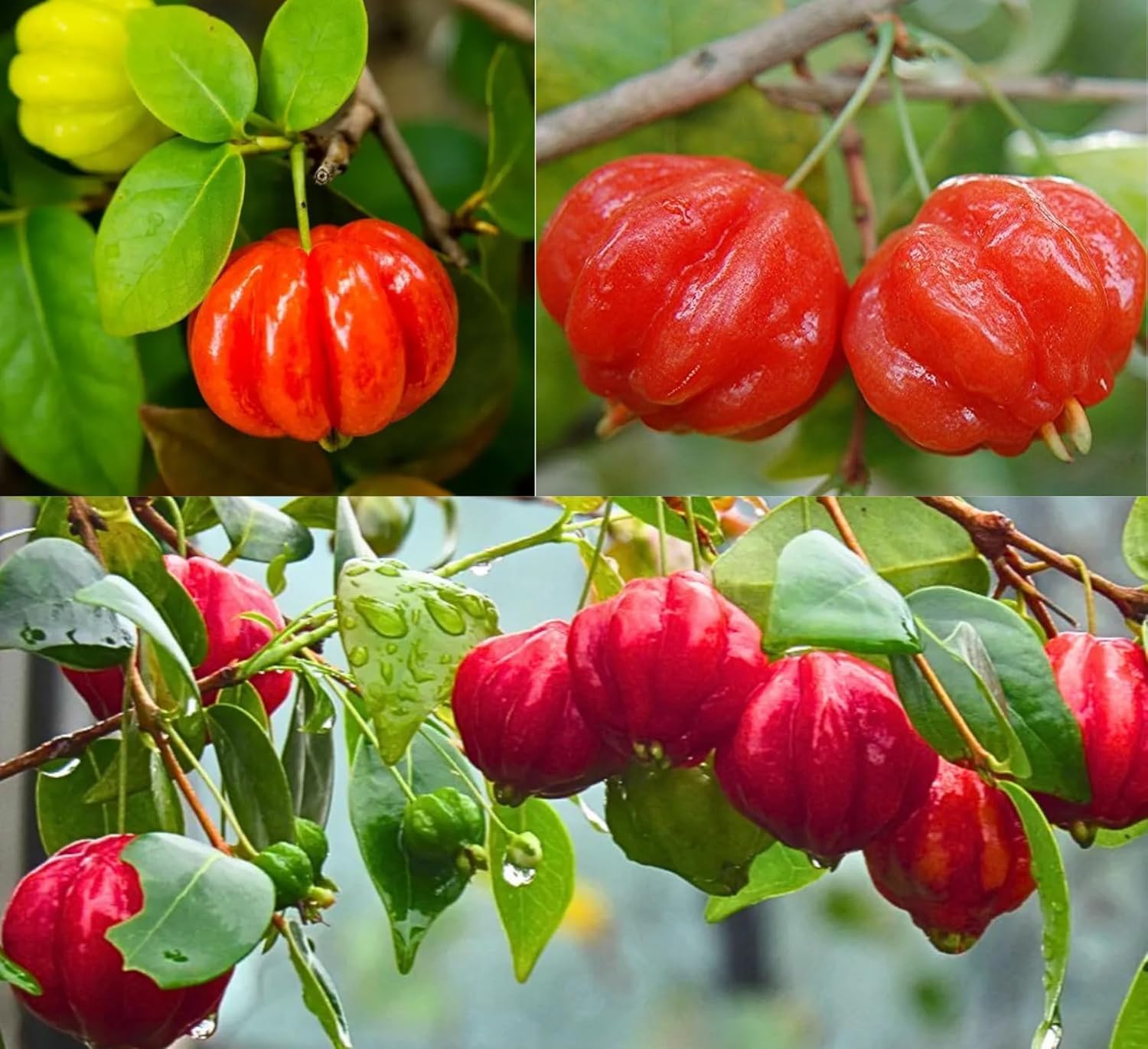
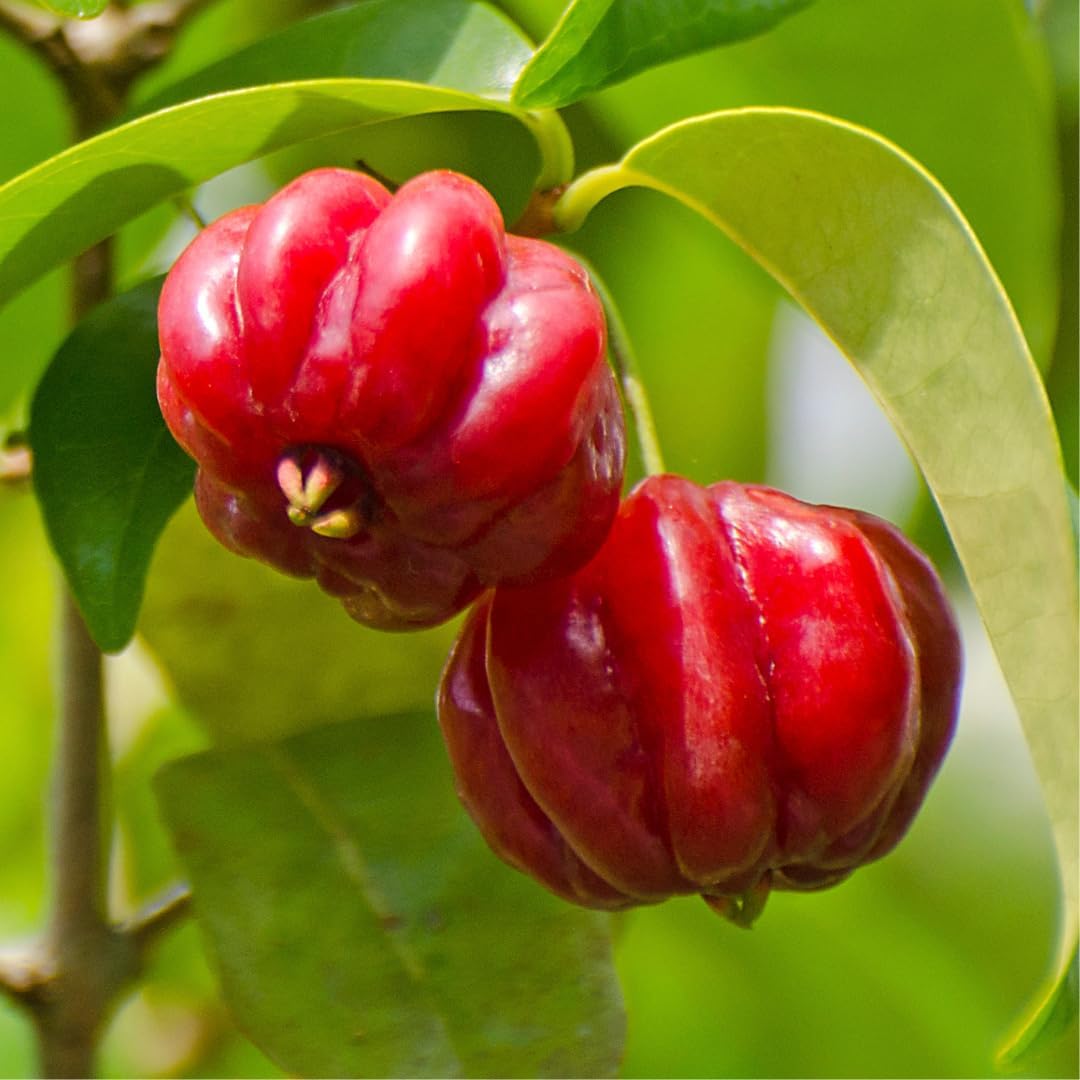
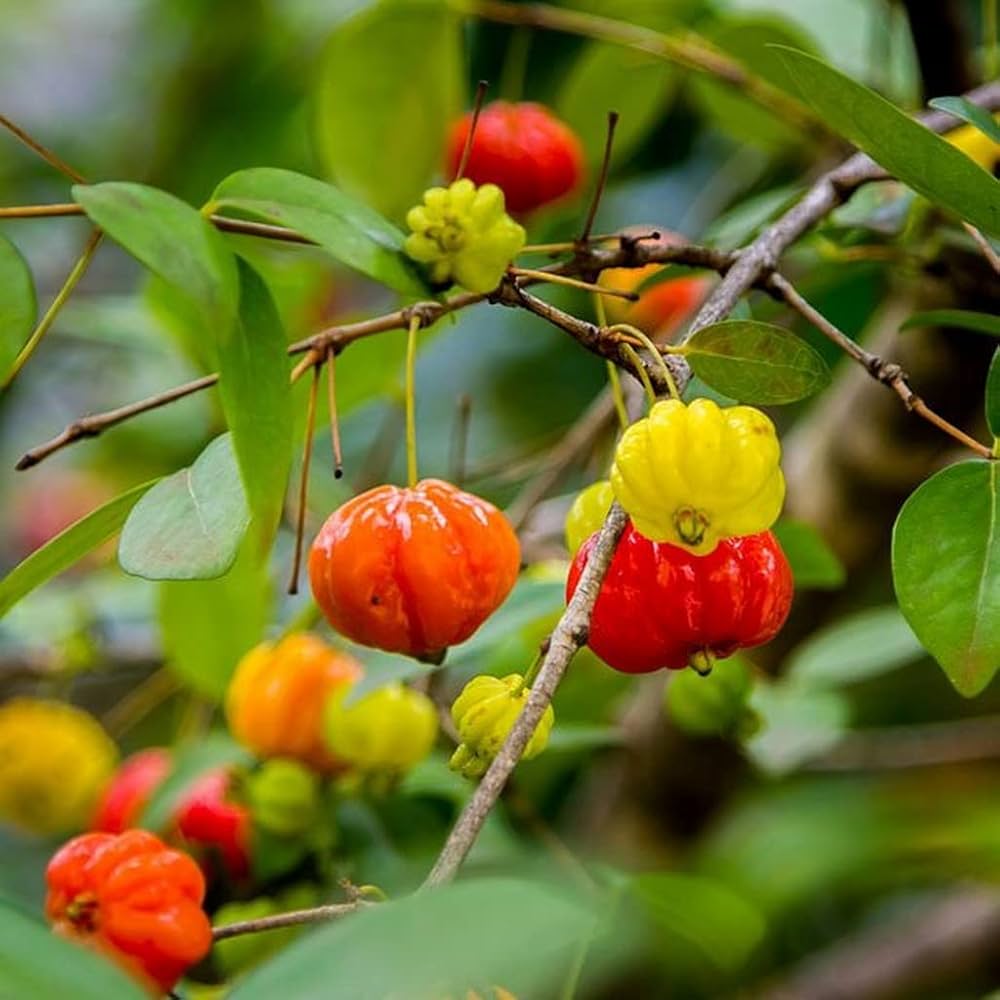
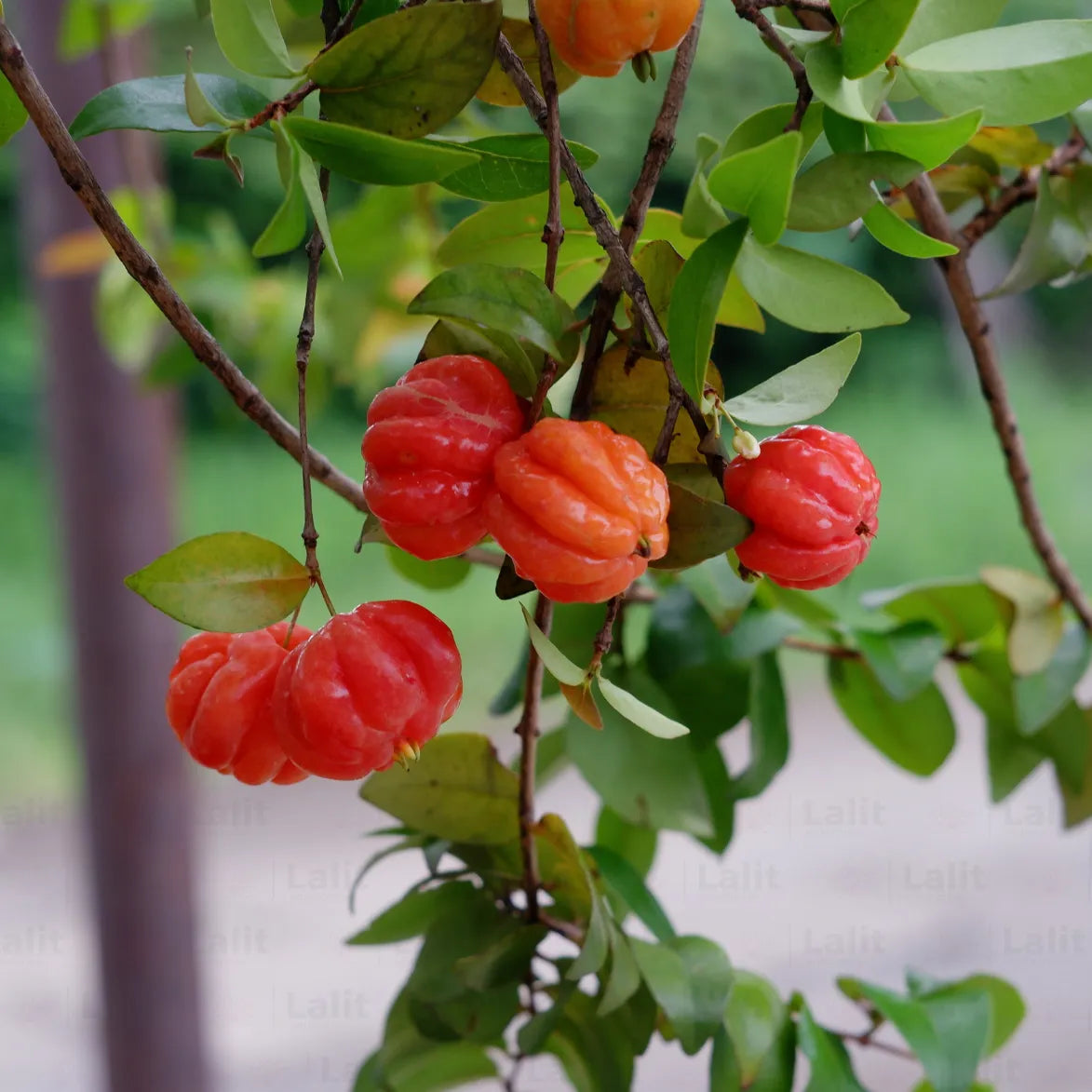
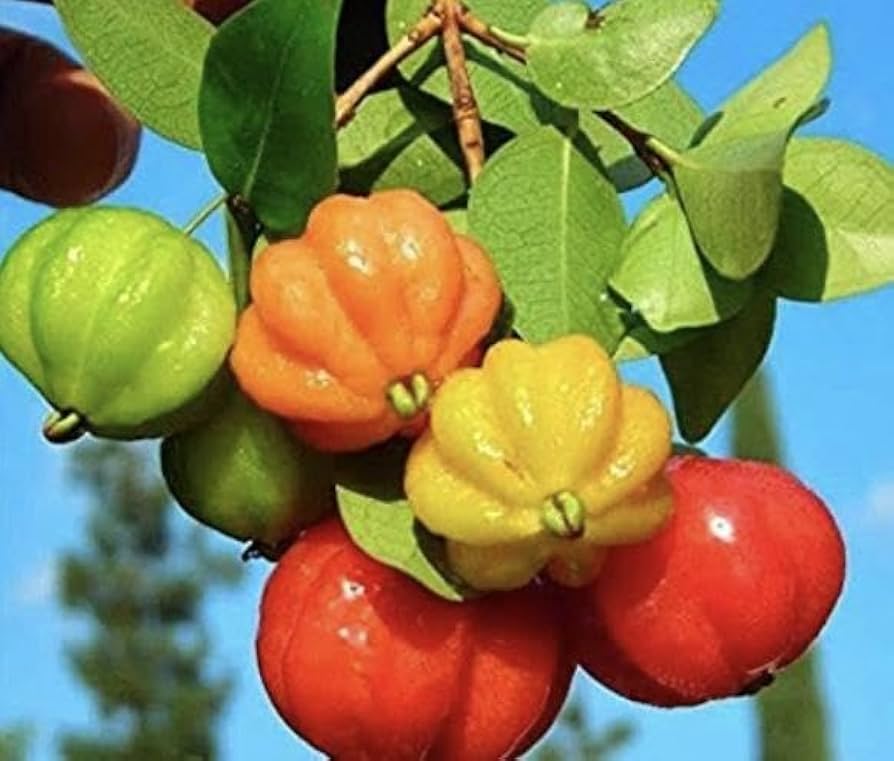
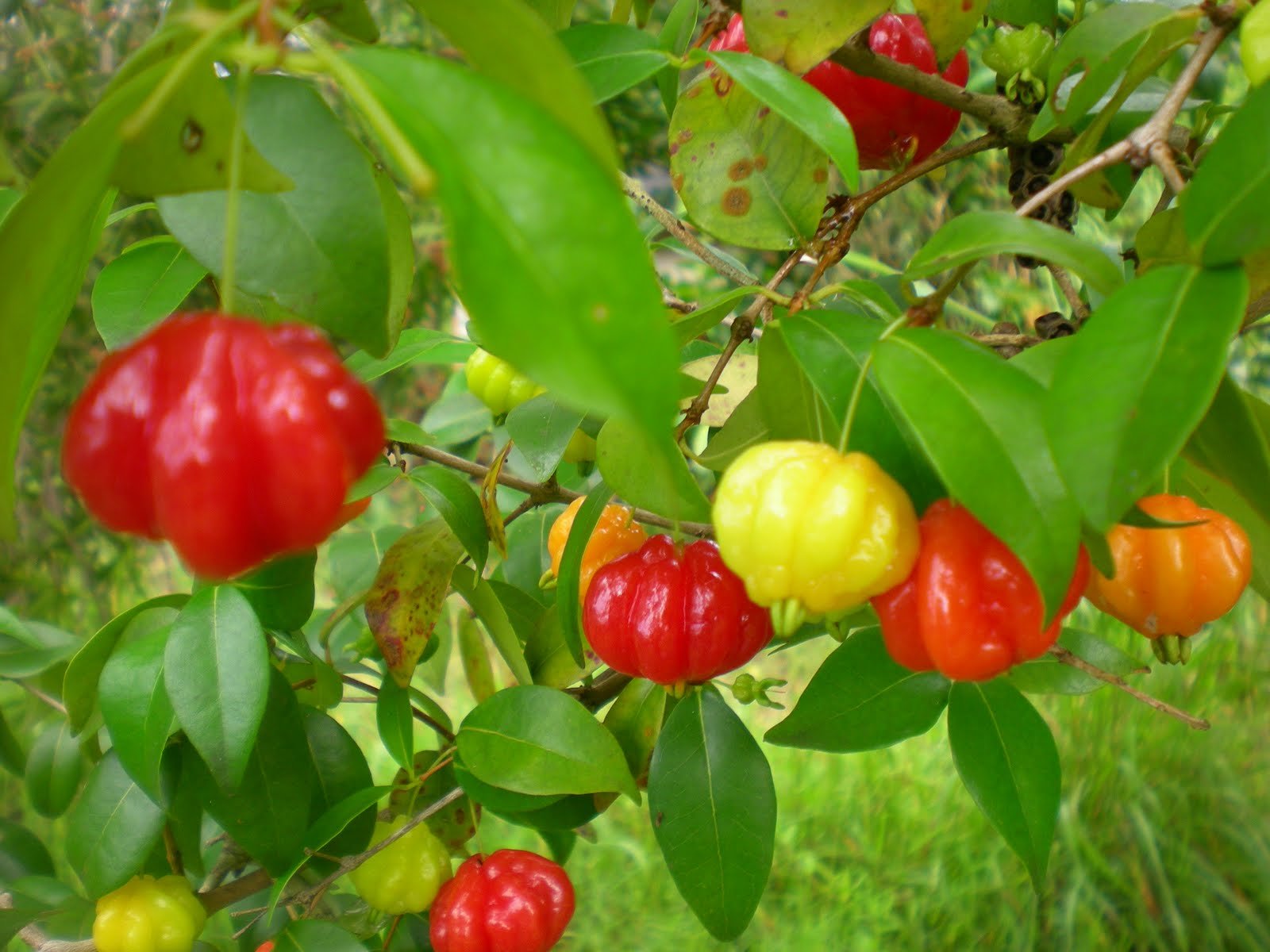
The deeply grooved fruits provide remarkable seasonal color. Developing fruits begin green before progressing through yellow, orange, and red shades. Depending on the variety, fully mature fruits may become scarlet, crimson, burgundy, deep purple, or nearly black.
New foliage can also emerge with bronze, copper, or reddish tones before becoming green. Combined with its colorful fruits and evergreen growth, this makes Pitanga especially attractive for cottage-style edible borders, informal hedges, backyard fruit gardens, and warm-climate landscapes.
Plant Care Insights
Sunlight: Grow in full sun for strong fruiting, although established plants can tolerate partial shade.
Soil: Plant in fertile, well-drained soil enriched with suitable organic matter.
Watering: Maintain consistent moisture while plants establish, avoiding prolonged waterlogged conditions.
Companion Plants: Compatible herbs, flowers, and low-growing plants can grow nearby when adequate root and canopy space is maintained.
Maintenance: Prune selectively to maintain shrub or small-tree form, remove damaged or crossing branches, and check local guidance before planting because Pitanga can naturalize or become invasive in some warm regions.
Frequently Asked Questions
What climate is suitable for Pitanga?
Pitanga generally favors tropical, subtropical, and mild warm-temperate conditions.
Cold tolerance varies with plant maturity and local seasonal conditions.
How large do mature Pitanga plants become?
Pitanga develops as a dense shrub or small branching fruit tree.
Final height and spread depend on climate and long-term garden management.
Does Pitanga require pruning?
Pitanga responds well to selective pruning and can form informal hedges.
Remove damaged or crowded branches to maintain an attractive open structure.
What color are ripe Pitanga fruits?
Ripe fruit color varies among seedlings, selections, and named cultivars.
Mature fruits may be red, crimson, purple, or nearly black.
Shop By Category