Culantro Seeds for Planting – Lush Green Character for a Cottage Herb Garden
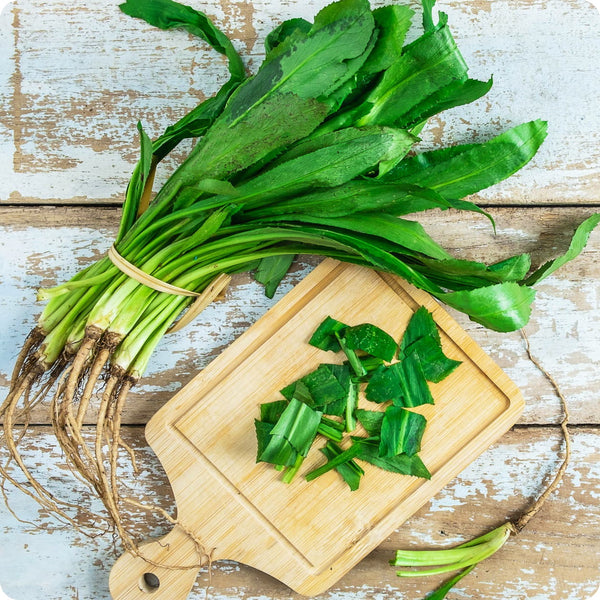
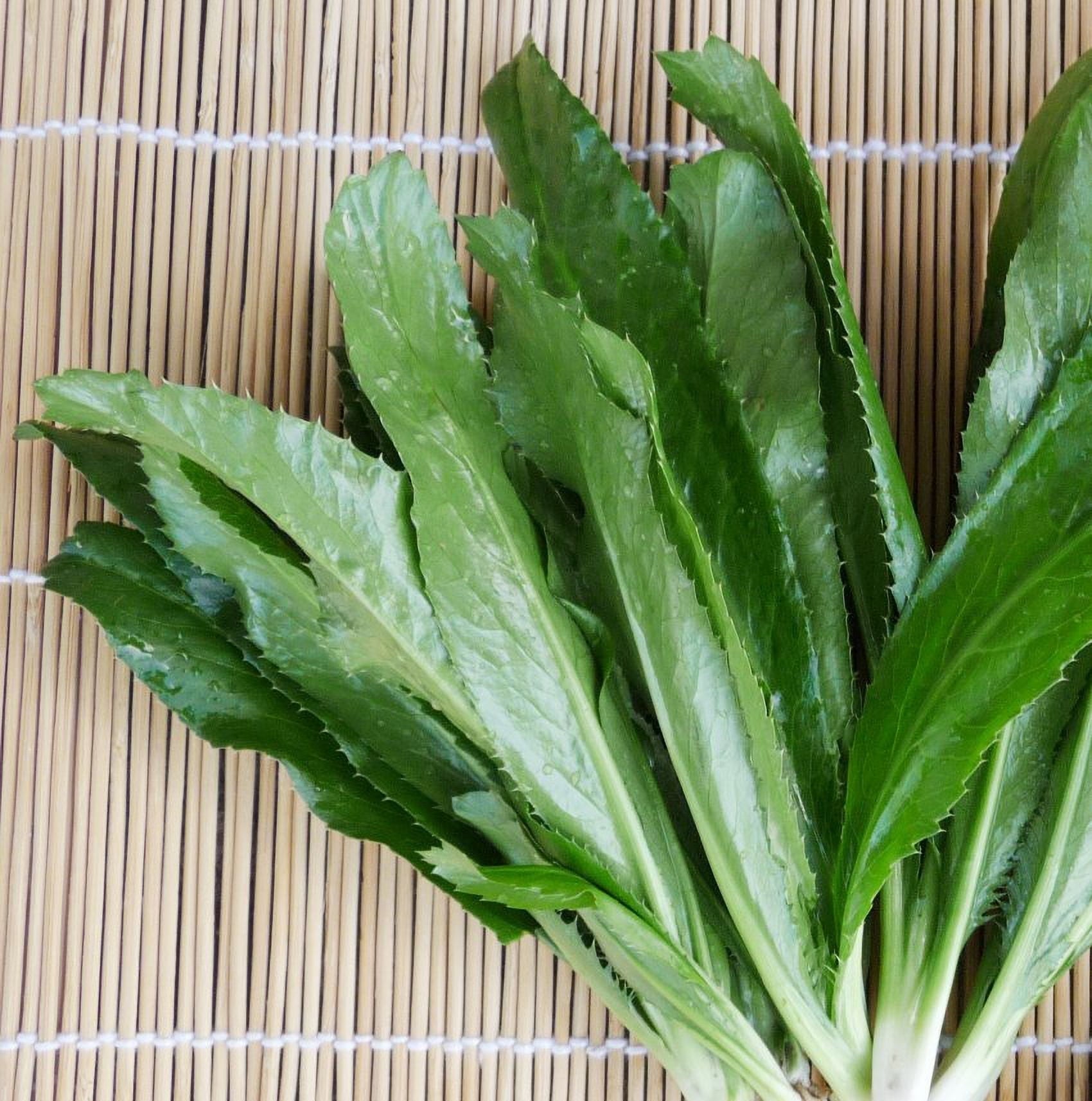
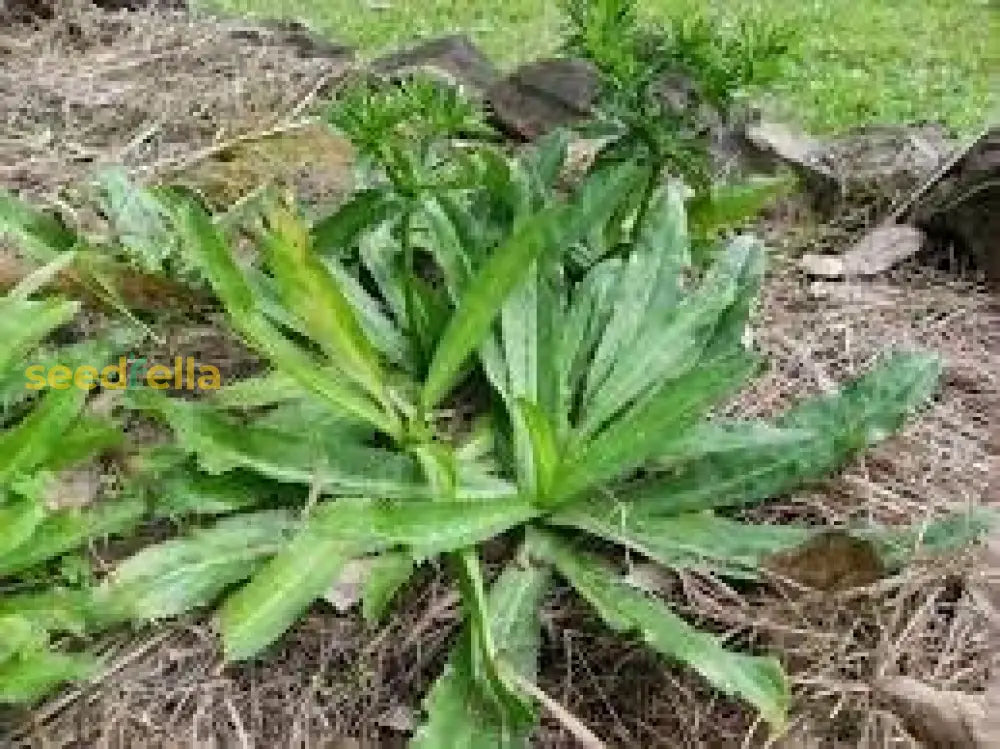
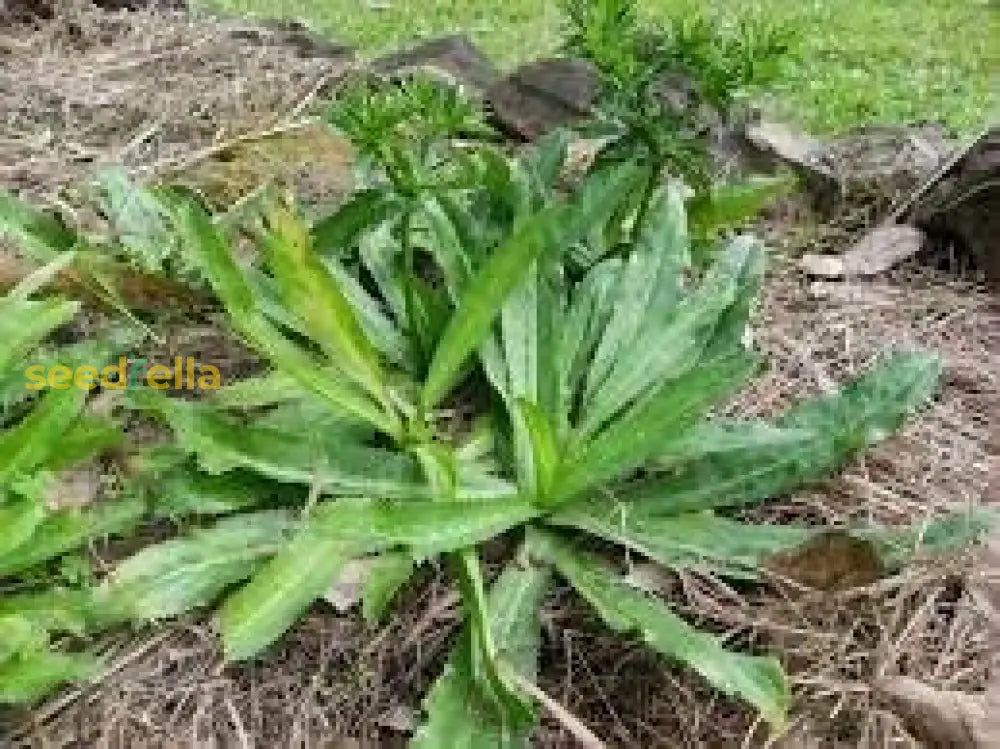
Culantro brings a rich, leafy presence to the kitchen garden, forming low rosettes of long, textured green leaves with a distinctive aroma. Its bold tropical character adds something wonderfully different among traditional herbs, while its lush foliage creates the relaxed abundance that feels naturally at home in an informal cottage-inspired garden.
Culantro Seeds from Evergrow Seeds are available at evergrowseeds.com for US home gardeners interested in growing a flavorful culinary herb. Often used in Caribbean, Latin American, and Southeast Asian cooking, culantro offers a strong cilantro-like flavor and can bring both practical kitchen value and attractive greenery to an edible garden.
Browse Our Culantro Seeds
Culantro is primarily grown for its long, deep-green leaves, which develop in a low rosette with noticeably toothed edges. As plants mature, they may produce upright flower stalks with small greenish-white to pale green flowers rather than large ornamental blooms.
Its leafy form makes culantro suitable for kitchen gardens, herb beds, edible landscapes, and tropical-inspired plantings. The contrasting foliage can also add interesting texture among compatible herbs and flowering plants.
Plant Care Insights
Sunlight
Culantro generally appreciates partial shade, particularly where intense afternoon sun and high temperatures can stress the foliage.
Soil
Choose fertile, well-drained soil with organic matter and enough moisture retention to support steady leafy growth.
Watering
Maintain reasonably consistent soil moisture while avoiding prolonged soggy or waterlogged conditions.
Companion Plants
Culantro can share garden space with compatible leafy herbs and vegetables that appreciate similar warm, moderately moist conditions.
Maintenance
Remove damaged leaves when necessary and keep competing weeds controlled. Flower stalks can be trimmed if maintaining leafy, compact growth is preferred.
Frequently Asked Questions
Can culantro grow across different US climates?
Culantro favors warm conditions and performs well during frost-free weather.
Gardeners in cooler regions can treat it as a seasonal herb.
How large can mature culantro plants become?
Culantro forms a relatively low rosette of long, textured green leaves.
Flowering stalks can rise considerably higher than the leafy plant base.
When does culantro typically produce flowers?
Mature culantro can develop upright flowering stalks during its growing cycle.
Tiny greenish flowers appear along the stems as plants mature.
What pests may occasionally affect culantro plants?
Aphids, slugs, and other garden pests may occasionally affect the foliage.
Regular inspection helps gardeners identify potential pest activity early.
Shop By Category