
Anise Hyssop Seeds for Planting – Fragrant Spires for a Romantic Cottage Garden
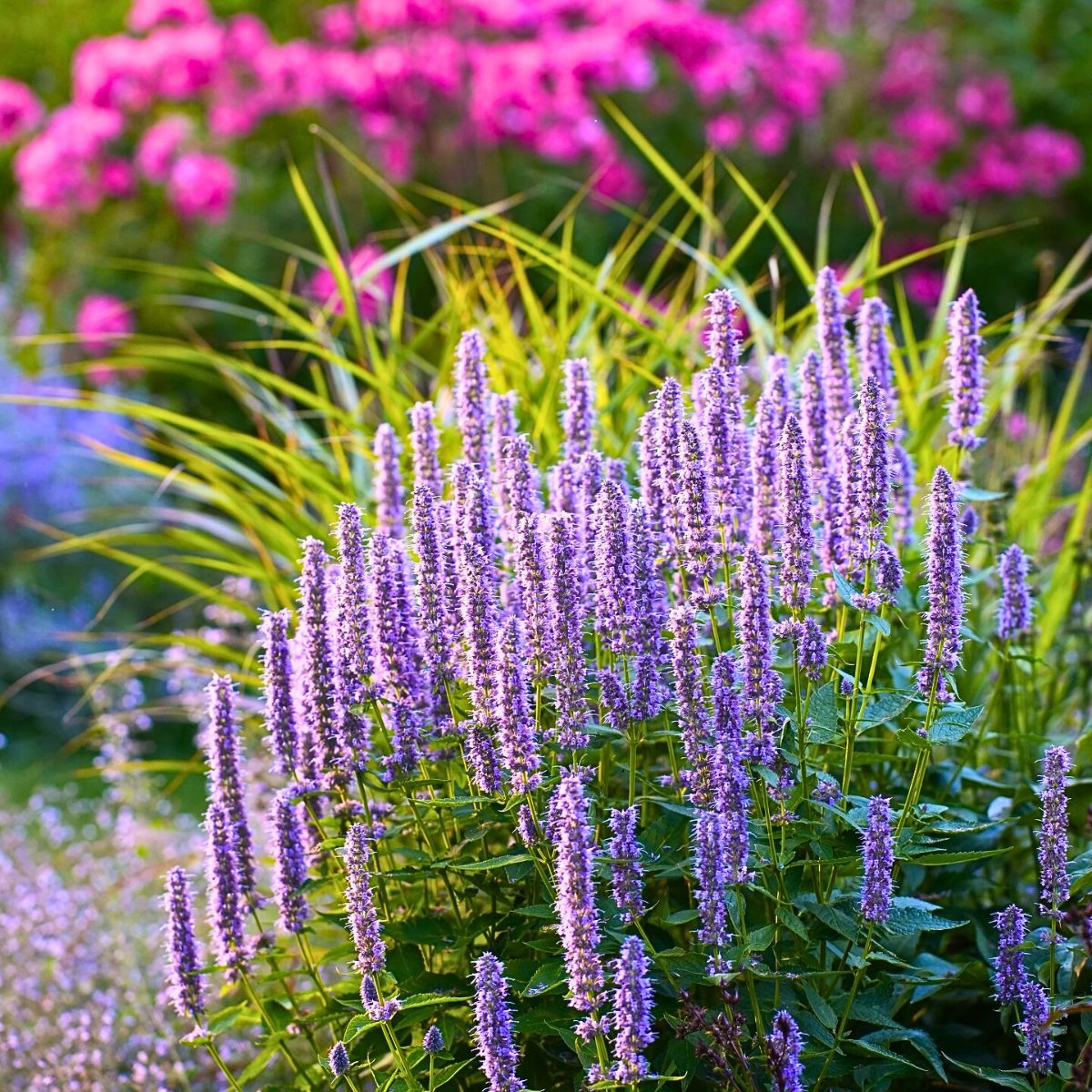
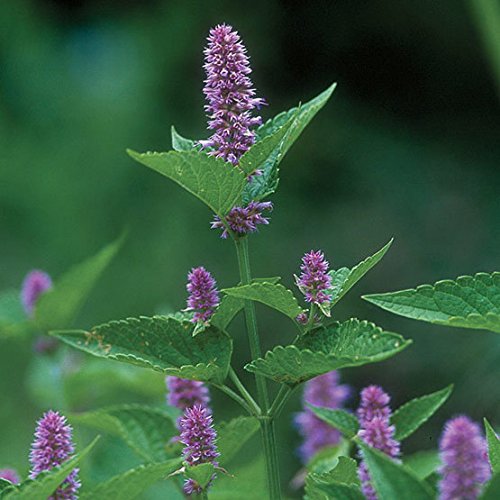
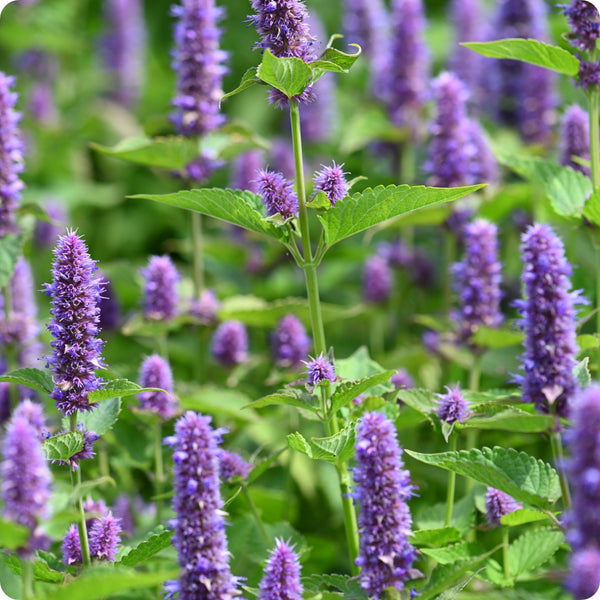
Tall, delicate flower spires rising above softly textured foliage give anise hyssop the effortless beauty of an old-fashioned cottage garden. Its aromatic leaves and graceful blooms bring movement, texture, and gentle color to informal borders, creating a relaxed landscape where herbs and flowers mingle naturally.
Anise Hyssop Seeds from Evergrow Seeds are available at evergrowseeds.com for US home gardeners seeking a fragrant flowering herb with ornamental and culinary appeal. Its upright habit makes it especially attractive among cottage flowers, perennial-style borders, herb gardens, and pollinator-friendly landscapes.
Browse Our Anise Hyssop Seeds
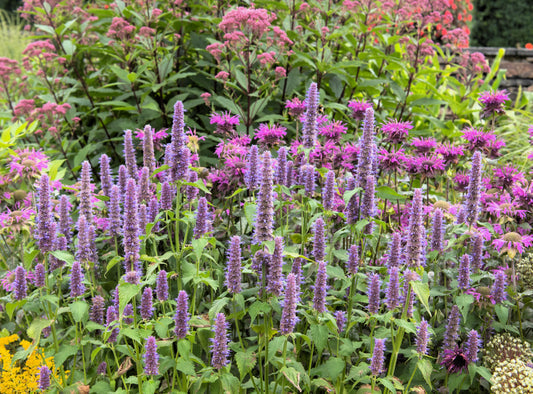
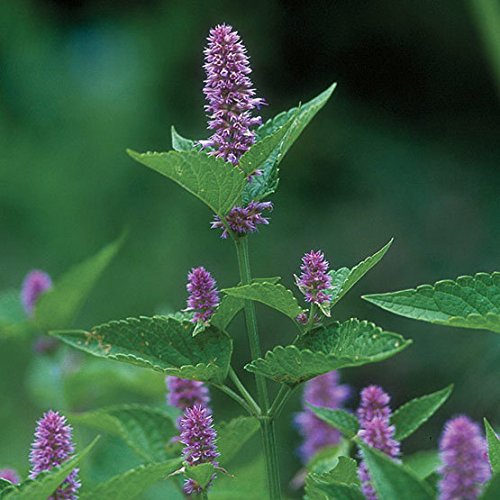
Anise hyssop is best known for upright flower spikes in shades of lavender, violet-blue, soft purple, and lilac. Exact coloring can vary with the variety, maturity, and growing conditions, while the green aromatic foliage provides an attractive backdrop beneath the flowers.
Use anise hyssop to create vertical interest in cottage borders, herb gardens, informal flower beds, and pollinator-friendly spaces. Its slender blooms pair beautifully with daisies, coneflowers, ornamental grasses, and other plants with compatible growing requirements.
Plant Care Insights
Sunlight
Anise hyssop generally prefers full sun, although light partial shade may be suitable in some warmer locations.
Soil
Choose reasonably fertile, well-drained soil and avoid locations that remain excessively wet for extended periods.
Watering
Provide consistent moisture while plants establish, then adjust watering according to rainfall, temperatures, and soil conditions.
Companion Plants
Pair anise hyssop with compatible coneflowers, black-eyed Susans, ornamental grasses, herbs, and other cottage-garden favorites.
Maintenance
Remove damaged stems when needed and trim spent flower spikes for a tidier appearance. Leaving selected mature flowers can provide seasonal garden interest.
Frequently Asked Questions
Does anise hyssop grow well across different US climates?
Anise hyssop suits many temperate regions across the United States.
Local winter temperatures can influence its perennial growth and seasonal return.
How large can mature anise hyssop plants become?
Mature plants typically develop upright stems with tall flowering spikes.
Final height and spread vary with variety and local growing conditions.
Should anise hyssop plants be pruned regularly?
Light trimming can maintain tidy growth and remove damaged stems.
Older growth may be cut back according to seasonal garden conditions.
What pests may occasionally affect anise hyssop?
Aphids and other small garden pests may occasionally visit the foliage.
Routine inspection helps gardeners identify potential pest problems early.
Shop By Category