Russian Sage Seeds for a Romantic Cottage Garden
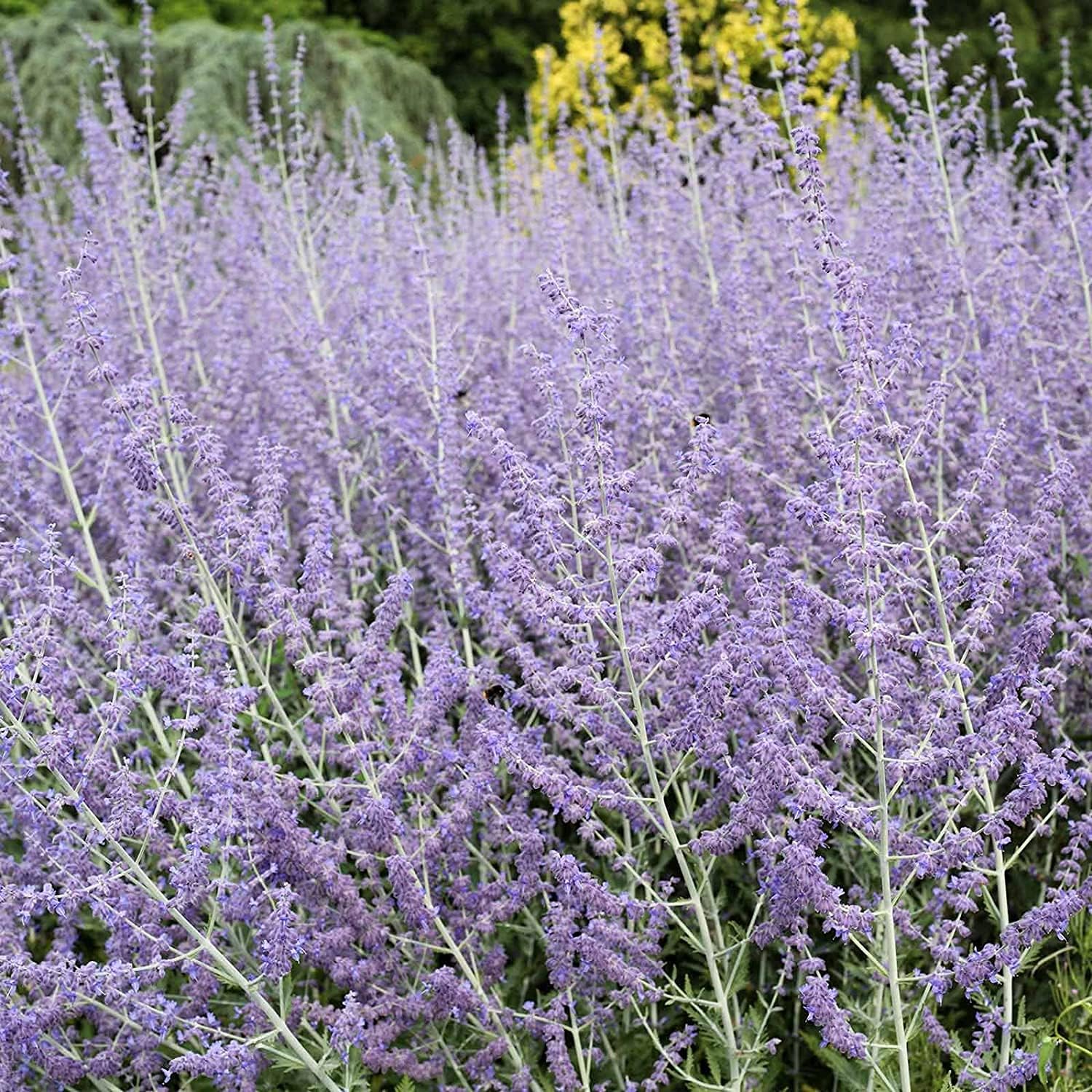
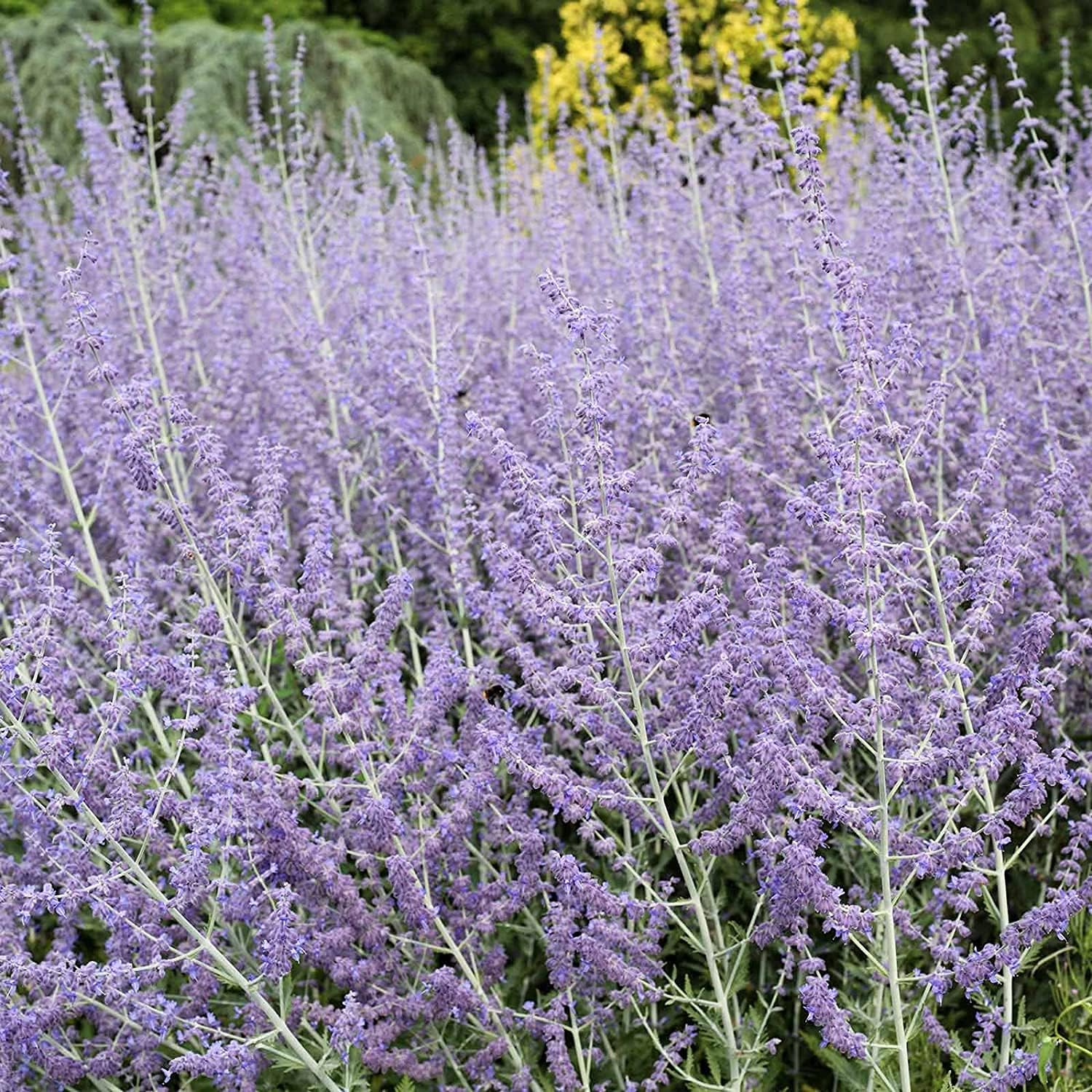
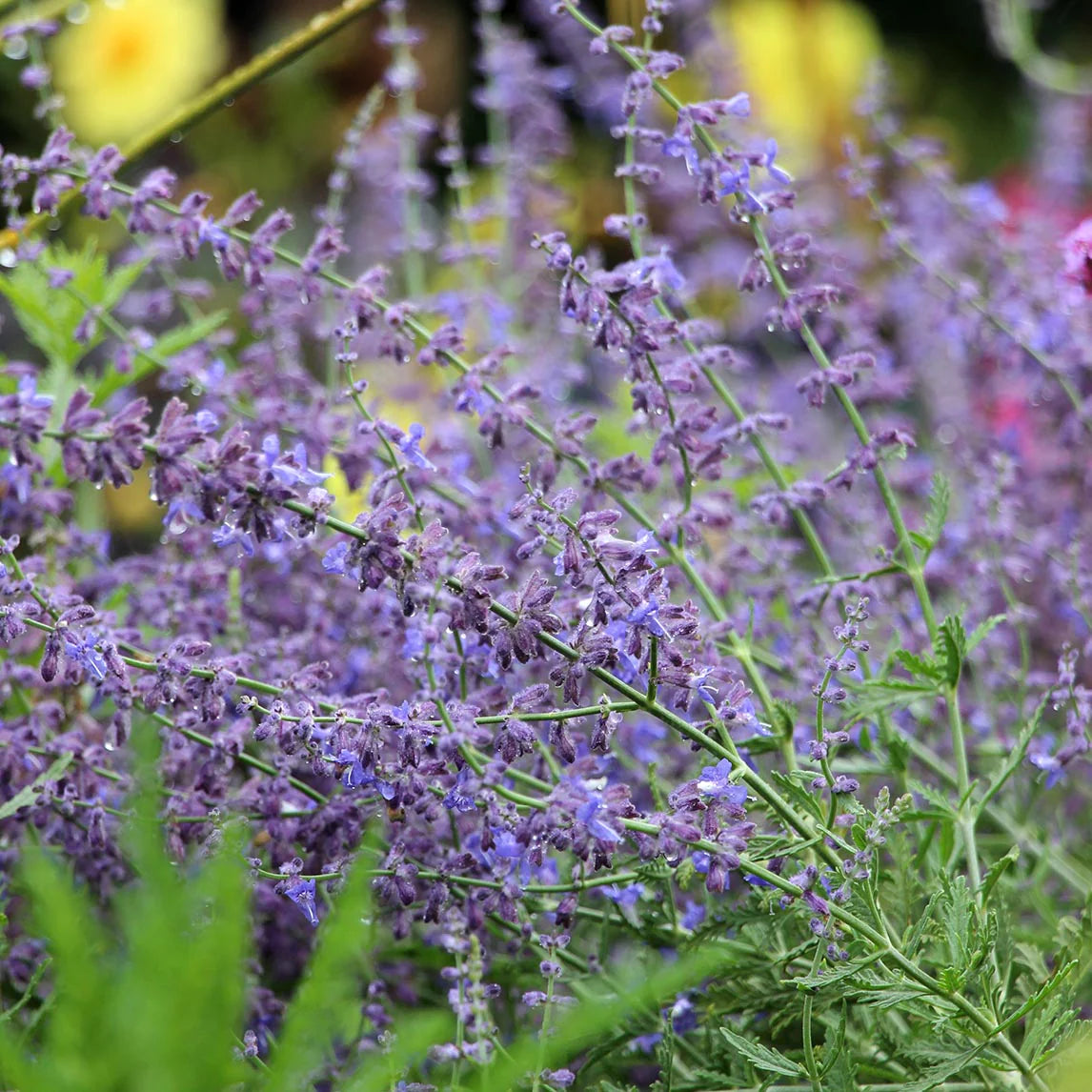
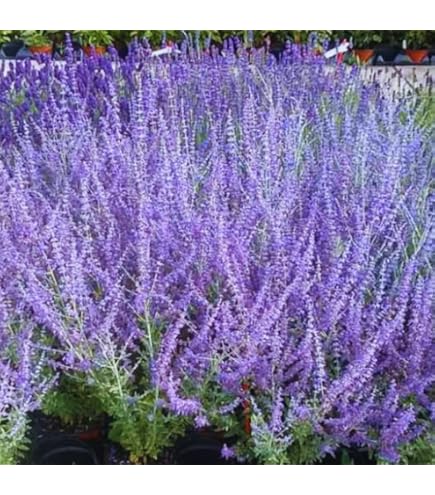
Russian sage has a wonderfully dreamy presence in the garden, with silvery foliage and clouds of delicate blooms that sway gently in the breeze. Its airy form creates a soft, romantic atmosphere among cottage flowers, ornamental grasses, and garden paths. The combination of muted foliage and cool-toned flowers gives the garden a relaxed, countryside feeling.
For gardeners who love graceful textures and softly colored borders, Russian Sage Seeds from Evergrow Seeds are a beautiful addition. Explore availability at evergrowseeds.com while creating a garden filled with silvery foliage, delicate flowers, and timeless cottage charm.
Browse Our Russian Sage Seeds
Russian sage is known for its finely divided, silvery-gray foliage and upright flowering stems. Its small flowers commonly appear in shades of lavender-blue, purple-blue, or soft violet, creating airy sprays of color during the flowering season.
Use Russian sage in cottage borders, flower beds, rock gardens, meadow-style plantings, and mixed perennial spaces. Its upright form pairs beautifully with lavender, yarrow, daisies, ornamental grasses, and other sun-loving garden plants.
Plant Care Insights
- Sunlight: Choose a sunny location with several hours of direct sunlight.
- Soil: Use light, well-drained soil that does not remain overly wet.
- Watering: Allow soil to dry somewhat between regular watering.
- Companion plants: Pair Russian sage with lavender, yarrow, daisies, and ornamental grasses.
- Maintenance: Trim old stems and remove damaged growth to maintain a neat shape.
Frequently Asked Questions
What climate is best for Russian Sage?
Russian sage prefers sunny, warm conditions and well-drained soil.
It can adapt to a range of temperate garden climates.
How large can Russian Sage become?
Russian sage can develop into a tall, upright flowering plant.
Mature size varies according to variety and growing conditions.
Should Russian Sage be pruned?
Cutting back old growth can help maintain a tidy plant shape.
Prune according to local growing conditions and seasonal growth.
What pests commonly affect Russian Sage?
Aphids and spider mites may occasionally appear on sage foliage.
Inspect stems and leaves regularly for signs of pest activity.
Shop By Category