



Verbascum Flower Seeds for Planting – Towering Beauty for a Romantic Garden
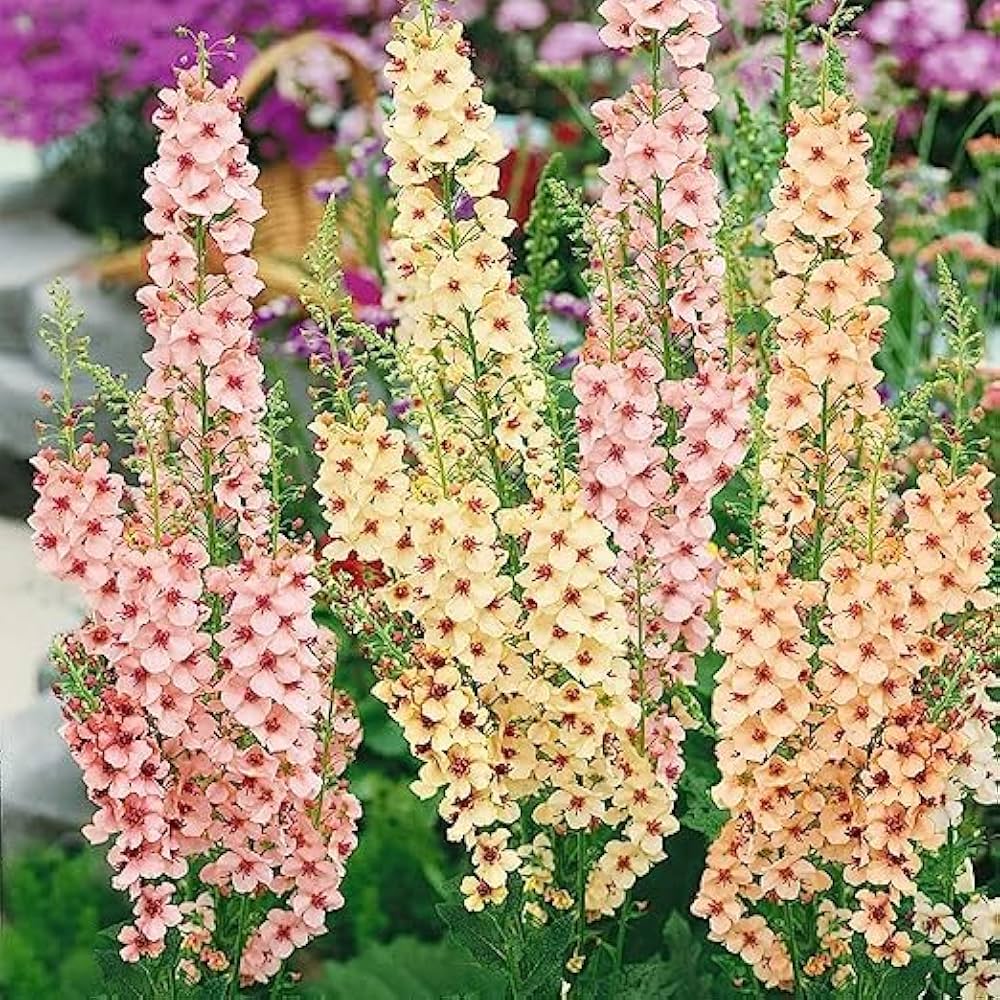
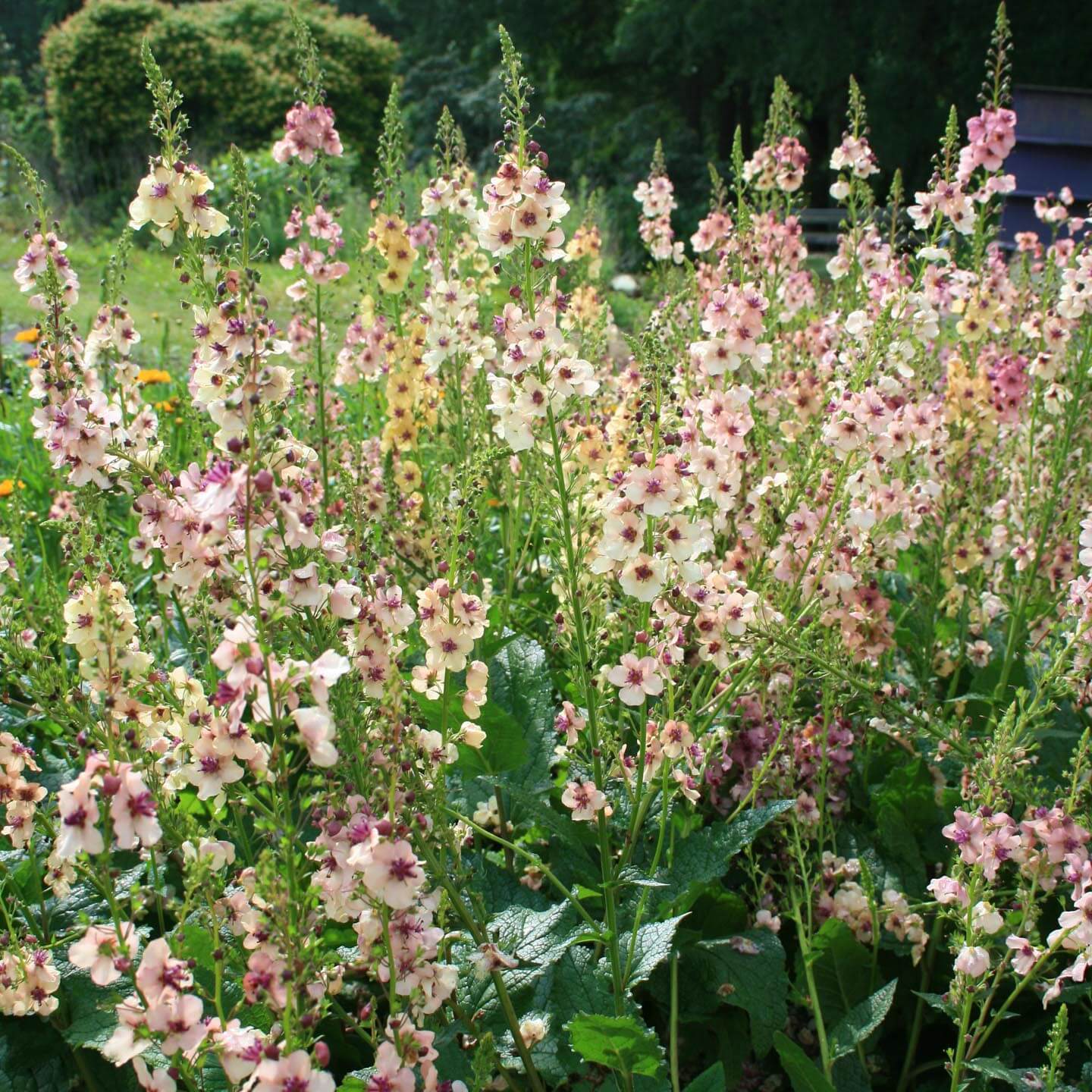
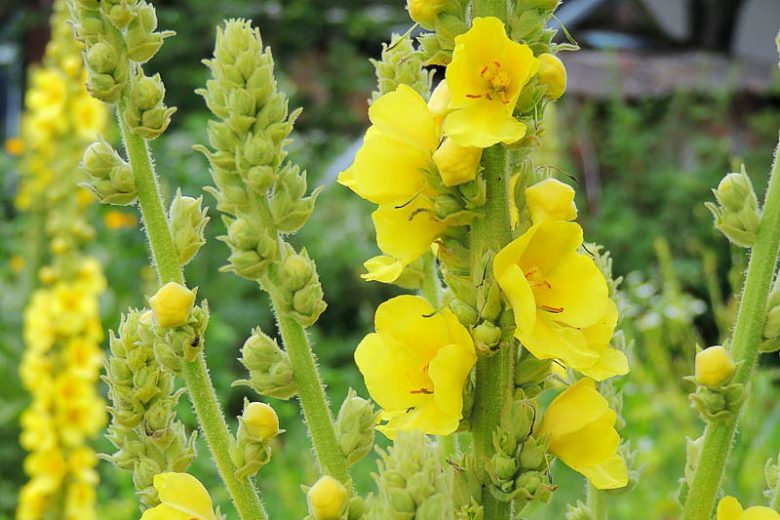
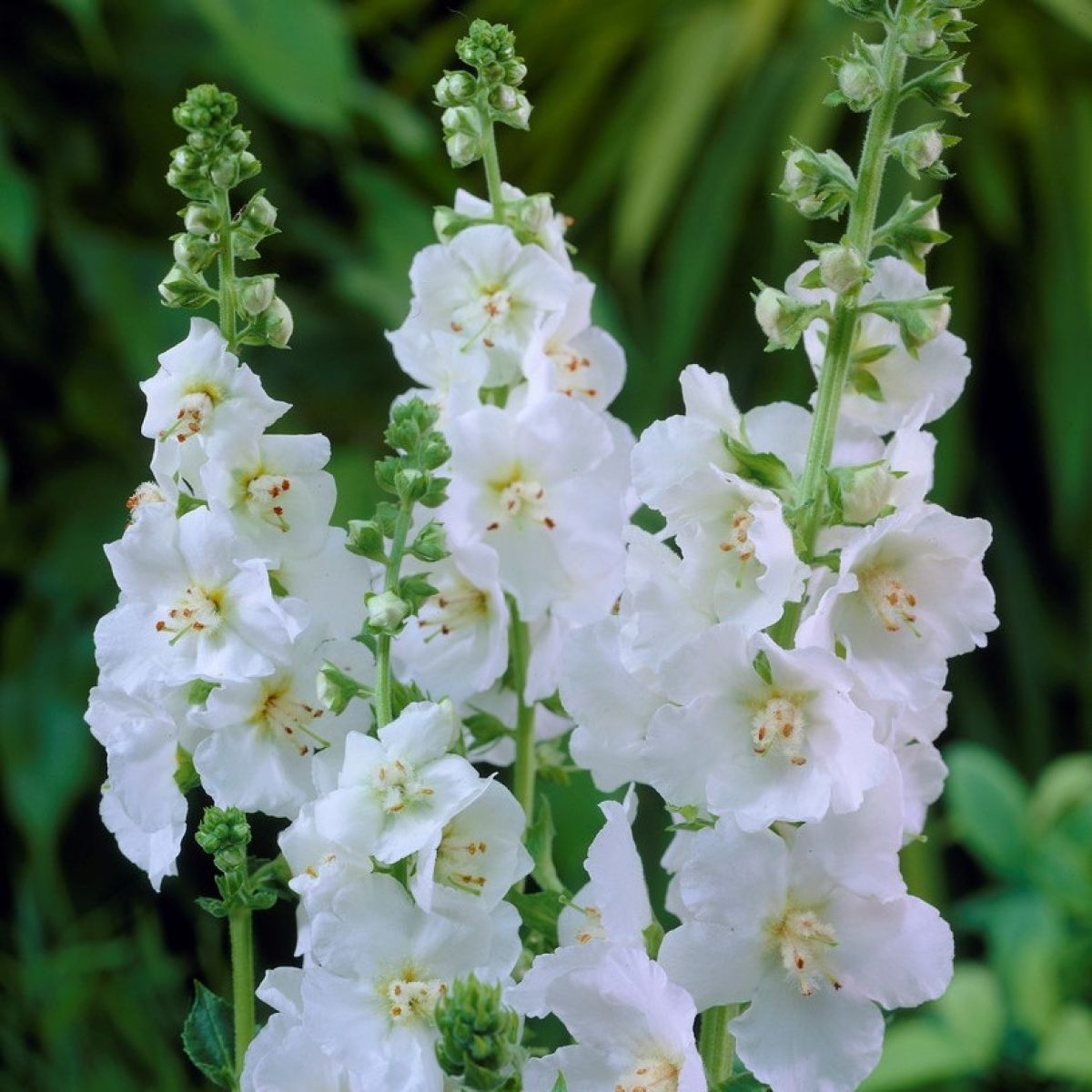
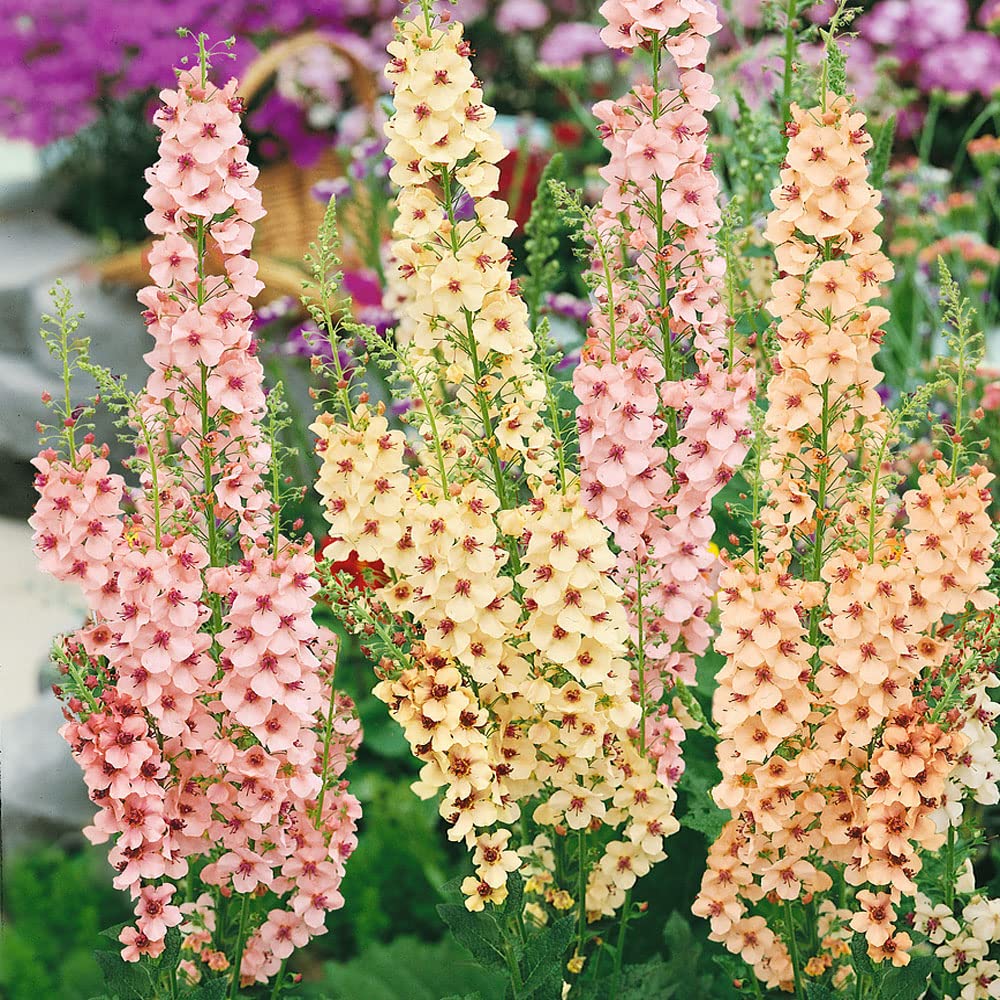
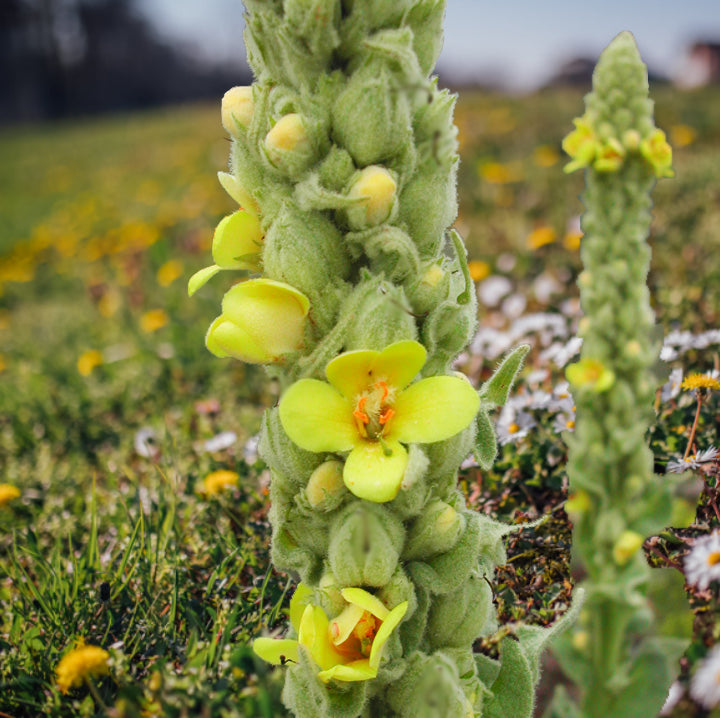
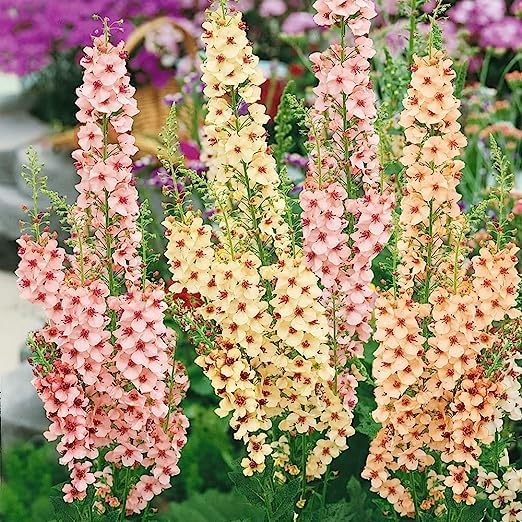
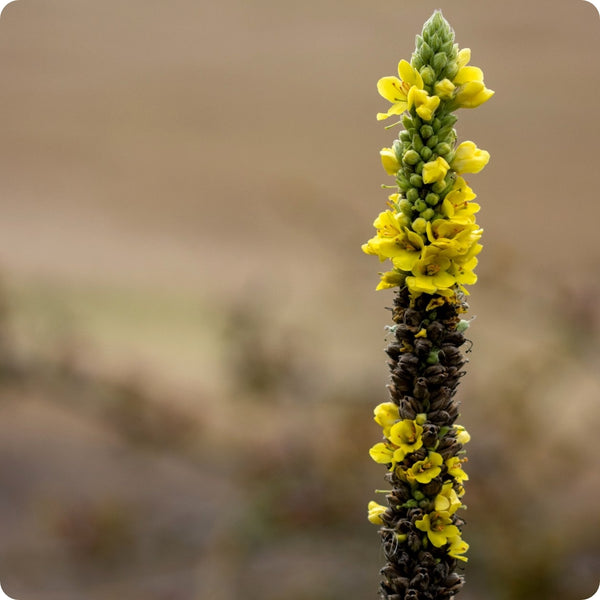
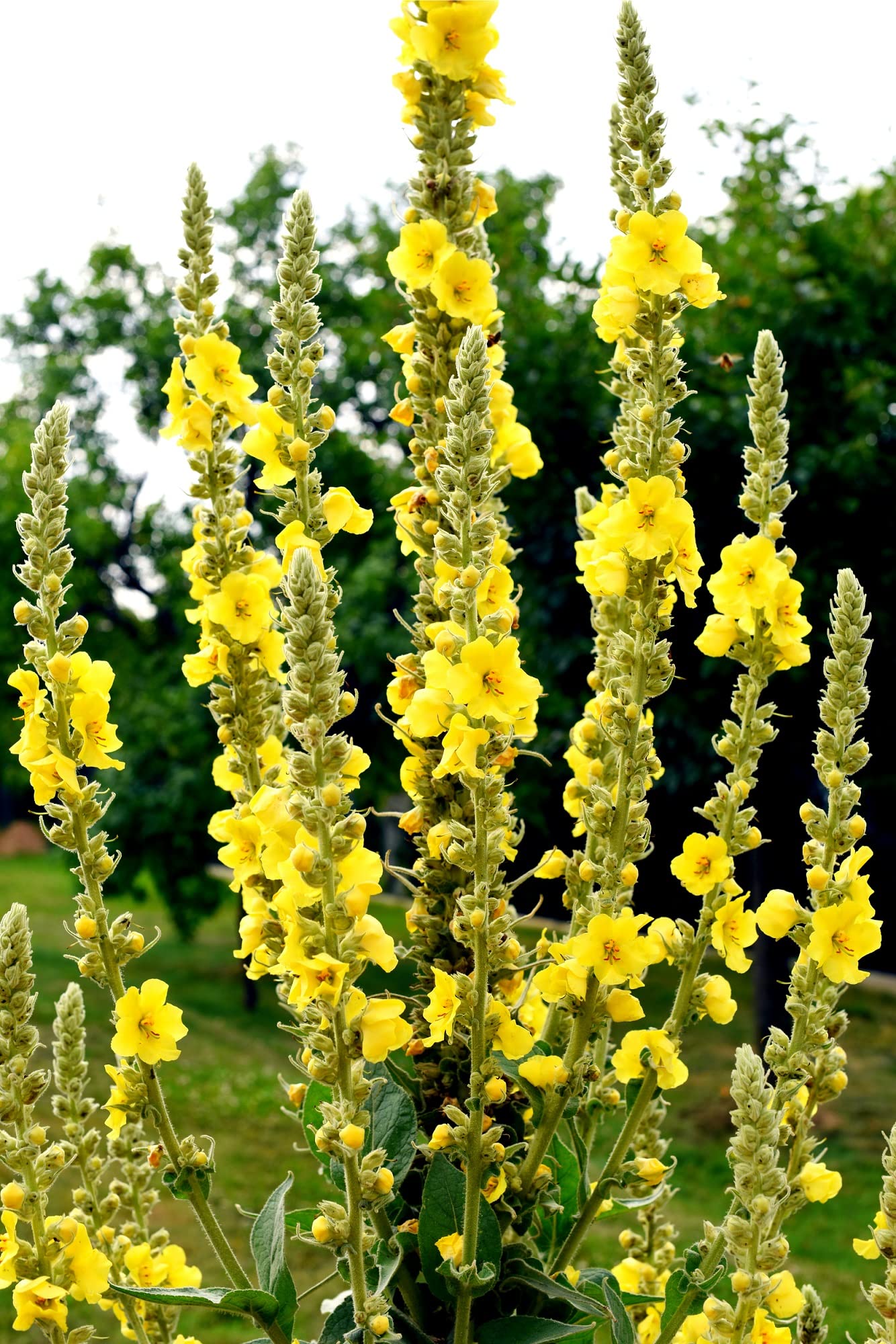
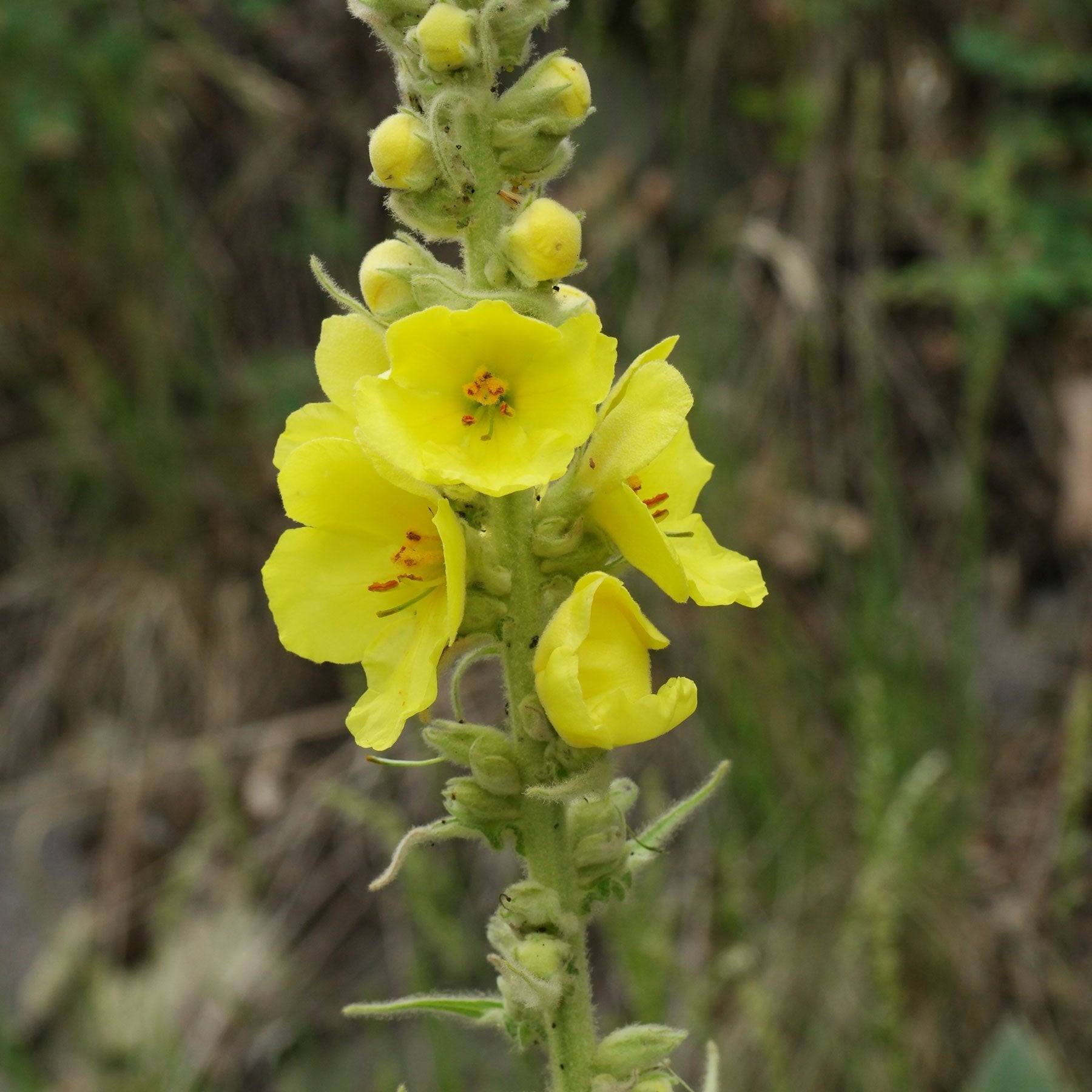
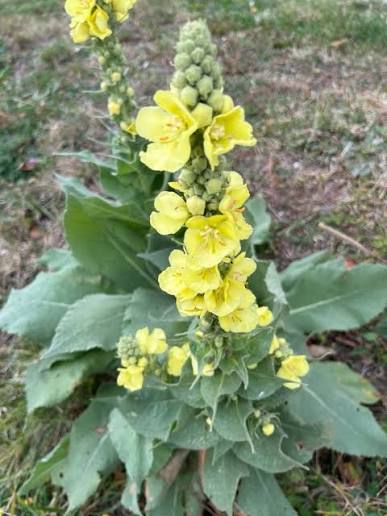
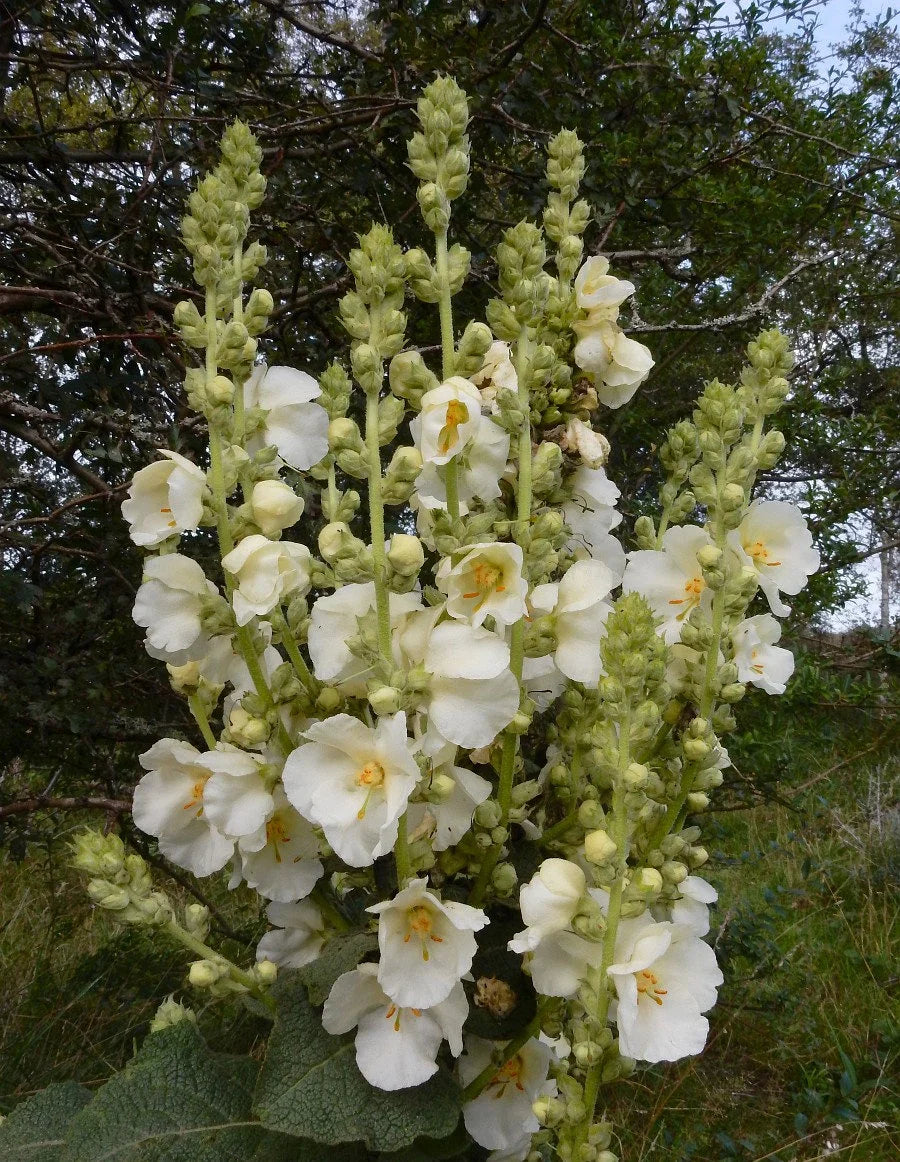
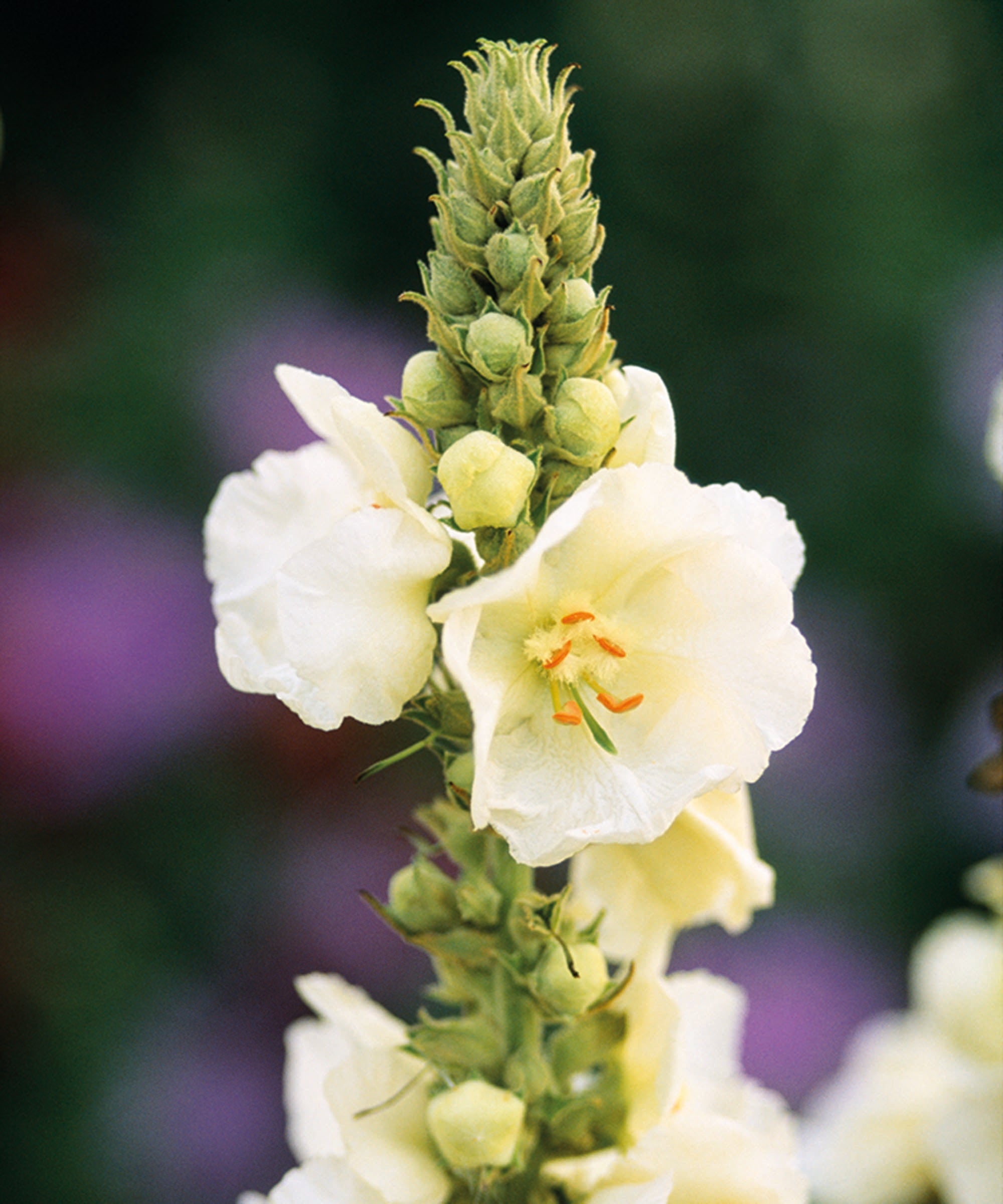
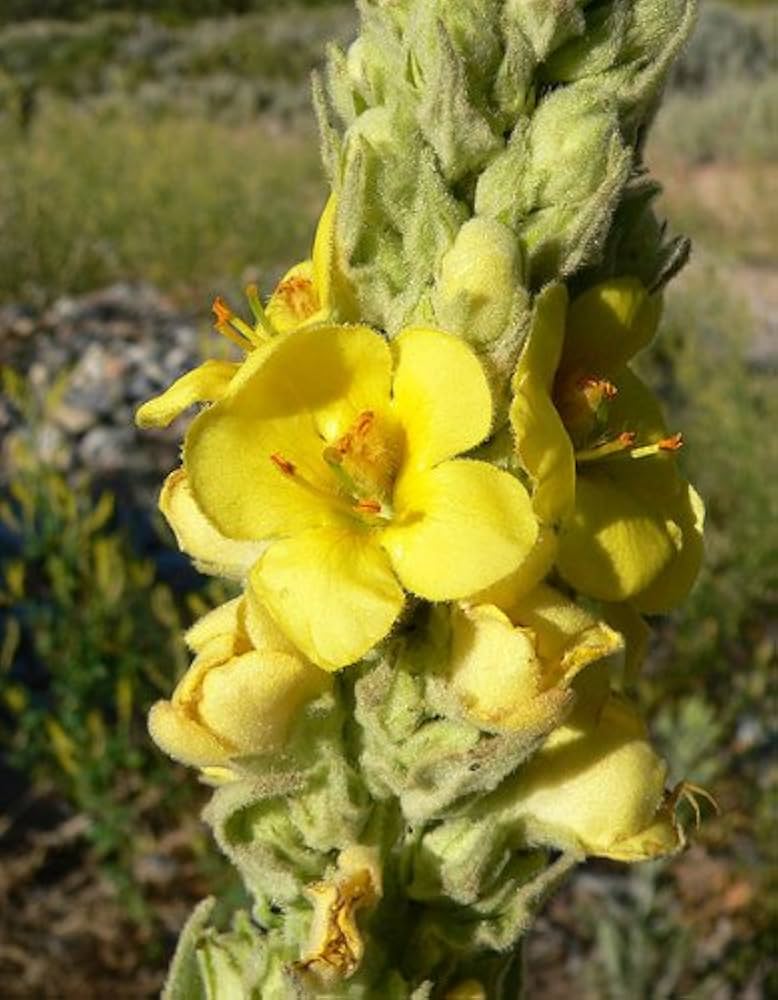
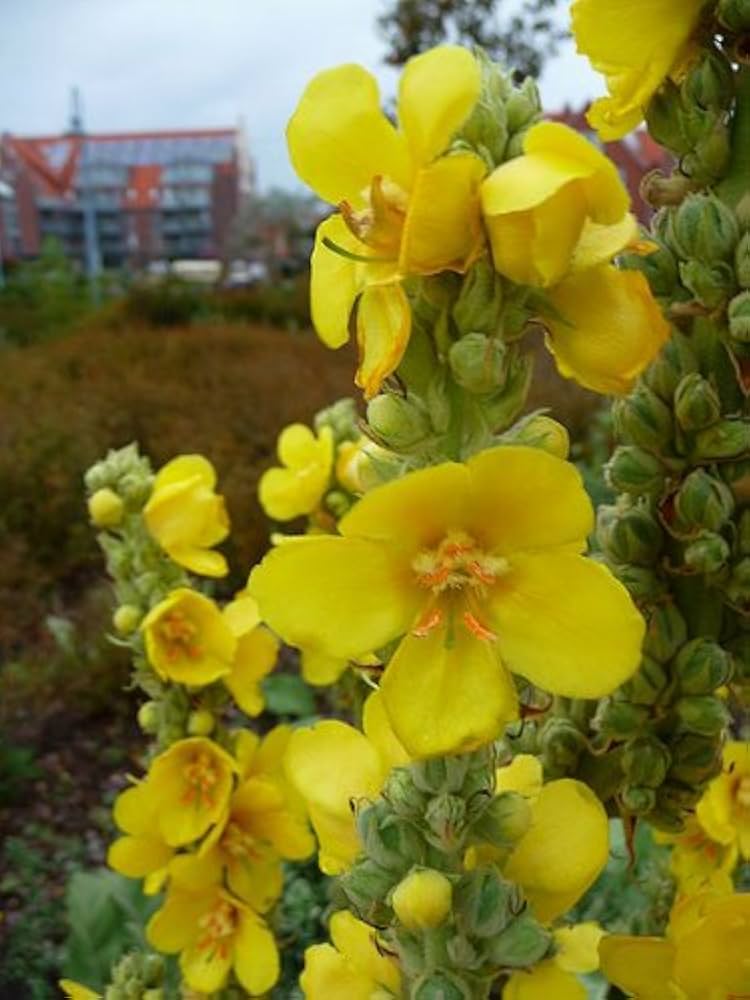
Verbascum brings stately beauty to the landscape, with tall flowering spires rising dramatically above textured foliage. Commonly known as mullein, these distinctive plants create wonderful vertical accents through cottage borders, meadow-style beds, and naturalistic landscapes.
Verbascum Flower Seeds from Evergrow Seeds are available at evergrowseeds.com for US home gardeners interested in ornamental Verbascum species. The genus includes biennial and perennial types with varying flower colors, mature sizes, and growth habits.
Browse Our Verbascum Flower Seeds
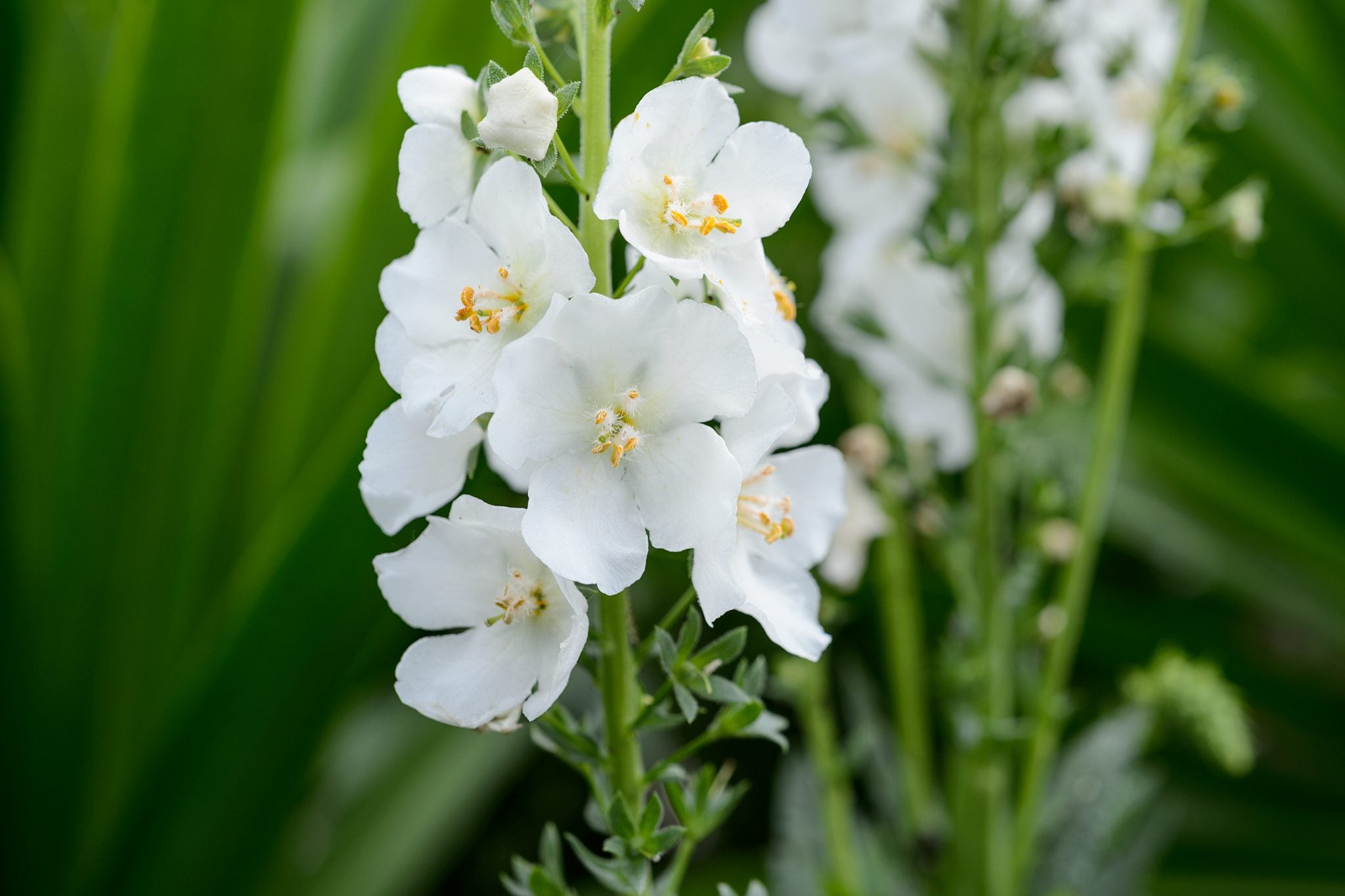
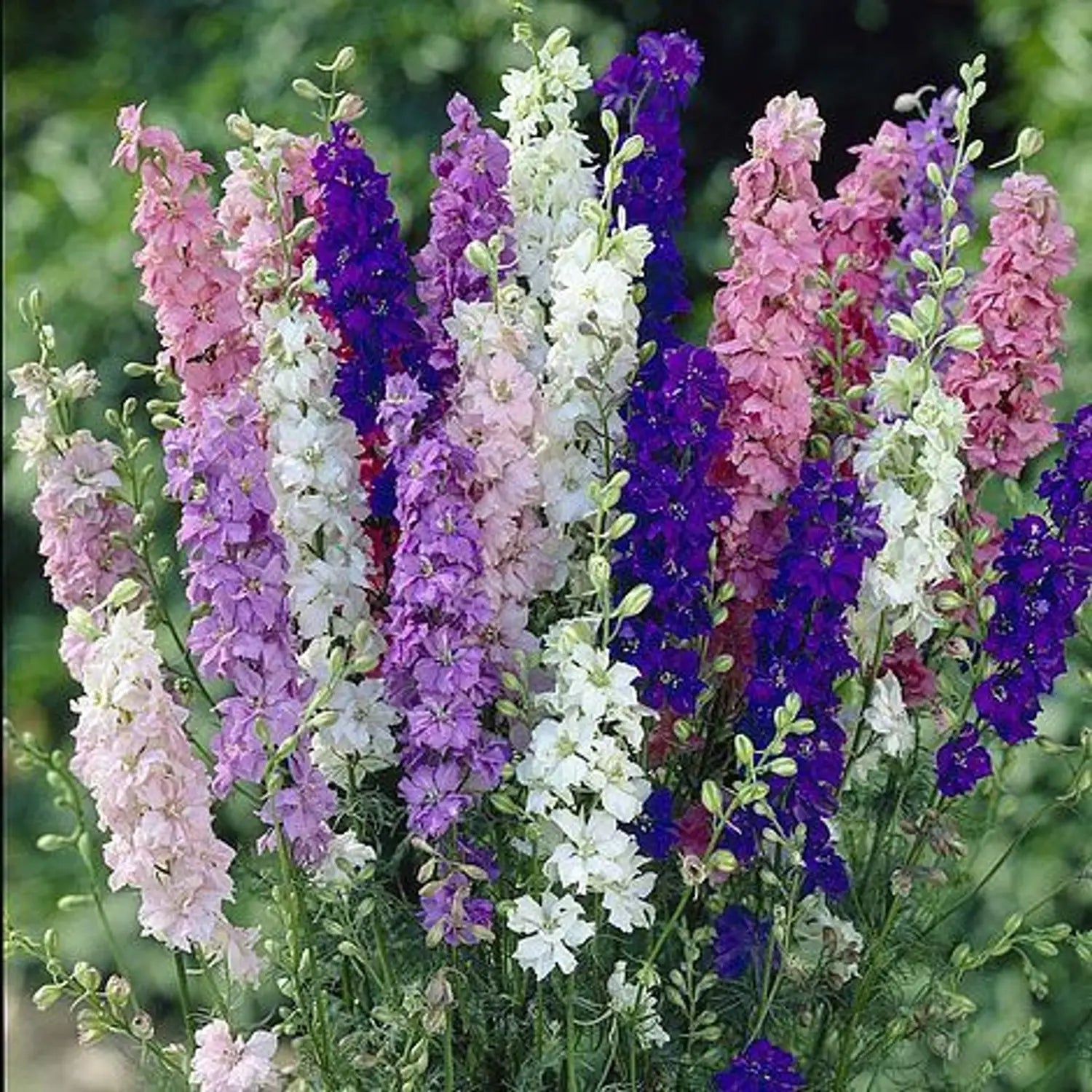
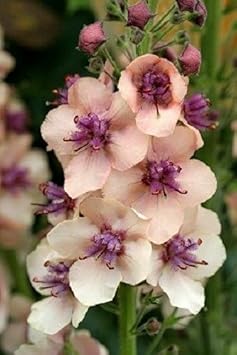
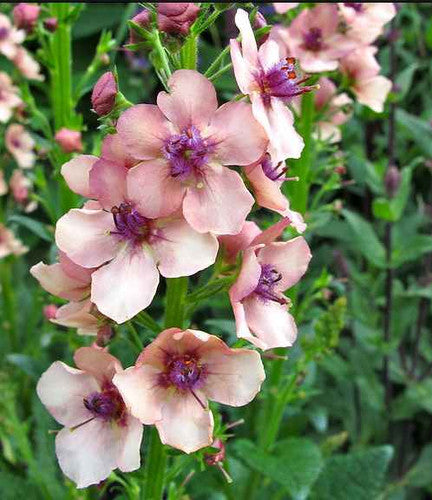
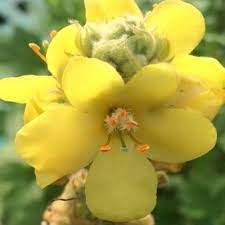
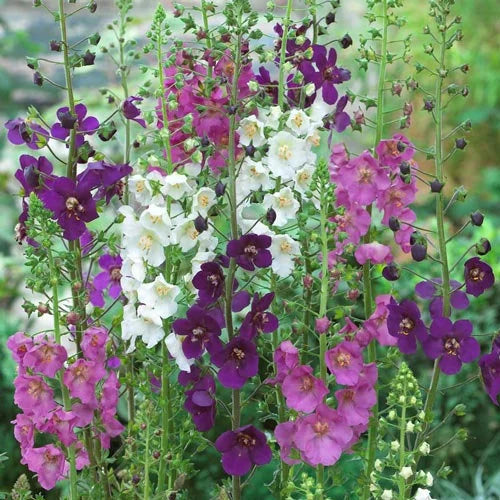
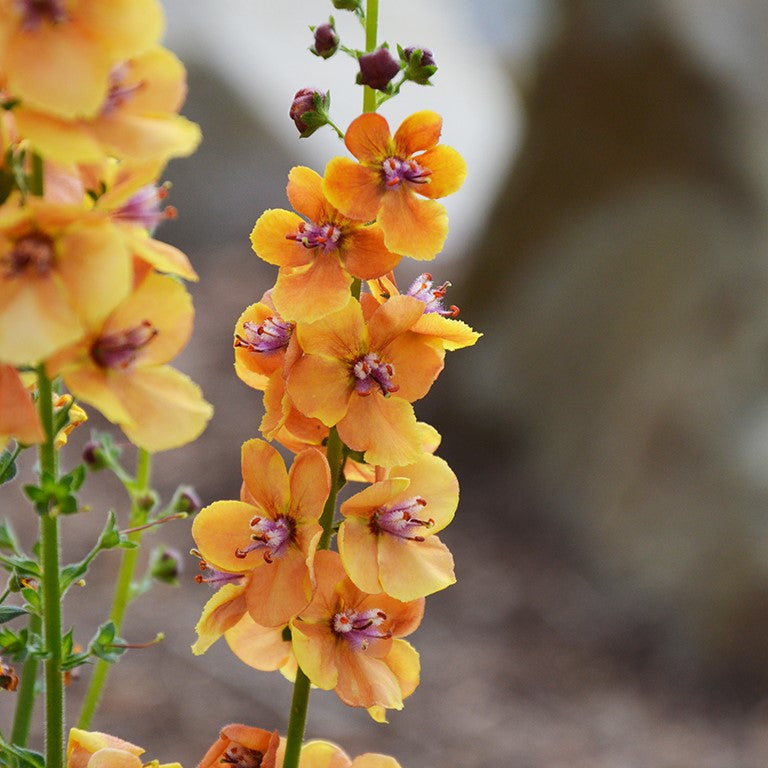
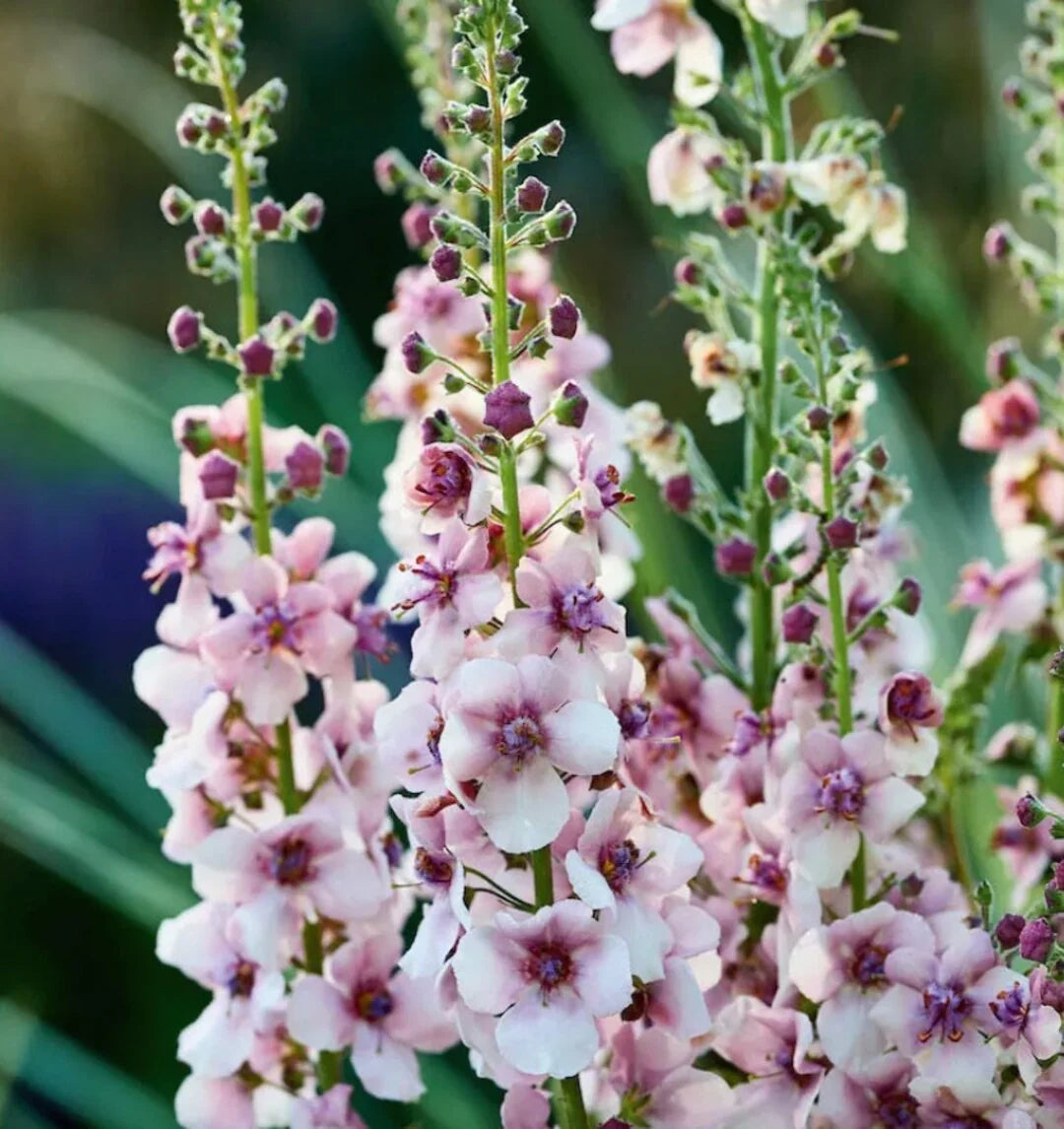
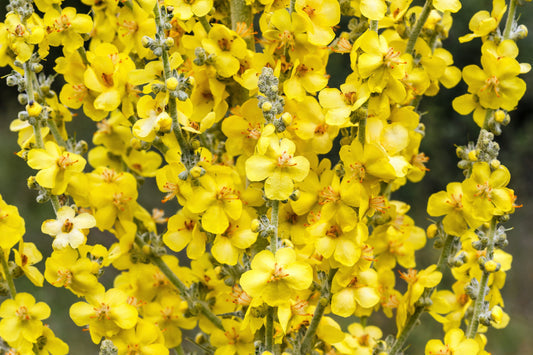
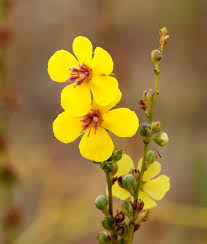
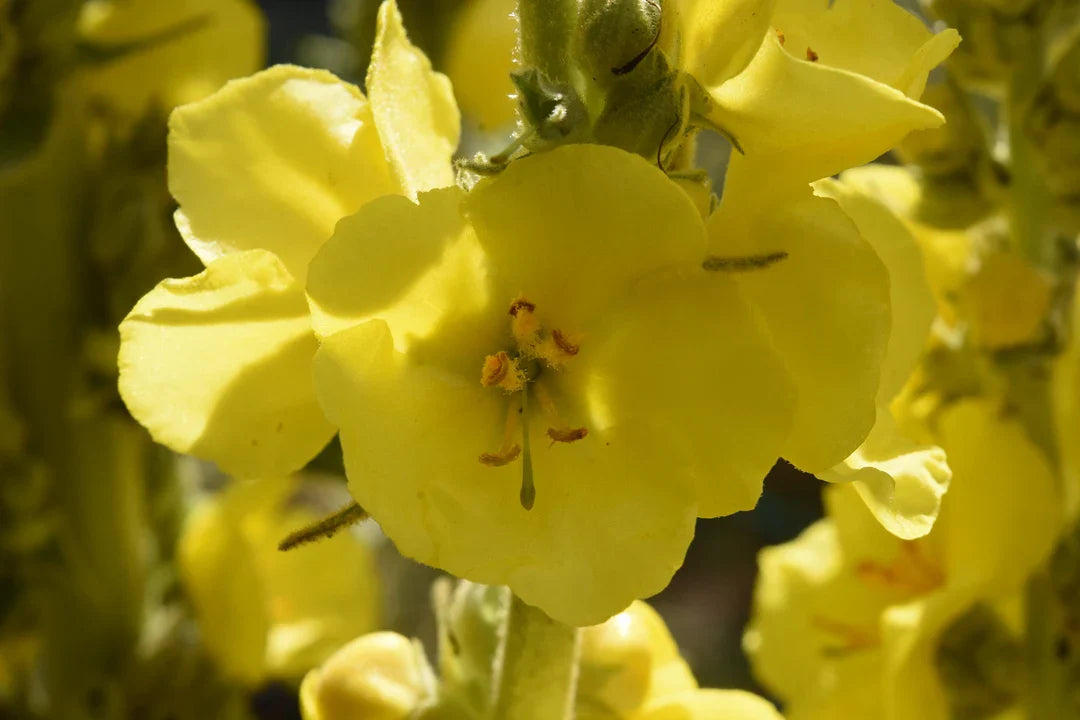
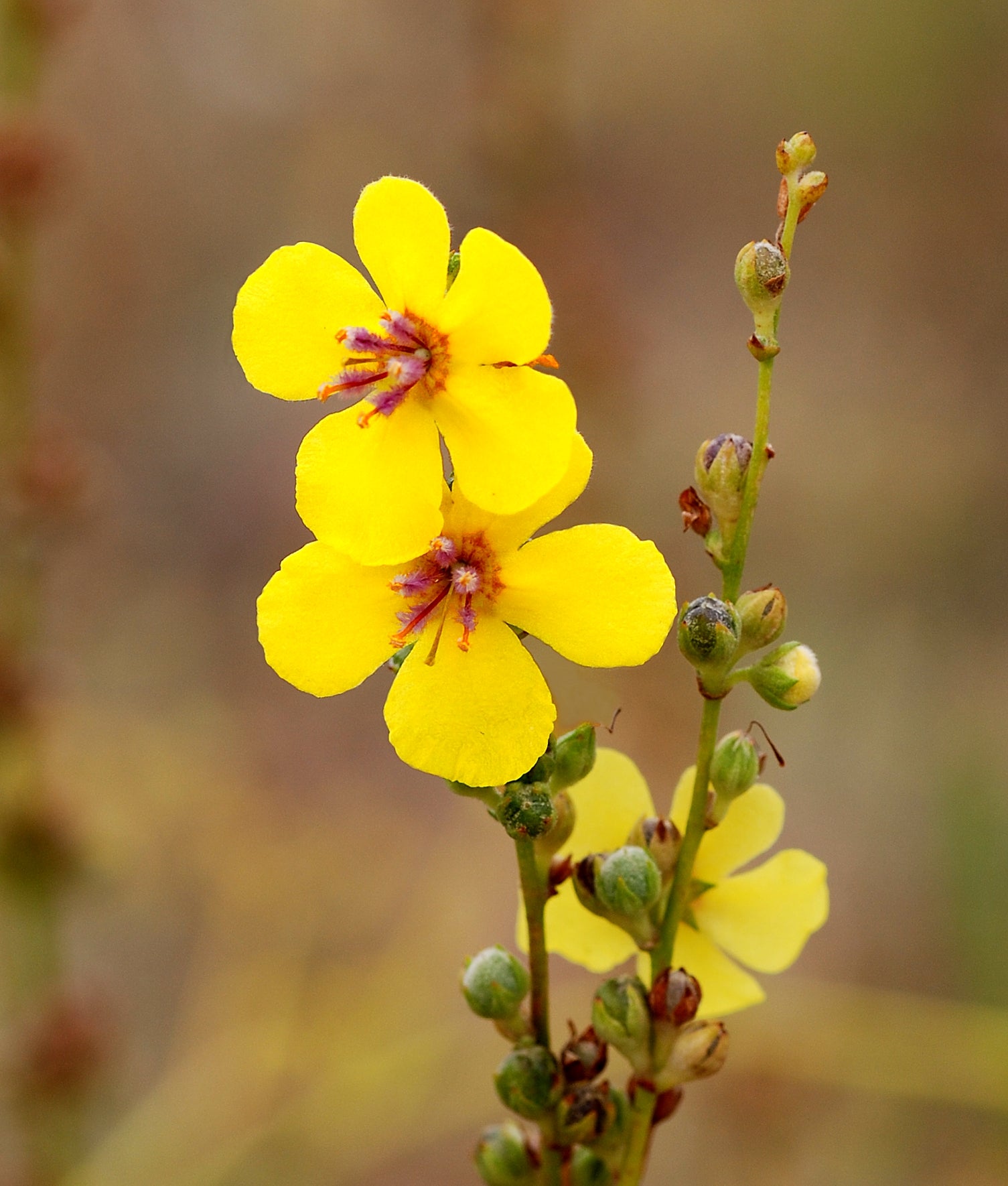
Depending on species and variety, Verbascum flowers may appear in shades of yellow, cream, white, peach, apricot, pink, rose, lavender, or purple, sometimes featuring contrasting centers.
Their tall floral spikes pair beautifully with lavender, salvia, foxgloves, and ornamental grasses, creating a naturally layered cottage-garden display.
Plant Care Insights
Sunlight: Verbascum generally performs best in full sun.
Soil: Choose loose, well-drained soil and avoid persistently wet conditions.
Watering: Provide moderate moisture during establishment; many types tolerate drier conditions once established.
Companion Plants: Pair with lavender, salvia, foxgloves, and ornamental grasses.
Maintenance: Remove faded flower stalks or leave selected plants to produce seed.
Frequently Asked Questions
Can Verbascum grow across different US climates?
Many Verbascum species adapt well to temperate regions of the United States.
Hardiness and regional performance vary according to species.
How large can mature Verbascum plants become?
Verbascum ranges from moderately sized ornamentals to impressively tall flowering plants.
Final height depends on species, genetics, and growing conditions.
When does Verbascum typically produce flowers?
Many varieties flower from late spring through the summer months.
Exact flowering time varies according to species and regional climate.
Does Verbascum naturally reseed?
Yes, some Verbascum species can self-seed readily under favorable conditions.
Removing mature flower stalks can help manage unwanted reseeding.
Shop By Category