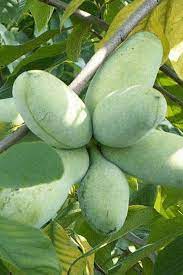
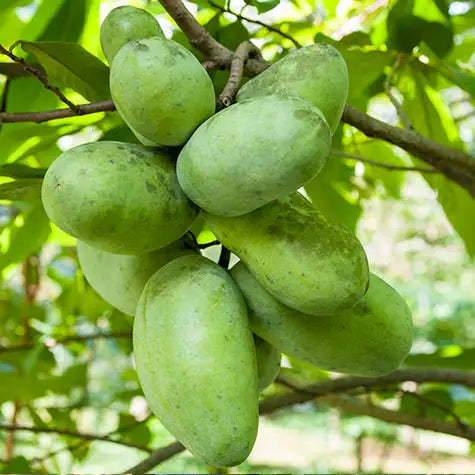
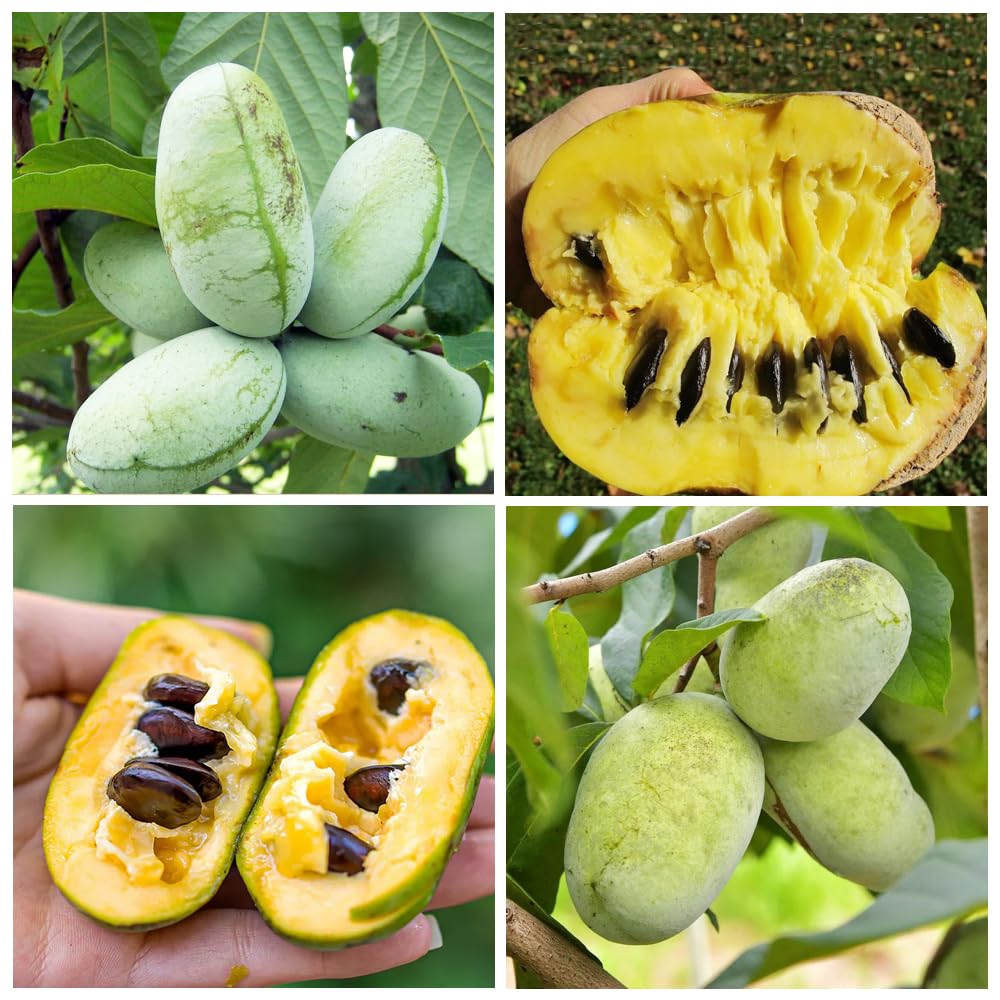
Pawpaw Fruit Seeds – Native Woodland Charm for Home Gardens
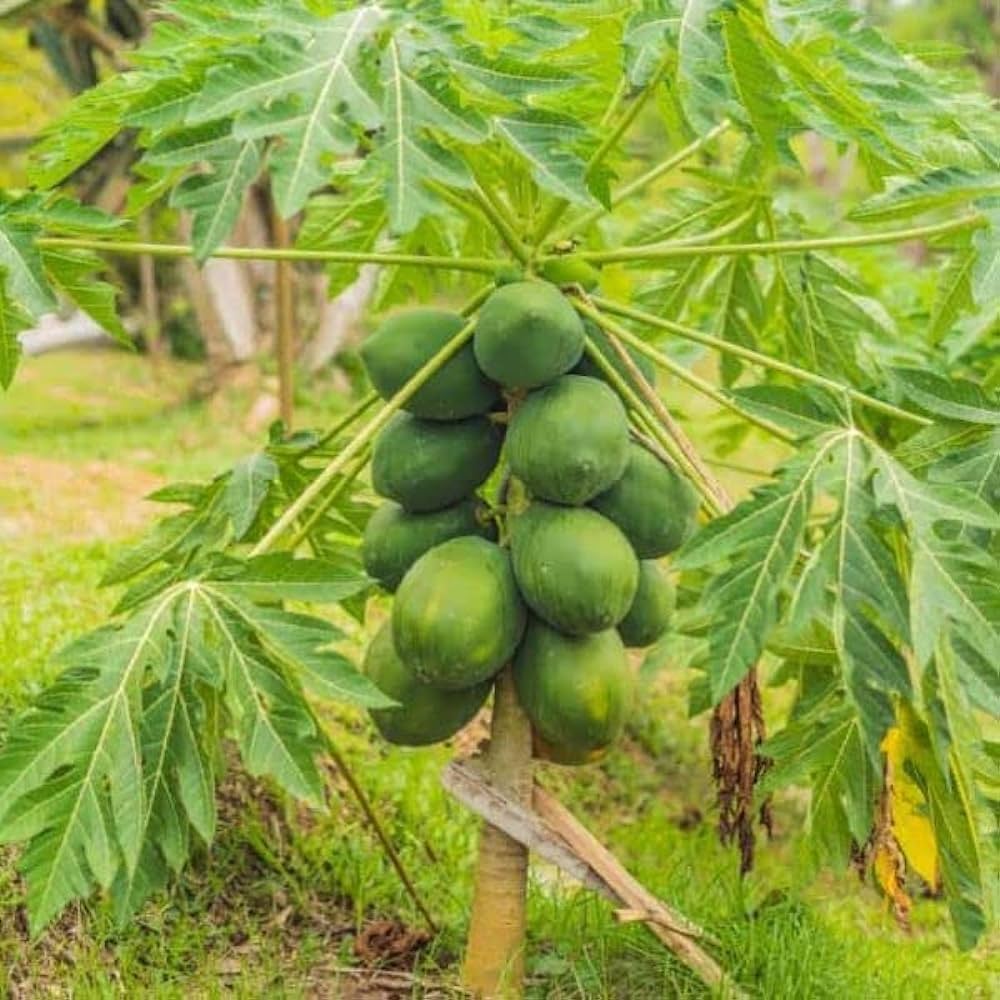
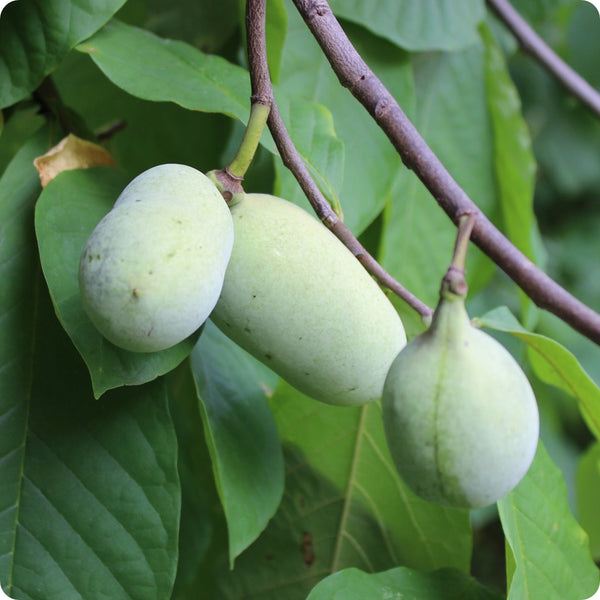
Pawpaw brings the quiet romance of an American woodland into the home garden. Its broad, graceful leaves, unusual spring blossoms, and distinctive green fruits create a naturally relaxed landscape that blends beautifully with informal orchards and cottage gardens inspired by native plants.
Pawpaw Fruit Seeds are available from Evergrow Seeds at evergrowseeds.com, offering home gardeners an interesting native fruit tree for woodland edges, backyard orchards, edible landscapes, and naturally styled garden spaces.
Browse Our Pawpaw Fruit Seeds
Pawpaw trees typically produce distinctive flowers that begin greenish and develop into deep maroon, burgundy, reddish-purple, or brownish-purple tones. Natural variation can occur between individual plants. Their broad foliage and understated woodland character make pawpaws attractive for native gardens, informal orchards, edible landscapes, and shaded cottage-style borders.
Plant Care Insights
Sunlight: Young trees appreciate some protection, while established trees can grow in stronger sun.
Soil: Choose fertile, slightly acidic, well-draining soil rich in organic matter.
Watering: Maintain consistent moisture while avoiding prolonged waterlogged conditions.
Companion Plants: Pair with compatible native woodland flowers, shrubs, and pollinator-friendly plants.
Maintenance: Protect young trees from harsh exposure and prune damaged branches when necessary.
Frequently Asked Questions
What climate is best for Pawpaw trees?
Pawpaws suit many temperate regions of the eastern United States.
They benefit from seasonal warmth along with winter dormancy.
How large can a mature Pawpaw tree become?
Pawpaws generally develop into small to medium-sized understory trees.
Their mature dimensions vary with location and growing conditions.
What do Pawpaw flowers look like?
Flowers develop rich maroon to reddish-purple coloring as they mature.
Their unusual appearance adds distinctive spring interest to gardens.
Which pests may affect Pawpaw trees?
Pawpaws generally experience relatively few serious insect pest problems.
Occasional pests should be identified before choosing any control method.
Shop By Category