Epazote Seeds for Planting – Rustic Character for a Cottage Herb Garden
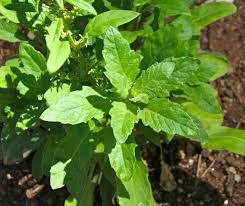
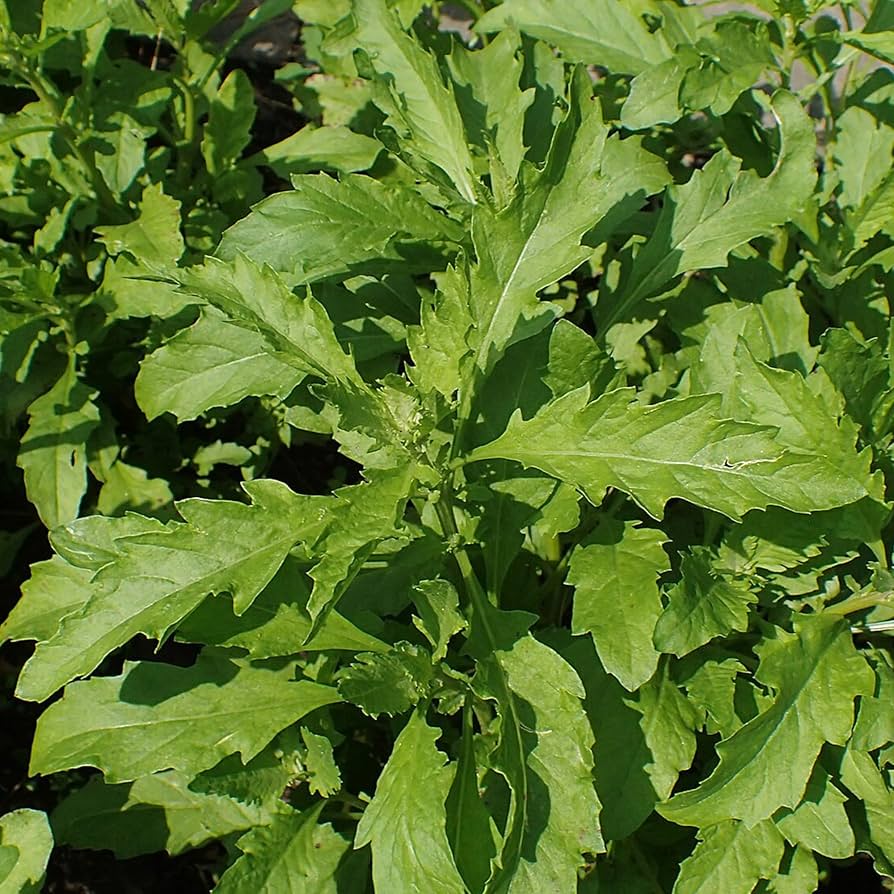
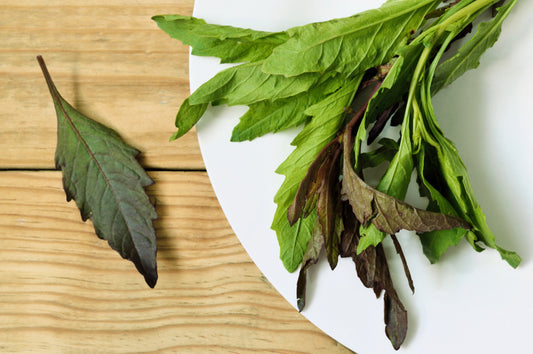
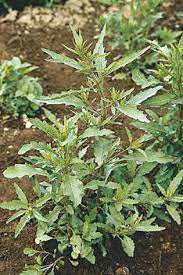
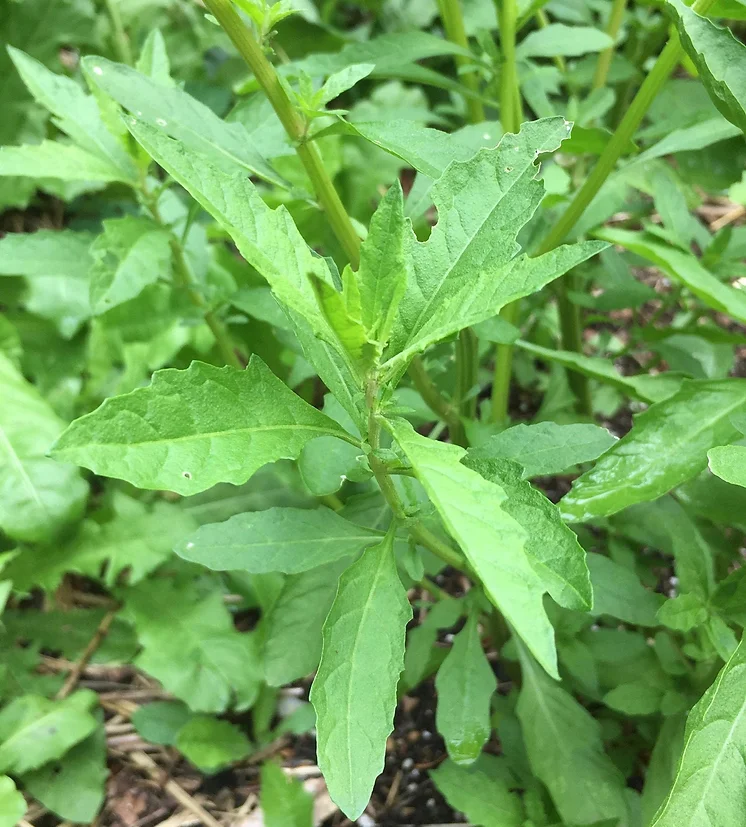
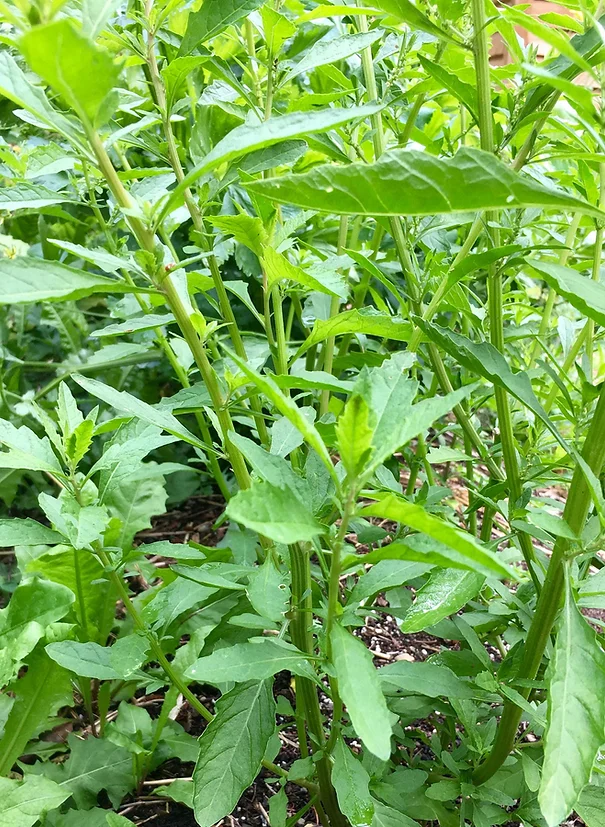
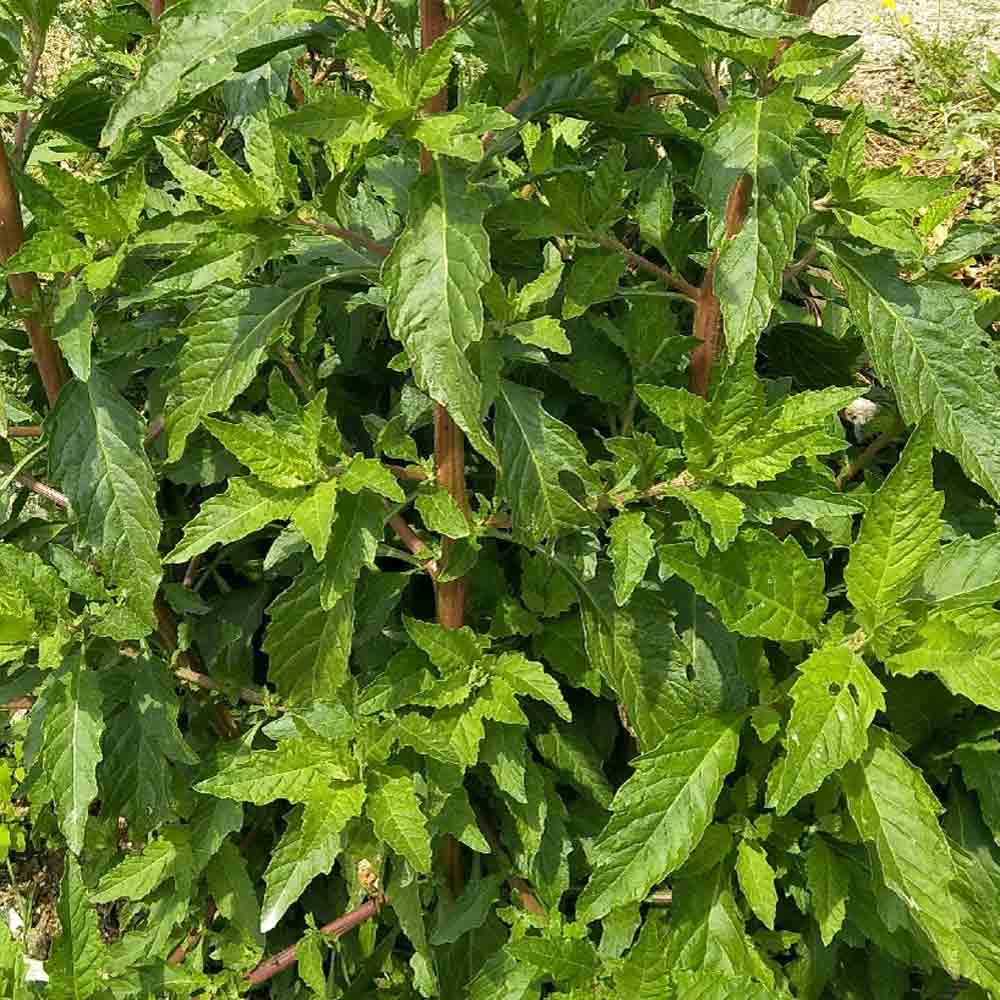
Epazote brings a wonderfully rustic presence to the herb garden, with branching stems, textured green leaves, and a strong, distinctive aroma. Botanically known as Dysphania ambrosioides, this traditional culinary herb develops an informal, almost wild appearance that fits naturally into kitchen gardens and relaxed cottage-style plantings. It is commonly grown as an annual and may behave as a short-lived perennial in warmer climates.
Epazote Seeds from Evergrow Seeds are available at evergrowseeds.com for US home gardeners interested in adding an uncommon culinary herb to their garden collection. Its leaves have a long history of use for flavoring traditional Mexican dishes, including beans and other savory preparations.
Browse Our Epazote Seeds
Epazote is primarily valued for its green to yellow-green aromatic foliage rather than showy flowers. Mature plants produce tiny, inconspicuous flowers that are typically green to yellow-green, arranged in dense clusters or slender spikes.
Its upright, branching form adds distinctive texture to kitchen gardens, dedicated herb beds, and informal edible landscapes. Because epazote can reseed readily, gardeners may prefer to give mature plants enough space and manage unwanted seedlings as they appear.
Plant Care Insights
Sunlight
Epazote generally performs best in full sun, with six or more hours of direct sunlight supporting vigorous growth.
Soil
Choose moderately fertile, moist, well-drained soil. Epazote can also tolerate sandy and rocky soils once established.
Watering
Maintain moderate moisture while avoiding persistently waterlogged conditions around the roots.
Companion Plants
Give epazote sufficient room around neighboring herbs and vegetables because mature plants can become tall, branching, and vigorous.
Maintenance
Pinching or trimming stems can encourage bushier growth. Remove flower clusters when appropriate if you want to reduce extensive self-seeding around the garden.
Frequently Asked Questions
Can epazote grow across different US climates?
Epazote is commonly annual but may persist longer in warmer climates.
Cold regions generally grow it during the frost-free season.
How large can mature epazote plants become?
Epazote can develop into a tall, upright, heavily branching herb.
Mature plants may reach roughly two to five feet tall.
When does epazote typically produce flowers?
Epazote generally develops its small greenish flowers from summer into fall.
The blooms appear in dense clusters along slender flowering spikes.
Should epazote plants be pruned during the season?
Pinching growing stems can encourage a more compact, bushy plant shape.
Removing flowers can also help limit unwanted self-seeding.
Shop By Category