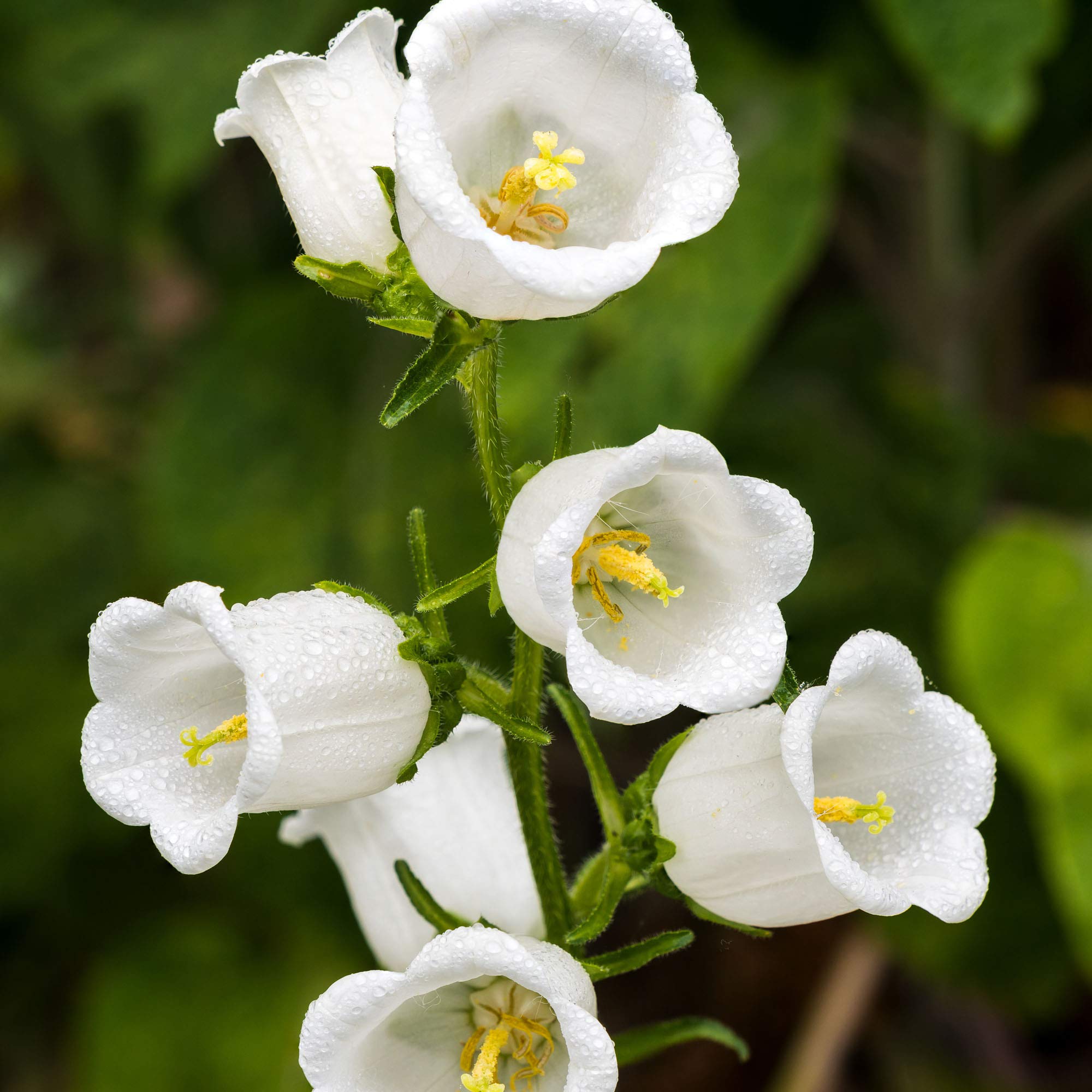
Canterbury Bells Flower Seeds for Planting – Storybook Beauty for a Romantic Garden
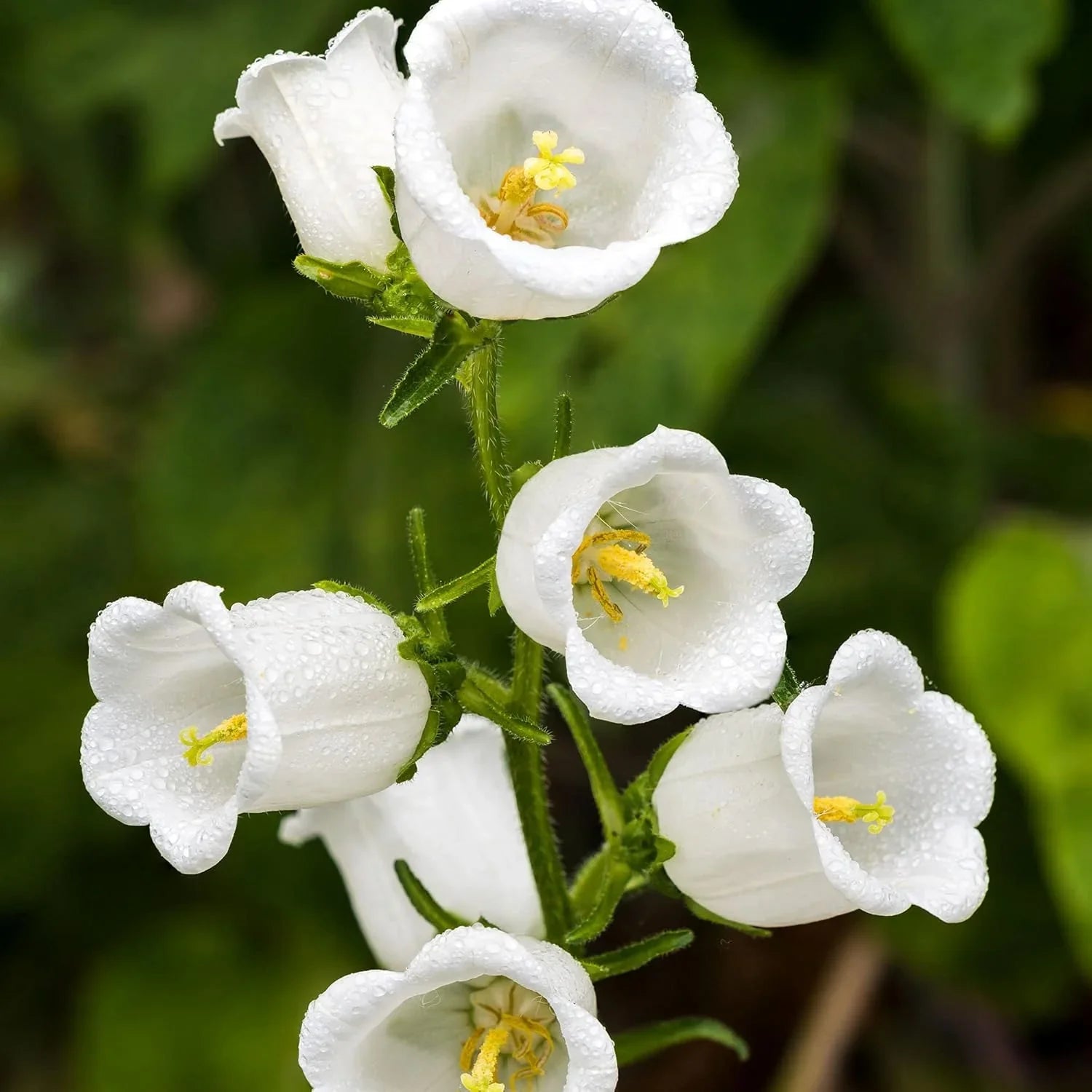
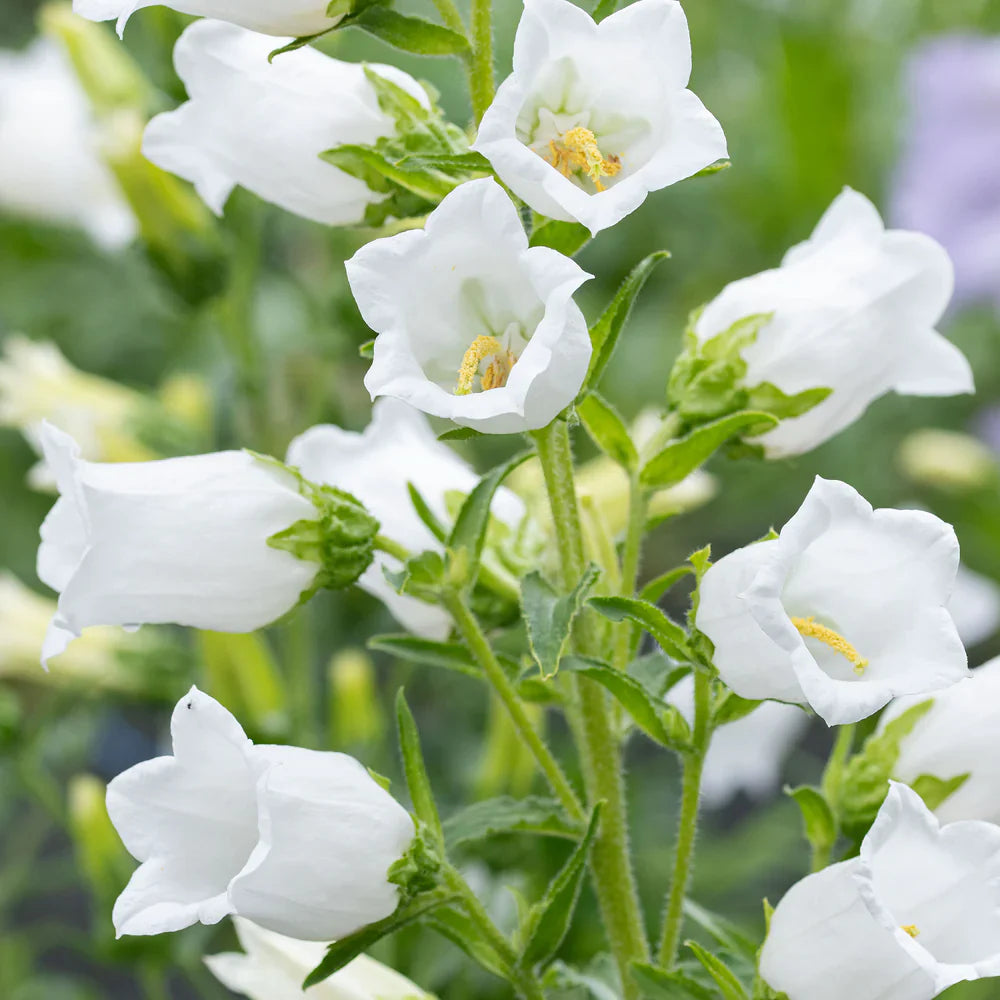
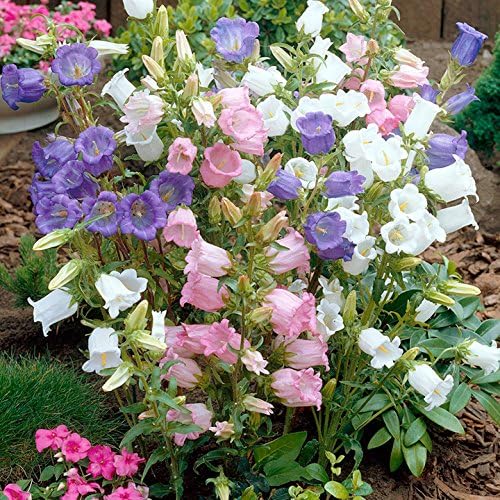
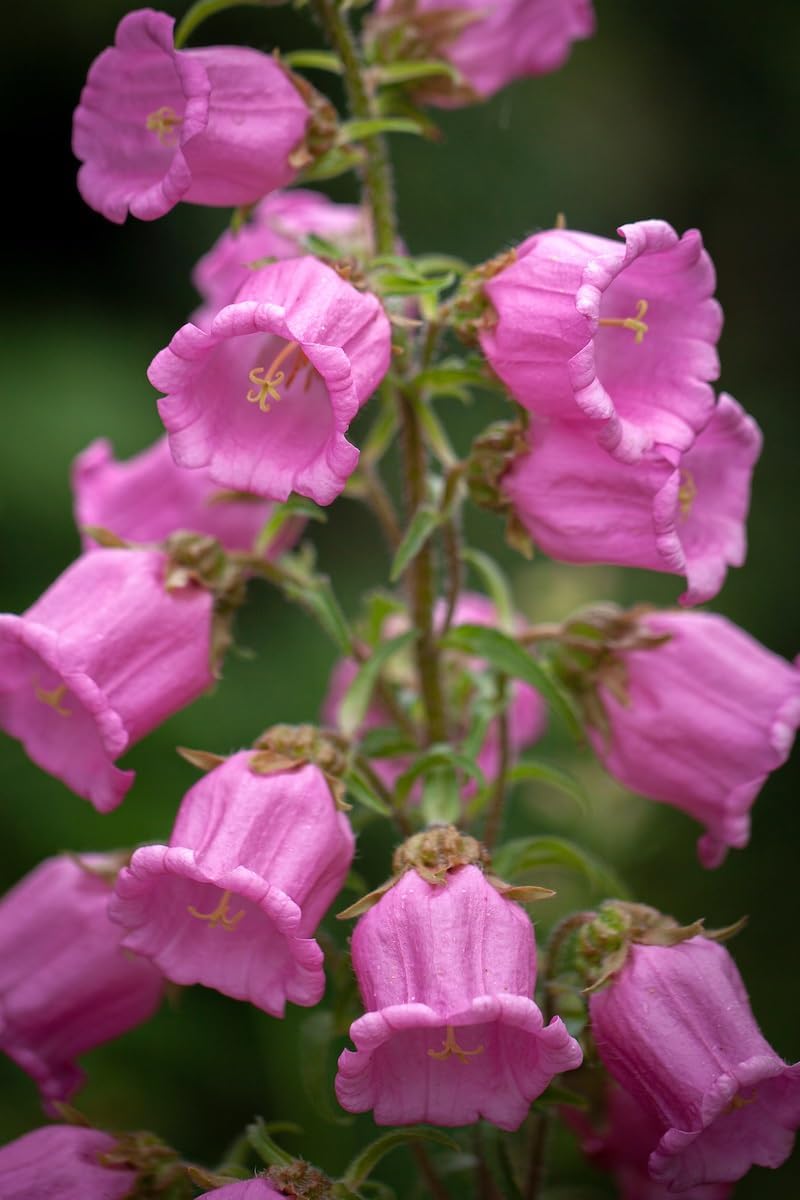
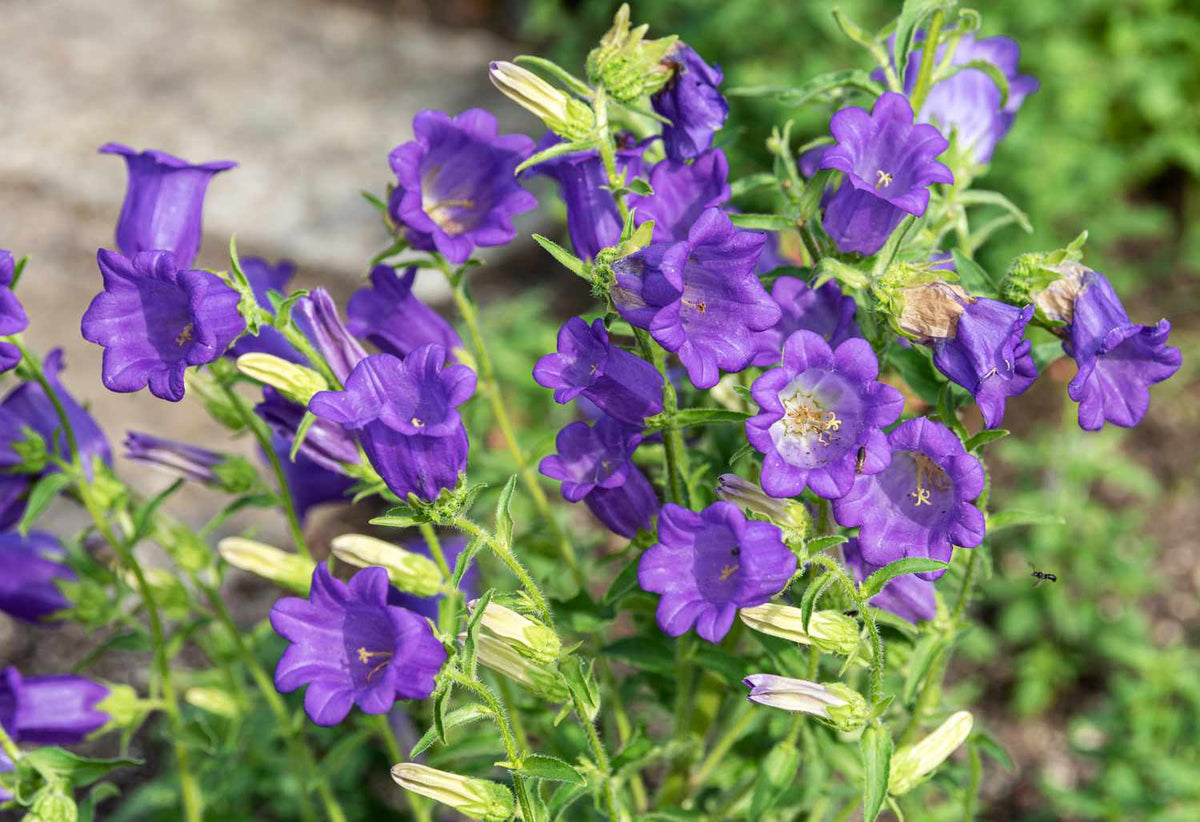
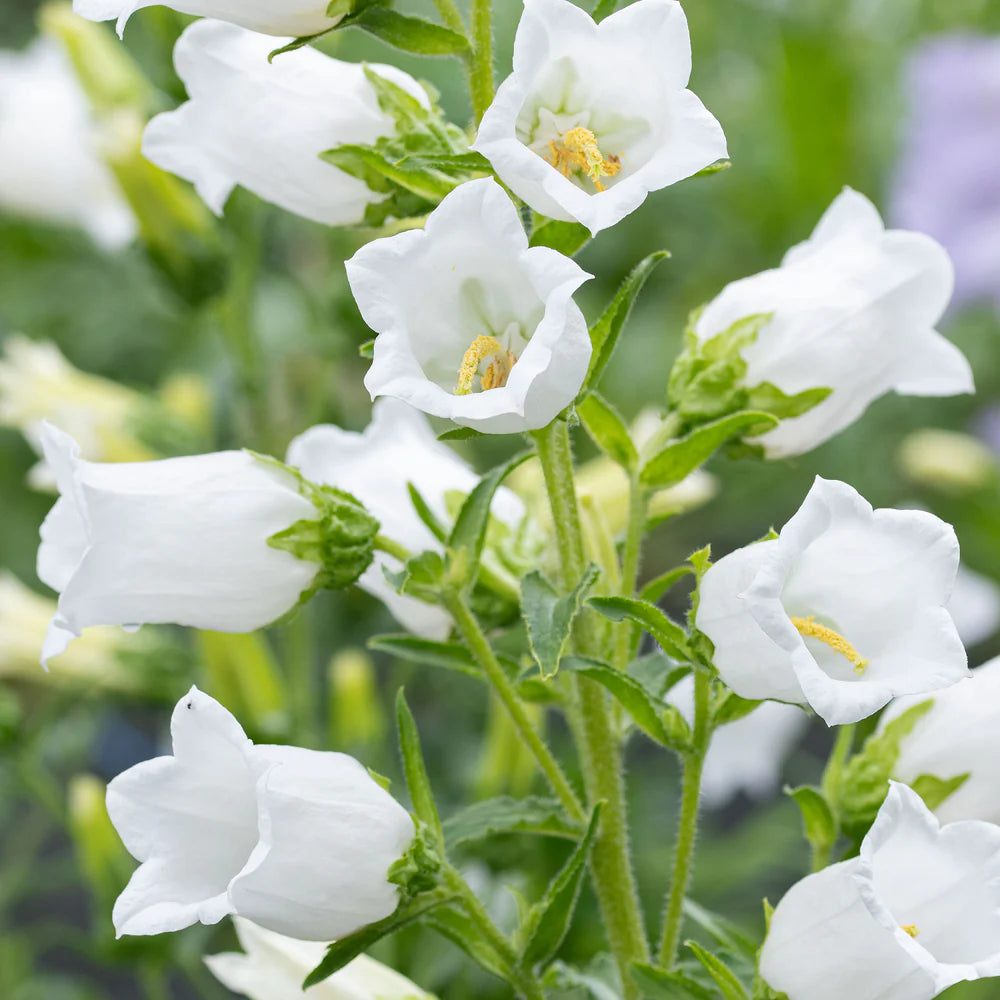
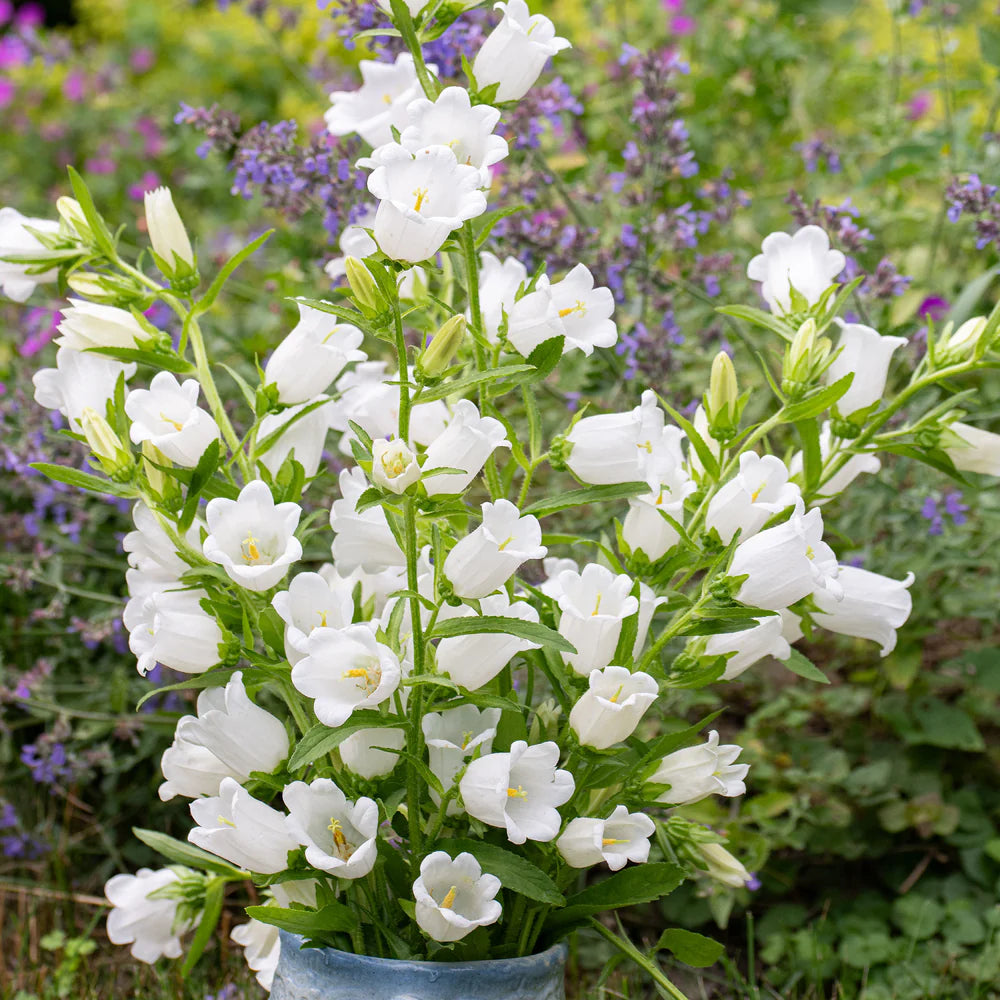
Canterbury Bells bring the enchanting character of an old-fashioned cottage garden, with tall stems carrying clusters of large, bell-shaped flowers. Their graceful blooms create a storybook display beside pathways, fences, and mixed borders, adding soft color and beautiful vertical structure.
Canterbury Bells Flower Seeds from Evergrow Seeds are available at evergrowseeds.com for US home gardeners interested in Campanula medium. This traditional cottage flower is commonly grown as a biennial, developing leafy growth before producing its spectacular flowering stems.
Browse Our Canterbury Bells Flower Seeds
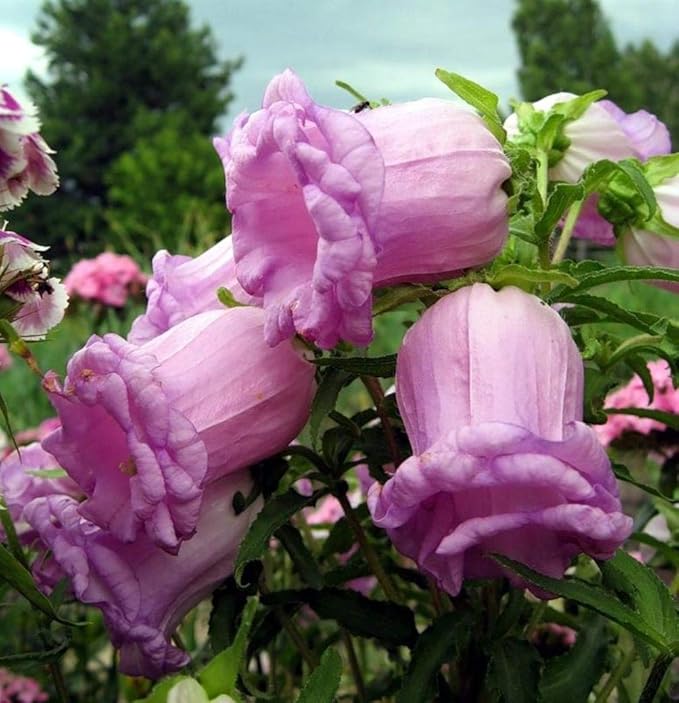
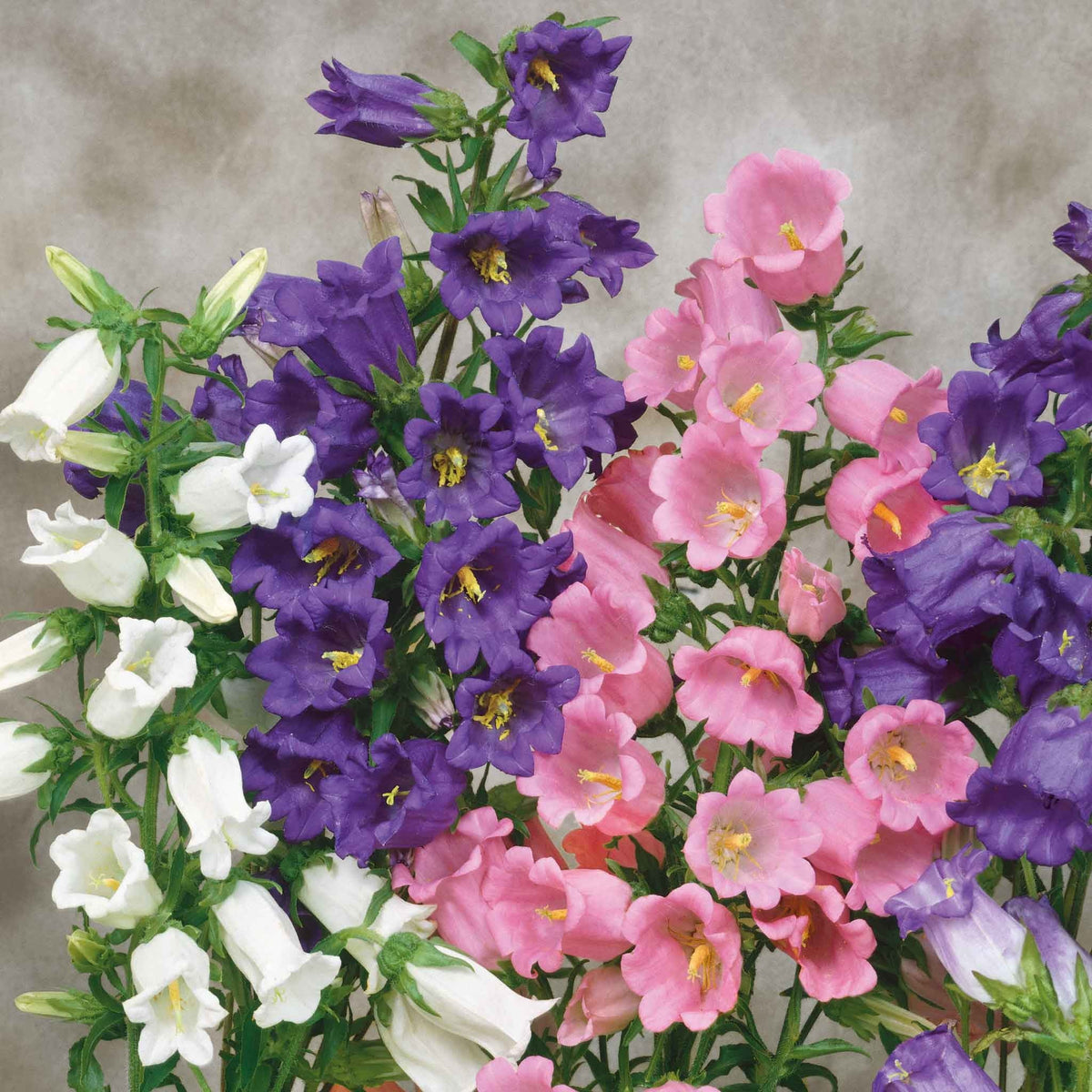
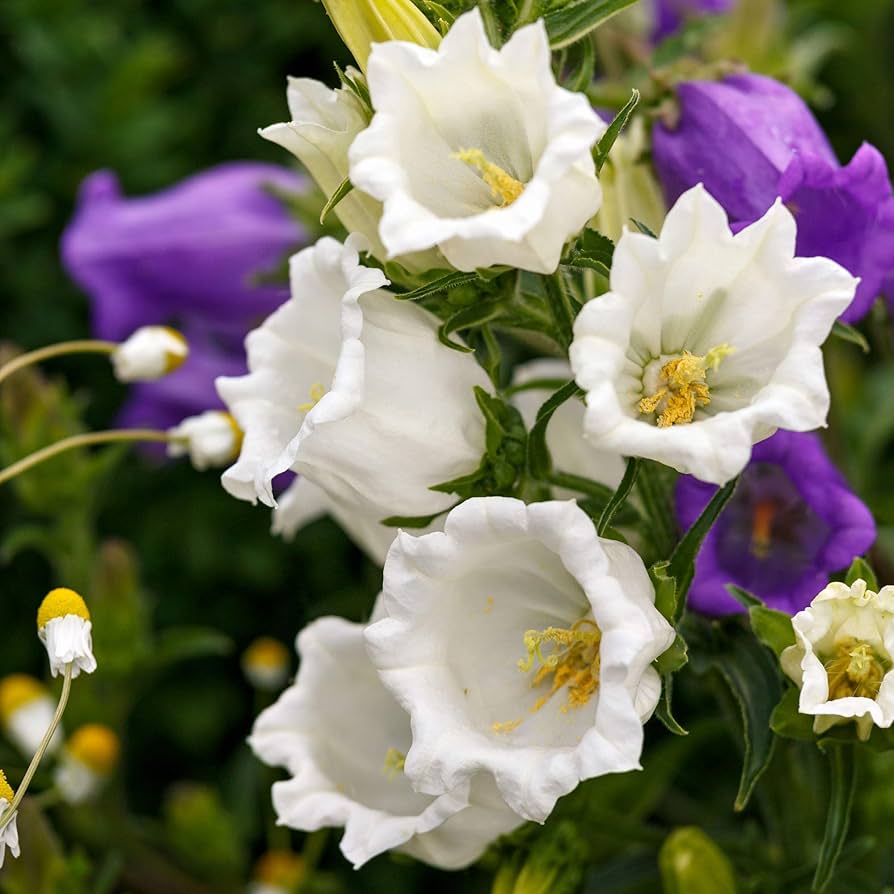
Depending on variety, Canterbury Bells may produce flowers in shades of white, blush pink, rose, lavender, violet, purple, pale blue, or rich blue. Some selections feature single bells, while others produce attractive double or cup-and-saucer forms.
Their upright growth works beautifully in cottage borders, cutting gardens, pathway plantings, and mixed flower beds alongside other traditional ornamentals.
Plant Care Insights
Sunlight: Canterbury Bells generally prefer full sun to light partial shade.
Soil: Choose fertile, loose, well-drained garden soil.
Watering: Maintain moderate, consistent moisture without prolonged waterlogging.
Companion Plants: Pair with foxgloves, Sweet William, daisies, and compatible cottage flowers.
Maintenance: Remove faded flowers for tidiness or leave selected stems to mature seed.
Frequently Asked Questions
Can Canterbury Bells grow across different US climates?
Canterbury Bells generally perform well in cool and temperate growing conditions.
Performance varies with regional summer heat and winter temperatures.
How large can mature Canterbury Bells become?
Plants develop upright flowering stems rising above a leafy basal rosette.
Final height depends on variety and overall growing conditions.
When do Canterbury Bells typically produce flowers?
As biennials, Canterbury Bells commonly flower during their second growing season.
Their main flowering display generally occurs from late spring into summer.
Do Canterbury Bells attract pollinators?
Yes. Their open bell-shaped flowers can attract bees and other beneficial pollinating insects to suitable garden landscapes.
Shop By Category