Milkweed Flower Seeds for Planting – Wild Beauty for a Butterfly Garden
Milkweed brings the beauty of North American wild landscapes into the garden, with distinctive flower clusters rising above leafy stems and later developing fascinating seed pods. Beyond its ornamental appeal, milkweed has an important ecological role because monarch butterflies rely on plants in the Asclepias genus as hosts for their caterpillars.
Milkweed Flower Seeds from Evergrow Seeds are available at evergrowseeds.com for US home gardeners interested in ornamental and pollinator-friendly Asclepias species. Choosing a species appropriate to your region is important for responsible garden planting.
Browse Our Milkweed Flower Seeds
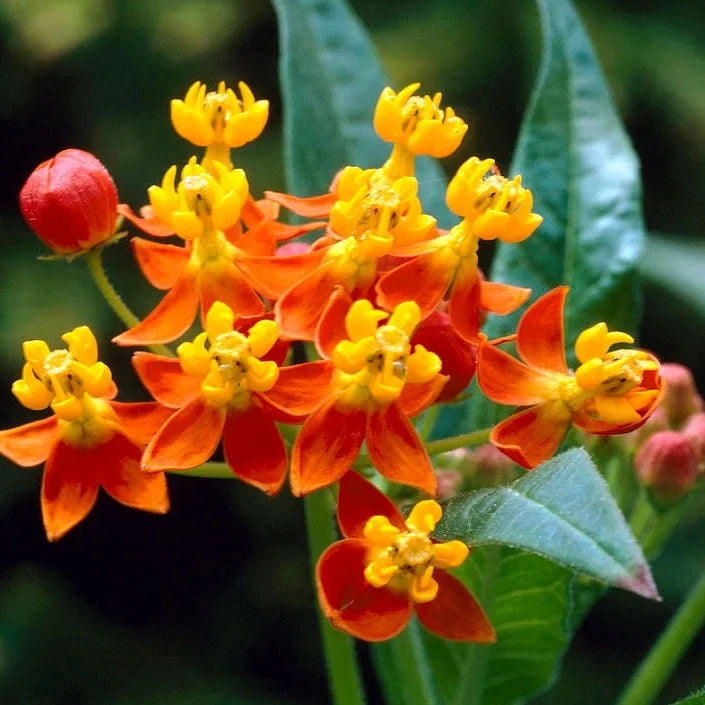
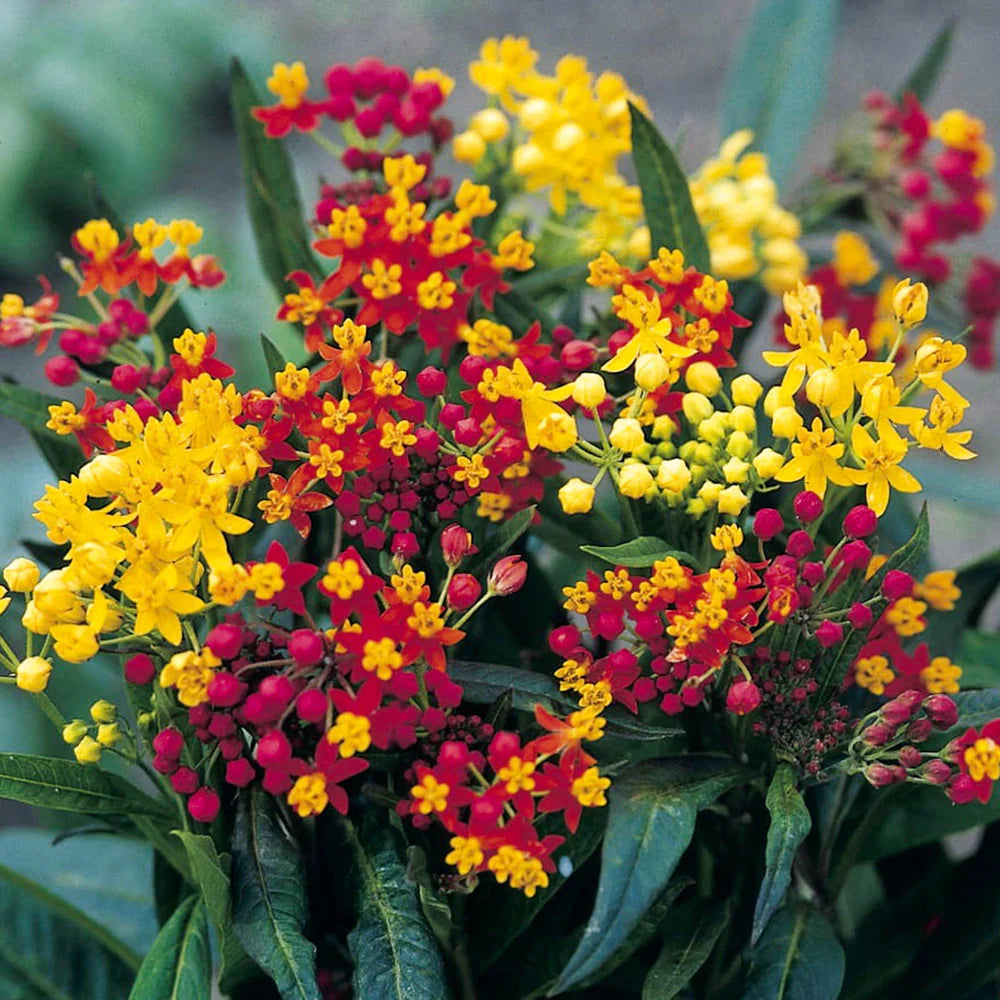
Depending on species, Milkweed flowers may appear in shades of white, cream, pale green, pink, rose, lavender, purple, yellow, orange, or red. Flowers often form distinctive rounded or flat-topped clusters.
Milkweed works beautifully in butterfly gardens, native landscapes, prairie-style beds, and naturalistic wildflower plantings.
Plant Care Insights
Sunlight: Most Milkweed species perform best in full sun.
Soil: Soil requirements vary by species, from dry sandy ground to moist garden soil.
Watering: Match moisture levels to the selected species and avoid unnecessary overwatering.
Companion Plants: Pair with native coneflowers, Liatris, goldenrod, and compatible wildflowers.
Maintenance: Allow selected seed pods to mature when natural reseeding is desired.
Frequently Asked Questions
Why is Milkweed important for monarch butterflies?
Monarch caterpillars depend on Asclepias plants as their host plants.
Adult monarchs and other pollinators may also visit milkweed flowers for nectar.
Can Milkweed grow across different US climates?
Yes. Numerous Milkweed species are native to different regions of the United States.
Choose a species suited to your local climate, soil, and moisture conditions.
When does Milkweed typically produce flowers?
Many Milkweed species flower from late spring through summer.
Exact timing varies according to species and regional climate.
Is Milkweed safe to eat?
Milkweed contains biologically active compounds and its milky sap can cause irritation. It should not be treated as an edible garden plant, and children and pets should be kept from ingesting it.
Shop By Category