

Lavender Herb Seeds for a Romantic Cottage Garden
Lavender brings an unmistakable sense of calm, fragrance, and old-fashioned beauty to the garden. Its slender foliage and delicate flower spikes create a graceful presence that feels perfectly suited to cottage borders, herb gardens, and romantic outdoor spaces.
For gardeners who love fragrant plants and timeless garden design, Evergrow Seeds offers Lavender Herb Seeds at evergrowseeds.com. Its elegant form can add color, texture, and a gentle sensory touch to sunny garden spaces.
Browse Our Lavender Herb Seeds
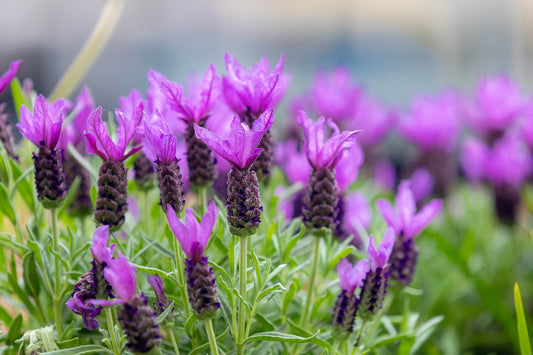
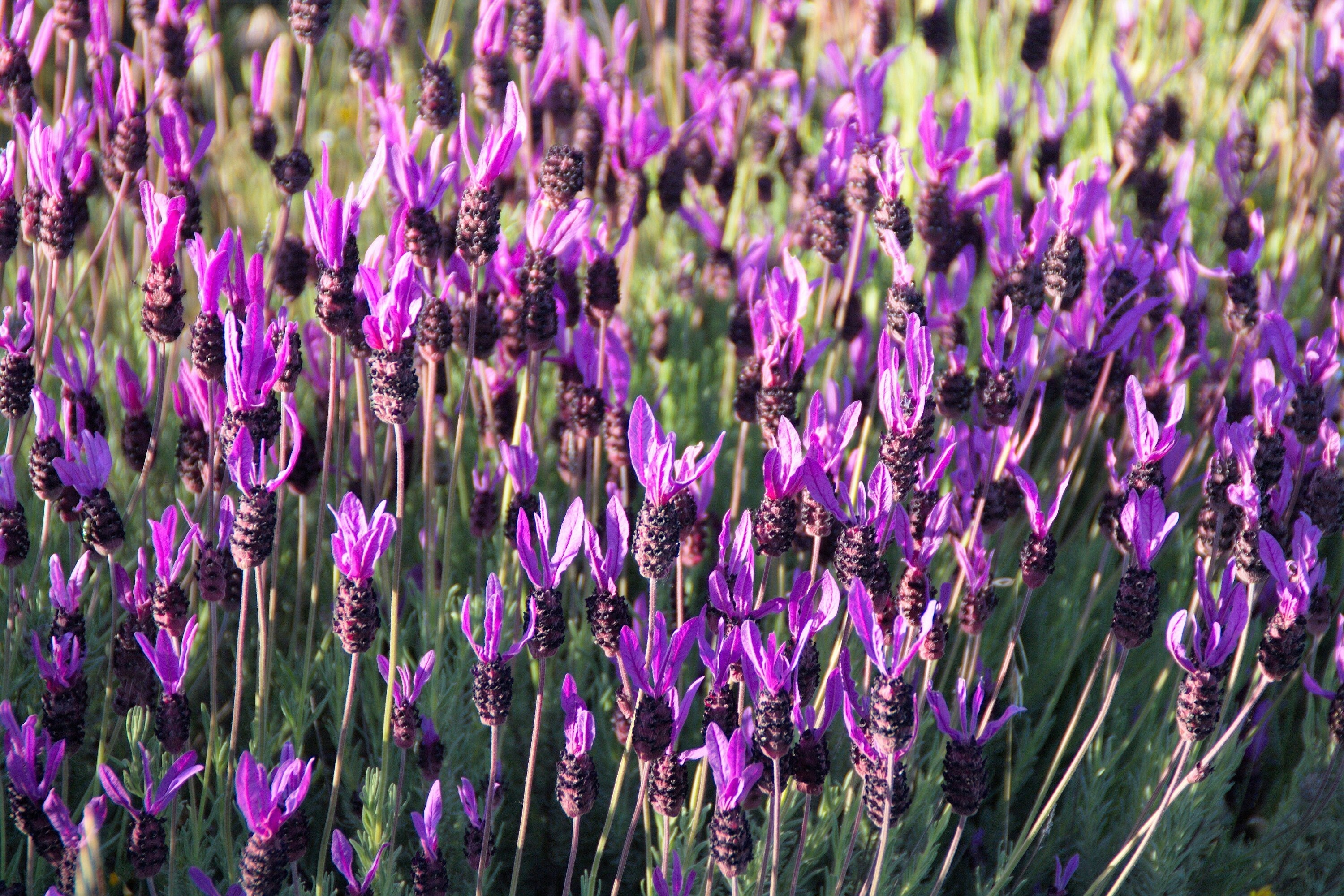
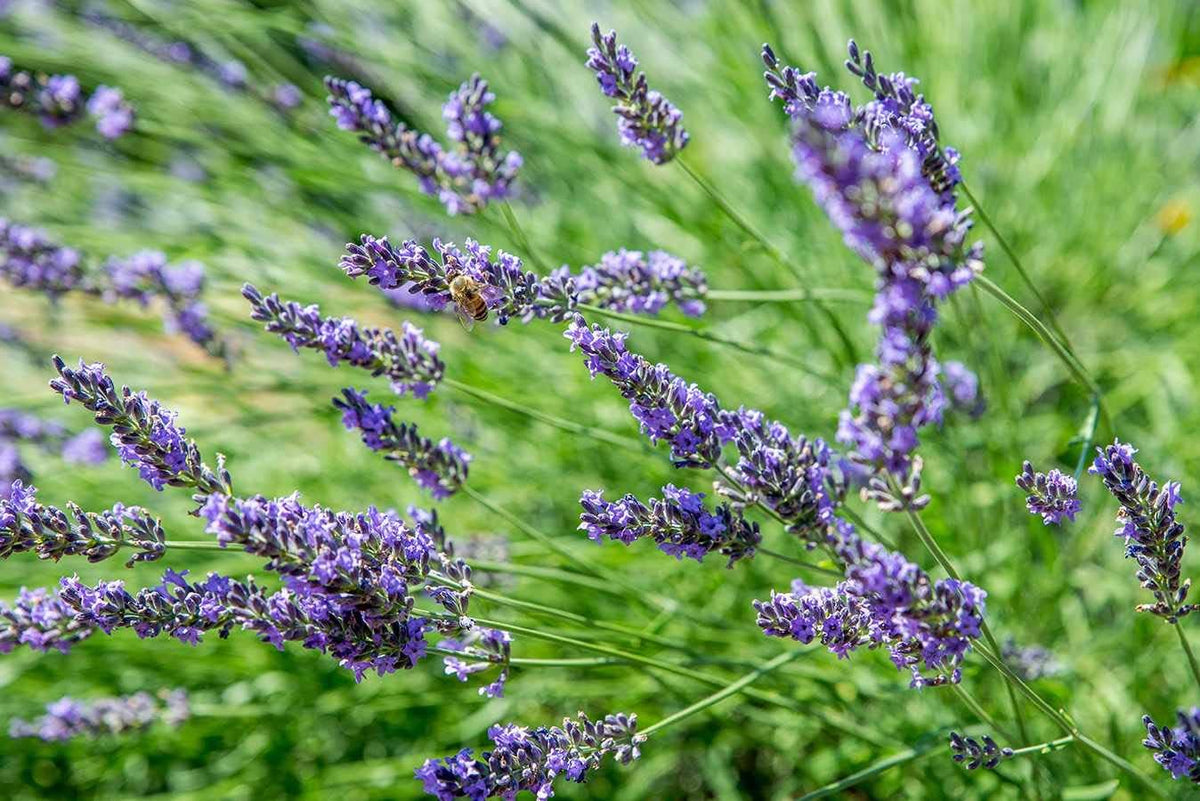
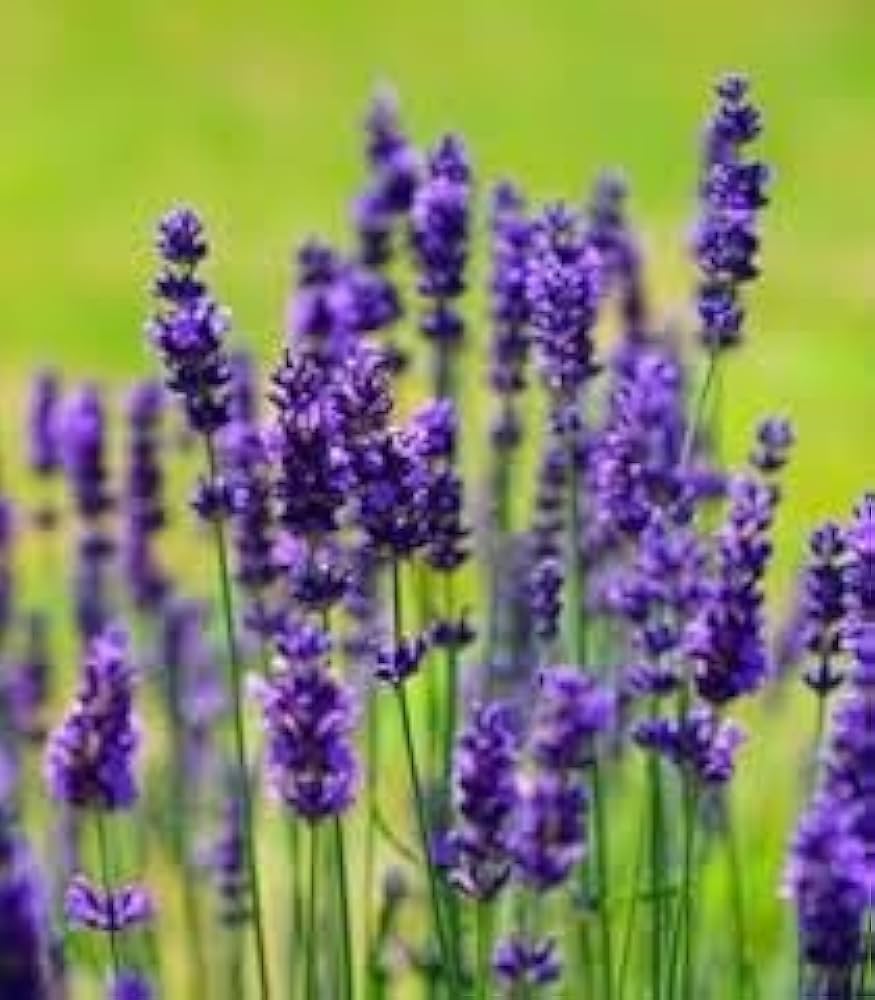
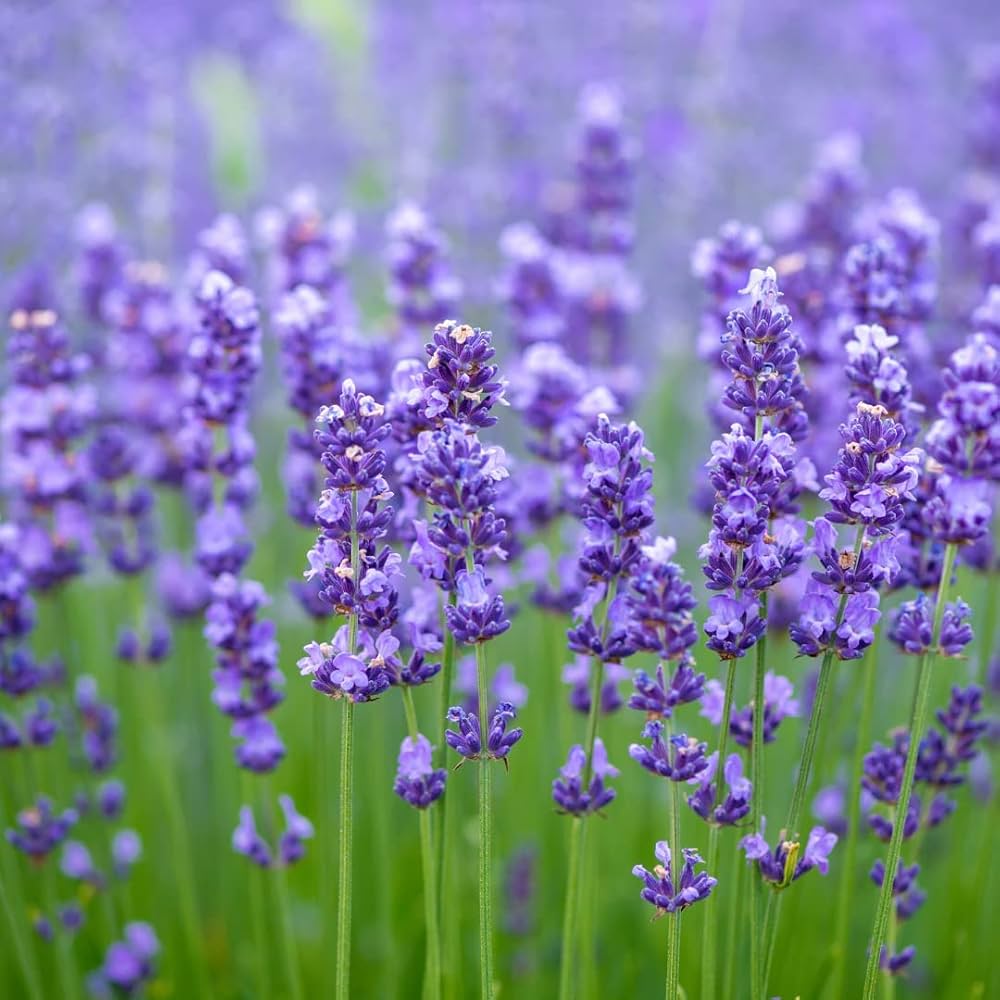
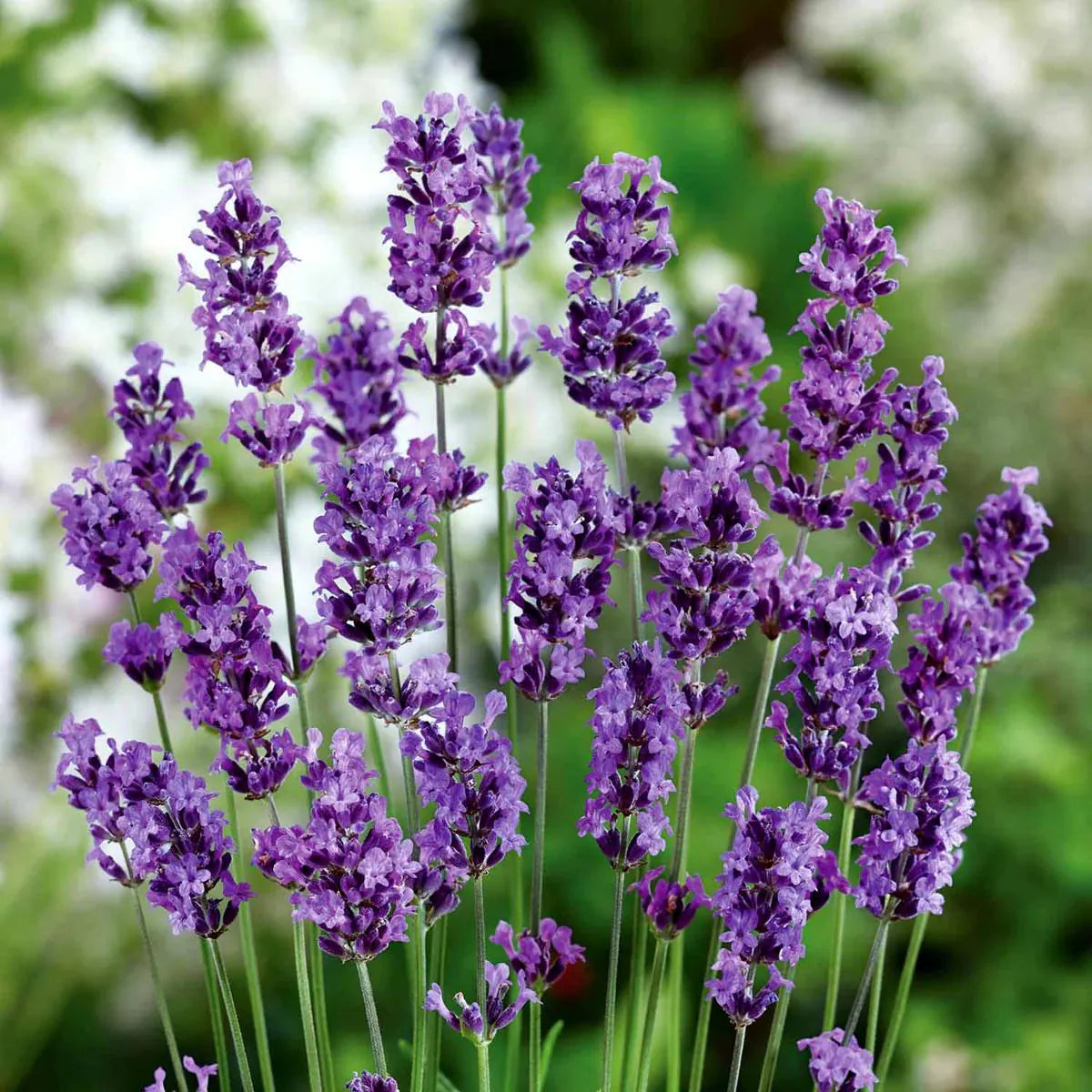
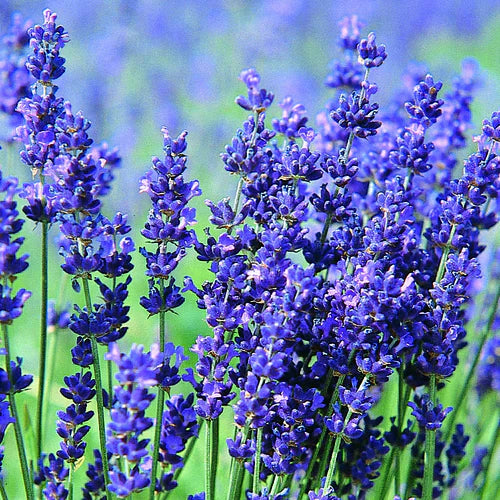
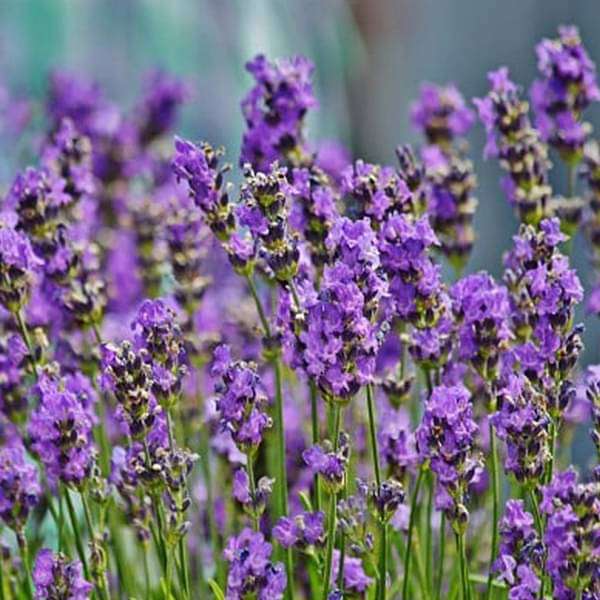
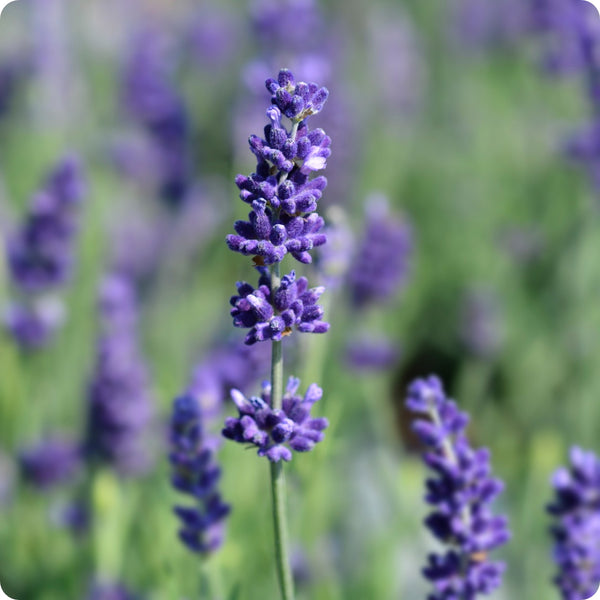
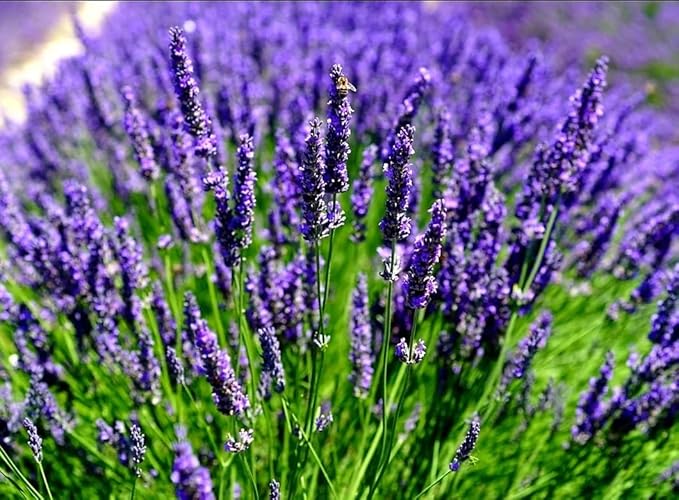
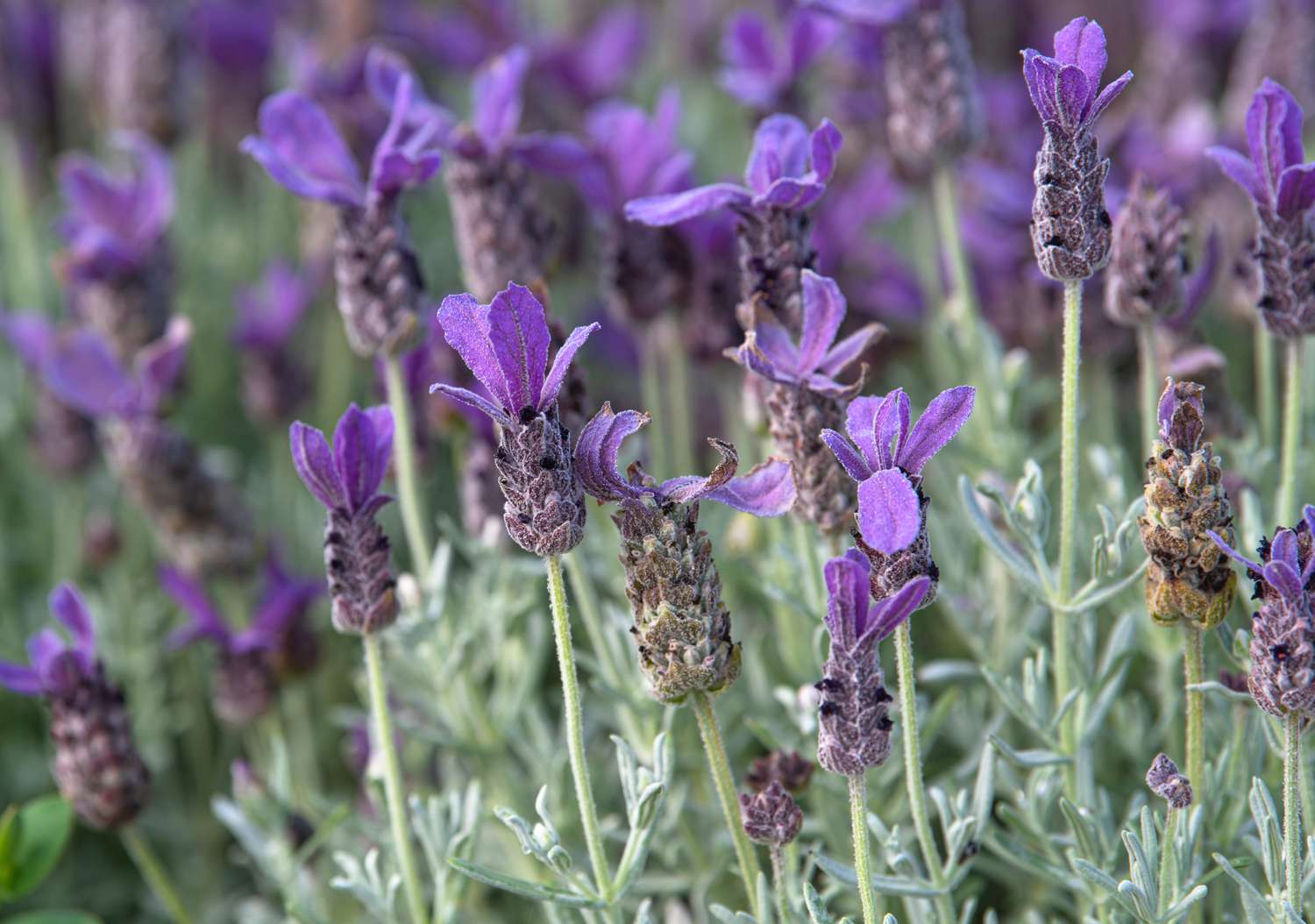
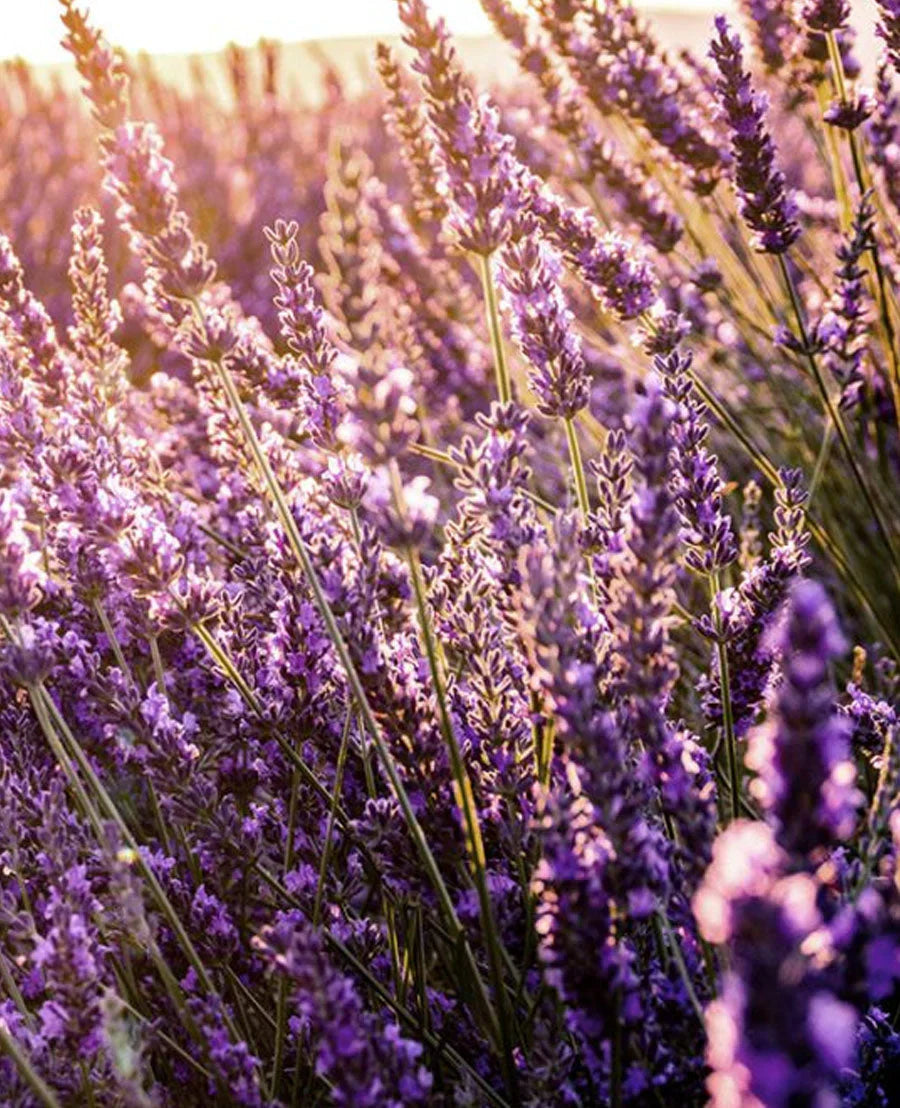
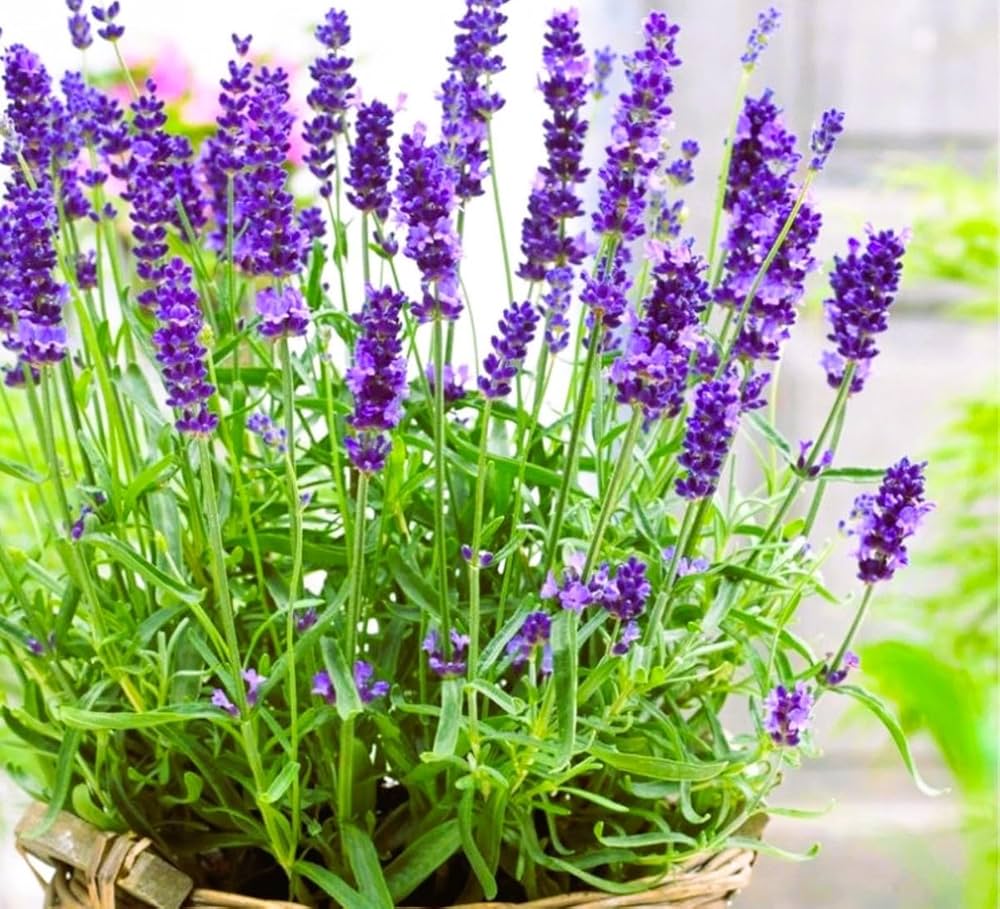
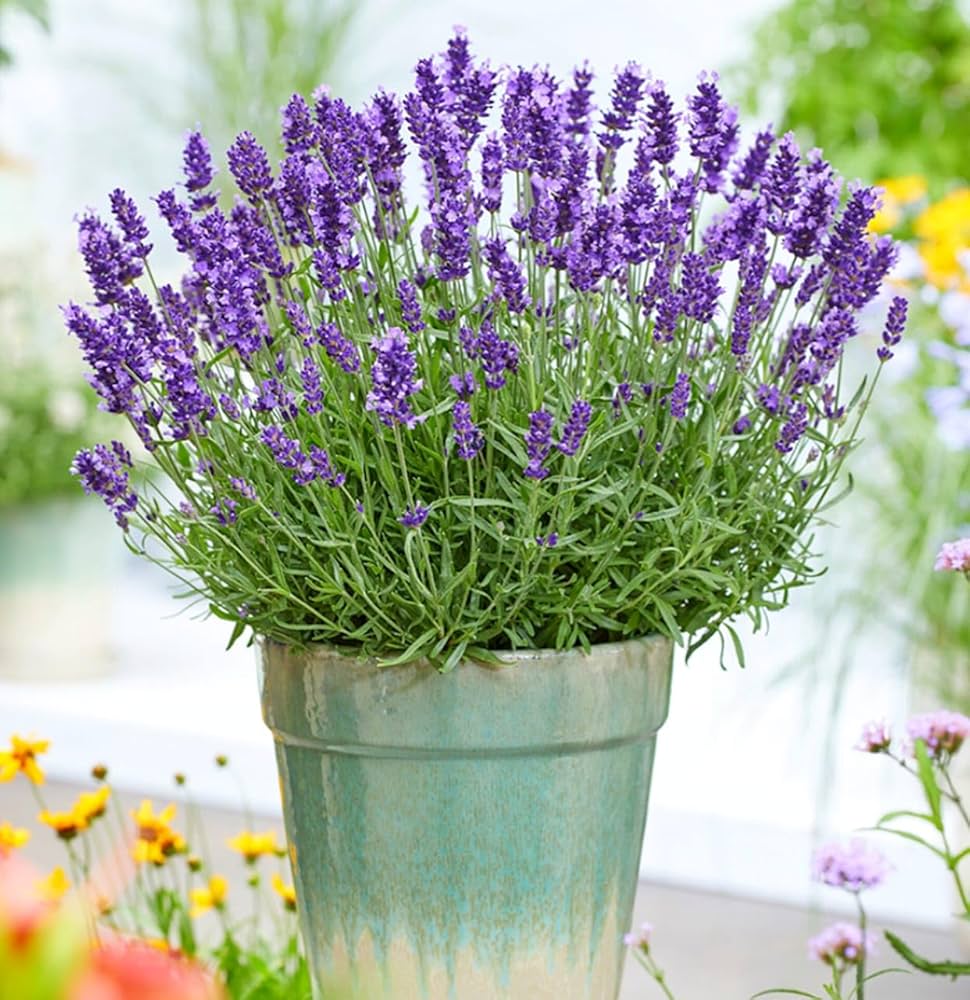
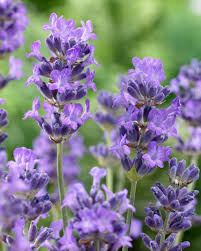
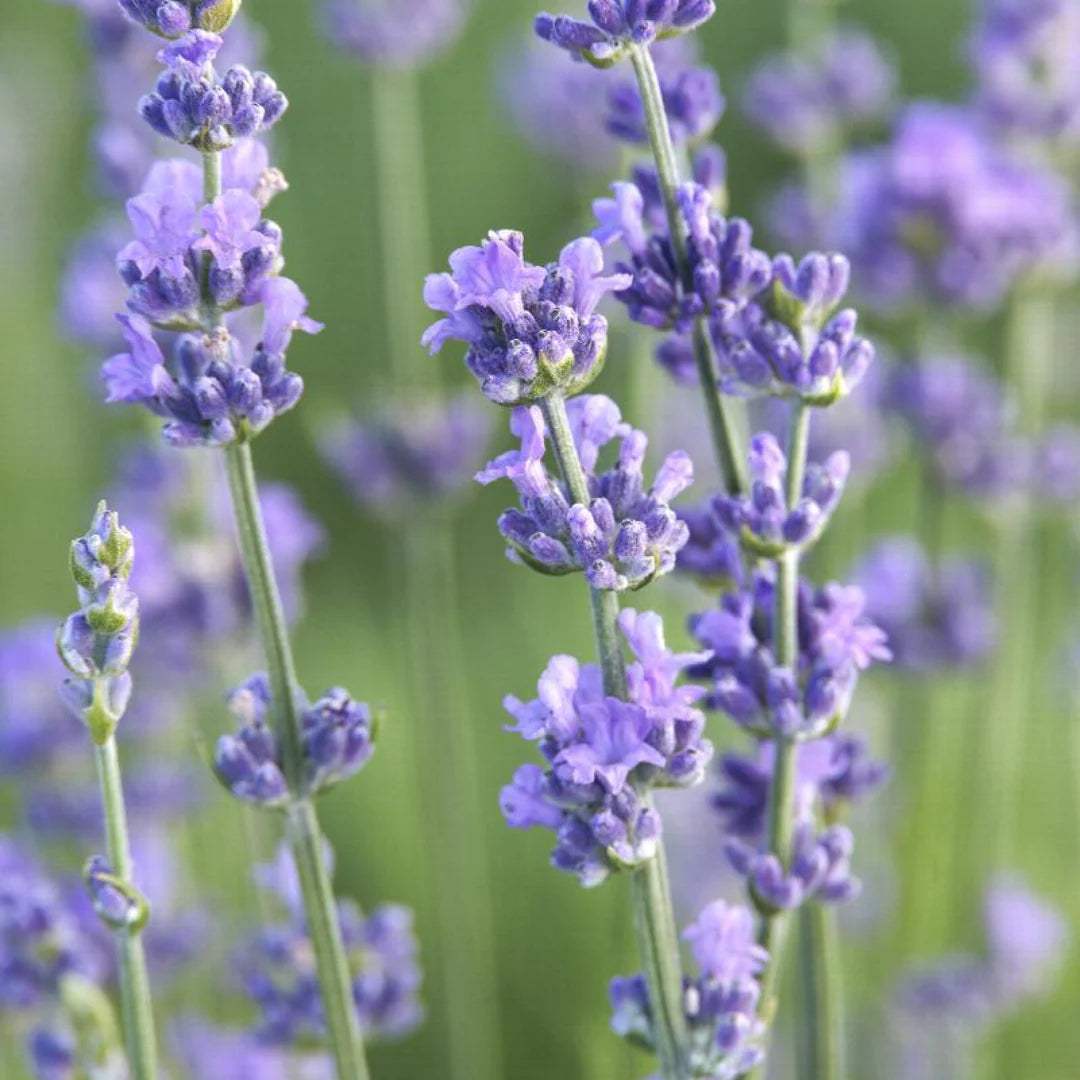
Lavender is best known for its purple to violet flower spikes, although some varieties can produce pink, white, or deeper purple blooms. Its narrow, gray-green foliage adds soft contrast throughout the growing season.
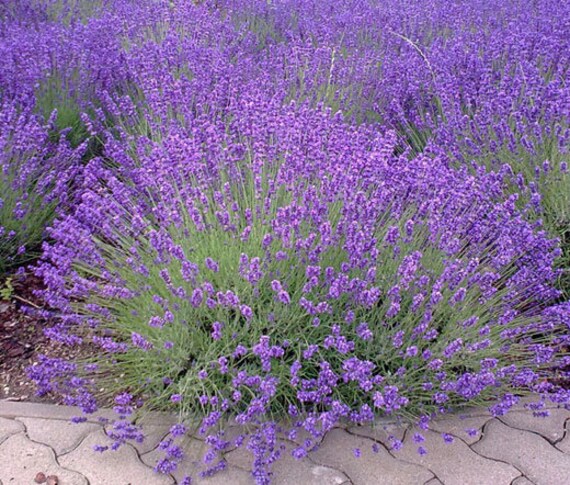
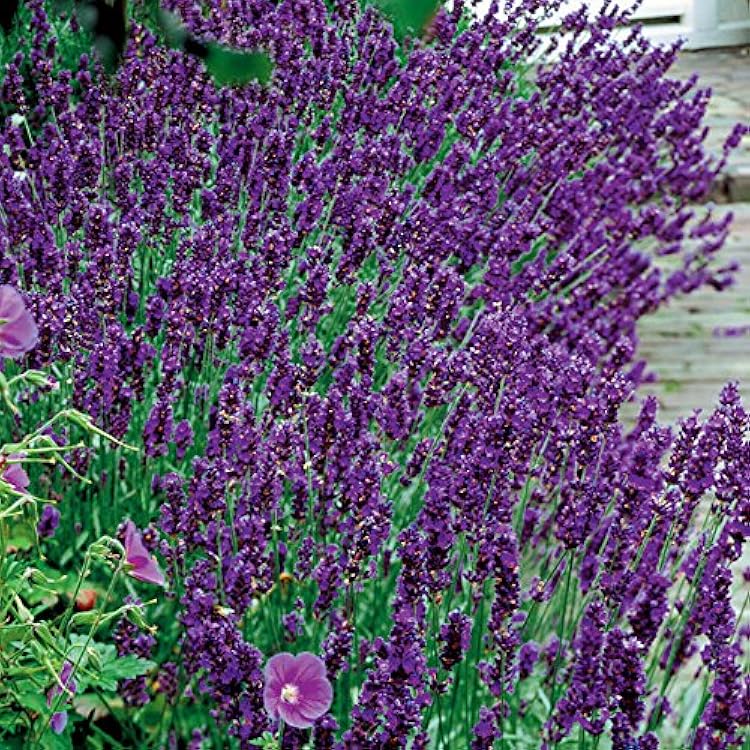
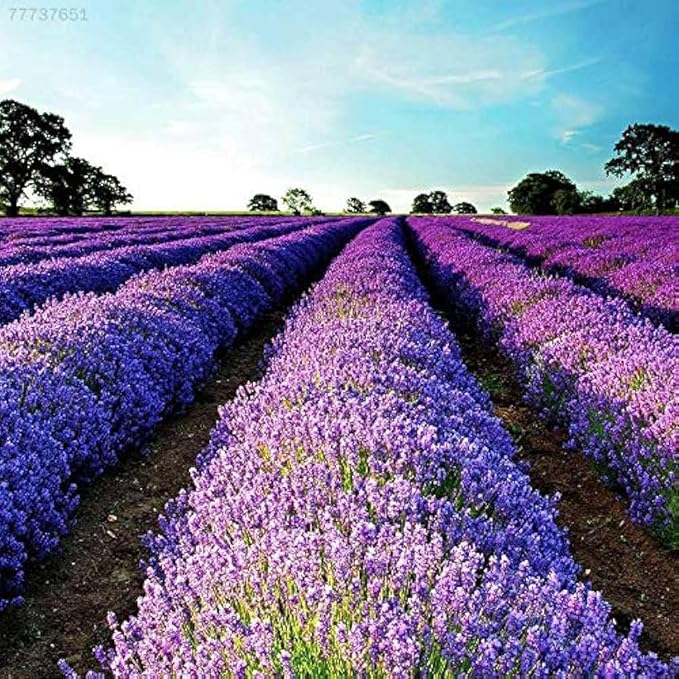
Use lavender in herb gardens, cottage borders, pathways, flower beds, or pollinator-friendly spaces. Its upright flowers pair beautifully with roses, sage, thyme, and other classic garden plants.
Plant Care Insights
-
Sunlight: Choose a location with full sun and plenty of bright exposure.
-
Soil: Use well-drained soil, preferably with a loose, gritty texture.
-
Watering: Allow the soil to dry between waterings and avoid excess moisture.
-
Companion plants: Pair lavender with sage, thyme, rosemary, and other sun-loving plants.
-
Maintenance: Lightly prune established plants after flowering to help maintain a compact shape.
Frequently Asked Questions
What climate is best for growing lavender?
Lavender generally prefers sunny conditions and relatively dry, well-drained environments.
It can grow in many temperate regions with suitable drainage.
How large can mature lavender become?
Mature size varies by lavender variety and growing conditions.
Many garden varieties form compact, rounded plants several feet wide.
When does lavender usually flower?
Lavender commonly produces flower spikes during the warmer growing season.
Bloom timing can vary depending on the variety and local climate.
What pests may affect lavender plants?
Lavender is relatively resistant to many common garden pests.
Occasional aphids, spider mites, or other insects may still appear.
Shop By Category