

Mulberry Seeds – Summer Berry Charm for the Cottage Garden
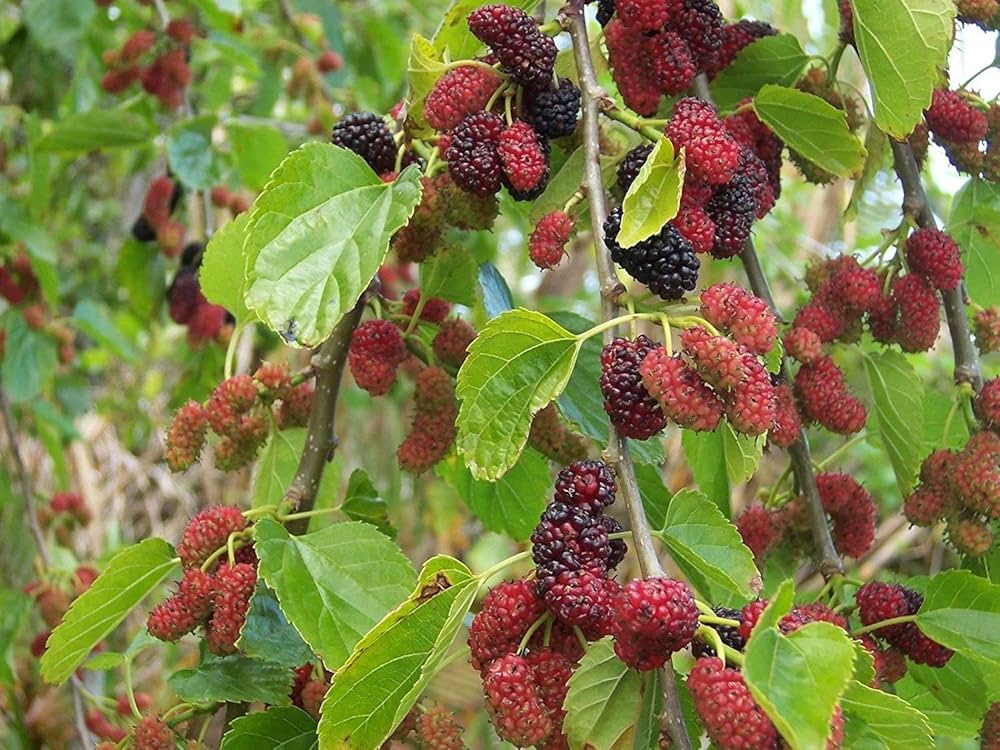
Mulberries bring the timeless beauty of an old-fashioned fruit tree into the home landscape. Their spreading branches, abundant green leaves, and clusters of richly colored fruits create a nostalgic scene reminiscent of weathered garden paths, shady cottage corners, and peaceful summer afternoons beneath a leafy canopy.
Mulberry Seeds are available at evergrowseeds.com from Evergrow Seeds for gardeners who appreciate fruiting trees with ornamental character. Mulberries belong to the genus Morus, which includes several species and cultivars offering different mature sizes, fruit colors, growth habits, and regional adaptations.
Browse Our Mulberry Seeds
Mulberry flowers are generally small and understated rather than showy, appearing greenish, creamy green, or pale yellow-green depending on the species. They develop in compact clusters among the fresh spring foliage.
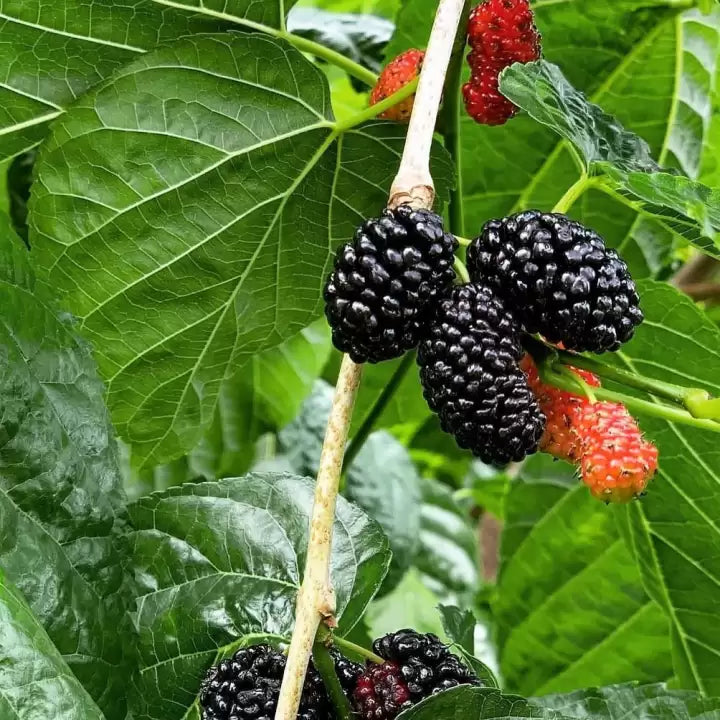
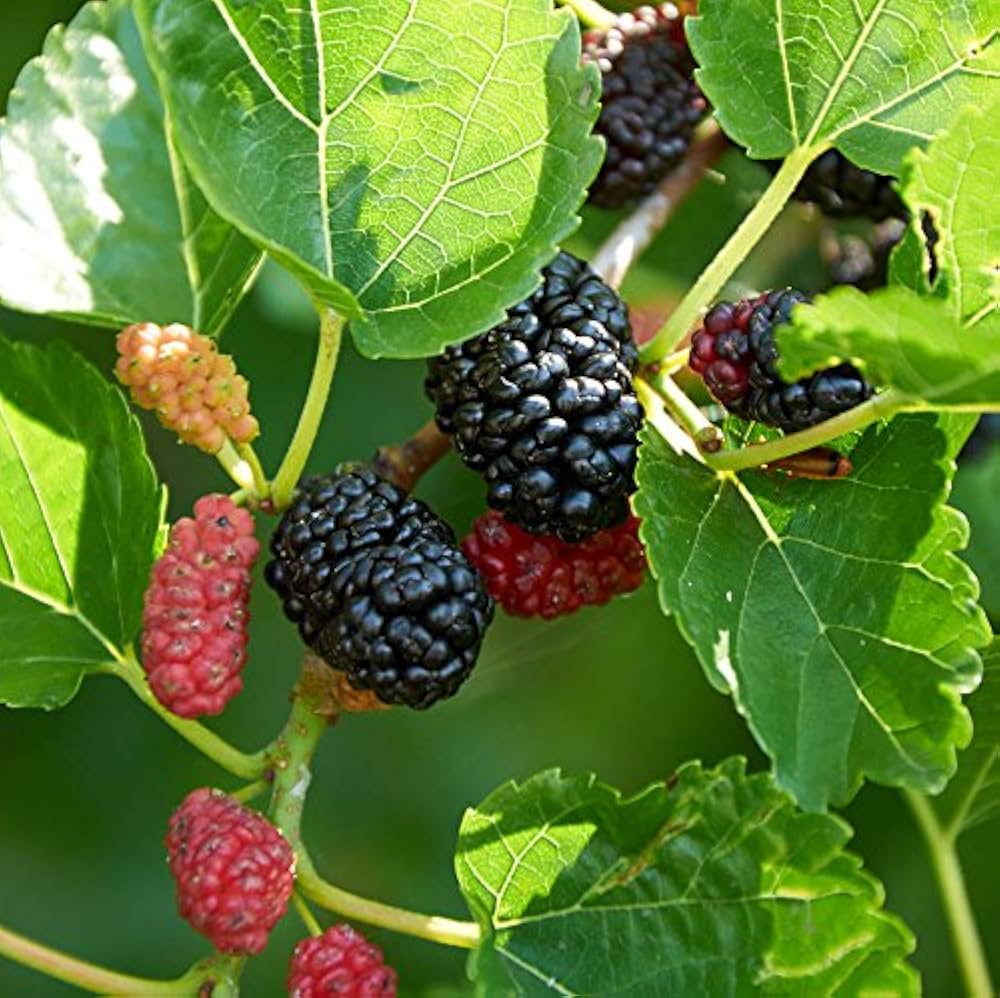
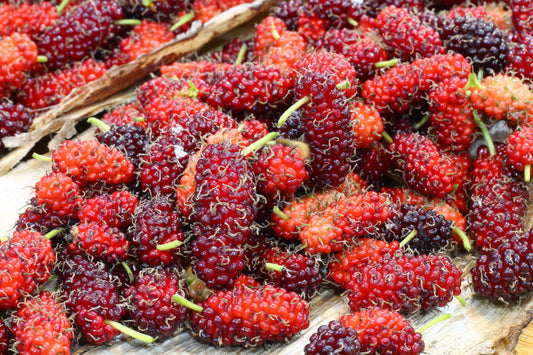
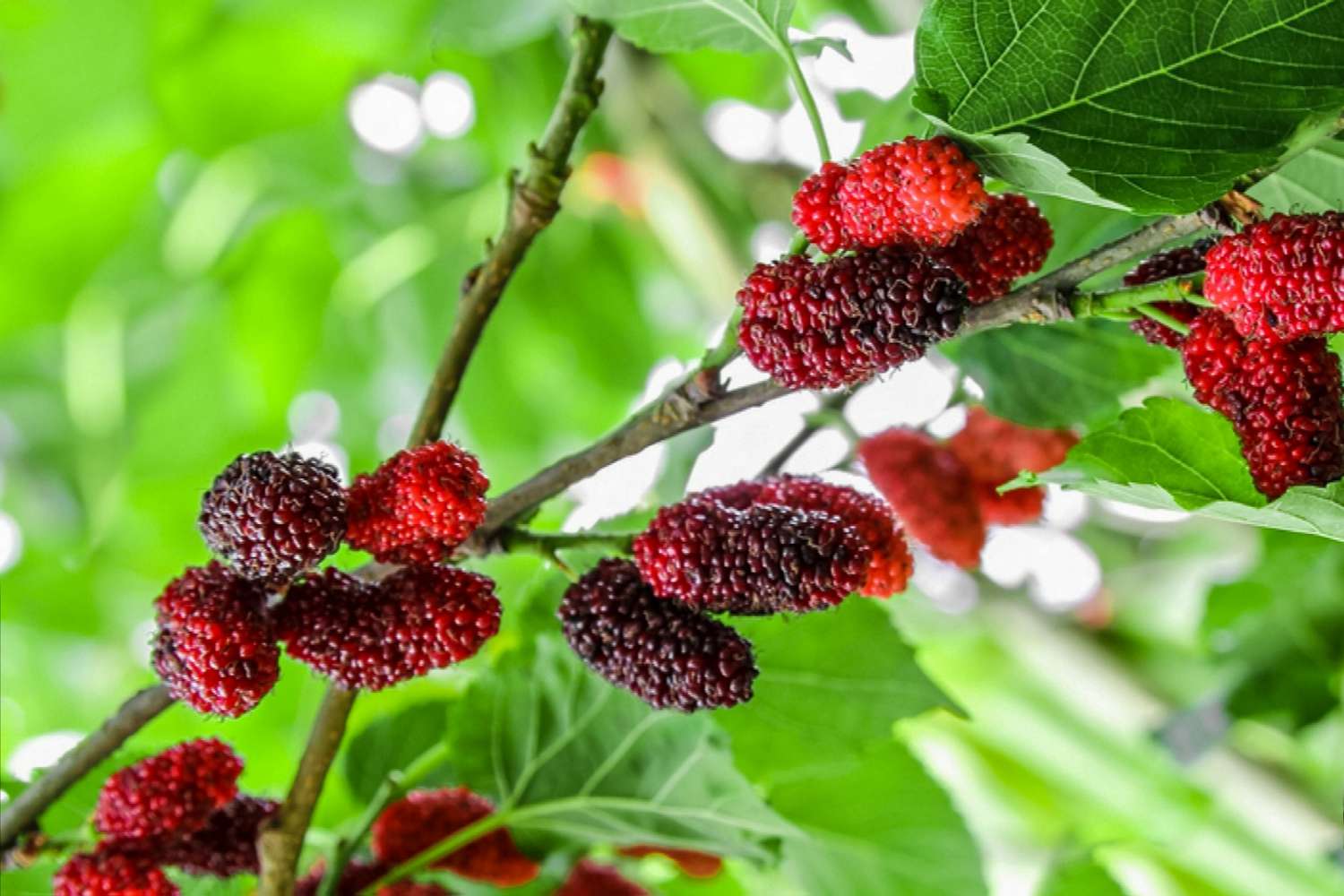
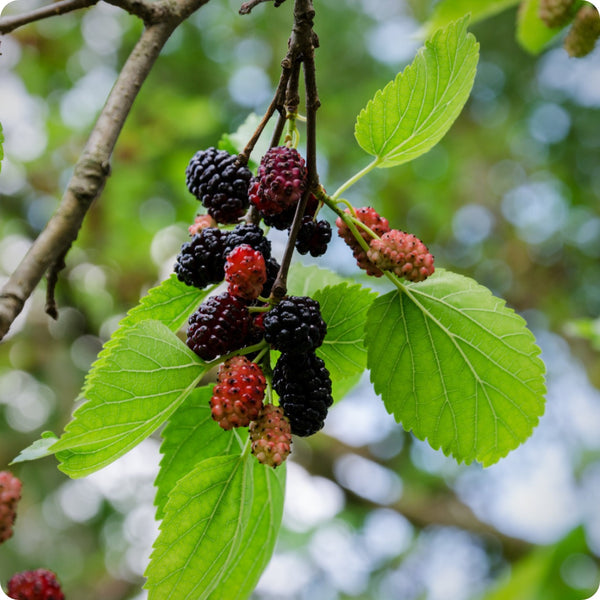
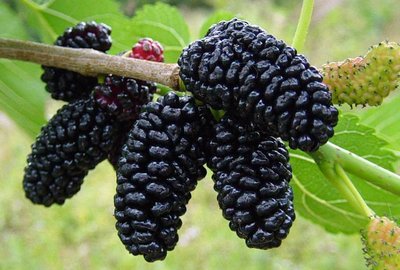
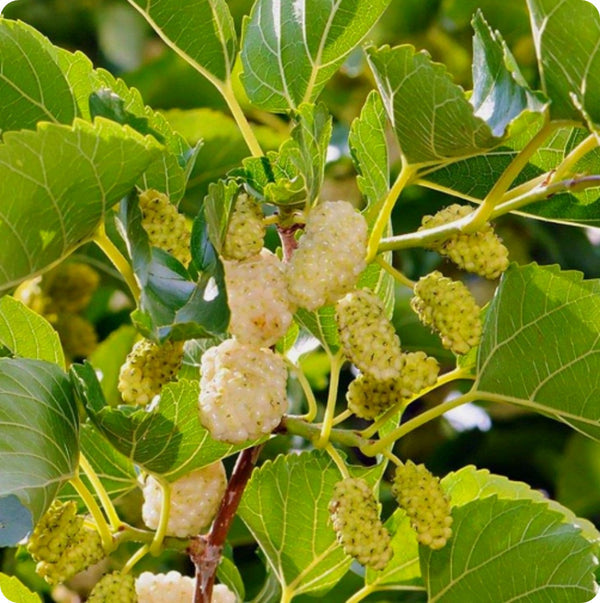
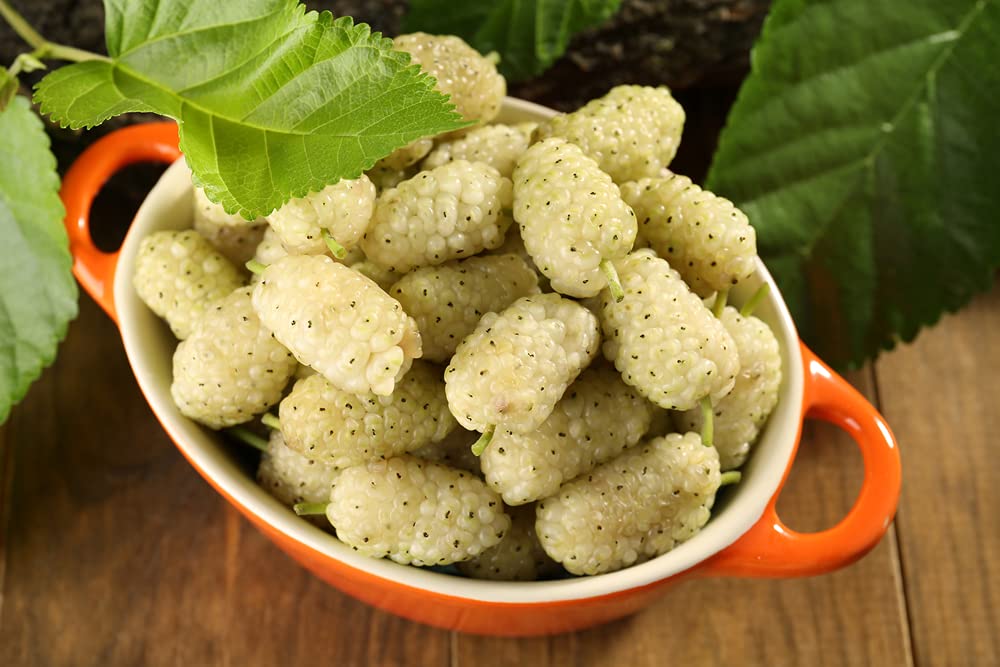
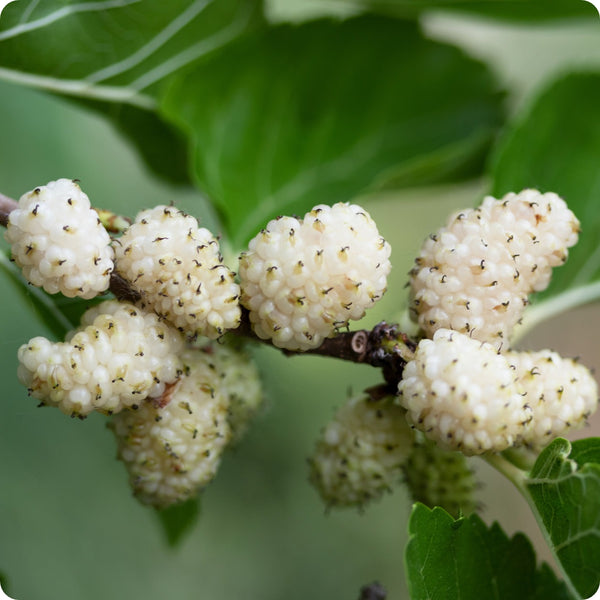
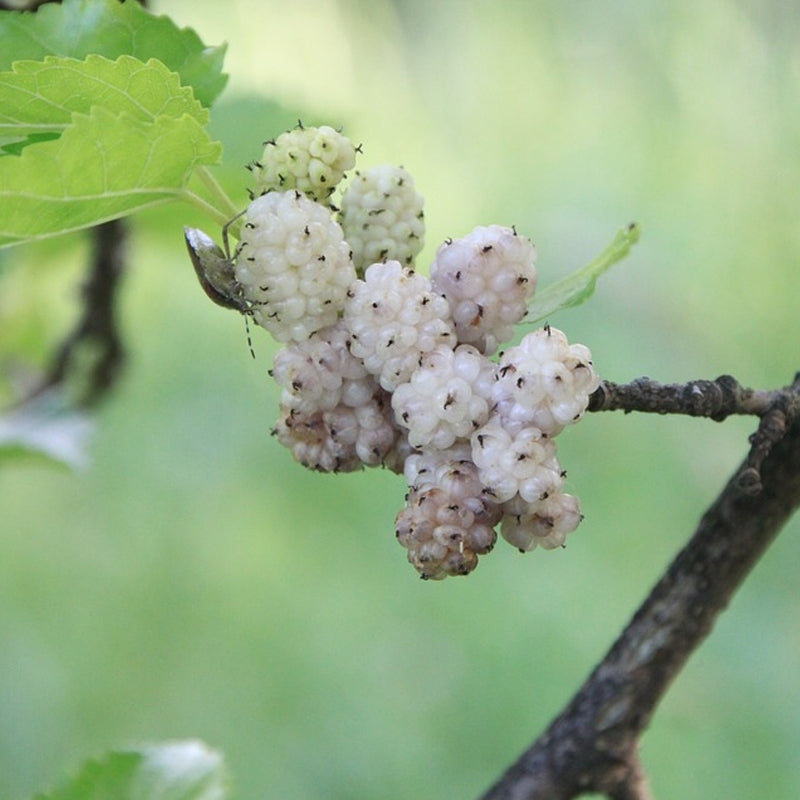
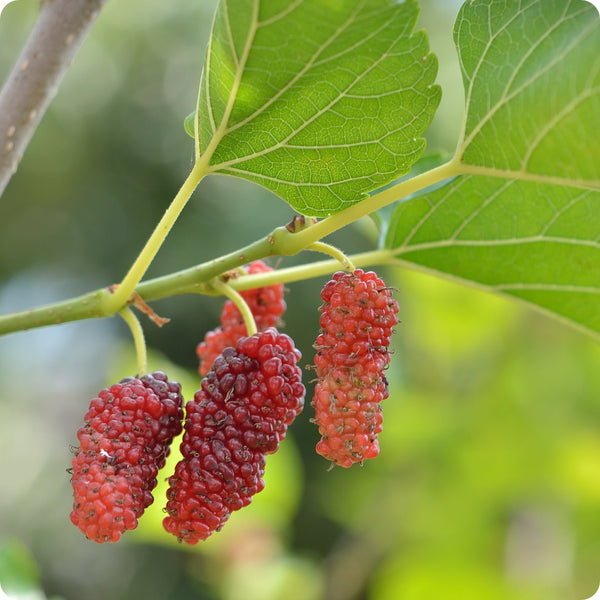
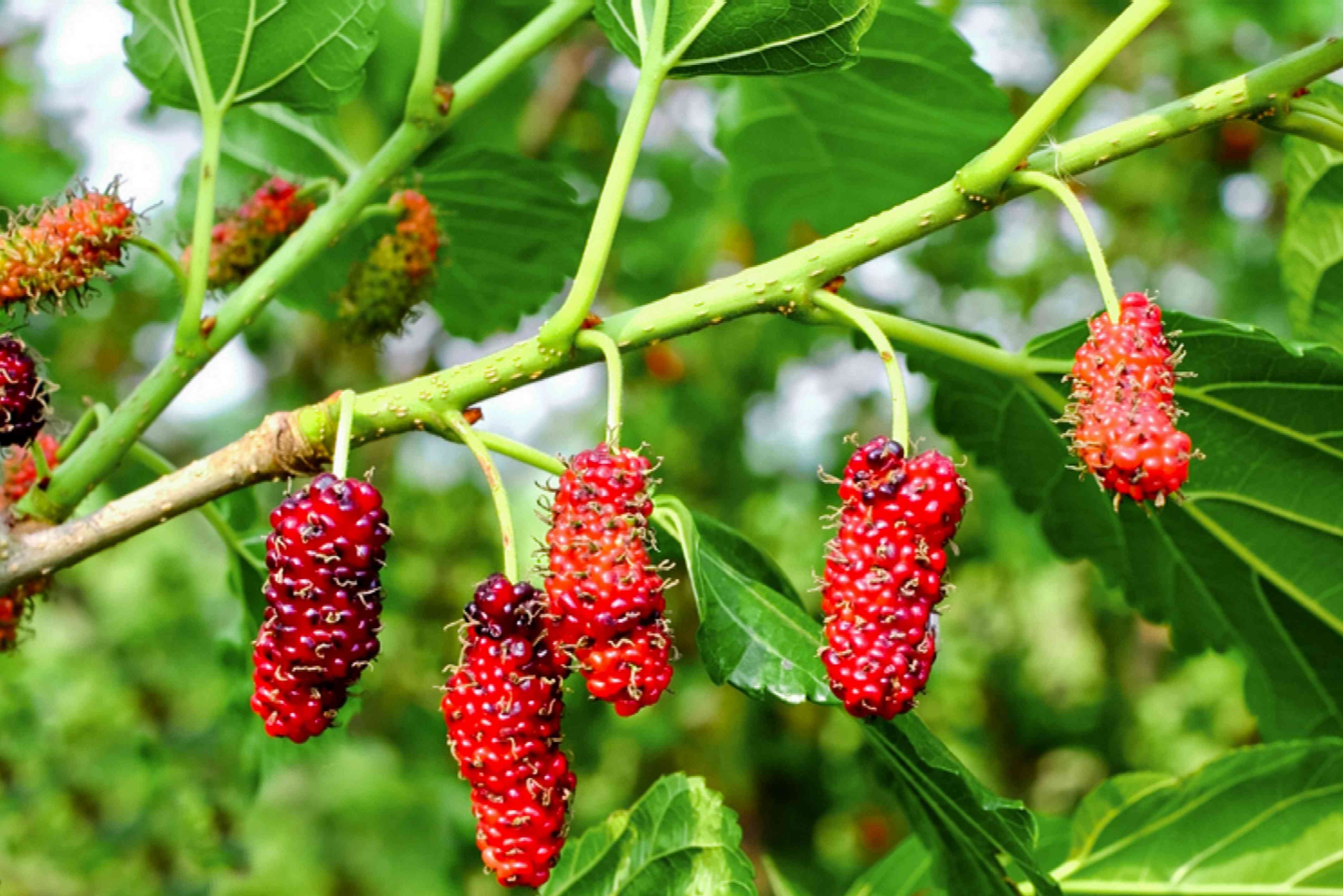
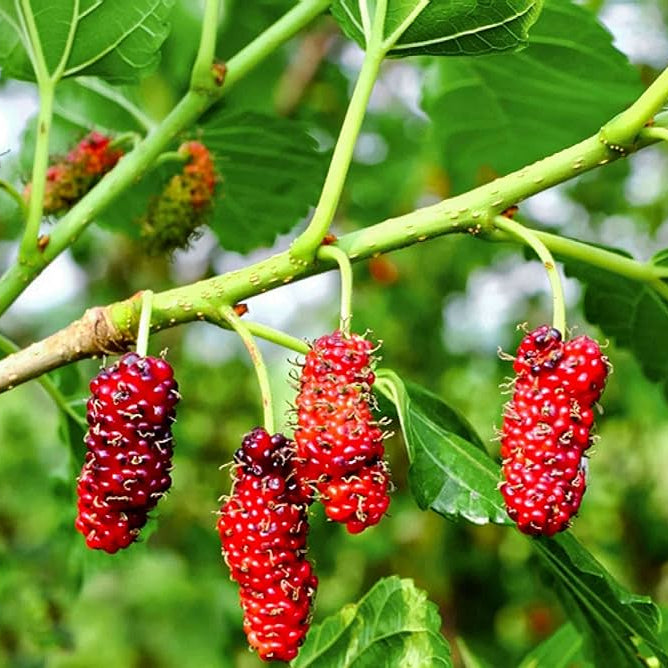
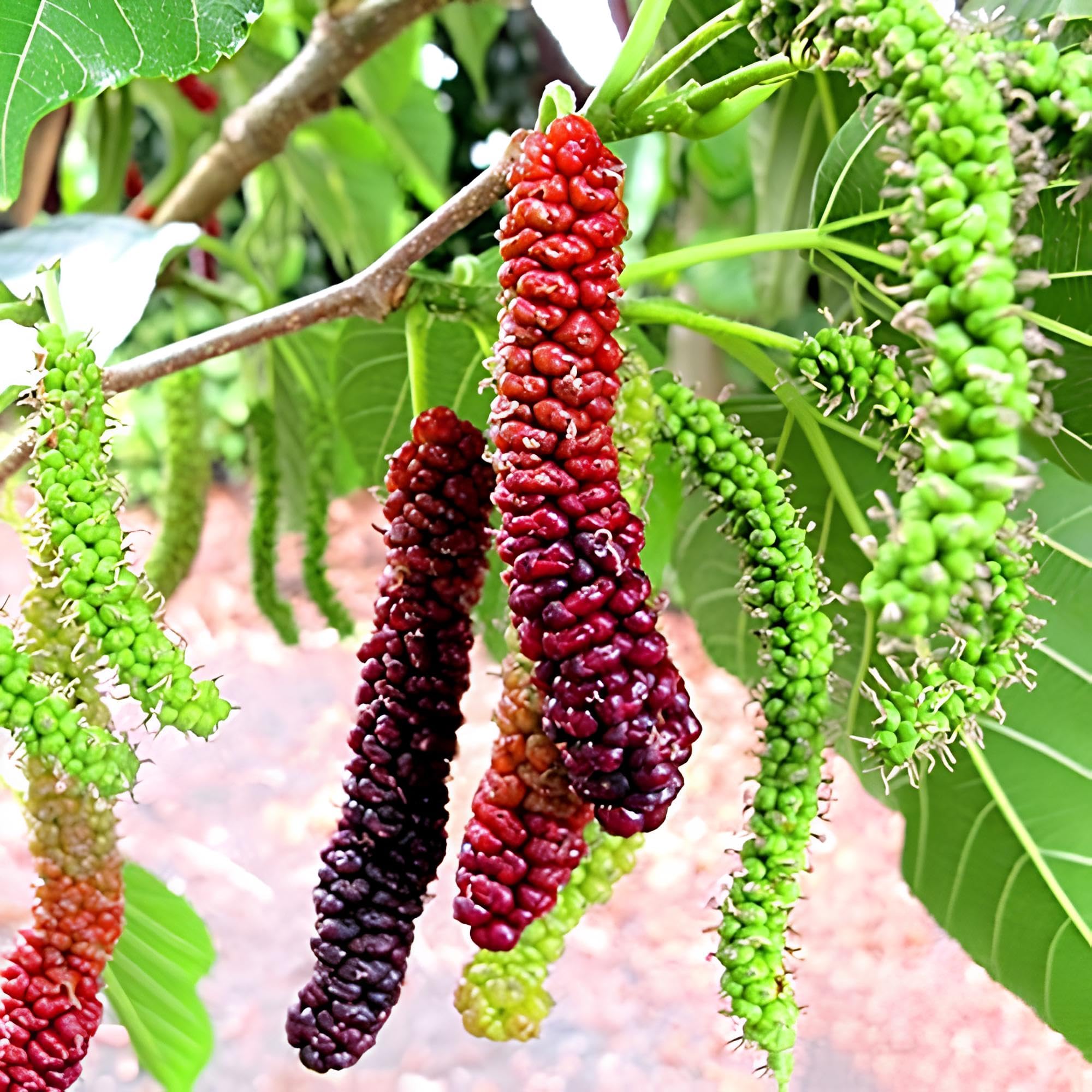
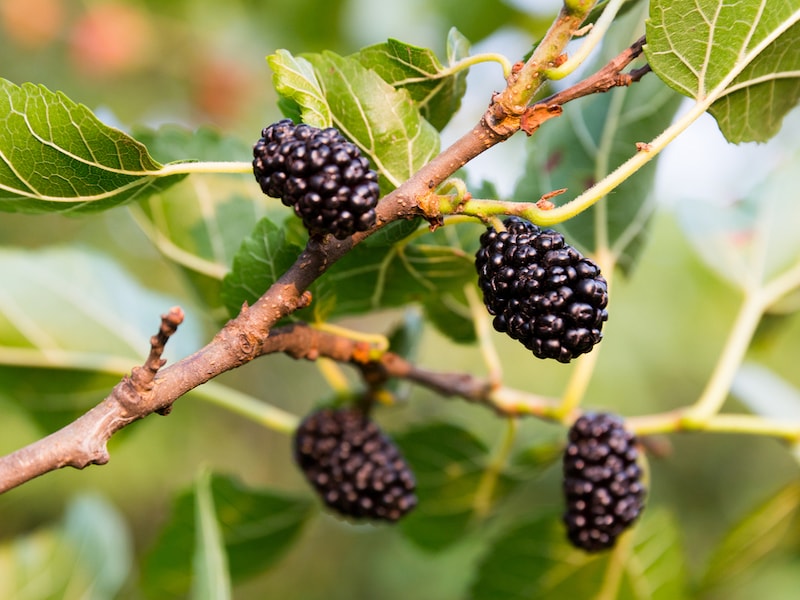
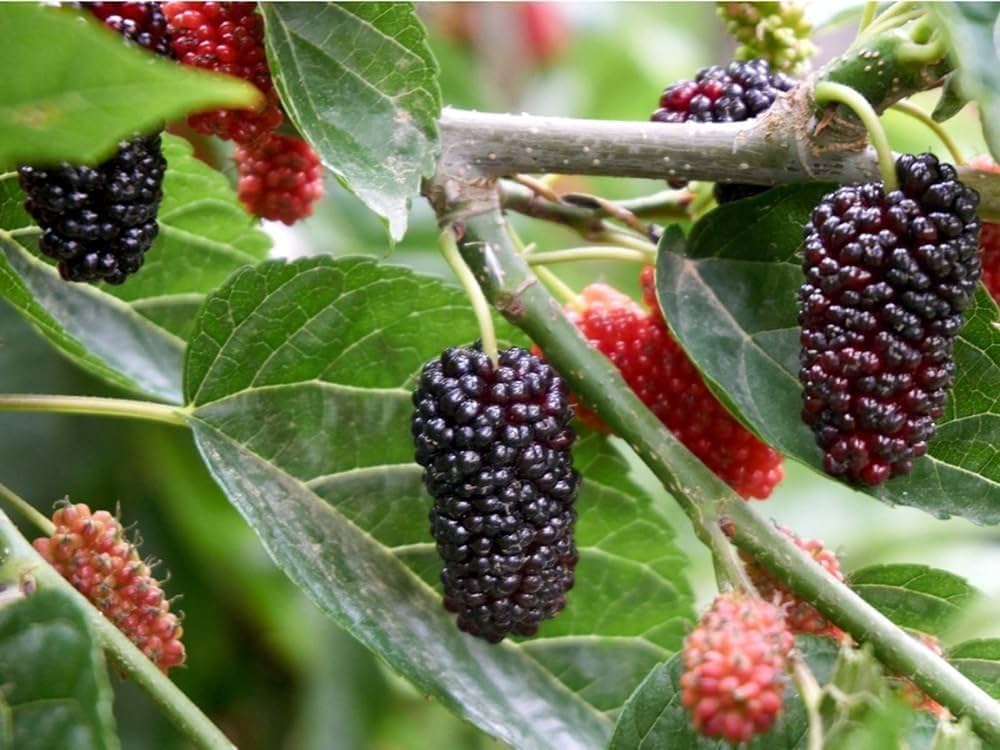
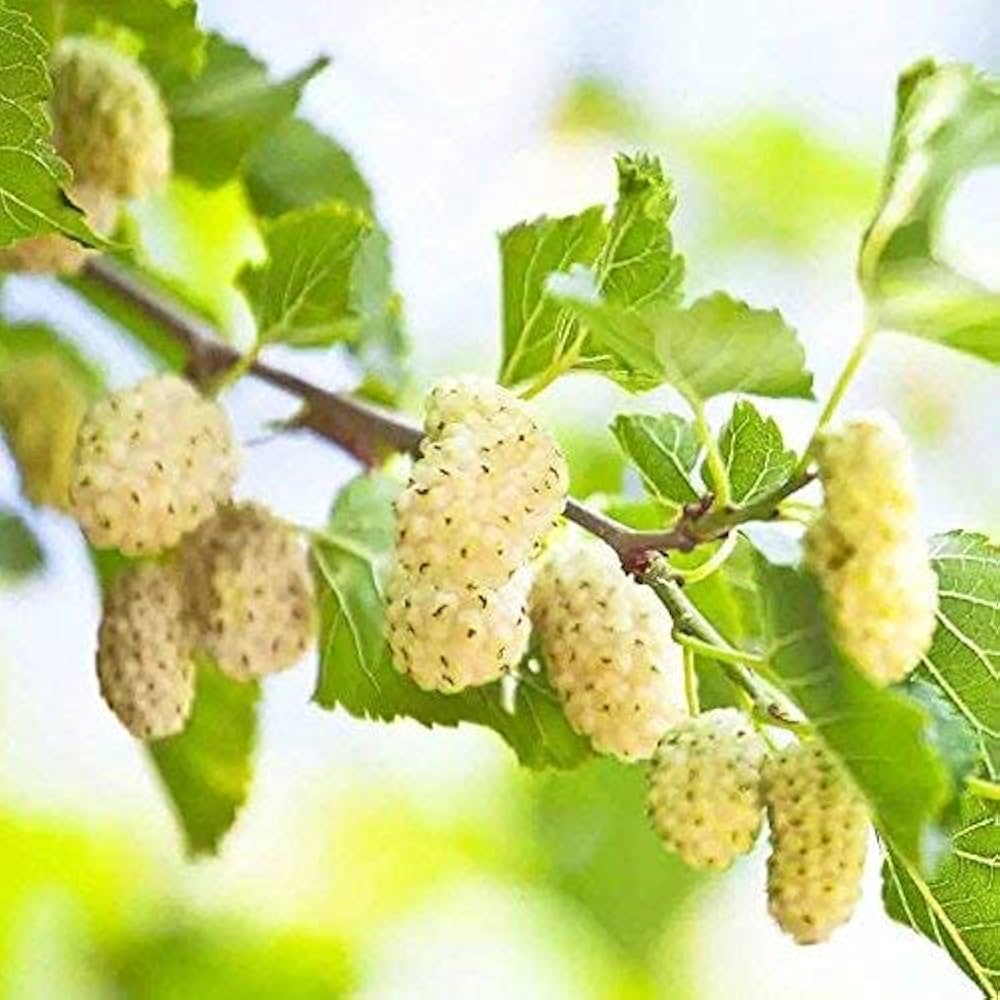
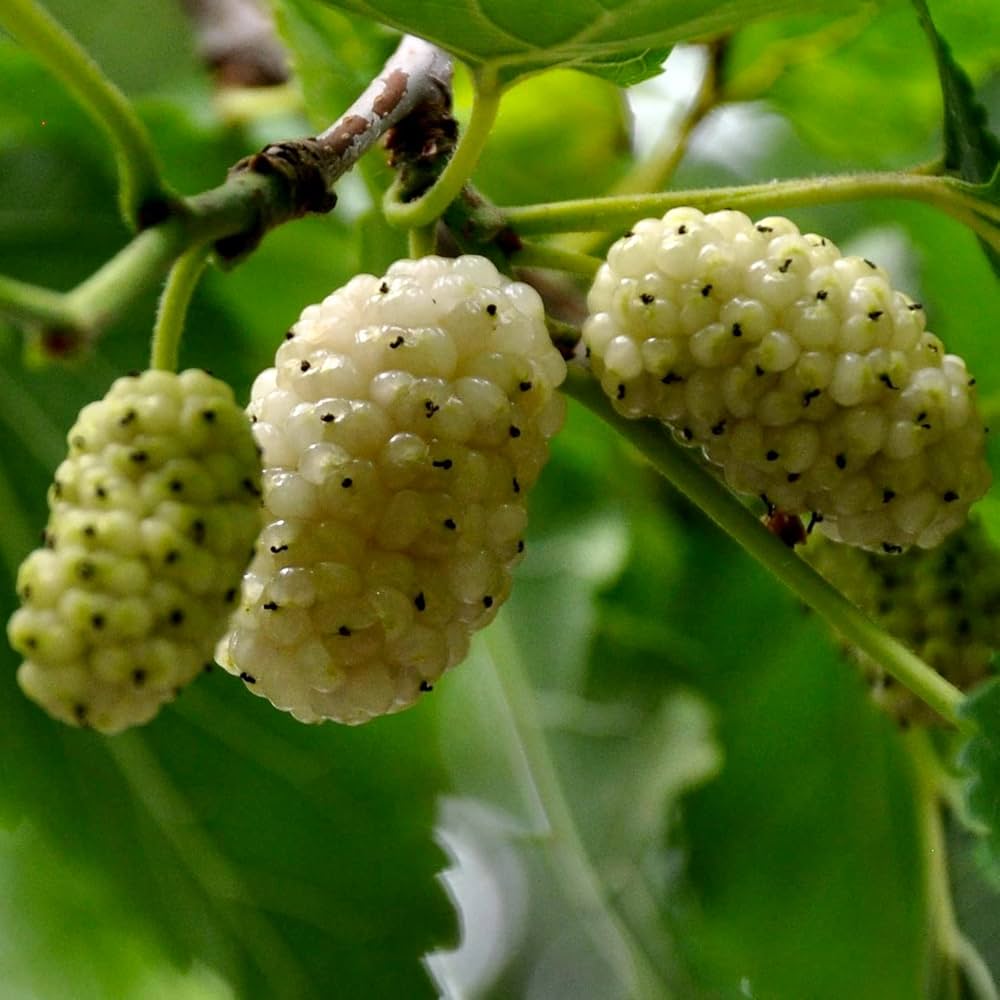
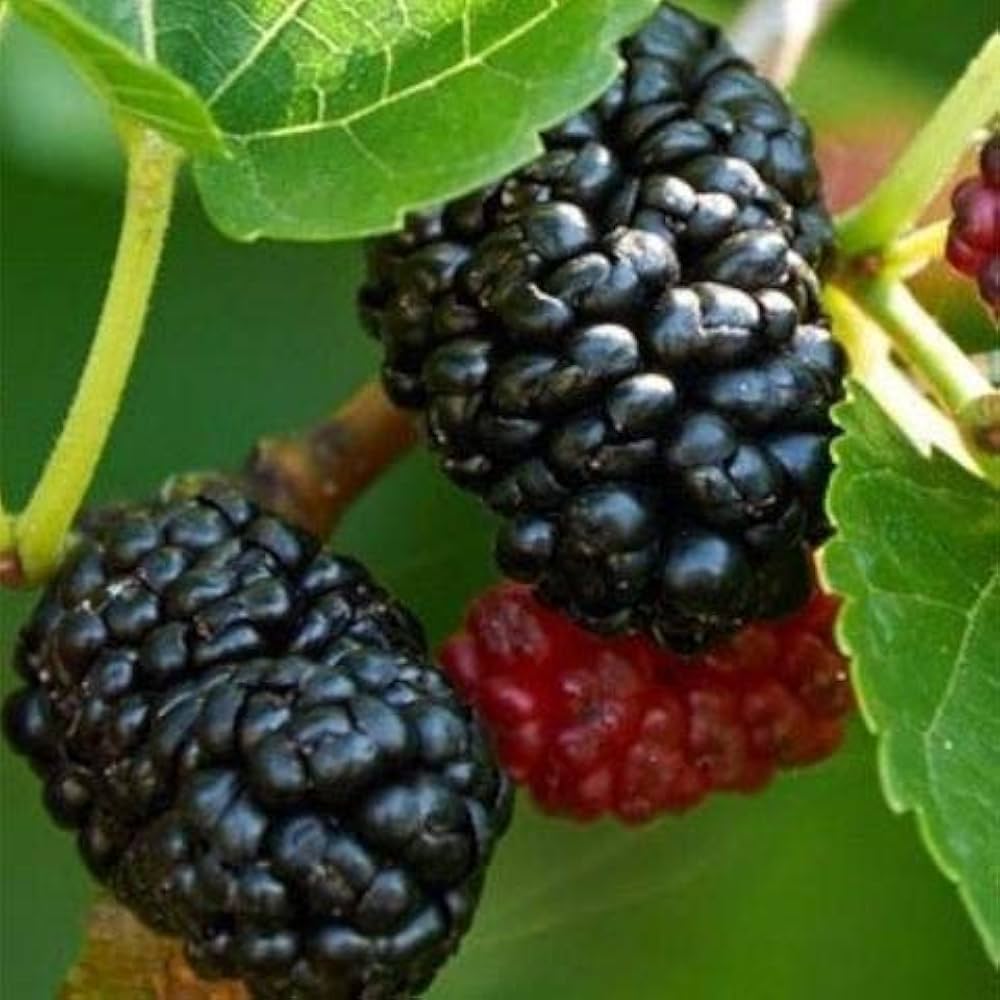
Mulberry fruits offer much greater color variation. Depending on the species and cultivar, mature fruits may appear white, cream, pink, red, reddish purple, deep purple, or nearly black. Despite their berry-like appearance, mulberries are technically multiple fruits formed from clusters of individual flowers.
Their leafy canopies and colorful fruits make Mulberry trees attractive for spacious cottage gardens, backyard orchards, edible landscapes, and informal fruit-tree borders.
Plant Care Insights
Sunlight: Choose a location receiving full sun for strong growth and fruit development.
Soil: Plant in fertile, well-drained soil with suitable organic matter.
Watering: Maintain consistent moisture while young, avoiding prolonged waterlogged conditions.
Companion Plants: Compatible herbs, flowers, and low-growing plants can grow nearby when adequate root space is maintained.
Maintenance: Allow generous space for mature growth, remove damaged or crossing branches when necessary, and consider fruit drop when choosing a planting location near patios or walkways.
Frequently Asked Questions
What climate is suitable for Mulberries?
Mulberry climate tolerance varies considerably among species and cultivars.
Choose a variety suited to your USDA region and winter temperatures.
How large do mature Mulberry trees become?
Mulberries can develop into medium to large spreading fruit trees.
Final height and canopy width depend strongly on species and cultivar.
Do Mulberry trees require pruning?
Selective pruning can remove damaged branches and maintain manageable structure.
Avoid unnecessary heavy pruning once the tree develops its mature framework.
What pests may affect Mulberry trees?
Scale insects, mites, and other pests may occasionally affect Mulberry trees.
Regular inspections help gardeners identify potential pest activity early.
Shop By Category