



Coriander Seeds for Planting – Fresh Green Charm for a Cottage Herb Garden
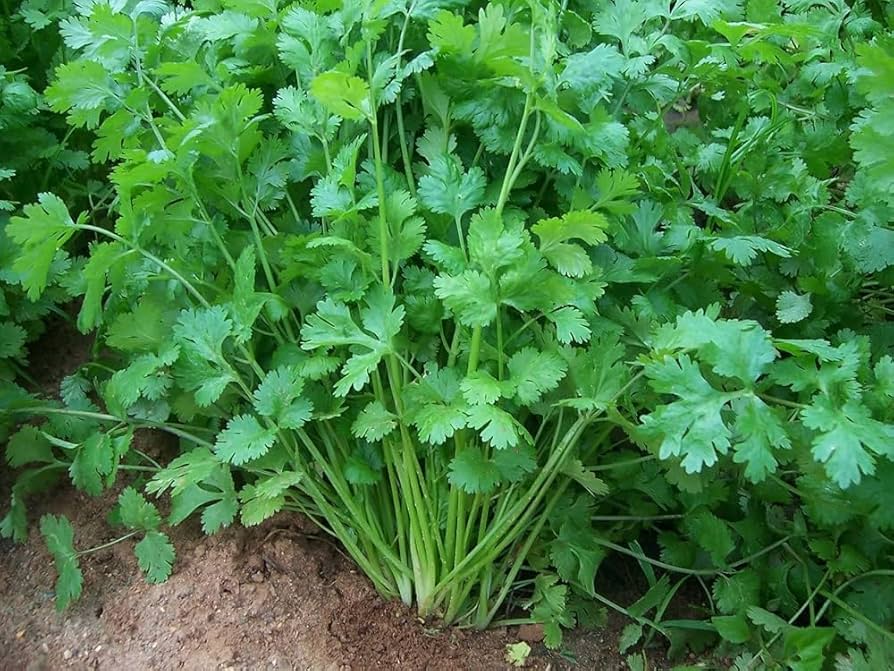
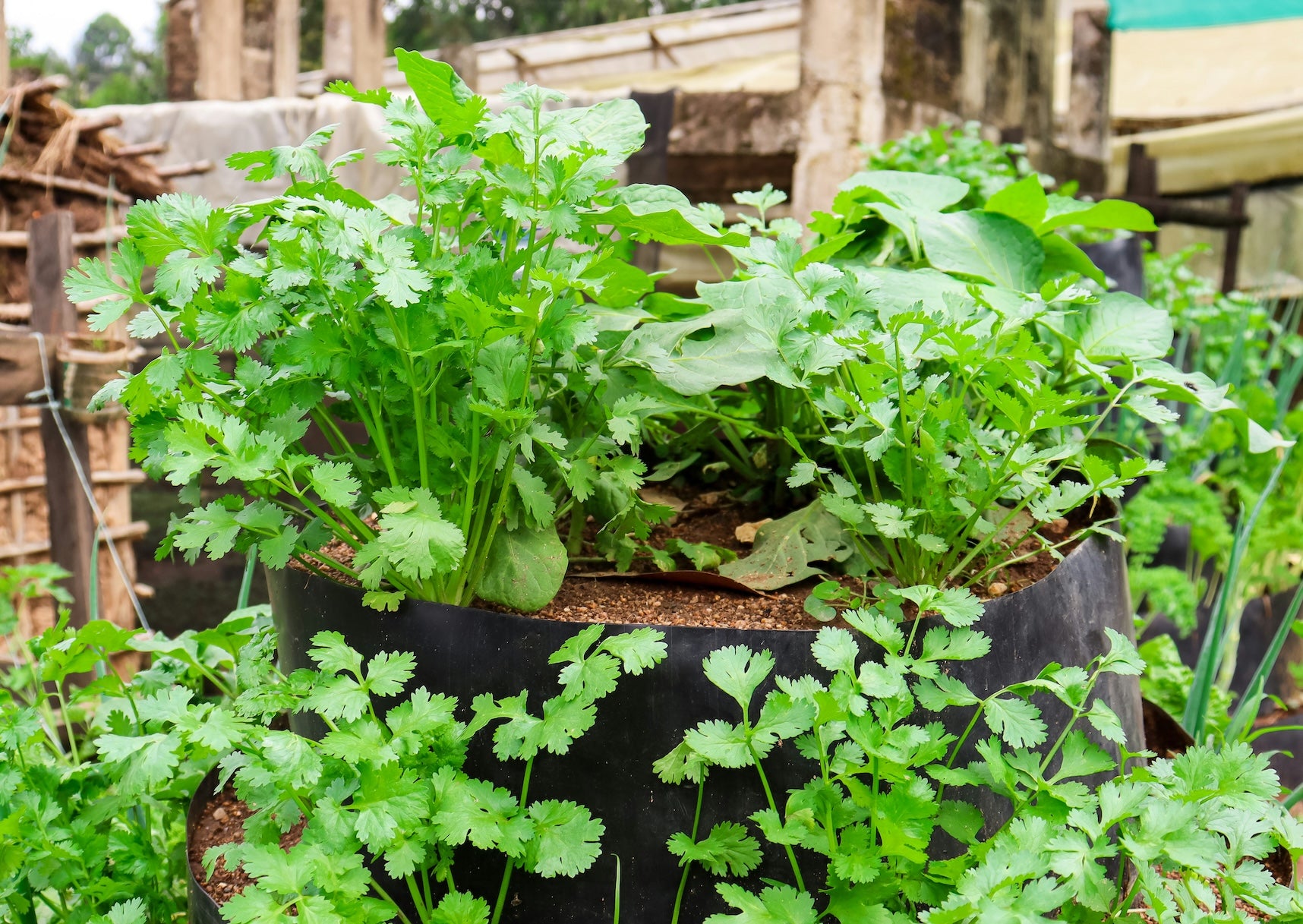
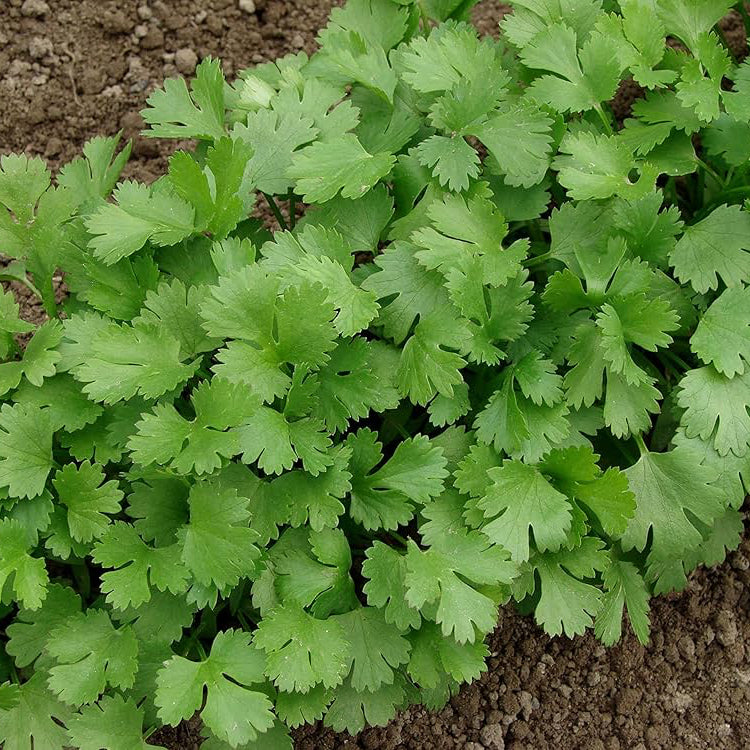
Coriander brings the simple pleasure of an old-fashioned kitchen garden to the landscape, with delicate green leaves, slender stems, and airy flowers that appear as plants mature. Its fresh character feels naturally at home among traditional herbs and cottage flowers, creating an edible garden that is both practical and pleasantly informal.
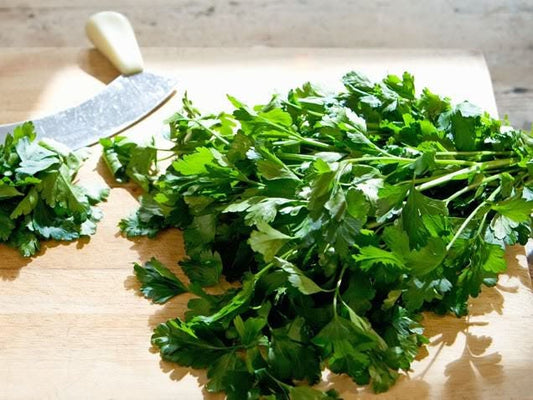
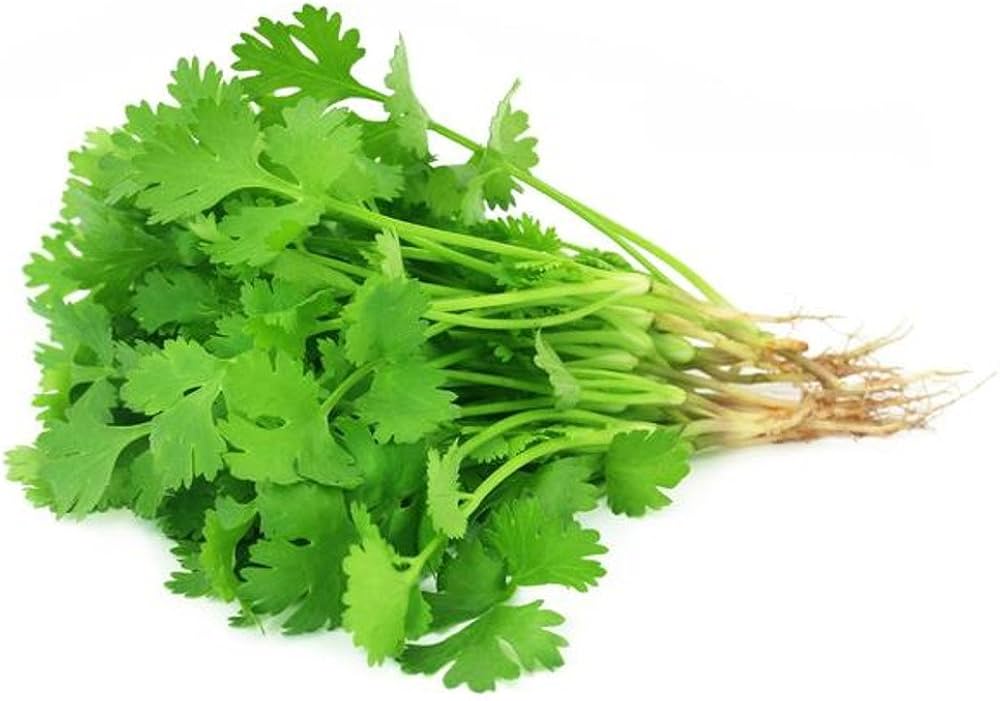
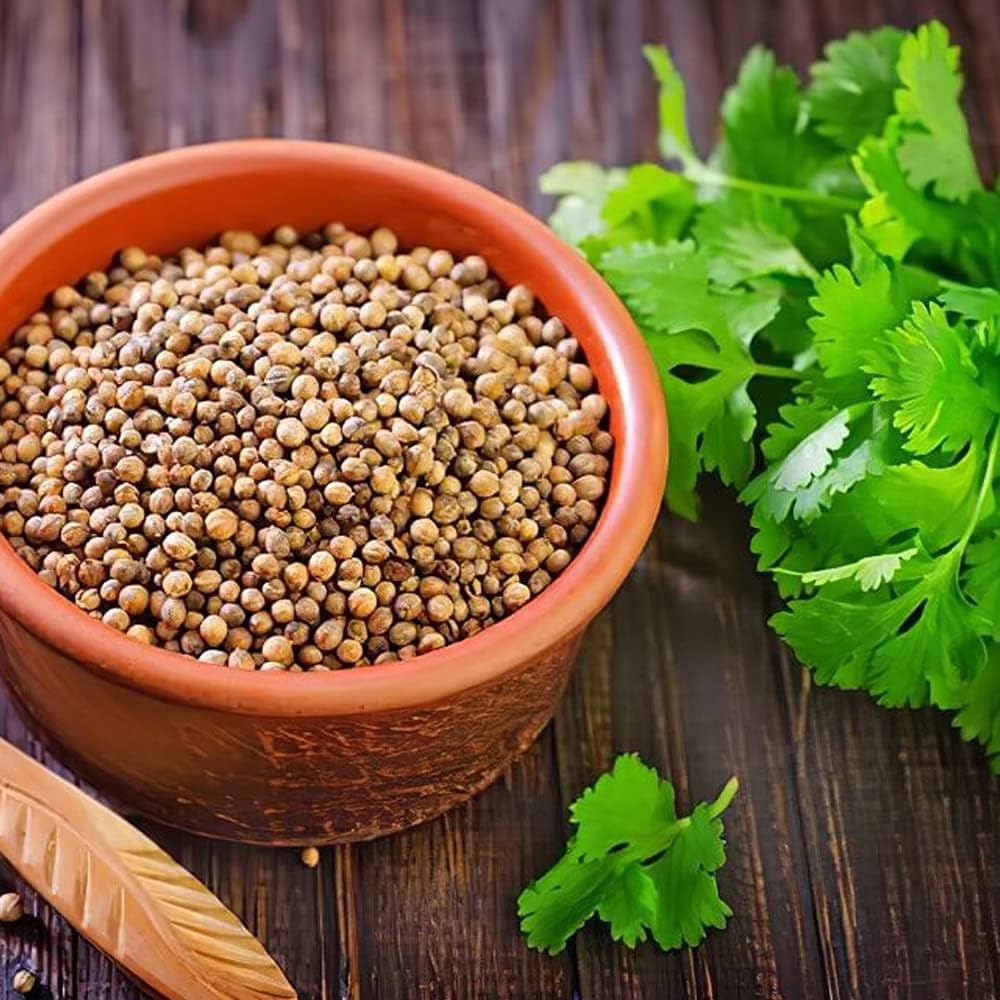
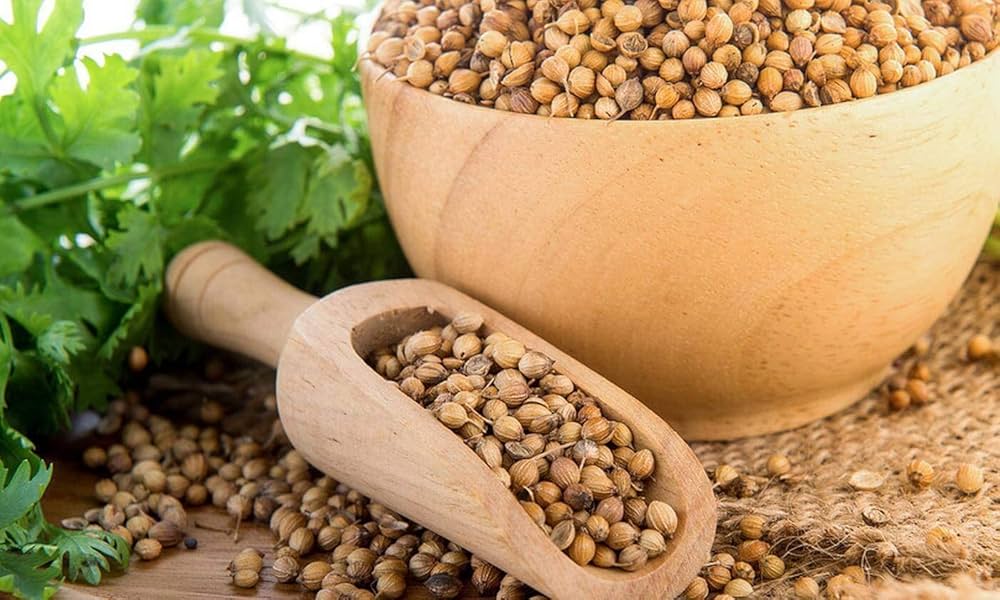
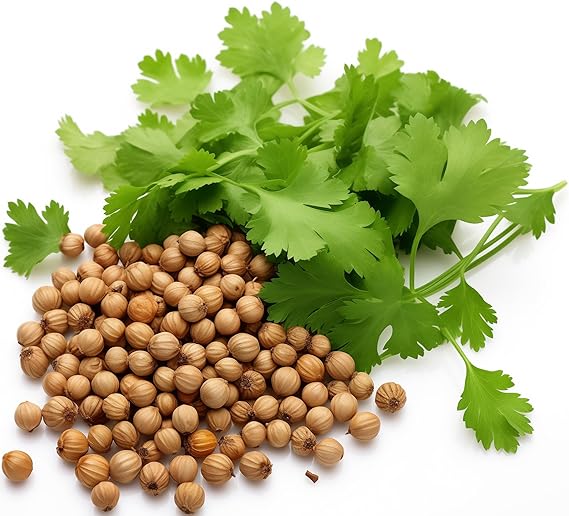
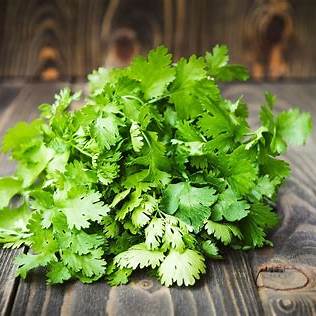
Coriander Seeds from Evergrow Seeds are available at evergrowseeds.com for US home gardeners seeking a familiar culinary herb for kitchen gardens, herb beds, and edible landscapes. The leafy portion of the plant is commonly called cilantro in the United States, while the mature dried seeds are known as coriander, giving gardeners different culinary uses from the same plant.
Browse Our Coriander Seeds
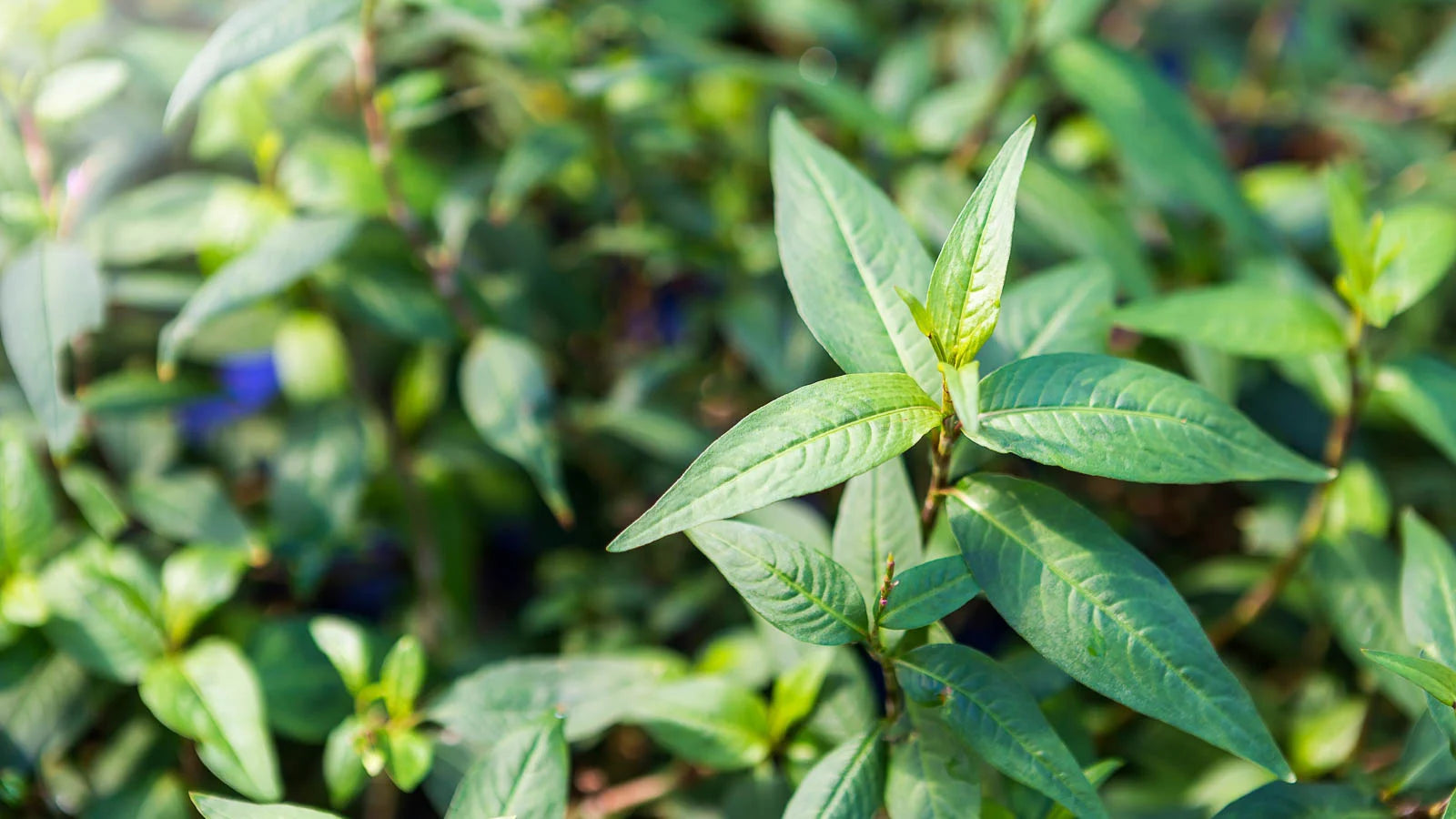
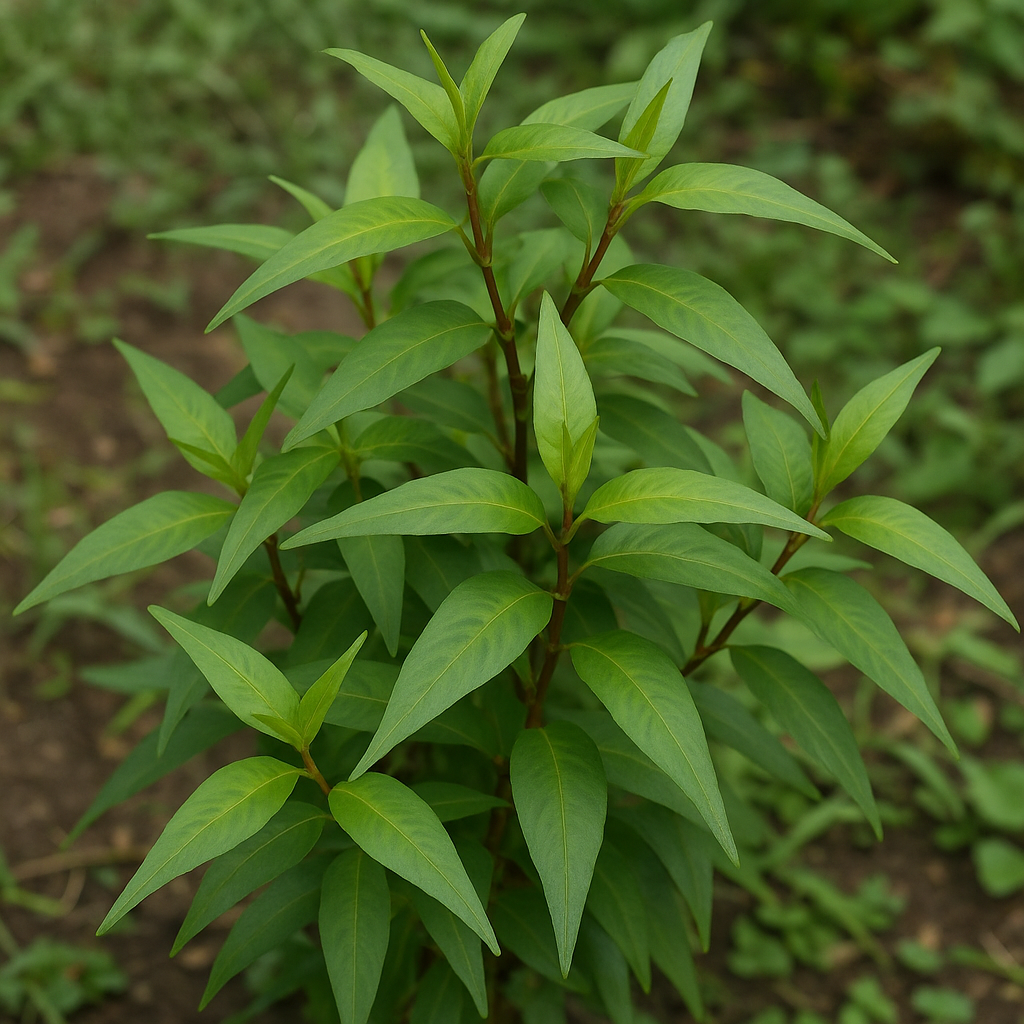
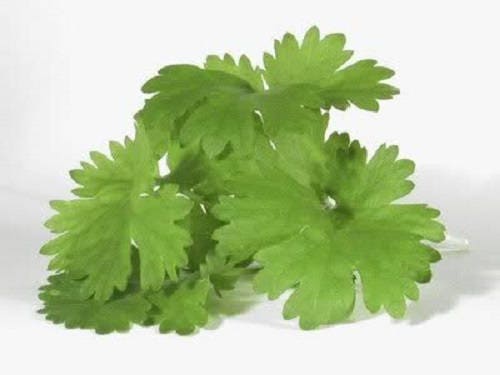
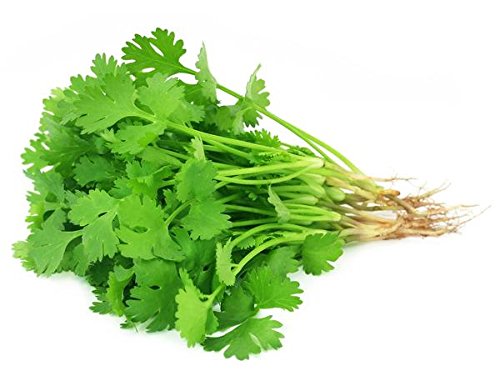
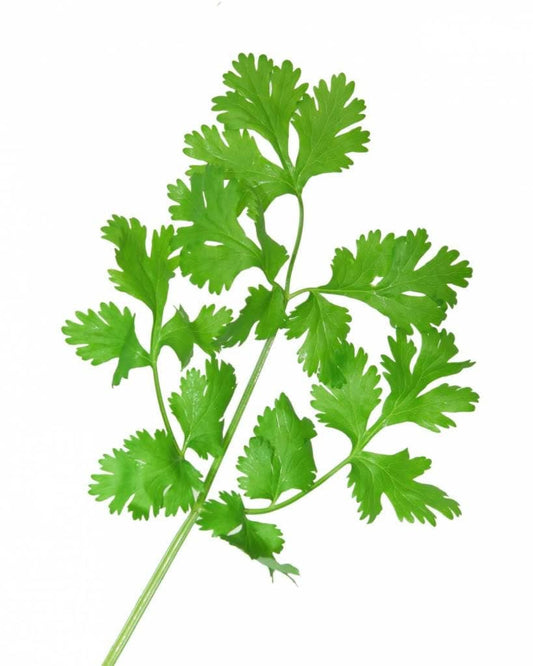
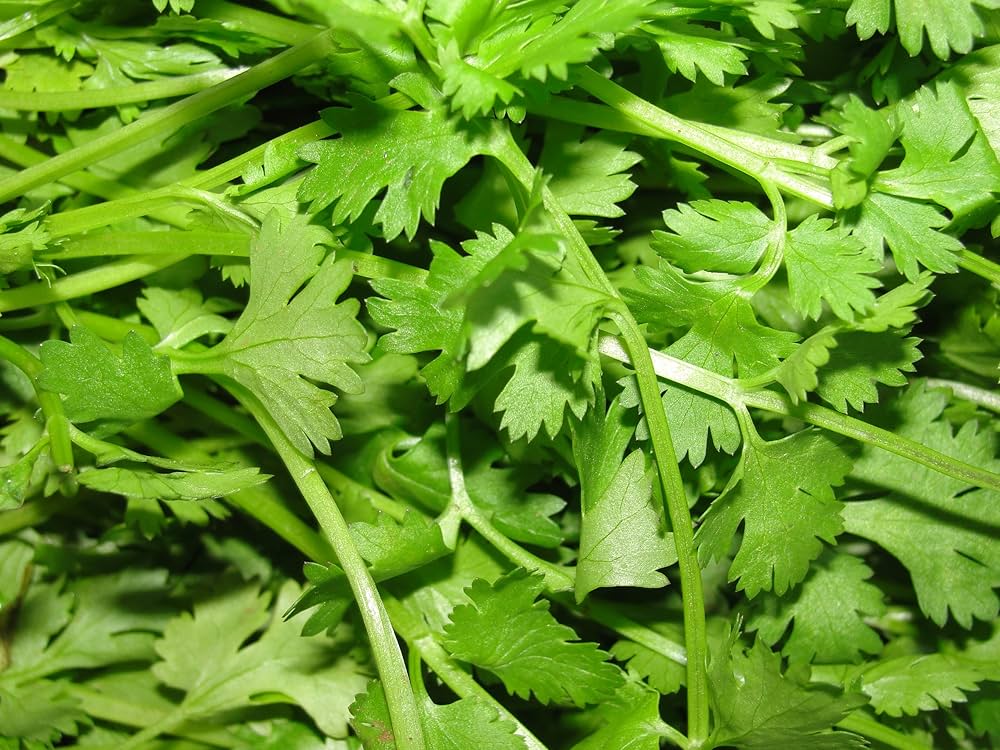
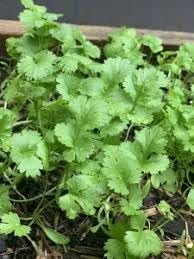
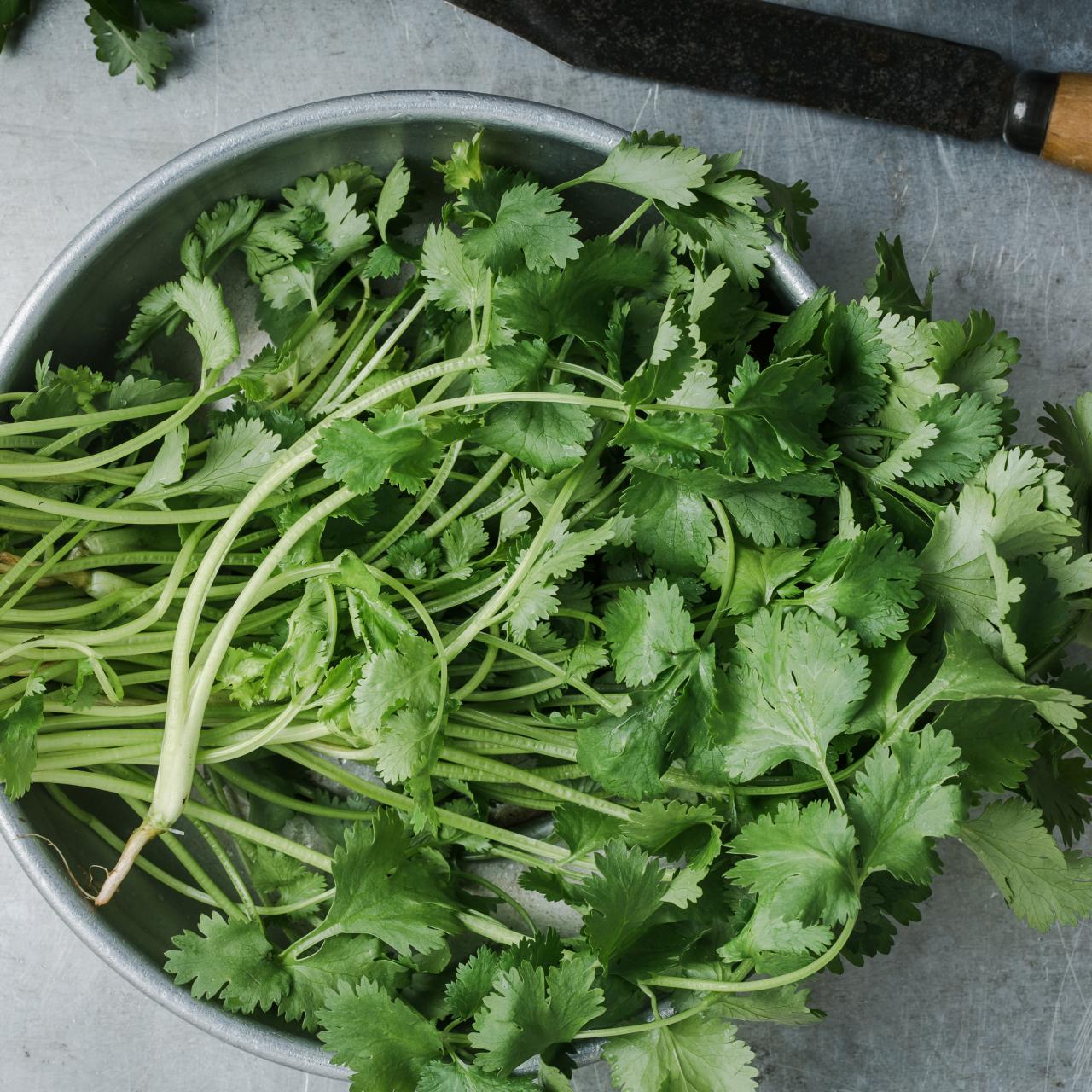
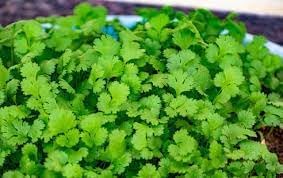
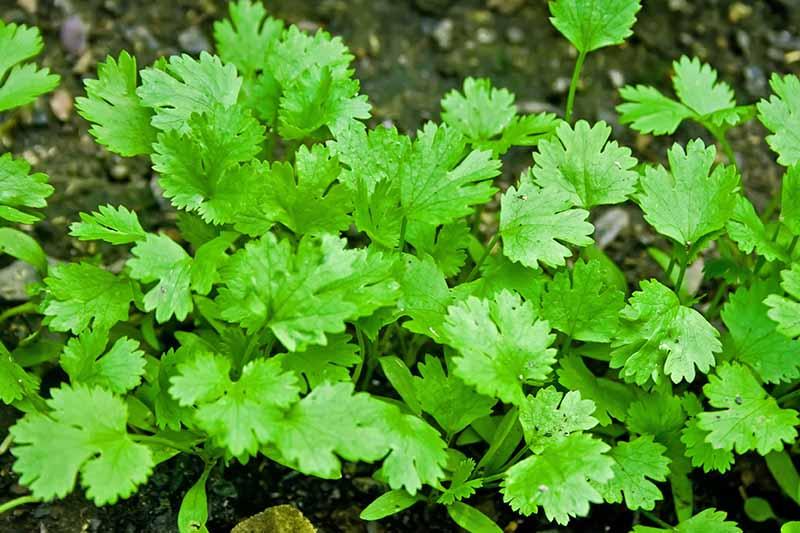
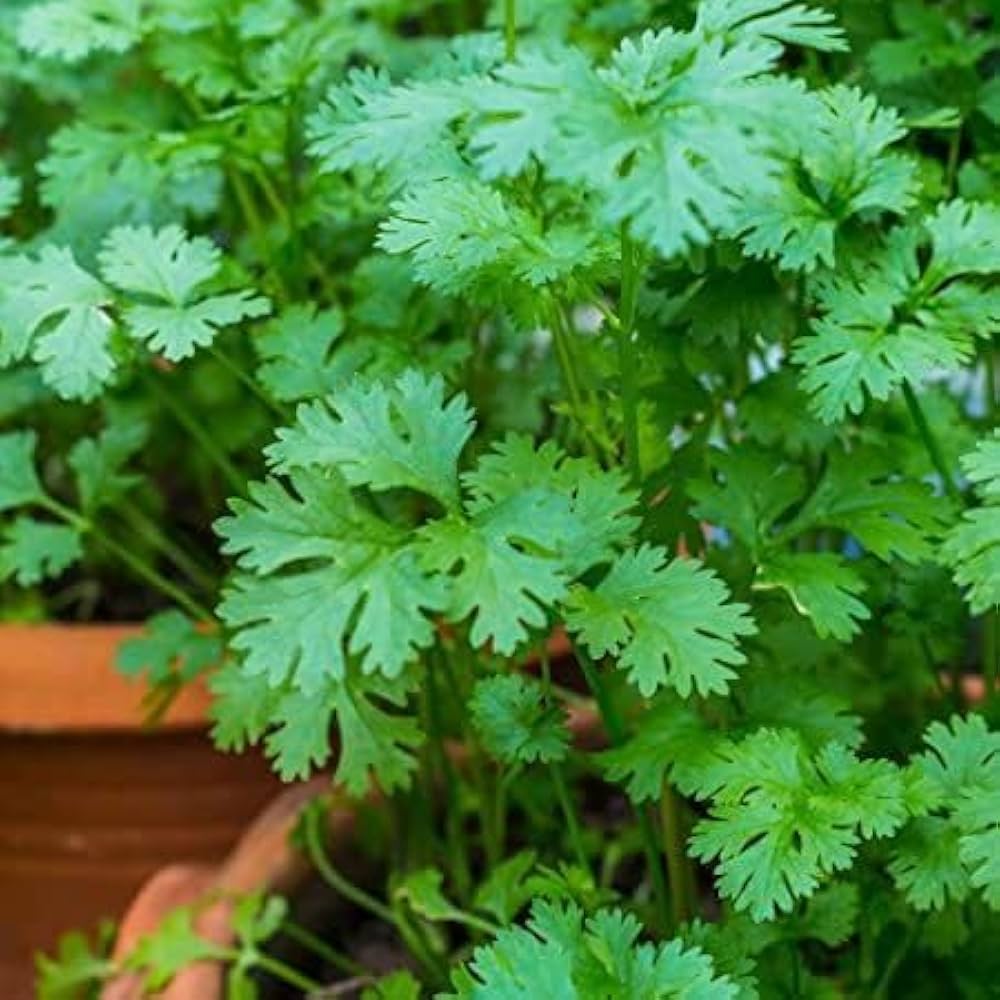
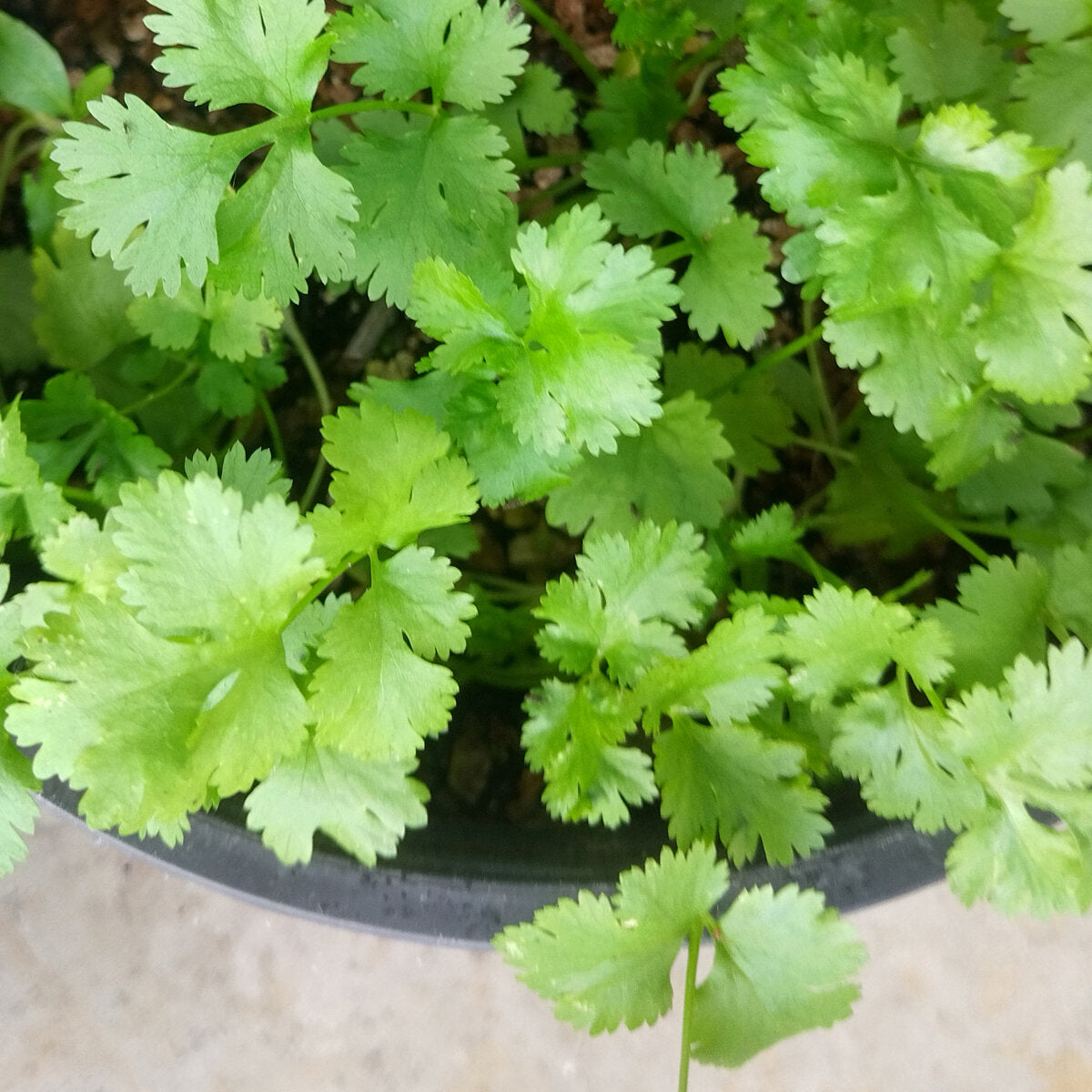
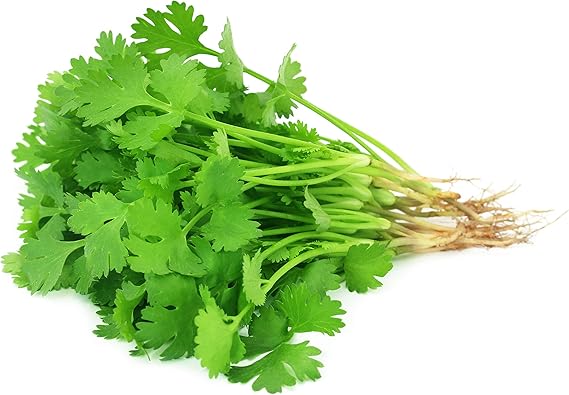
Coriander begins with fresh to medium-green foliage, with leaves becoming finer and more delicate as flowering approaches. Mature plants develop airy flower clusters that are typically white, creamy white, or very pale pink, sometimes displaying subtle lavender-pink tones.
Its delicate flowers bring a light, meadow-like quality to herb beds and informal cottage plantings. Coriander can be incorporated into kitchen gardens, edible landscapes, herb borders, and mixed plantings where its changing foliage and airy flowers provide seasonal texture.
Plant Care Insights
Sunlight
Coriander generally appreciates full sun during cooler weather, while some afternoon shade can be helpful as temperatures rise.
Soil
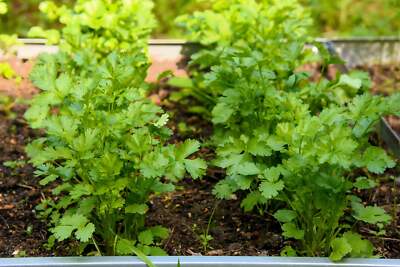
Choose loose, fertile, well-drained soil that supports healthy root development without remaining continuously soggy.
Watering
Maintain reasonably consistent soil moisture, particularly during early growth, while avoiding prolonged waterlogged conditions.
Companion Plants
Coriander can share garden space with compatible herbs, leafy vegetables, and cottage flowers that prefer similar seasonal conditions.
Maintenance
Keep competing weeds controlled and remove damaged foliage when necessary. Because coriander naturally progresses toward flowering, minimal pruning is generally needed.
Frequently Asked Questions
Which US climates are suitable for coriander?
Coriander generally prefers mild, cool-season growing conditions rather than intense heat.
Planting periods vary considerably among northern and southern US regions.
How large can mature coriander plants become?
Coriander develops upright flowering stems above its lower leafy growth.
Final height and spread vary according to variety and garden conditions.
When does coriander typically produce flowers?
Coriander develops delicate flower clusters as plants mature and begin bolting.
Warm temperatures and longer days can encourage earlier flowering.
What pests may occasionally affect coriander plants?
Aphids and other small garden pests may occasionally appear on foliage.
Regular inspection helps gardeners identify potential pest activity early.
Shop By Category