Sapodilla Seeds – Rustic Tropical Charm for the Cottage Fruit Garden
Sapodilla brings the warm beauty of an old-fashioned tropical orchard into the home landscape. Its dense evergreen foliage, gently spreading branches, subtle blossoms, and earthy brown fruits create a peaceful scene reminiscent of sunlit garden paths, quiet cottage orchards, and warm afternoons beneath a leafy canopy.
Sapodilla Seeds are available at evergrowseeds.com from Evergrow Seeds for gardeners who enjoy distinctive tropical fruit trees with ornamental character. Botanically known as Manilkara zapota, sapodilla is a long-lived evergreen tree suited to tropical and warm subtropical environments.
Browse Our Sapodilla Seeds
Sapodilla trees produce small, understated, bell-shaped flowers. Blossoms are generally creamy white, ivory, or pale greenish white and appear among the glossy foliage rather than forming a dramatic floral display.
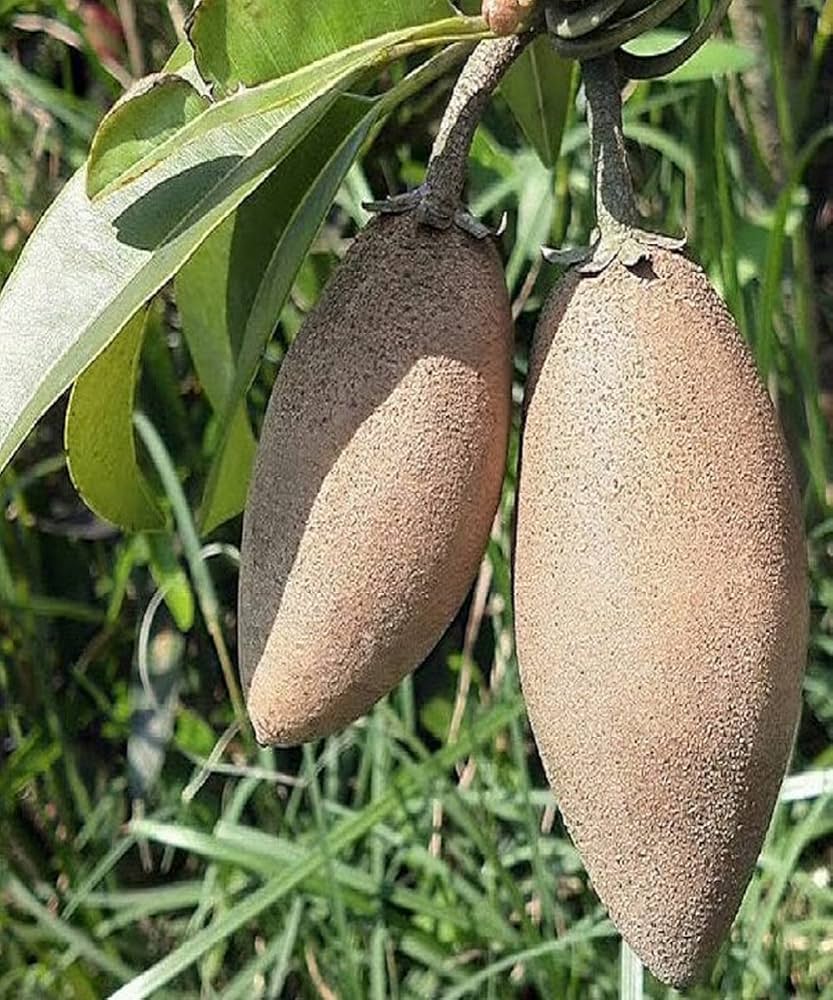
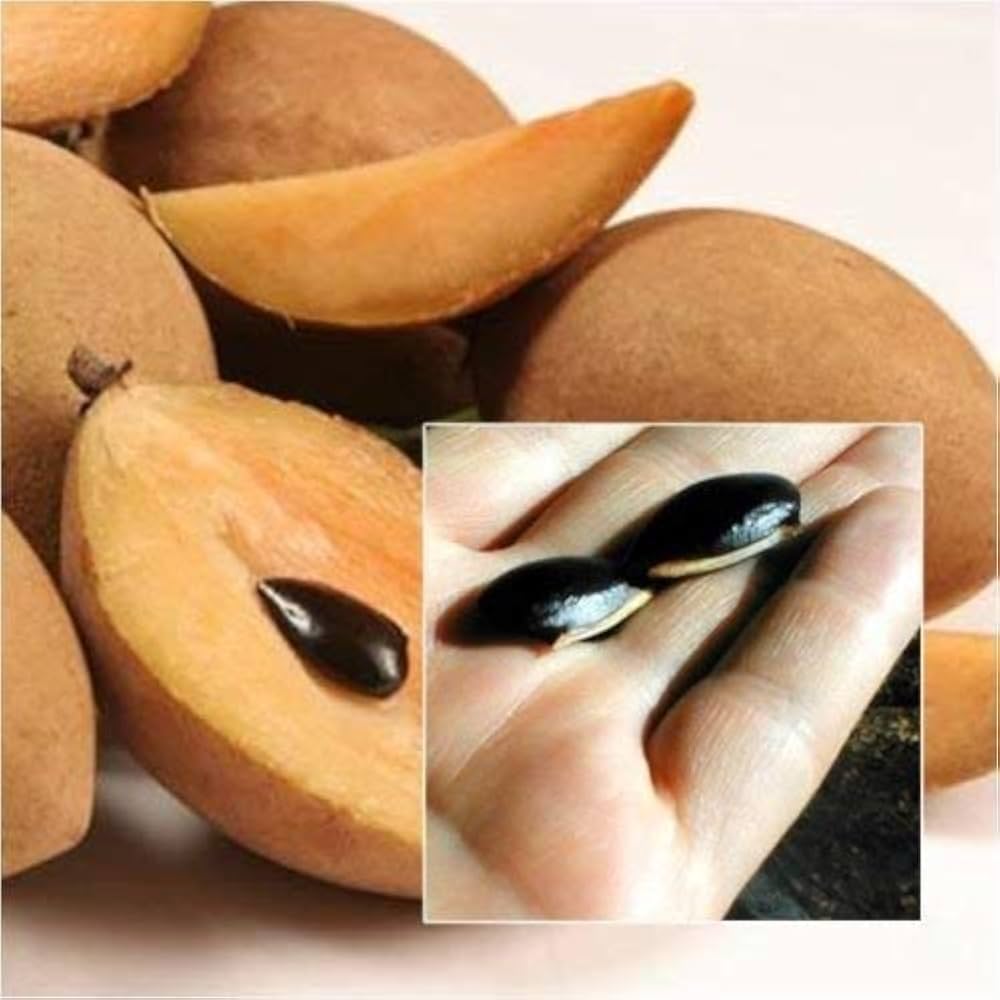
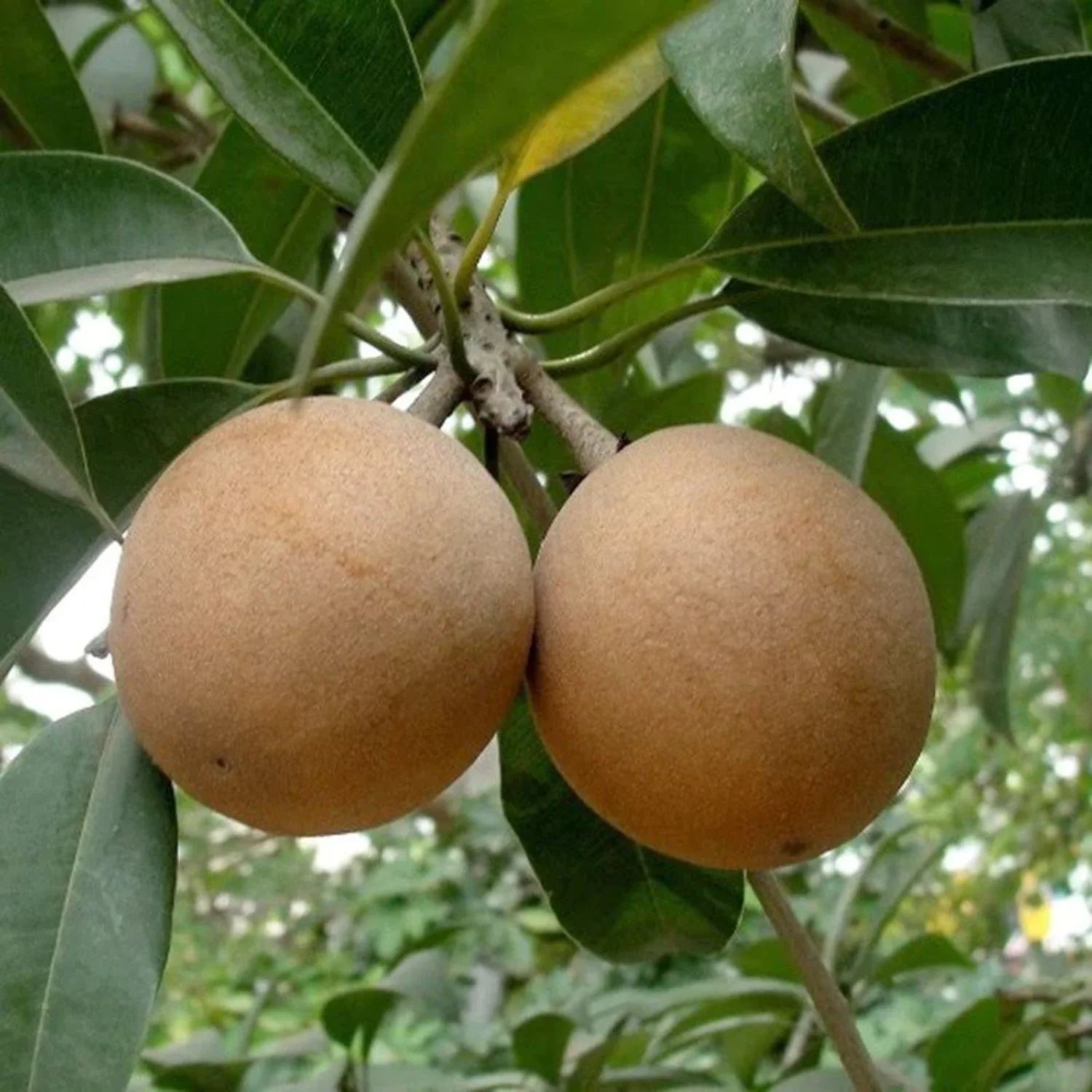
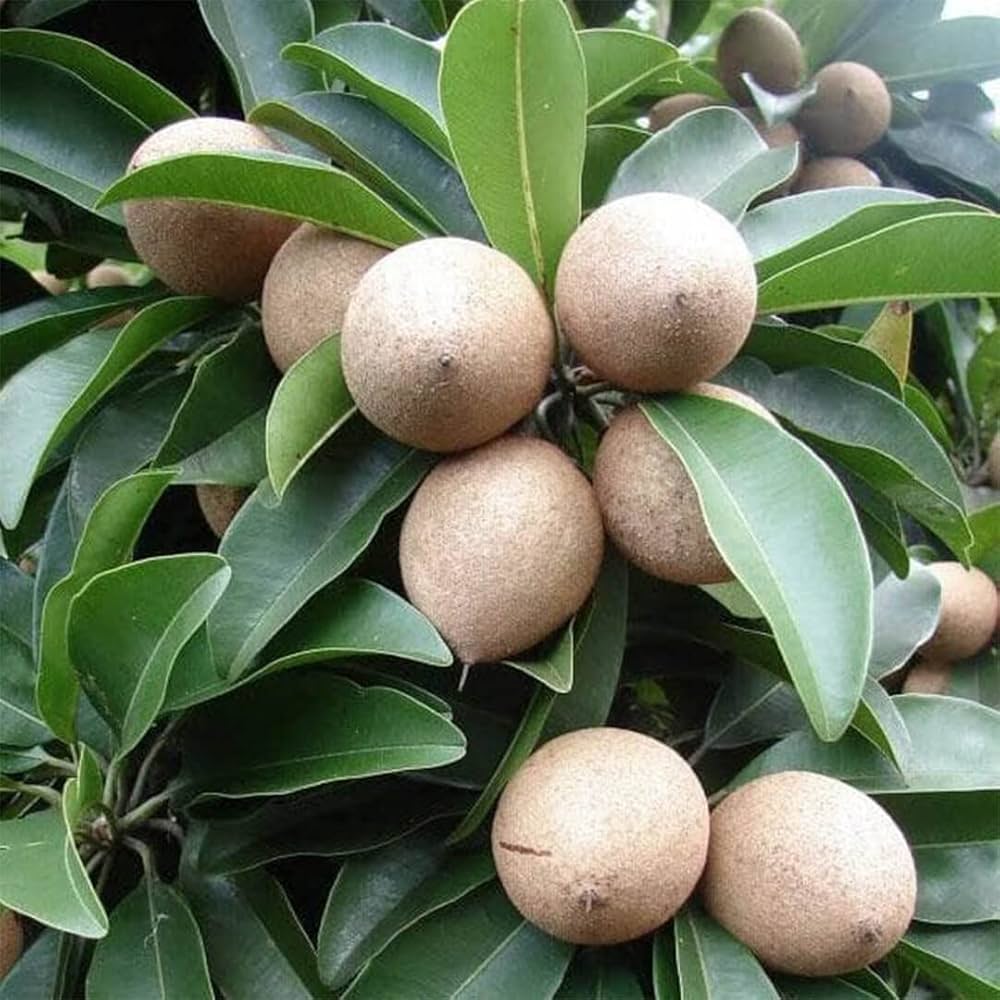
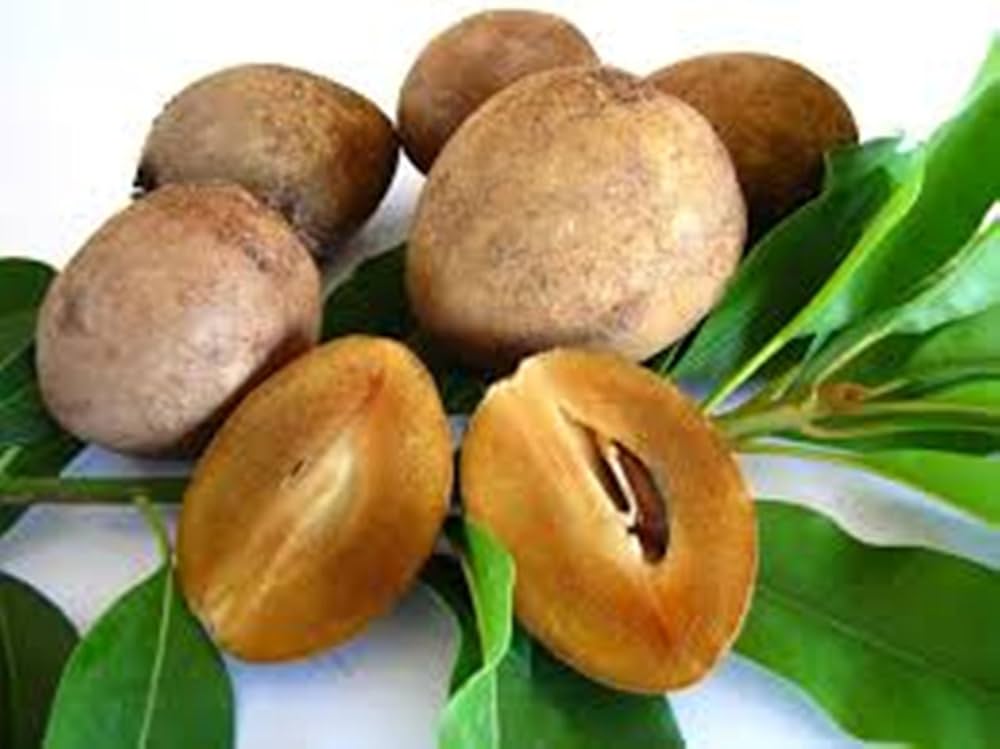
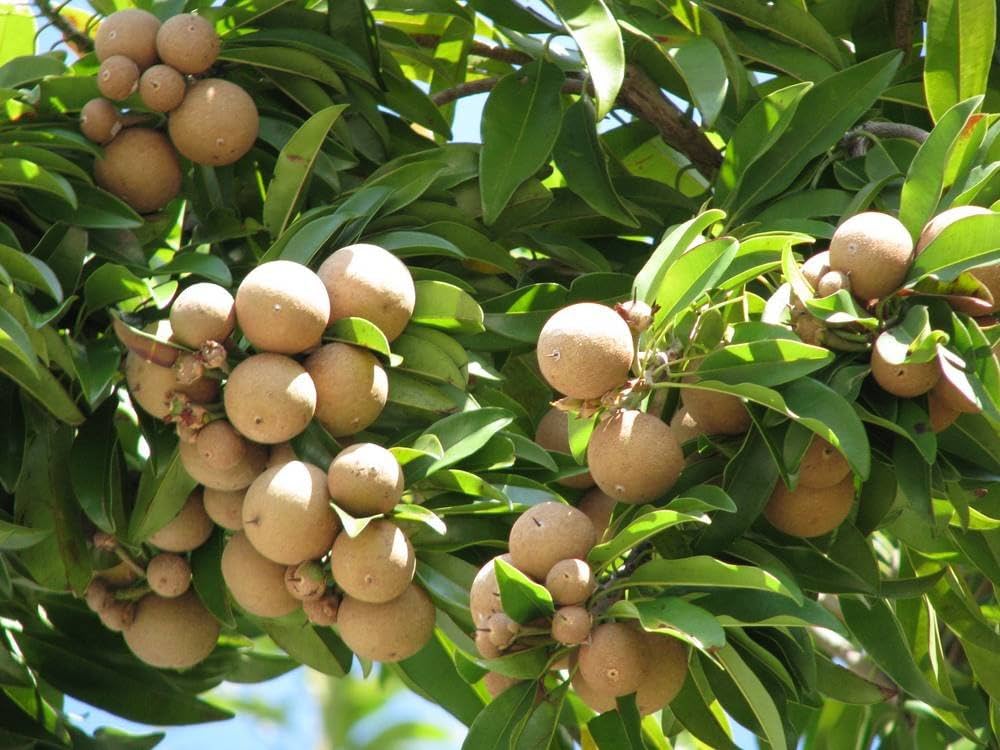
Developing fruits are greenish before gradually becoming tan, sandy brown, or earthy brown as they mature. Their skin has a slightly rough texture, while ripe flesh commonly ranges from pale brown and golden brown to reddish brown depending on cultivar.
Sapodilla cultivars can differ in fruit shape, size, texture, flavor, and tree growth. Fruits may be round, oval, egg-shaped, or somewhat elongated. Seed-grown trees are genetically variable, so their eventual fruit characteristics may differ from those of the parent plant.
Plant Care Insights
Sunlight: Choose a warm, open location receiving full sun for strong tree development.
Soil: Plant in fertile, well-drained soil with suitable organic matter.
Watering: Maintain consistent moisture while young, avoiding prolonged saturated or waterlogged conditions.
Companion Plants: Compatible herbs, flowers, and low-growing tropical plants can grow nearby when sufficient root and canopy space is maintained.
Maintenance: Allow generous room for mature canopy growth, protect young trees from frost, remove damaged or crossing branches when necessary, and maintain good airflow through established foliage.
Frequently Asked Questions
What climate is suitable for Sapodilla trees?
Sapodilla generally favors tropical and warm subtropical growing conditions.
Young trees require protection from frost and prolonged periods of cold.
How large do mature Sapodilla trees become?
Sapodilla can develop into a substantial evergreen tree with dense foliage.
Final height and canopy width depend on climate and long-term management.
Do Sapodilla trees require pruning?
Routine heavy pruning is generally unnecessary for healthy Sapodilla trees.
Selective trimming can remove damaged branches and maintain manageable structure.
Will seed-grown Sapodilla match the parent fruit?
Seed-grown Sapodilla trees are genetically variable and may differ from parents.
Fruit size, shape, flavor, and quality cannot be assumed identical.
Shop By Category