
Dewberry Seeds – Wild Bramble Beauty for the Romantic Cottage Garden
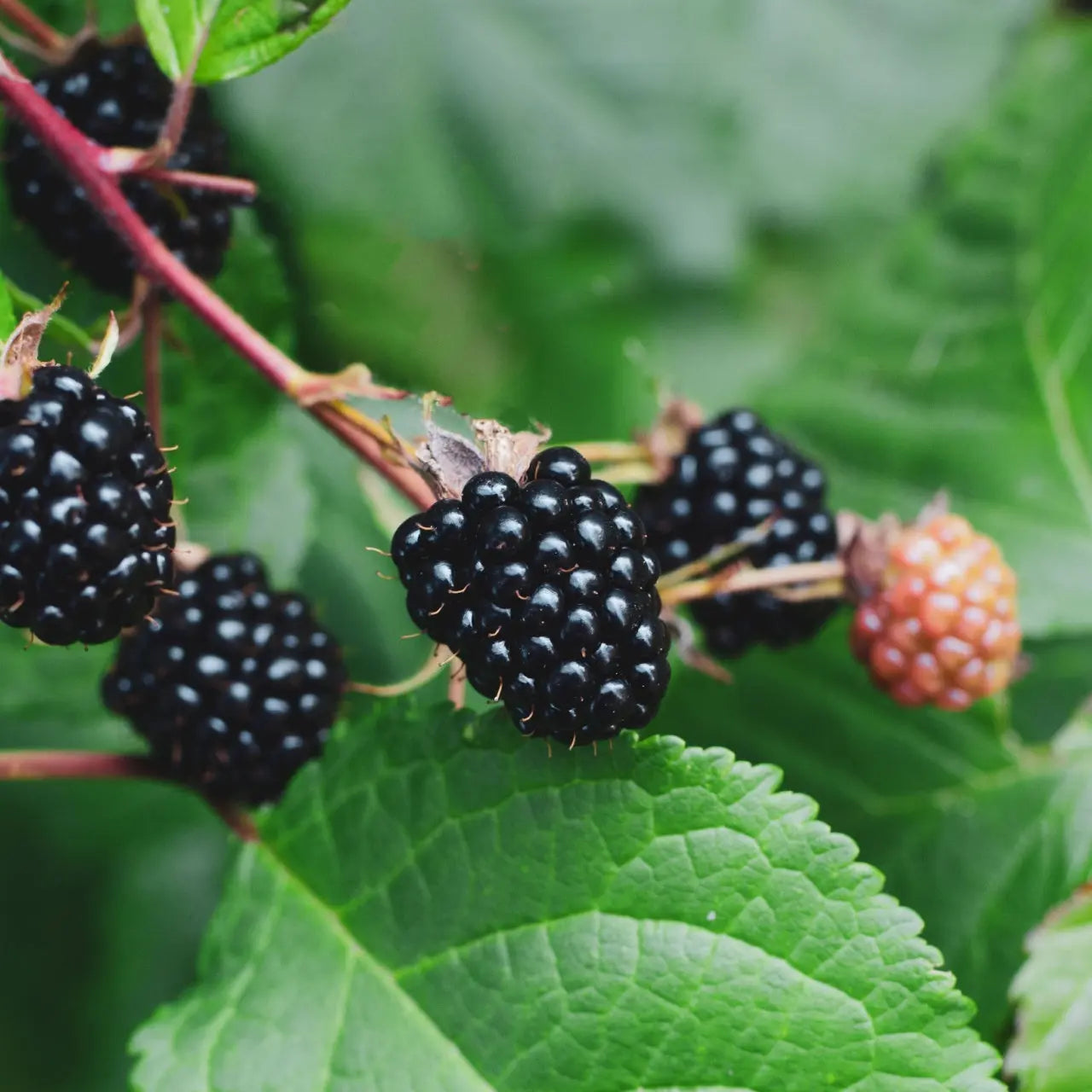
Dewberries bring the gentle charm of a wild country bramble into the home landscape. Their trailing canes, textured green leaves, delicate spring blossoms, and clusters of dark berries create a nostalgic scene reminiscent of weathered cottage fences, grassy pathways, and peaceful summer mornings spent gathering fruit.
Dewberry Seeds are available at evergrowseeds.com from Evergrow Seeds for gardeners who appreciate naturally rambling fruiting plants with woodland character. The name dewberry is applied to several low-growing or trailing species within the genus Rubus, so exact mature size, fruit characteristics, and regional adaptation can vary.
Browse Our Dewberry Seeds
Dewberry plants generally produce delicate five-petaled flowers that may appear white, creamy white, or softly pink depending on the species. These simple blossoms stand beautifully against the fresh green foliage before fruits begin developing.
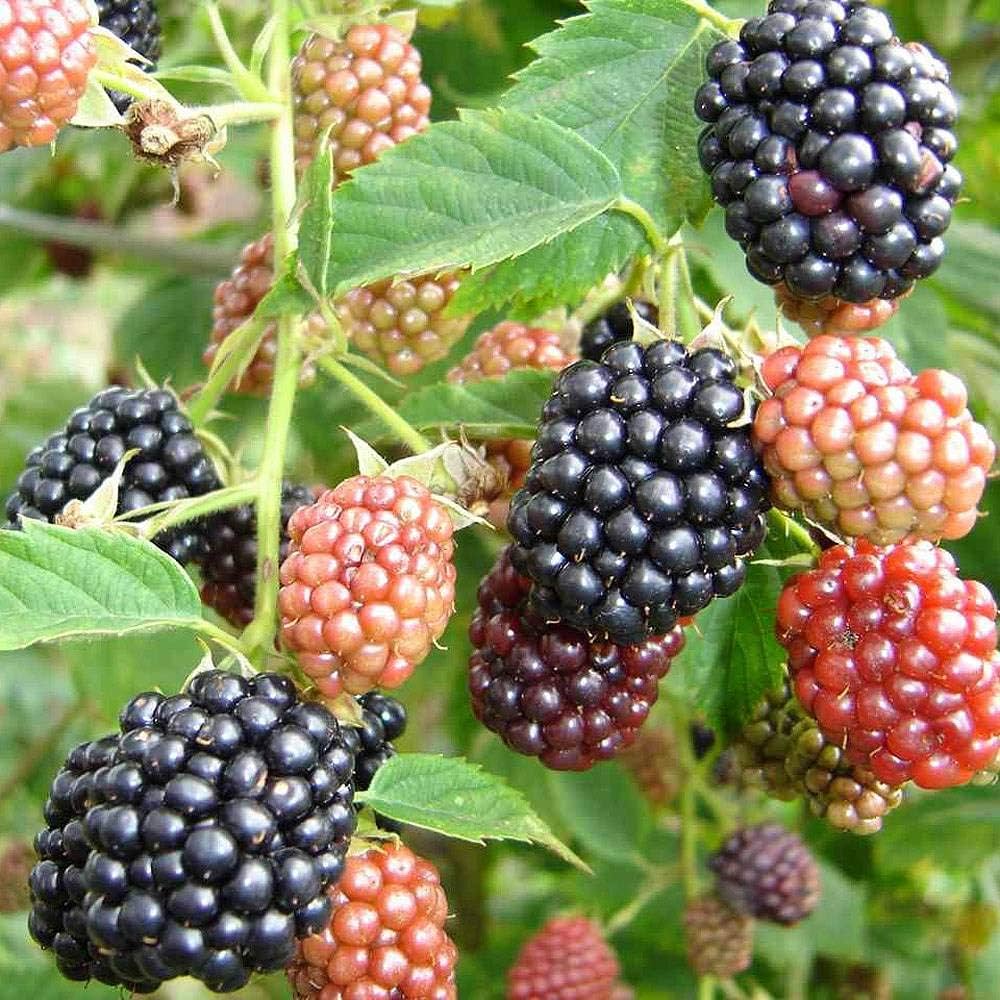
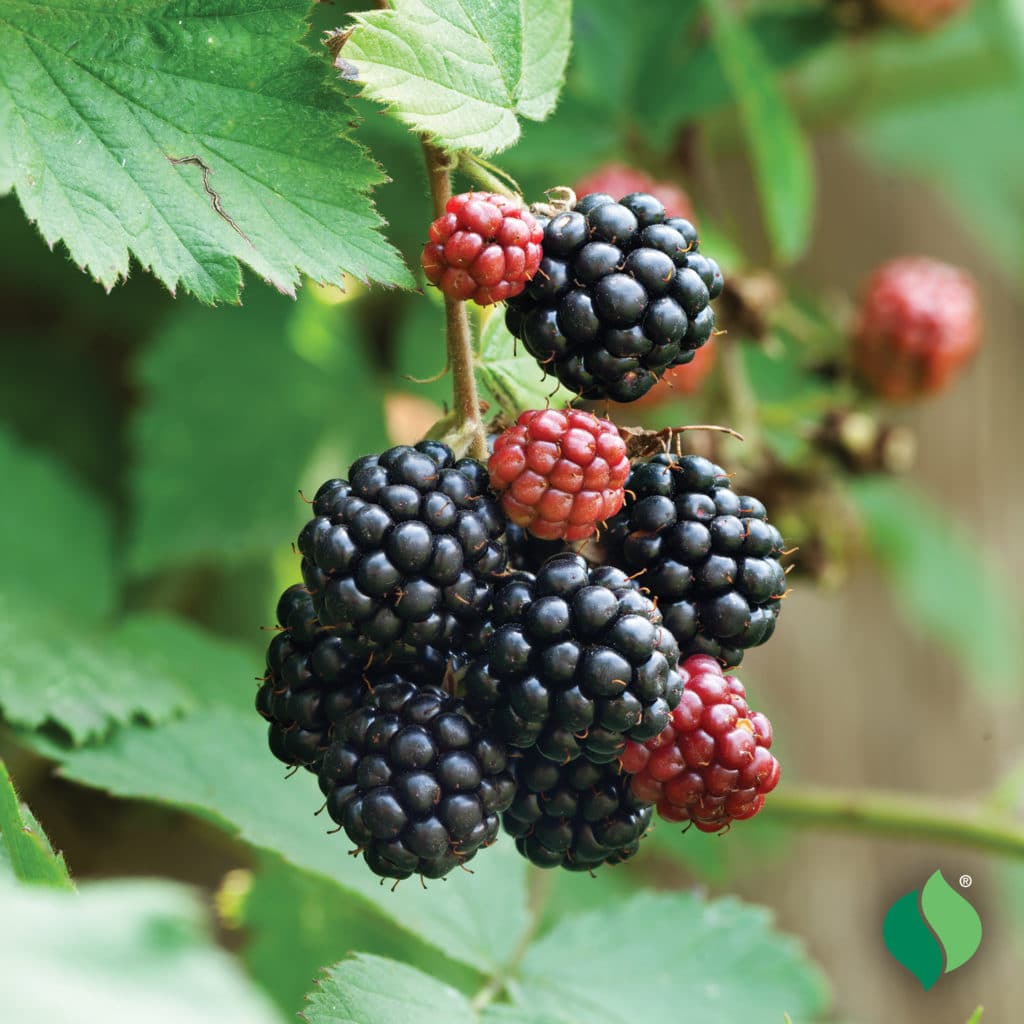
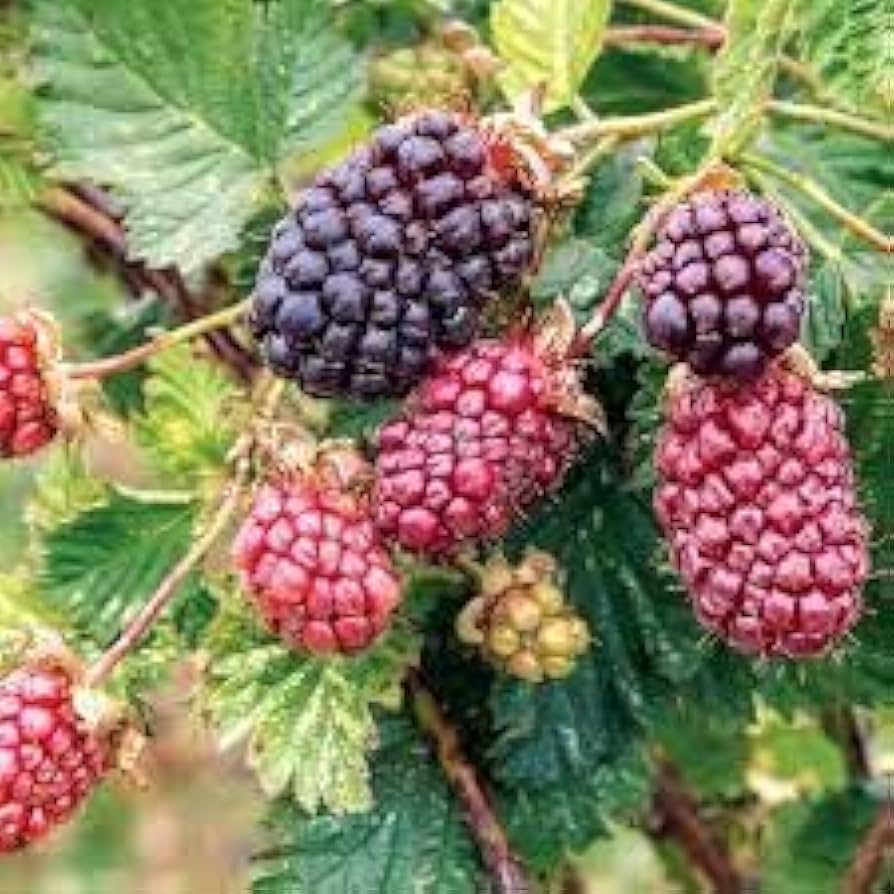
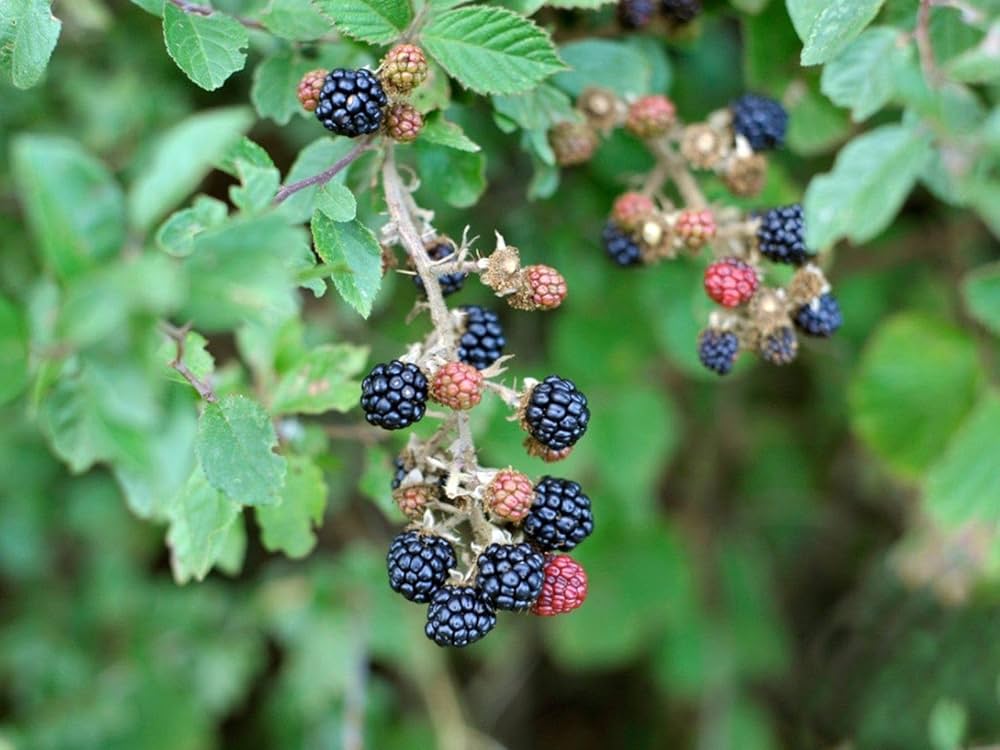
Young fruits typically begin green, then pass through reddish shades before maturing to deep purple, purple-black, or glossy black. Their clustered drupelets create the familiar blackberry-like appearance associated with many Rubus fruits.
Unlike many upright blackberry varieties, dewberries commonly develop low, arching or trailing canes. This relaxed growth habit brings natural texture to cottage-style edible borders, informal berry patches, and woodland-inspired landscapes.
Plant Care Insights
Sunlight: Choose full sun for strong fruiting, although some species tolerate partial shade.
Soil: Plant in fertile, well-drained soil enriched with suitable organic matter.
Watering: Maintain reasonably consistent root-zone moisture while avoiding prolonged waterlogged conditions.
Companion Plants: Chives and compatible low-growing plants can grow nearby when sufficient airflow is maintained.
Maintenance: Manage spreading canes where necessary, provide support if desired, remove damaged or spent growth, and wear gloves when handling thorny varieties.
Frequently Asked Questions
What climate is suitable for Dewberries?
Dewberry climate preferences vary among different species and regional selections.
Choose a type adapted to your area's winters and summer conditions.
How large do mature Dewberry plants become?
Dewberries generally remain relatively low while producing long trailing canes.
Final spread depends on species, cultivar, and available garden space.
Do Dewberry plants require pruning?
Selective pruning helps remove older canes and control excessive spreading growth.
Exact pruning needs depend on the species and its fruiting habit.
What pests may affect Dewberry plants?
Aphids, beetles, mites, and cane borers may occasionally affect Dewberry plants.
Regular inspections help gardeners identify potential pest activity early.
Shop By Category