
Chervil Seeds for a Romantic Cottage Garden
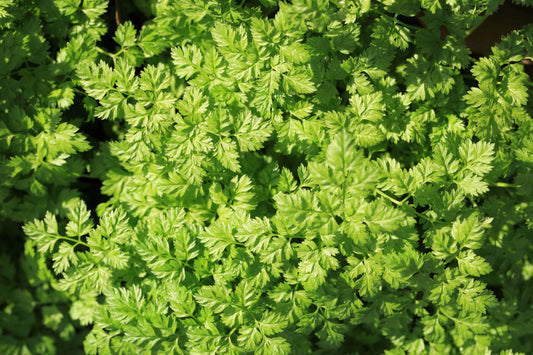
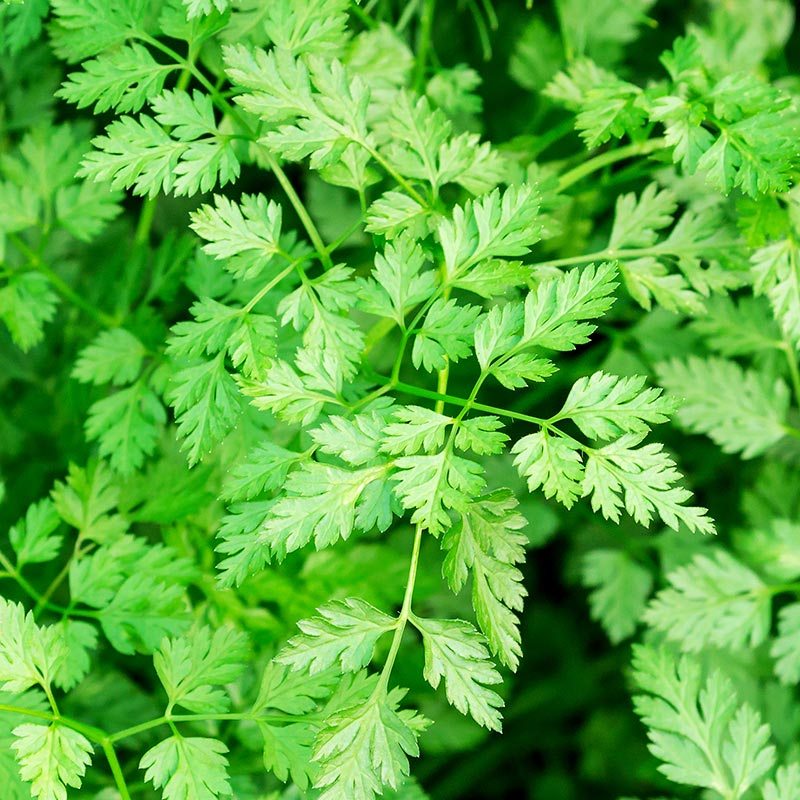
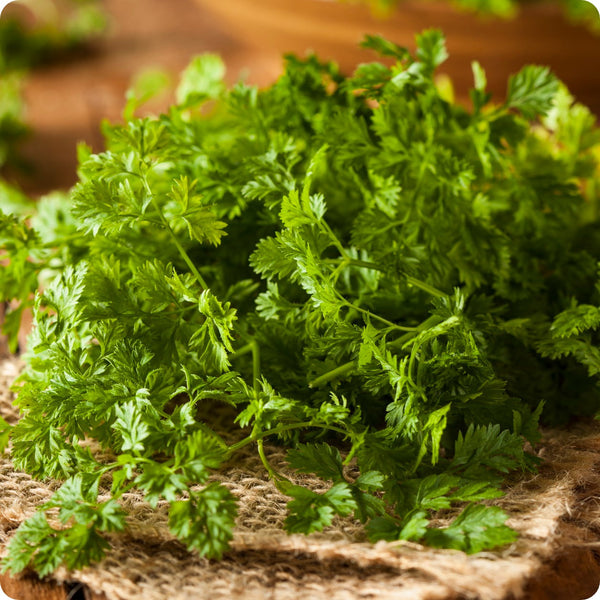
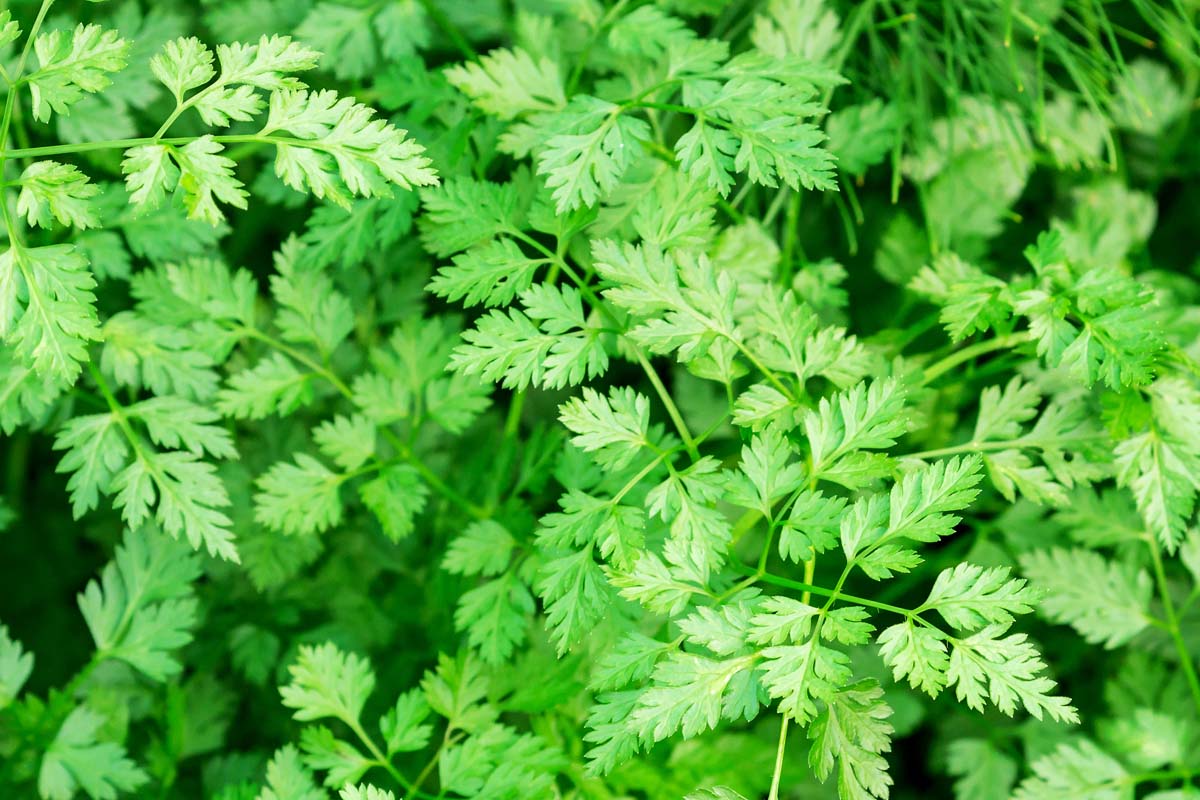
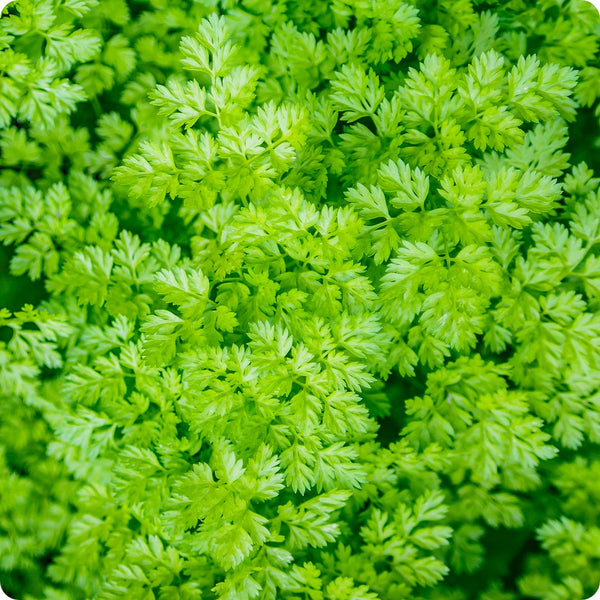
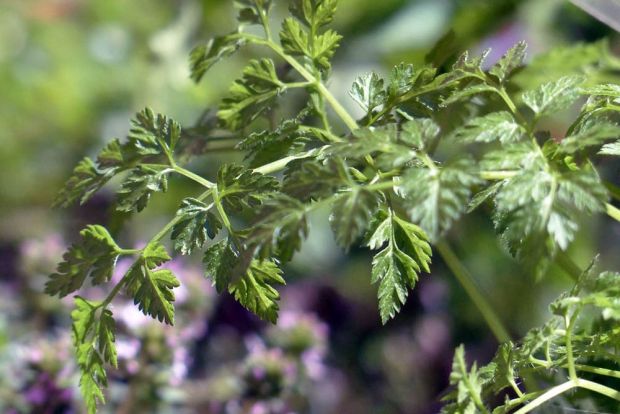
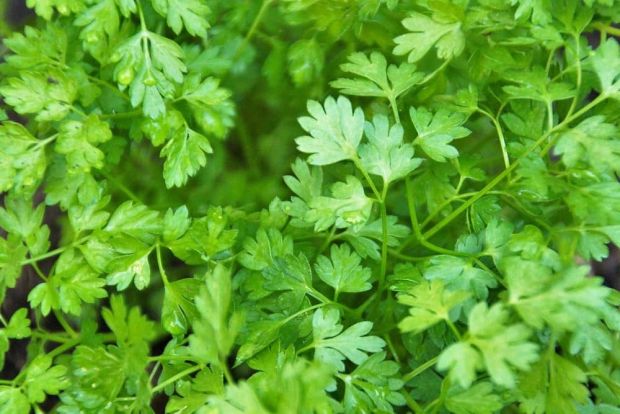
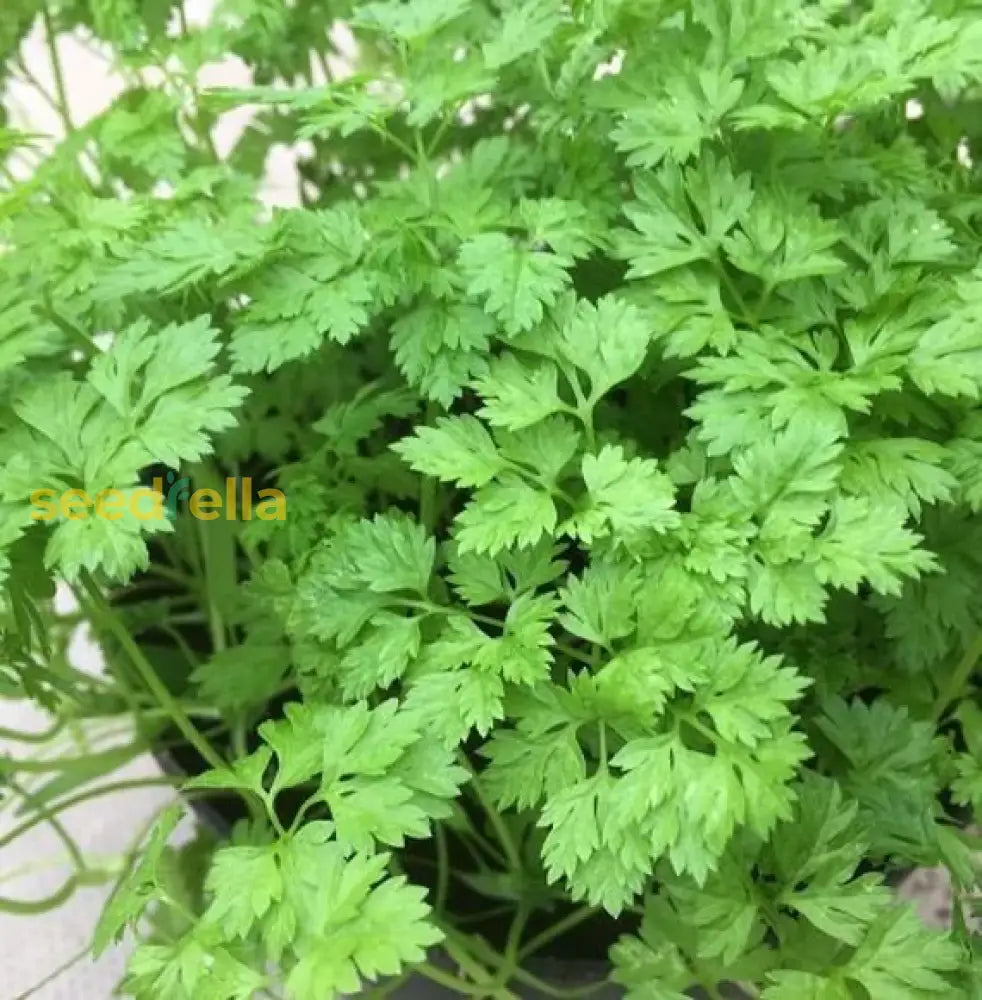
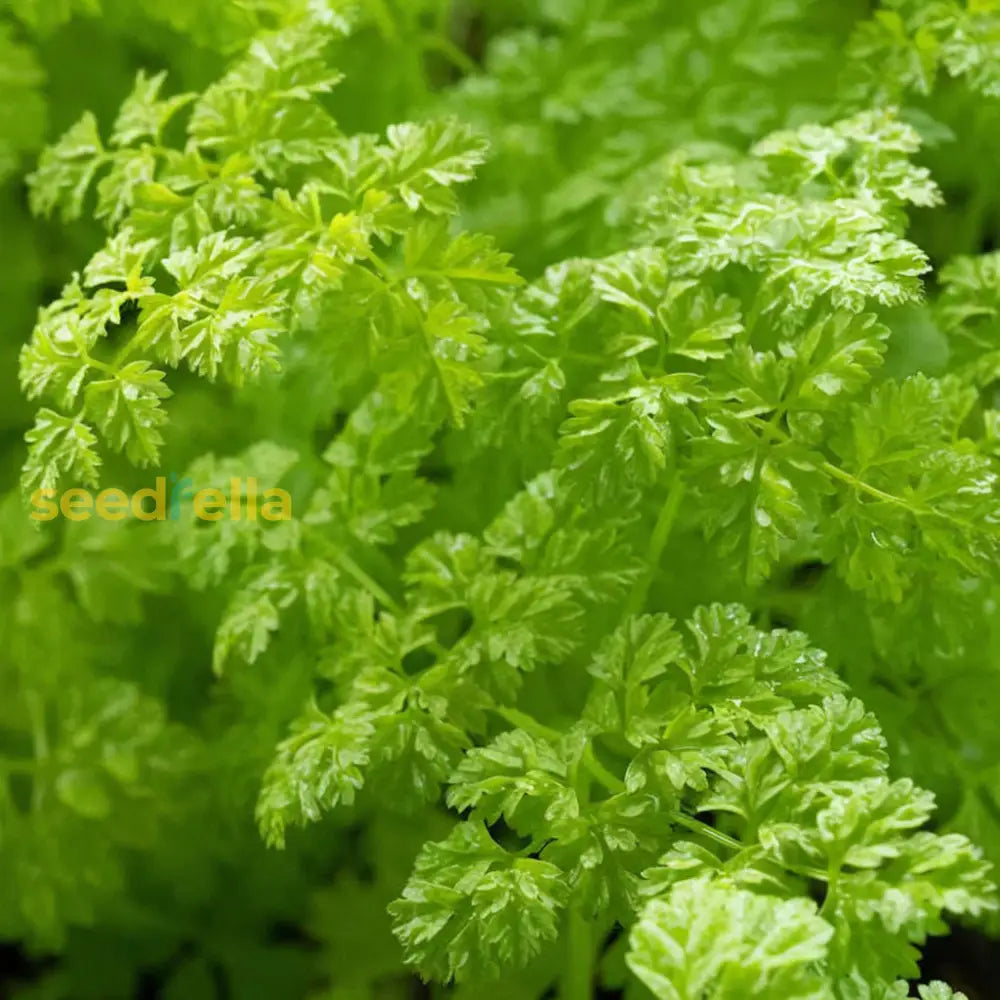
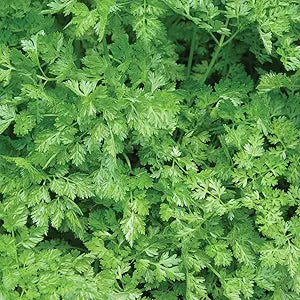
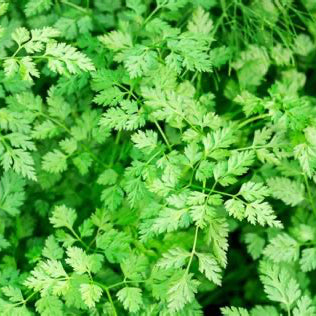
Chervil brings a quiet, old-fashioned elegance to the garden with its finely divided, fernlike foliage. Its delicate appearance feels perfectly suited to cottage gardens, where herbs and flowers mingle in relaxed layers. Tucked along a garden border or among other kitchen herbs, chervil adds soft texture and understated seasonal beauty.
For gardeners who enjoy traditional herbs and natural planting spaces, Chervil Seeds from Evergrow Seeds are a lovely addition. Explore availability at evergrowseeds.com while creating a garden filled with graceful foliage, useful herbs, and romantic cottage character.
Browse Our Chervil Seeds
Chervil is known for its finely divided, bright green leaves and delicate growth habit. When flowering, it can produce small white blossoms arranged in airy clusters, adding a light and graceful detail to the garden.
Use chervil in herb beds, cottage borders, kitchen gardens, edible landscapes, and mixed plantings. Its fine foliage pairs beautifully with parsley, dill, thyme, lettuce, and other cool-season garden favorites.
Plant Care Insights
- Sunlight: Choose a location with bright light and some afternoon protection in warmer areas.
- Soil: Use fertile, well-drained soil enriched with organic matter.
- Watering: Keep soil evenly moist without allowing it to become waterlogged.
- Companion plants: Pair chervil with parsley, dill, lettuce, radishes, and other cool-season plants.
- Maintenance: Remove crowded or damaged foliage to maintain airflow and a neat appearance.
Frequently Asked Questions
What climate is best for Chervil?
Chervil prefers cool to mild conditions and suits many temperate gardens.
Hot weather can cause plants to flower sooner.
How large can Chervil become?
Chervil generally forms a low, leafy herb with delicate stems.
Mature size varies depending on variety and garden conditions.
Should Chervil be pruned?
Remove older or damaged foliage to keep plants looking tidy.
Light trimming can also help manage crowded growth.
What pests commonly affect Chervil?
Aphids and slugs may occasionally affect chervil foliage.
Inspect plants regularly and address small pest problems when noticed.
Shop By Category